
Pseudomyrmex cladoicus
- Sci. Name
- Pseudomyrmex cladoicus
- Tribe
- Pseudomyrmecini
- Subfamily
- Pseudomyrmecinae
- Author
- Smith, 1858
- Distribution
- Found in 2 countries
Introduction
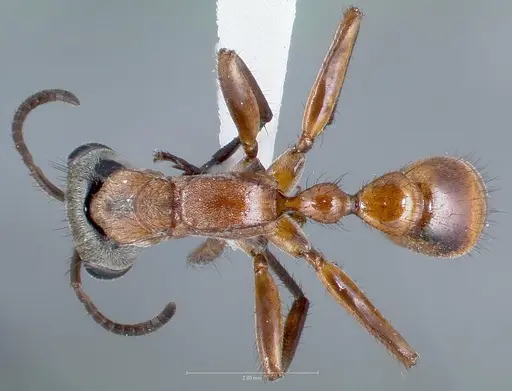
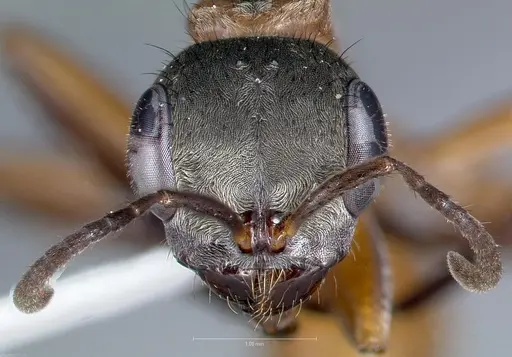
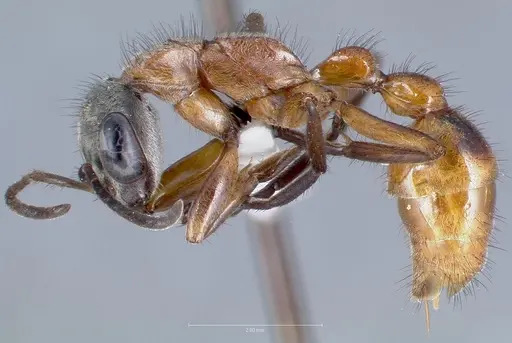
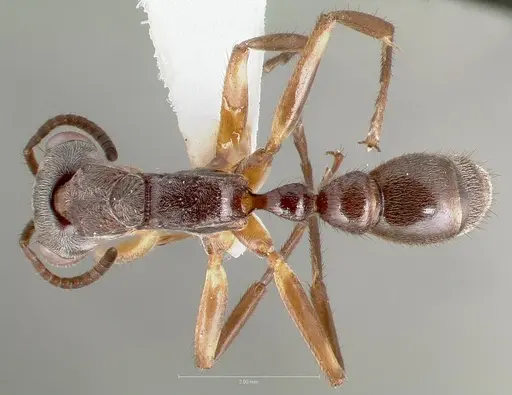
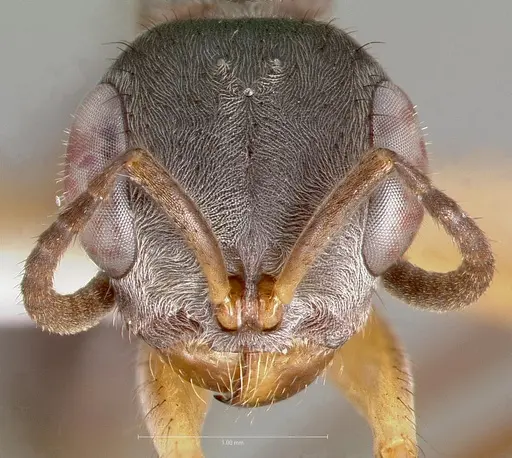
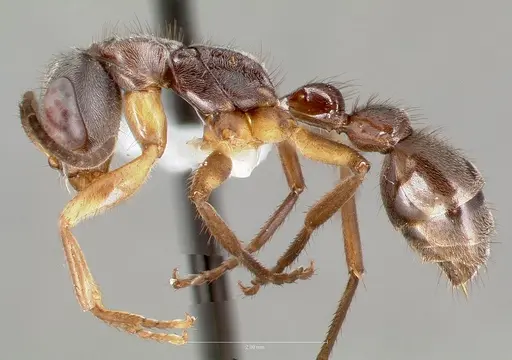
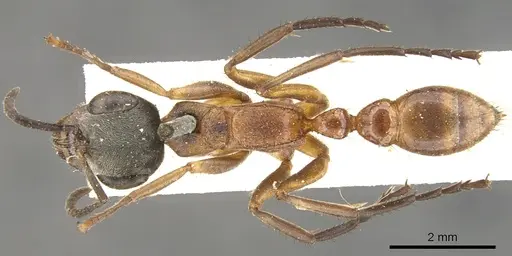
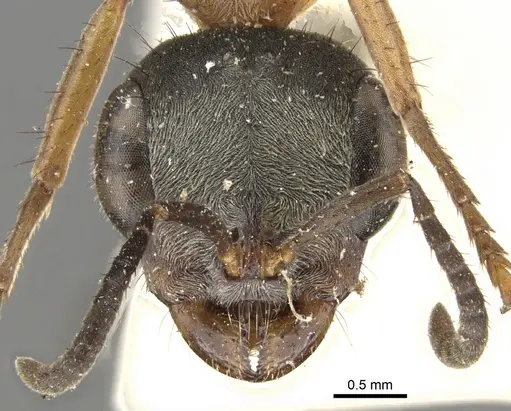
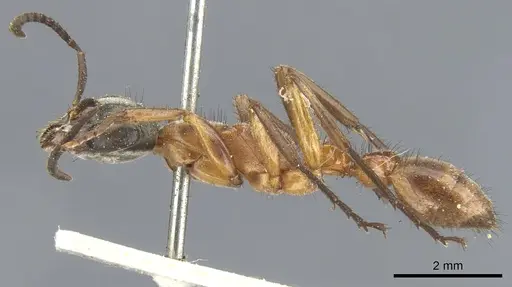
Pseudomyrmex cladoicus is a slender, wasp-like ant described from São Paulo, Brazil in 1858 . Workers have a long, narrow body and large eyes, typical of the Pseudomyrmex genus. It has been recorded in Brazil (São Paulo, Pará state) and Peru . The species is thought to inhabit forested environments and to nest in hollow twigs or stems in trees. Research on its biology and care is very limited, most care advice must be inferred from other members of the genus.
Quick Summary
- Difficulty: Medium (estimated based on genus)
- Origin & Habitat: Neotropical region, Brazil (São Paulo, Pará) and Peru. Found in forested areas, typical of the Pseudomyrmex genus [1][2][3][4].
- Colony Type: Unconfirmed, colony structure has not been documented for this species. Most Pseudomyrmex species are single‑queen colonies, but this has not been studied for P. cladoicus.
- Size & Growth:
- Queen: No published measurements exist, inferred from Pseudomyrmex genus (~8-10 mm)
- Worker: No published measurements exist, inferred from Pseudomyrmex genus (~4-6 mm)
- Colony: Up to several hundred workers (estimated from related species)
- Growth: Unknown, likely moderate based on genus patterns
- Development: Estimated 6-8 weeks (based on genus data) (Development time is estimated from genus‑level data as no species‑specific research exists. Tropical species typically develop faster than temperate ants.)
- Antkeeping:
- Temperature: Aim for 24-28°C, these are tropical ants that prefer warm conditions. Provide a gradient so the colony can cool off to around 22°C.
- Humidity: Moderate to high, keep nest substrate slightly moist but not waterlogged. Good ventilation is needed to avoid mold.
- Diapause: No, as a tropical species from Brazil and Peru, they do not require hibernation. Maintain consistent warm temperatures year‑round.
- Nesting: In captivity, they do well in Y‑tong (AAC) nests, plaster nests, or naturalistic setups with hollow twigs/branches. They prefer tight, enclosed spaces that mimic their natural twig‑nesting behavior.
- Behavior: Pseudomyrmex ants are active foragers with good vision. Workers are quick and may try to escape through tiny gaps, secure the setup well. They likely sting if threatened (subfamily trait). Handle with care.
- Common Issues: very limited species‑specific information means care must be based on genus patterns, not documented research, tropical humidity requirements can lead to mold if ventilation is poor, high escape risk due to slender body shape, slow colony growth may frustrate beginners, wild‑caught colonies may carry parasites or diseases not well‑documented
Nest Preferences and Housing
Pseudomyrmex cladoicus likely nests in hollow twigs, stems, or decaying wood, as is typical for the genus. In captivity, provide enclosed nest spaces that mimic these cavities. Y‑tong (AAC) nests with narrow chambers work well. Plaster nests with tunnels are also suitable. Naturalistic setups with real twigs can be used but need more maintenance. Avoid large, open test tubes, these ants prefer tight spaces with multiple small chambers connected by narrow passages. No species‑specific data is available, this advice comes from general Pseudomyrmex husbandry.
Feeding and Diet
As is typical for Pseudomyrmex, this species is likely primarily predatory. Offer small live prey such as fruit flies, pinhead crickets, and tiny mealworms. Sugar sources (honey water, sugar water) may be accepted occasionally but do not replace protein. Feed every 2-3 days, adjusting to colony size. Remove uneaten prey after 24-48 hours to prevent mold. No species‑specific dietary data exists.
Temperature and Humidity
As a tropical species from Brazil and Peru, P. cladoicus requires warm temperatures between 24-28°C. Use a heating cable on one side to create a gradient. Humidity should be moderate to high, mist the outworld and keep the nest substrate slightly moist. Good ventilation is essential to prevent mold. These recommendations are based on typical Pseudomyrmex needs, as no specific data is available.
Behavior and Temperament
Pseudomyrmex ants are active, quick foragers with good vision. Workers are alert and may sting if threatened (subfamily trait). Their slender bodies can escape through tiny gaps, use fluon on container rims and seal all connections. They are likely diurnal. Handle with care. No specific behavior data exists for this species.
Colony Establishment
If you obtain a founding queen, she is likely claustral (sealing herself in a small chamber) based on genus patterns. Do not disturb her during this period, which typically takes about 6-8 weeks depending on temperature. Once the first workers (nanitics) emerge, you can offer small prey. The colony will grow slowly at first. Be patient, Pseudomyrmex colonies typically grow more slowly than many common pet ants. No direct research is available for P. cladoicus.
Frequently Asked Questions
How long does it take for Pseudomyrmex cladoicus to produce first workers?
Estimated 6-8 weeks from egg to worker at optimal temperature (24-28°C). This is based on typical Pseudomyrmex genus development patterns, no species‑specific research exists.
What do Pseudomyrmex cladoicus ants eat?
They are likely primarily predatory, like other Pseudomyrmex species. Feed small live prey such as fruit flies, pinhead crickets, and tiny mealworms. Sugar sources may be accepted in small amounts, but protein should be the main component of their diet.
Do Pseudomyrmex cladoicus ants sting?
Yes, as a member of the subfamily Pseudomyrmecinae, they possess a sting. Potency is unknown for this species, but treat them as capable of stinging if threatened. They are not aggressive to humans unless handled roughly.
Can I keep Pseudomyrmex cladoicus in a test tube setup?
Test tubes are not ideal for this species. Pseudomyrmex ants naturally nest in tight twig cavities, so they do better in Y‑tong nests, plaster nests, or naturalistic setups with narrow chambers. Test tubes are too open and large compared to their natural nesting preferences.
Do Pseudomyrmex cladoicus need hibernation?
No, as a tropical species from Brazil and Peru, they do not require hibernation. Maintain warm temperatures (24-28°C) year‑round. Do not expose them to temperatures below 20°C for extended periods.
How big do Pseudomyrmex cladoicus colonies get?
Colony size is not documented for this specific species. Based on related Pseudomyrmex species, colonies likely reach up to several hundred workers at maximum. Growth is typically moderate and slower than many common pet ant species.
Are Pseudomyrmex cladoicus good for beginners?
This species is not ideal for complete beginners due to limited available care information and specific humidity/temperature requirements. However, antkeepers with some experience keeping tropical species should be able to maintain them successfully.
Why are my Pseudomyrmex cladoicus dying?
Common causes include: temperatures below 20°C, humidity too low or too high (aim for moderate moisture with good ventilation), overfeeding leading to mold, escape (check seals), or stress from too much disturbance. Review each factor and adjust accordingly.
When should I move my colony to a formicarium?
Move to a larger nest setup when the colony reaches 20-30 workers and the current enclosure becomes cramped. Pseudomyrmex prefer enclosed nest spaces, so a Y‑tong or plaster nest with narrow chambers works well. Make the transition gradual.
Can I keep multiple Pseudomyrmex cladoicus queens together?
This has not been documented for this species. Most Pseudomyrmex species appear to be single‑queen colonies. Do not attempt to combine unrelated queens unless you observe them naturally accepting each other, which is unlikely.
Report an Issue
The current care sheet is based fully on literature. See inconsistencies, or something that's incorrect? Please , it will be resolved after review from an admin. Contributing to the blogs tab also helps providing information, to make us be able to further improve the caresheets. Thank you for your support!
References

This caresheet is licensed under CC BY-SA 4.0 .
Community Blogs
Literature
Loading distribution map...Loading products...