
Pseudomyrmex brunneus
- Sci. Name
- Pseudomyrmex brunneus
- Tribe
- Pseudomyrmecini
- Subfamily
- Pseudomyrmecinae
- Author
- Smith, 1877
- Distribution
- Found in 2 countries
Introduction
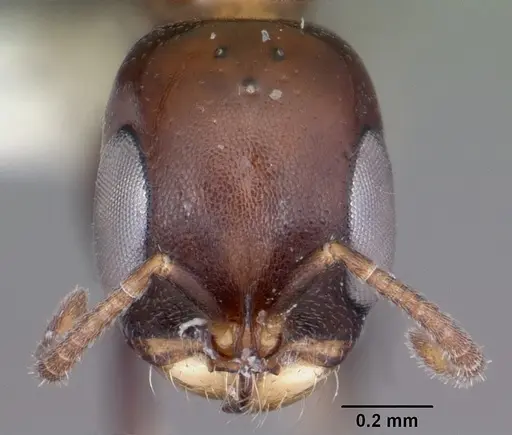
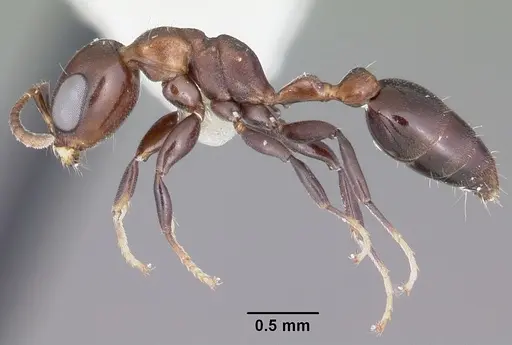
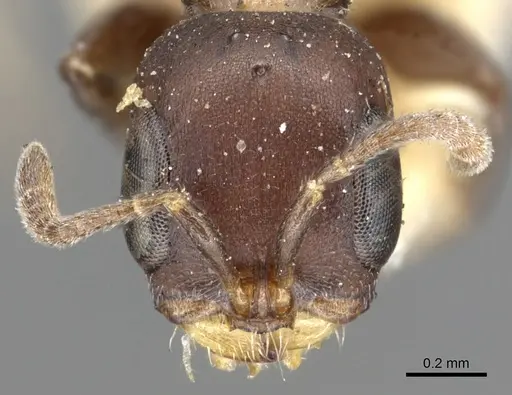
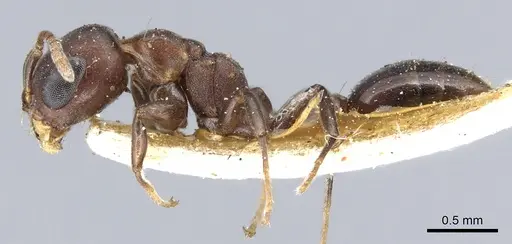
Pseudomyrmex brunneus is a small, dark brown ant native to the Neotropical region, found in Mexico, Costa Rica, and the Greater Antilles, with populations extending into southern Texas and South Carolina in the United States . Workers are about 4-6 mm long (inferred from the Pseudomyrmex genus). They nest exclusively in dry, dead, pithy twigs and plant stalks, such as those of chinaberry (Melia azedarach) or mint stems . This species is considered uncommon and often occurs alongside its close relative Pseudomyrmex ejectus in the same habitat .
Quick Summary
- Difficulty: Medium
- Origin & Habitat: Native to Mexico, Costa Rica, and the Greater Antilles, with records in Texas and South Carolina, USA [2][3][4]. Inhabits lakeshore, pine, and hardwood vegetation where it nests in dry, pithy twigs and dead plant stalks [5].
- Colony Type: Multi-queen colonies with 30-200 workers and 2-3 fertile queens in larger nests [5]. Likely polygynous.
- Size & Growth:
- Queen: ~5-7 mm, inferred from Pseudomyrmex genus
- Worker: ~4-6 mm, inferred from Pseudomyrmex genus
- Colony: Up to 200 workers [5]
- Growth: Moderate
- Development: Unconfirmed, no direct data available (Development time has not been studied. Related Pseudomyrmex species usually complete egg‑to‑worker in 4-8 weeks at warm temperatures, but this is unconfirmed for P. brunneus.)
- Antkeeping:
- Temperature: These ants come from warm regions. Keep them between 22-28 °C. Room temperature (22-24 °C) is a good starting point. A gentle temperature gradient is beneficial.
- Humidity: Dry nesting conditions are essential. In nature they live in dry, pithy twigs, so avoid any dampness in the nest. Provide a water source in the outworld instead.
- Diapause: Unknown. Given their warm‑adapted range (Mexico, Texas), true hibernation is likely not needed. In temperate climates, reduce feeding slightly in winter but keep the colony warm, a cool period around 15-18 °C is optional if activity drops.
- Nesting: Provide dead twigs, bamboo sections, or dried plant stems as nesting material. These ants naturally nest in dry, pithy twigs [5][1]. Use horizontal or slightly angled setups. Keep the nest entirely dry and avoid moist substrates.
- Behavior: Relatively docile, not aggressive toward humans. They have a sting but it is too small to cause significant pain. Workers are arboreal foragers and good climbers. They respond slowly to intruders but may attack if provoked [5]. Escape risk is moderate, they are small and can squeeze through tiny gaps, so seal connections well.
- Common Issues: damp nesting conditions, will kill the colony quickly because they need dry, pithy nest material [5], small colony size (max ~200) provides little buffer against mistakes or disease, limited hobbyist knowledge, few established care protocols exist, arboreal nature, requires elevated nest sites or horizontal tubes with twig inserts, stress from disturbance, multi‑queen colonies are sensitive to excessive handling
Nest Preferences and Housing
Pseudomyrmex brunneus is an obligate twig-nester. In the wild, colonies settle in dry, dead, pithy twigs and plant stalks [5][1]. To replicate this in captivity, offer short sections of bamboo, dried hollow stems, or wooden twigs. The nesting material must be kept completely dry, any dampness will kill the colony. Horizontal or slightly tilted setups work well because the ants naturally occupy horizontal twigs. A simple design is a test tube with a dry twig inserted, or a horizontal nest chamber with a separate foraging area. Since they are arboreal, they prefer having the nest elevated above the ground. Avoid moist substrates in the nest.
Feeding and Diet
Like other Pseudomyrmex species, P. brunneus is omnivorous. In the wild, workers forage in trees and visit extrafloral nectaries on plants [6]. They also hunt small arthropods. In captivity, offer small insects such as fruit flies, pinhead crickets, or tiny mealworms as protein. Provide sugar‑water or honey water via a small container with a cotton wick to prevent drowning. Feed small portions 2-3 times a week and remove uneaten prey after 24 hours.
Temperature and Seasonal Care
Given their distribution across Mexico, Texas, and Costa Rica, P. brunneus prefers warm conditions. Aim for 22-28 °C, with 22-24 °C being a safe starting point. They tolerate slightly higher temperatures but avoid prolonged heat above 30 °C. During winter in temperate climates, activity may slow down. This is natural, you can provide a mild cool period (15-18 °C) for 2-3 months if the colony shows reduced activity, but a true diapause is likely not required. Keep the nest dry and reduce feeding slightly during cool periods. [4]
Colony Structure and Multi-Queen Dynamics
Pseudomyrmex brunneus is polygynous, colonies naturally contain multiple queens. Research found 2-3 fertile queens in larger nests, with worker populations of 30-200 [5]. This multi-queen structure helps the colony grow despite its small size. You may observe more than one egg‑laying queen in your formicarium, do not try to separate them. The colony will stay modest, maxing out around 200 workers, which is much smaller than many common ant species.
Behavior and Temperament
These ants are relatively docile and not aggressive toward humans. When threatened, they prefer to flee. In experiments against Solenopsis invicta, P. brunneus showed low alarm responses but did attack when provoked [5]. Their sting is small and cannot harm people. They are diurnal, active foragers, moving through trees and shrubs. In captivity, you will see them climbing vertical surfaces. Their preference for confined twig spaces means they adapt well to narrow horizontal nests.
Handling and Escape Prevention
Because they are small, P. brunneus can escape through tiny gaps. Seal all connections between nest and outworld. Use a fluon or petroleum jelly barrier around the rim of the foraging area. When moving or observing the colony, work gently, sudden vibrations stress the colony. The ants are not dangerous and cannot sting effectively through human skin. Standard ant‑keeping equipment (test tubes with cotton plugs, formicaria with tight lids) works fine.
Frequently Asked Questions
How long does it take for Pseudomyrmex brunneus to develop from egg to worker?
The exact timeline hasn’t been documented for this species. Based on related Pseudomyrmex ants and assuming warm temperatures (24-26 °C), the process may take 4-8 weeks. Claustral founding (queen alone) would add several months before workers emerge.
Can I keep multiple Pseudomyrmex brunneus queens together?
Yes, this is natural. The species is polygynous, larger colonies contain 2-3 fertile queens [5]. Multiple queens can be kept together during founding and colony growth without issues.
What do Pseudomyrmex brunneus eat?
They are omnivorous. In the wild, they forage on extrafloral nectaries [6] and hunt small insects. In captivity, offer small live prey (fruit flies, pinhead crickets) and sugar water or honey water. Feed 2-3 times a week.
Are Pseudomyrmex brunneus good for beginners?
Rated Medium difficulty. They are not the easiest ant to keep because they require dry nesting conditions and warm temperatures. Their small colony size leaves little room for error. Intermediate keepers with experience in dry‑nest setups will have better success.
Do Pseudomyrmex brunneus sting?
They have a stinger but it is too small to penetrate human skin effectively. They are not considered dangerous and will flee rather than attack. The sting is not medically significant.
What type of nest do Pseudomyrmex brunneus need?
They need dry, hollow nesting material, dead twigs, bamboo tubes, or dried plant stems. Keep the nest dry. Horizontal or slightly tilted setups mimic their natural twig habitats.
How big do Pseudomyrmex brunneus colonies get?
The largest colonies contain up to 200 workers with 2-3 queens [5]. This is a relatively small colony size compared to many common species. The multi‑queen system helps maintain colony health.
Do Pseudomyrmex brunneus need hibernation?
Probably not. They come from warm regions where true winter diapause does not occur. In captivity, activity may slow in cooler months, but a cool period (15-18 °C) is optional. Keep them warm year‑round if you wish.
Where is Pseudomyrmex brunneus found in the wild?
It is native to Mexico, Costa Rica, and the Greater Antilles, with introduced populations in southern Texas and South Carolina, USA [2][3][4]. It nests in dry pithy twigs in lakeshore, pine, and hardwood habitats [5].
Why is my Pseudomyrmex brunneus colony dying?
The most common cause is damp nesting material, these ants come from dry pithy twigs and cannot tolerate moisture. Also check that temperature is warm (22-28 °C) and that they have enough sugar and protein. Small colonies are sensitive to frequent disturbance.
Report an Issue
The current care sheet is based fully on literature. See inconsistencies, or something that's incorrect? Please , it will be resolved after review from an admin. Contributing to the blogs tab also helps providing information, to make us be able to further improve the caresheets. Thank you for your support!
References

This caresheet is licensed under CC BY-SA 4.0 .
Community Blogs
CASENT0104806
View on AntWeb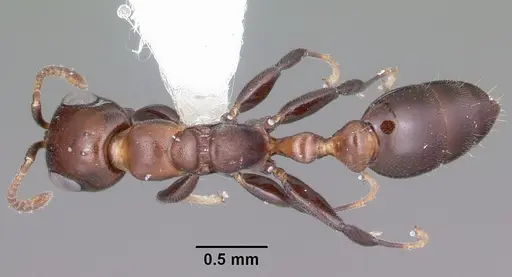
CASENT0902891
View on AntWeb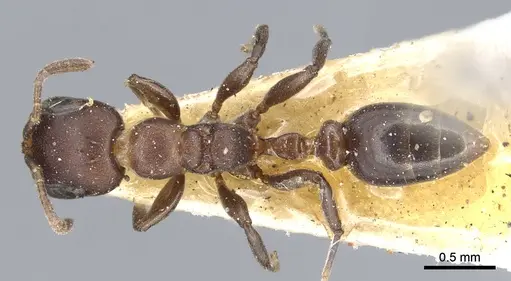
Literature
Loading distribution map...Loading products...