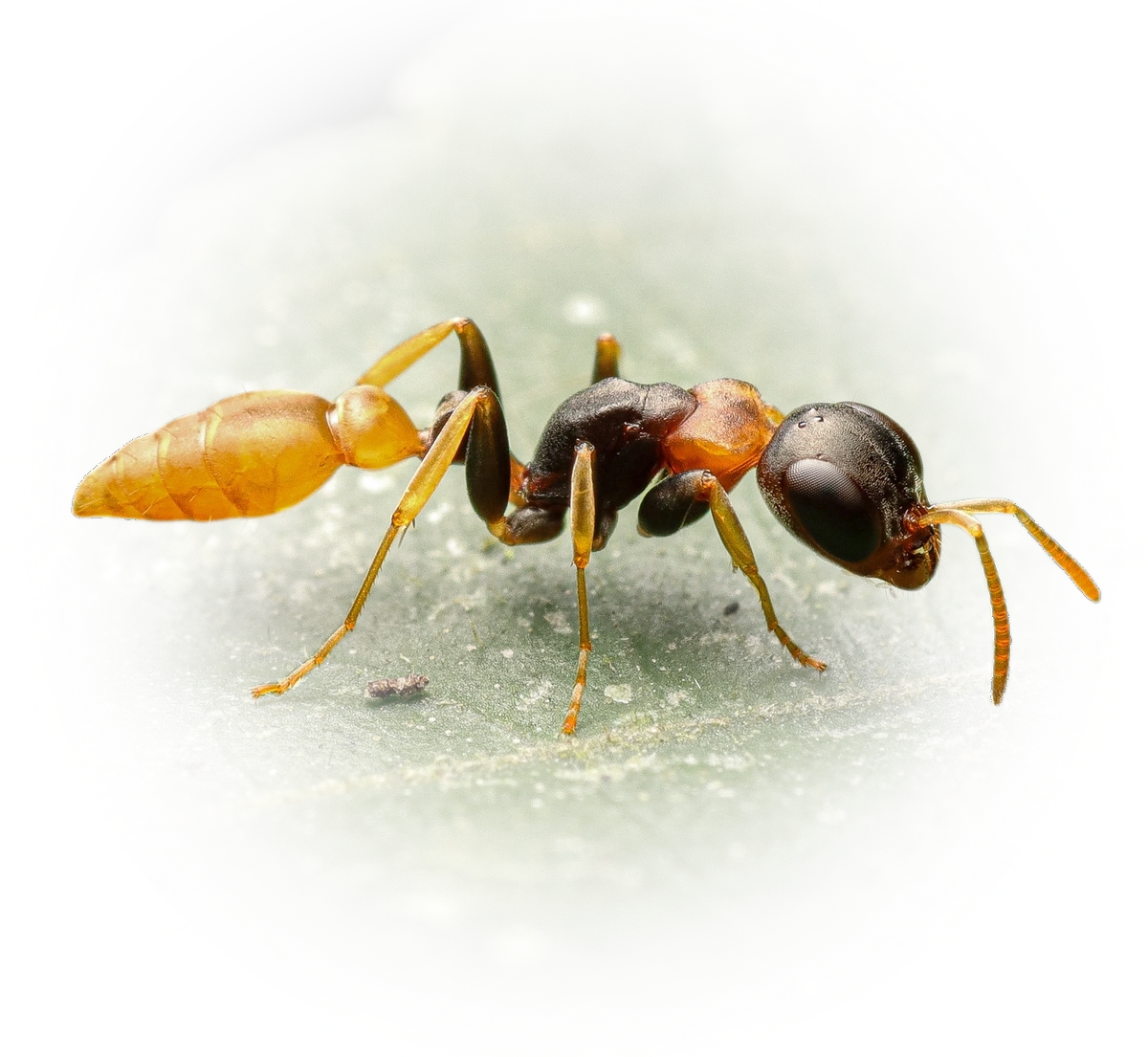
Pseudomyrmex boopis
- Sci. Name
- Pseudomyrmex boopis
- Tribe
- Pseudomyrmecini
- Subfamily
- Pseudomyrmecinae
- Author
- Roger, 1863
- Distribution
- Found in 9 countries
Introduction
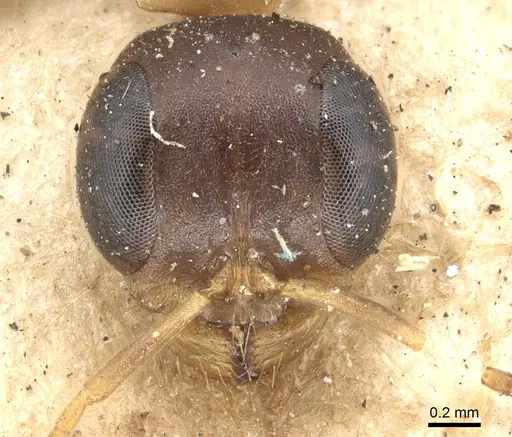
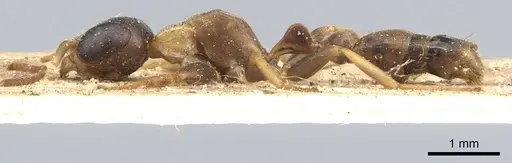
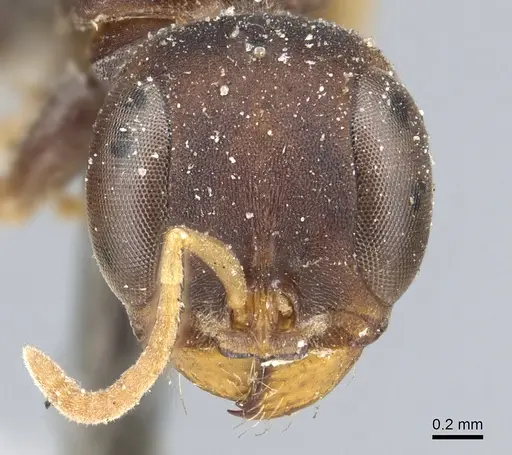
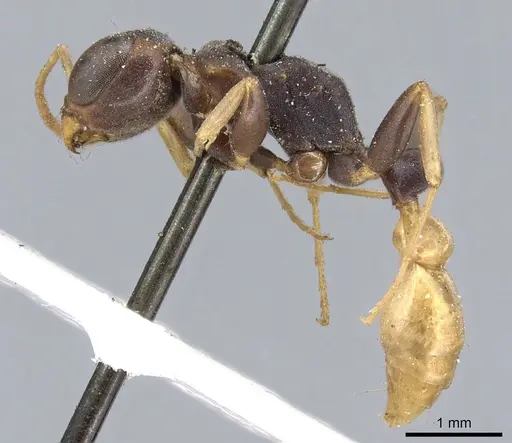
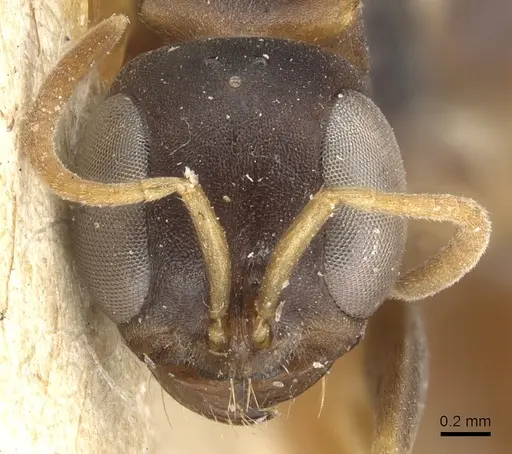
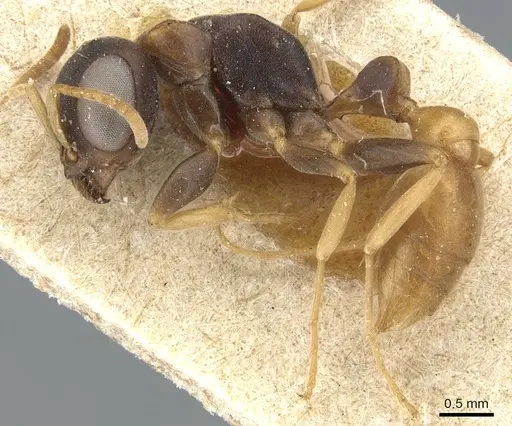
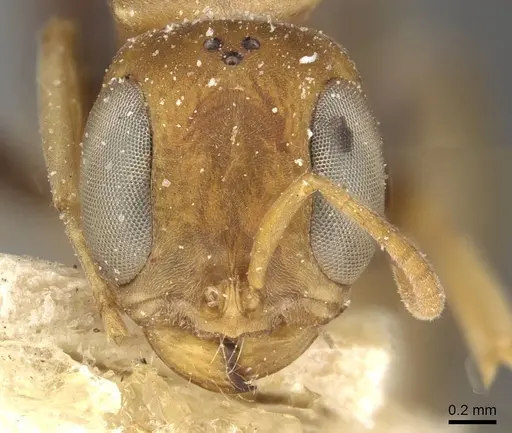
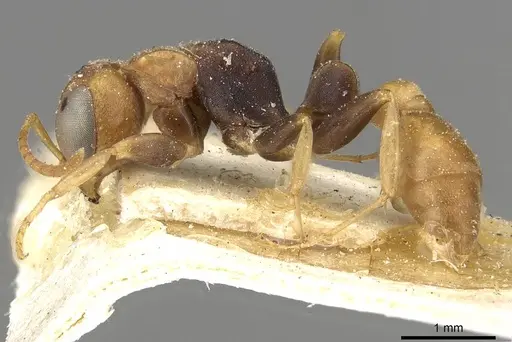
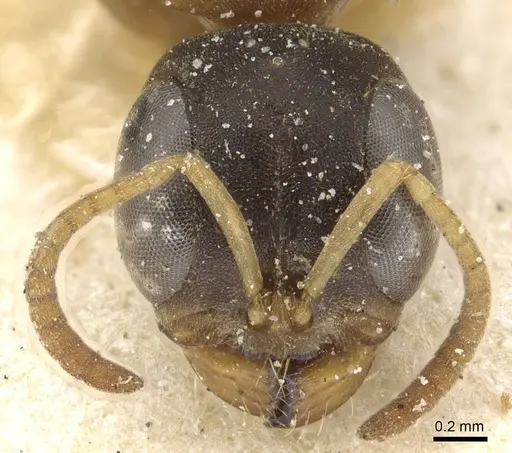
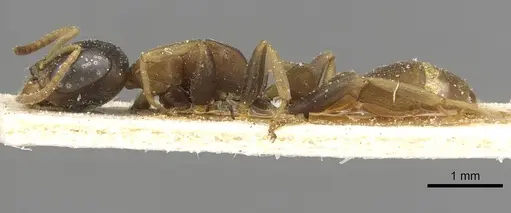
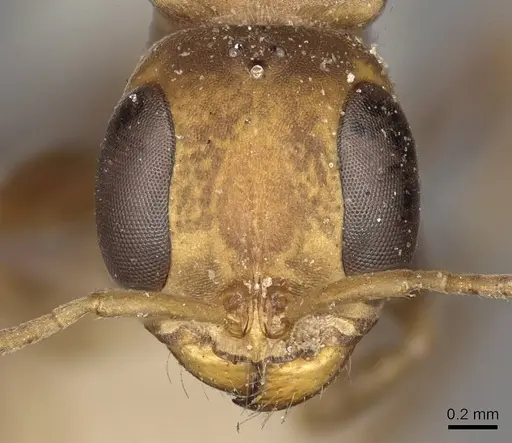
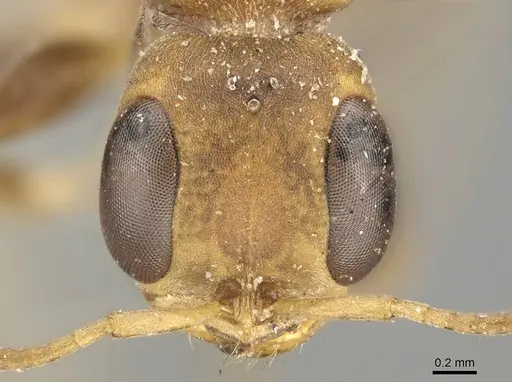
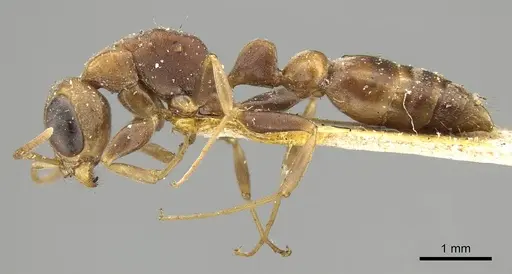
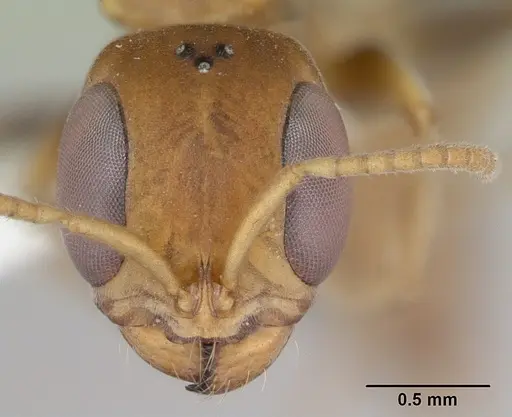
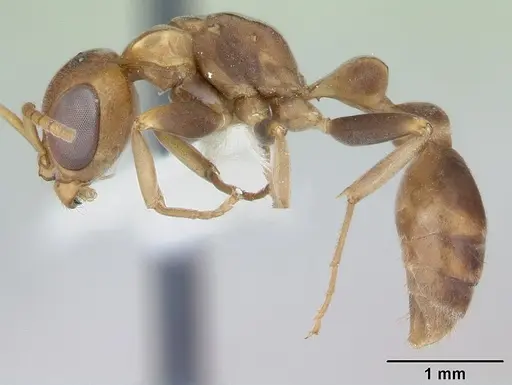
Pseudomyrmex boopis is a medium-sized neotropical ant from the P. tenuis group. Unlike most tree-dwelling Pseudomyrmex, this species lives in the understory and nests in rotten wood, dead twigs, and cavities on or near the ground . Workers are variable in color, from light brown to bicolored orange and black. Its large compound eyes are crucial for navigation. Colonies are polydomous, meaning they spread across several dead twigs rather than a single nest . The type specimen came from a swollen-thorn acacia , showing occasional use of live plant cavities. It is common in rainforests and tropical moist forests from Mexico to northern South America .
Quick Summary
- Difficulty: Medium
- Origin & Habitat: Widespread in the Neotropical region: Colombia, Costa Rica, Ecuador, Guatemala, Honduras, Mexico, Panama, Peru, Trinidad and Tobago, Venezuela [1][3]. Inhabits rainforest and tropical moist forest, nesting in dead twigs and rotting wood on or near the ground [1][2].
- Colony Type: Polydomous, colonies occupy several cavities in dead twigs on the forest floor or suspended near it. Each twig holds relatively few workers, so the colony is spread across multiple nest sites [2]. Whether colonies have one queen or multiple is unknown.
- Size & Growth:
- Queen: ~8-10mm, inferred from Pseudomyrmex genus patterns
- Worker: Size data unavailable from available literature, medium-sized for the genus
- Colony: Likely several hundred workers spread across multiple nest twigs, based on polydomous structure [2]
- Growth: Moderate, estimated from typical Pseudomyrmecinae development patterns
- Development: Estimated 6-8 weeks at 25-27°C, based on Pseudomyrmecinae patterns [4] (Development temperature-dependent, nanitics may take slightly longer.)
- Antkeeping:
- Temperature: Keep at 24-28°C with a slight gradient. Avoid drops below 22°C [1].
- Humidity: High humidity (70-85%) essential. Nest substrate should be consistently moist but not waterlogged. Good ventilation needed to prevent mold [1].
- Diapause: No, as a neotropical species, maintain year-round tropical conditions [1].
- Nesting: Best in naturalistic setups with dead twigs, cork bark, or narrow horizontal chambers that mimic dead twig cavities. Avoid tall vertical spaces, these ants stay near ground level. Provide dark, enclosed spaces [1][2].
- Behavior: P. boopis is diurnal and a solitary forager, active from sunrise to sunset [2]. Workers spend time on low vegetation and leaf litter, leaping between leaves and dropping from heights up to 15 cm [2]. They depend heavily on vision for navigation, workers with blocked compound eyes cannot home successfully and are easily preyed upon [2]. They do not forage during heavy rain. Their sting is used defensively but is mild. Escape risk is moderate, their good vision may make them reactive to movement. Use standard barrier methods and minimize disturbances.
- Common Issues: vision dependency, ensure adequate lighting for navigation, or workers may get lost [2], polydomous colonies are sensitive to disturbance, moving the nest can cause abandonment, high humidity requirements can lead to mold if ventilation is poor, predation risk from other ants, keep away from aggressive species like Odontomachus [2], solitary foraging means slower food discovery compared to mass-recruiting species
Housing and Nest Setup
P. boopis naturally nests in dead twigs and rotten wood on the forest floor [1][2]. In captivity, provide multiple small cavities such as hollow twigs, cork bark sections, or narrow horizontal chambers. Since they are polydomous, offer several interconnected nest sites. Use a flat formicarium or a shallow outworld with leaf litter and twigs, avoid tall spaces. Keep the nest dark and stable, moving it can disorient workers that rely on visual landmarks [2]. A small test tube setup can work for founding, but naturalistic setups better match their biology.
Feeding and Diet
P. boopis is a predatory solitary hunter [5][2]. Offer small live prey such as fruit flies, pinhead crickets, or micro mealworms 2-3 times per week. They also accept sugar water or honey water. Remove uneaten prey after 24 hours. Since they are visual hunters, moving prey may stimulate foraging. Their polydomous structure means you may need to place food in several locations to ensure all workers access it.
Temperature and Humidity
This neotropical species needs warm, stable conditions. Keep temperatures between 24-28°C, with a slight gradient if possible [1]. Humidity should be high (70-85%) to mimic rainforest floor conditions. Use a hydration system that keeps the substrate moist but not waterlogged. Ensure good ventilation to prevent stagnation and mold. Avoid sudden temperature drops.
Behavior and Vision
Vision is critical for P. boopis navigation. Workers use their large compound eyes to follow visual cues during foraging and homing [2]. In experiments, only 12.5% of workers with occluded compound eyes homed successfully, while controls nearly all succeeded [2]. Workers without antennae took longer to enter the nest after locating it, indicating antennae help identify the entrance [2]. They do not forage during heavy rain and remain inside until leaf surfaces dry [2]. They are preyed upon by Odontomachus bauri, Ectatomma ruidum, and jumping spiders [2]. In captivity, avoid moving their setup and provide adequate lighting.
Colony Structure and Polydomy
P. boopis is polydomous: a single colony occupies several cavities in dead twigs within its territory [2]. Each twig holds only a few workers, but the colony as a whole can contain several hundred. This structure likely reduces predation risk and allows efficient use of scattered resources. When keeping them, provide multiple nest sites connected by foraging areas. Avoid disturbances that could cause workers to lose track of nest locations [2]. The species has been recorded in association with plants like Lantana and occasionally in acacia thorns [6][1].
Frequently Asked Questions
How long does it take for Pseudomyrmex boopis to produce first workers?
Based on Pseudomyrmecinae patterns, expect first workers in approximately 6-8 weeks at 25-27°C. Development is temperature-dependent.
Can I keep Pseudomyrmex boopis in a test tube setup?
Test tubes can work for founding, but these ants prefer twig cavities. A naturalistic setup with cork bark or hollow twigs better matches their natural nest architecture. If using tubes, cover them to keep dark and maintain high humidity.
Do Pseudomyrmex boopis ants sting?
Yes, they have a sting, but it is generally mild and unlikely to penetrate human skin deeply. They may also bite if threatened.
What do Pseudomyrmex boopis eat?
They are predators that hunt small invertebrates. Offer live prey like fruit flies, pinhead crickets, or micro mealworms 2-3 times per week. They also accept sugar water. Remove uneaten prey after 24 hours.
Are Pseudomyrmex boopis good for beginners?
This species is rated medium difficulty. They require high humidity, warm temperatures, and stable lighting for vision-based navigation. Not ideal for complete beginners, but manageable with some antkeeping experience.
Do Pseudomyrmex boopis need hibernation?
No, as a neotropical species from consistently warm climates, they do not require hibernation. Maintain year-round tropical conditions.
Why are my Pseudomyrmex boopis workers dying after being moved?
This species relies heavily on visual cues for navigation. Moving the nest can disorient workers, causing them to get lost and become easy prey. Minimize disturbances and ensure adequate lighting after any change.
How big do Pseudomyrmex boopis colonies get?
Colonies likely reach several hundred workers spread across multiple nest twigs due to their polydomous nature. Each individual twig hosts relatively few workers.
Can I keep multiple Pseudomyrmex boopis queens together?
The colony structure (monogyne vs polygyne) has not been documented for this species. It is not recommended to combine unrelated queens unless you observe natural acceptance. The polydomous nature suggests flexibility in nest use, but queen behavior is unstudied.
What makes Pseudomyrmex boopis different from other Pseudomyrmex?
Most Pseudomyrmex are arboreal, but P. boopis has secondarily adapted to understory life, nesting in dead twigs on or near the ground. Their heavy reliance on vision for navigation is also distinctive, unlike many ants that use pheromones, they use visual landmarks to home [2].
Report an Issue
The current care sheet is based fully on literature. See inconsistencies, or something that's incorrect? Please , it will be resolved after review from an admin. Contributing to the blogs tab also helps providing information, to make us be able to further improve the caresheets. Thank you for your support!
References

This caresheet is licensed under CC BY-SA 4.0 .
Community Blogs
CASENT0246305
View on AntWeb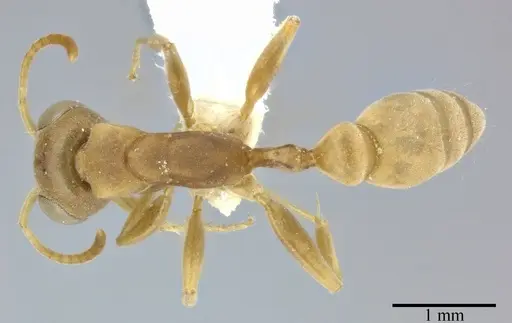
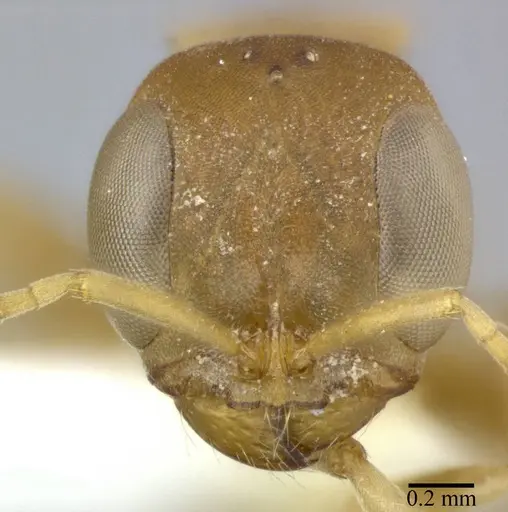
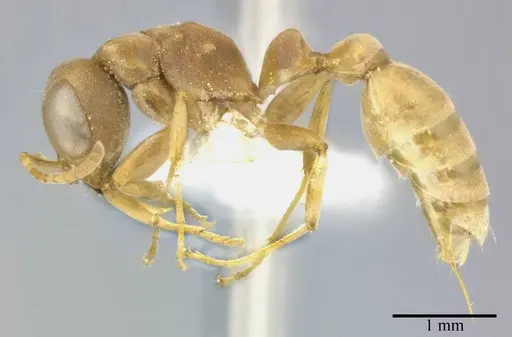
CASENT0866052
View on AntWeb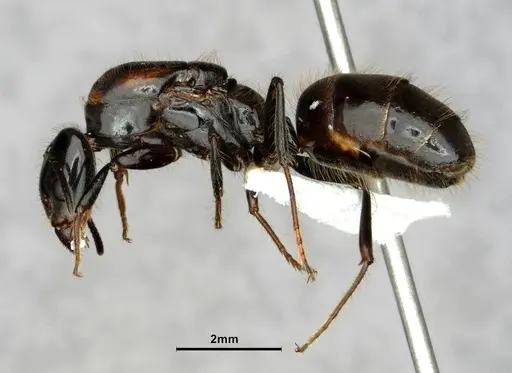
CASENT0902868
View on AntWeb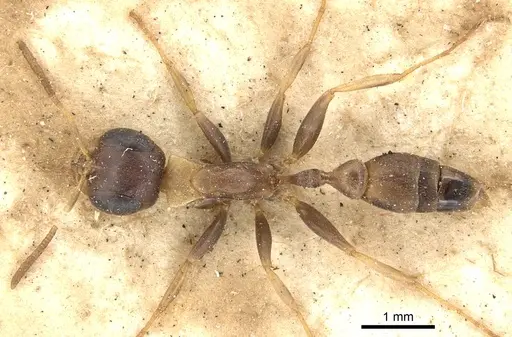
CASENT0902869
View on AntWeb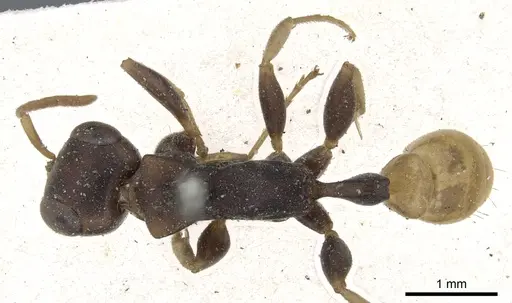
CASENT0904048
View on AntWeb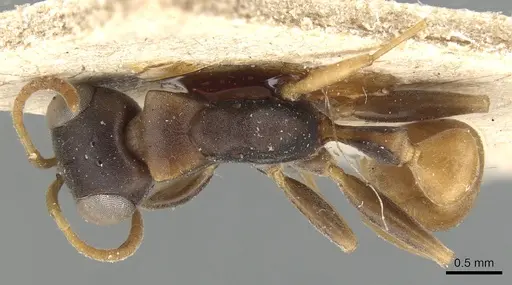
CASENT0915325
View on AntWeb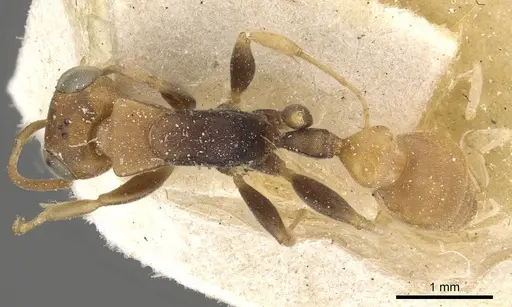
CASENT0915326
View on AntWeb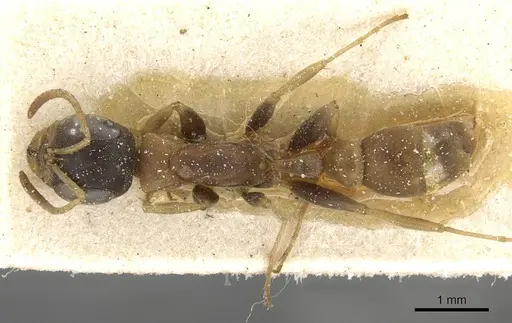
CASENT0915841
View on AntWeb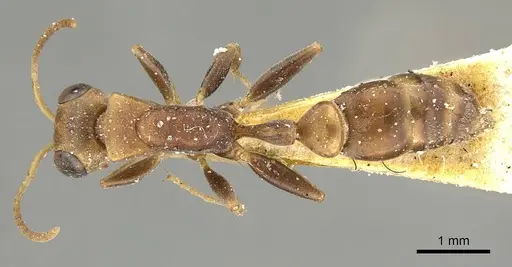
CBUMAGENT41802
View on AntWeb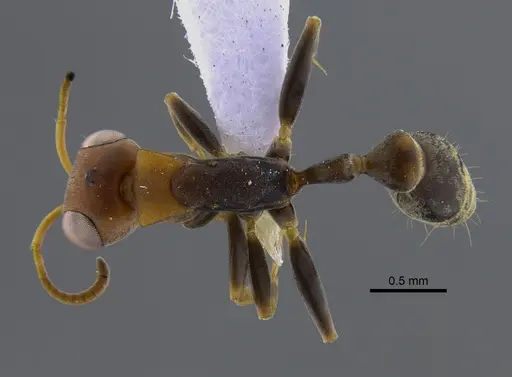
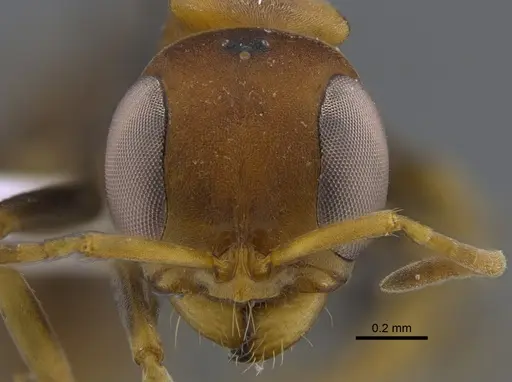
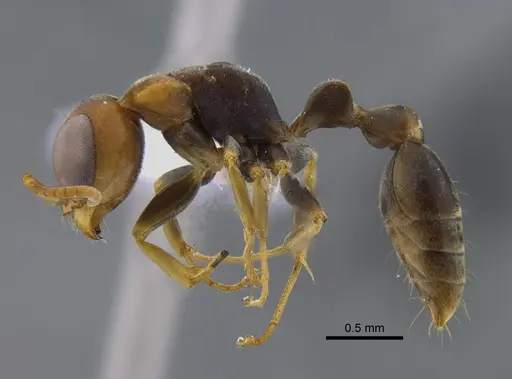
FOCOL1199
View on AntWeb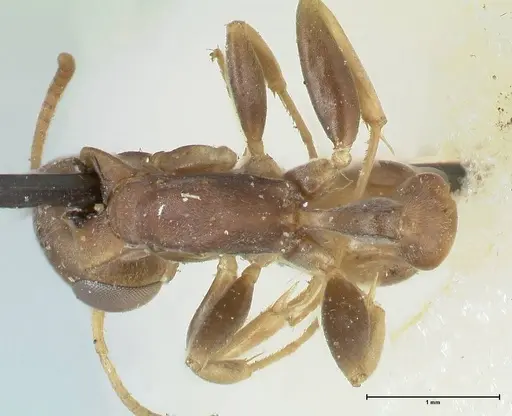
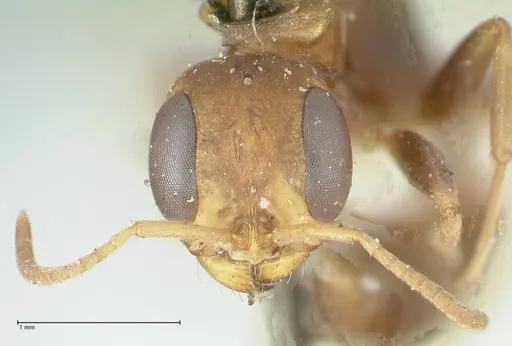
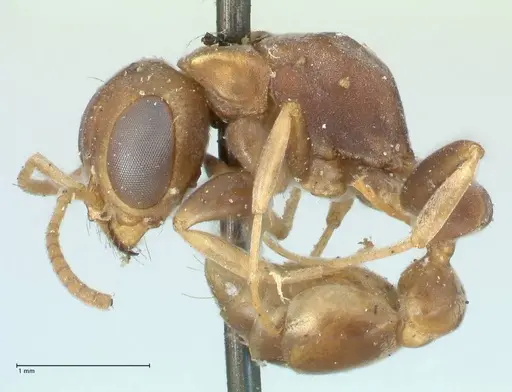
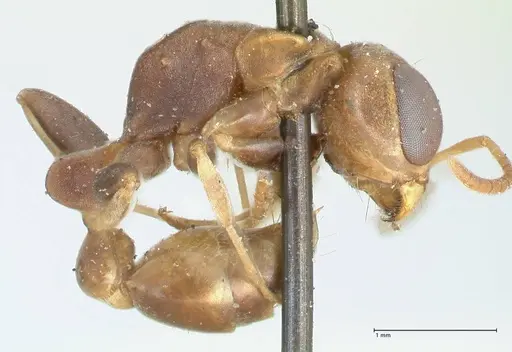
INBIOCRI001281684
View on AntWeb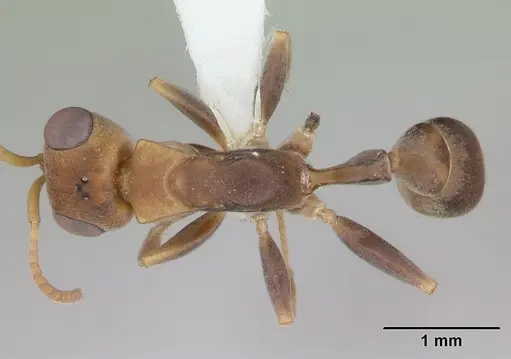
Literature
Loading distribution map...Loading products...