
Pseudomyrmex arcanus
- Sci. Name
- Pseudomyrmex arcanus
- Tribe
- Pseudomyrmecini
- Subfamily
- Pseudomyrmecinae
- Author
- Ward & Branstetter, 2022
- Distribution
- Found in 1 countries
Introduction
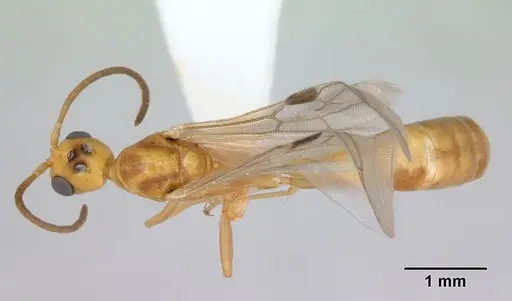
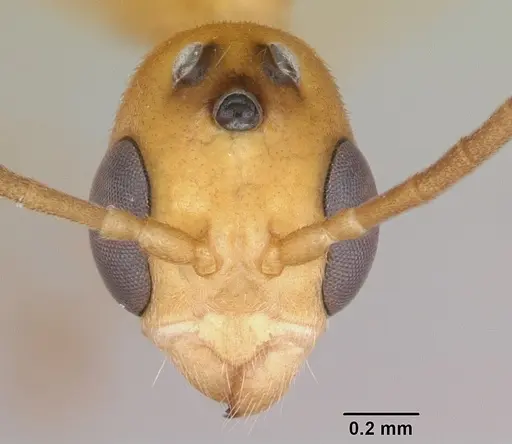
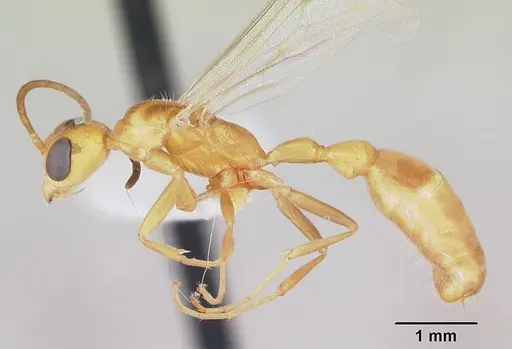
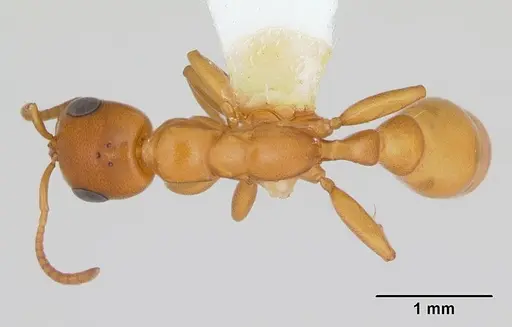
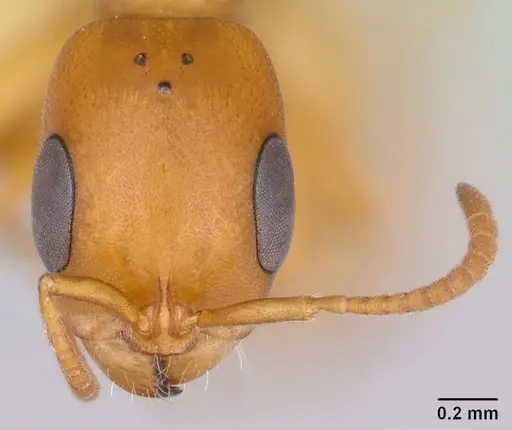
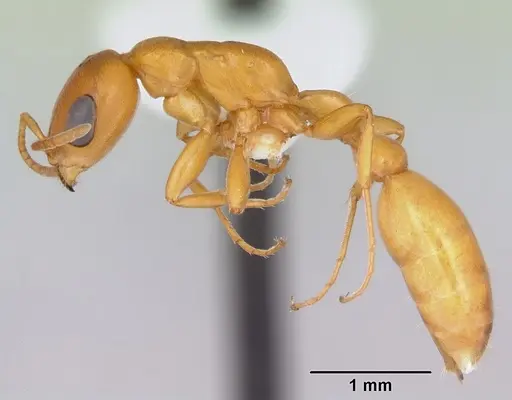
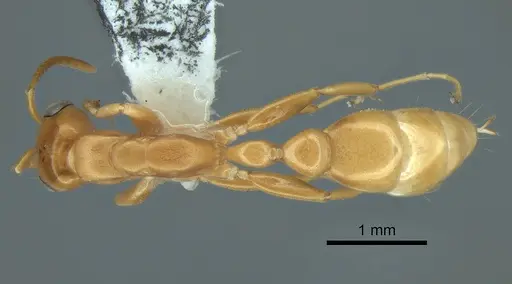
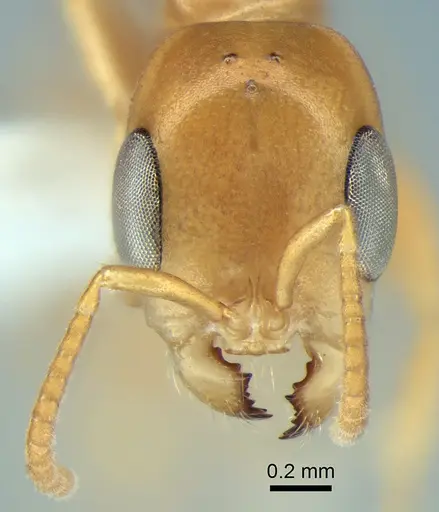
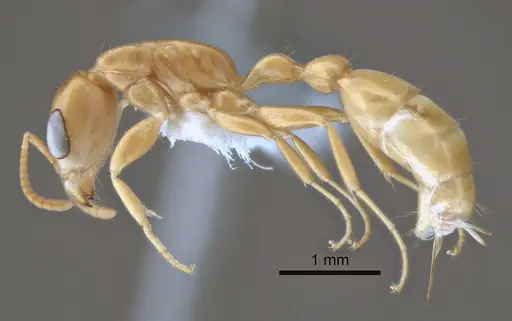
Pseudomyrmex arcanus is a small, orange-yellow ant found in western Mexico, from Baja California to Oaxaca . Workers are uniformly light yellow-brown to orange-brown, without any markings . They nest exclusively in dead twigs, stems, and stalks of woody plants like *Cassia* and vines . This species was formally described in 2022,so little is known about its captive care.
Quick Summary
- Difficulty: Medium
- Origin & Habitat: Western Mexico from Baja California to Oaxaca, at 5-1,280 m elevation. Found in coastal sand dunes, pasture, tropical dry forest, and mixed tropical/temperate mesic forest. Nests in dead twigs and stems [1][2].
- Colony Type: Colony structure is unconfirmed. Based on related *Pseudomyrmex* species, likely single-queen (monogyne) colonies. No ergatoid queens or secondary reproductives have been documented.
- Size & Growth:
- Queen: Unknown, queens have not been described in scientific literature.
- Worker: Size data unavailable (only head measurements exist, which are not body size). Workers are very small, head width 0.82-0.97 mm [1].
- Colony: Unknown, no data available.
- Growth: Unknown, no documented development rates.
- Development: Unconfirmed. Based on related *Pseudomyrmex* species, estimate 6-10 weeks at 24-26°C. (Development has not been studied in this species.)
- Antkeeping:
- Temperature: Aim for warm conditions,22-28°C, with a temperature gradient. A heating cable on one side of the nest works well.
- Humidity: Moderate to high. Keep the nest substrate moderately moist but not waterlogged. These ants come from tropical dry and mesic forests, so avoid letting the nest dry out.
- Diapause: Unknown, no studies. Given their low‑elevation Mexican distribution (tropical to subtropical), a distinct hibernation period is likely not required.
- Nesting: Strictly arboreal. Provide dead twigs, stems, or a horizontal formicarium with narrow chambers that mimic twig interiors. Avoid soil nests.
- Behavior: Fast‑moving, visually‑oriented ants. They are moderately aggressive when defending the nest and will sting if threatened (typical of Pseudomyrmecinae). Escape risk is high due to small size and agility, cover all gaps.
- Common Issues: nesting in dead plant material is challenging to replicate in captivity, provide appropriate twig habitats., escape risk is high, these small, agile ants will exploit any gap., limited availability, species only described in 2022,no established captive lines., no established feeding protocols, start with small live prey and sugar water., humidity control is critical, artificial nests can dry out quickly.
Natural History and Distribution
Pseudomyrmex arcanus is found only in western Mexico, from Baja California to Oaxaca, at elevations from sea level (5 m) up to 1,280 m (average 474 m) [1]. It lives in coastal sand dunes, pasture, tropical dry forest, and mixed tropical/temperate mesic forest [1]. The species was described in 2022 from a holotype worker collected in Michoacán, Mexico [1].
Nest Preferences and Housing
In the wild, all nests have been found in dead plant material: stalks of woody Asteraceae (possibly Viguiera), dead stems of Cassia, dead twigs of thorny vines, and other woody twigs [1][2]. They never nest in soil. For captive care, provide a horizontal formicarium with narrow chambers mimicking twig interiors, or a natural setup with actual dead twigs anchored in a foraging area. Escape prevention is essential, these ants are small and agile [2].
Feeding and Diet
No specific feeding data exists for P. arcanus. Like other Pseudomyrmex species, they are predatory omnivores. Offer small live prey (fruit flies, pinhead crickets, small mealworms) and sugar water (honey water). Provide protein 2-3 times per week and constant access to sugar. Always have fresh water available. Start with very small prey because workers are tiny (head width ~0.9 mm).
Temperature and Humidity Requirements
Based on their Mexican distribution from low to mid elevations, keep the colony at 22-28°C with a temperature gradient. Humidity should be moderate to high (60-80% RH). Keep nest substrate moderately moist but not waterlogged. These ants come from both dry and mesic habitats, so avoid extremes of dryness. Monitor regularly.
Behavior and Colony Dynamics
Workers are fast‑moving, visually oriented, and moderately aggressive when defending the nest. They belong to a subfamily known for stinging (Pseudomyrmecinae), so they can deliver a mild sting. Colonies are likely small due to nesting in narrow twigs, but no population data is available. Workers are uniformly light yellow‑brown to orange‑brown without markings [1]. Queens and founding behavior remain undescribed.
Frequently Asked Questions
How do I house Pseudomyrmex arcanus ants?
Use a horizontal formicarium with narrow chambers mimicking twig interiors, or provide actual dead twigs connected to a foraging area. Ensure very tight seals, these ants are tiny and agile. Never use soil nests.
What do Pseudomyrmex arcanus ants eat?
Feed small live prey (fruit flies, pinhead crickets, small mealworms) and sugar water. Offer protein 2-3 times per week and constant sugar water. No specific diet is documented, so experiment with different insects.
How long does it take for Pseudomyrmex arcanus to develop from egg to worker?
Development time is unconfirmed. Based on related Pseudomyrmex species, estimate 6-10 weeks at 24-26°C.
Do Pseudomyrmex arcanus ants need hibernation?
Diapause requirements are unknown. Given their low‑elevation Mexican habitat, they likely do not need a strong winter cooling period. A slight drop to 18-20°C for 2-3 months may be tried, but it is not confirmed.
Are Pseudomyrmex arcanus good for beginners?
This species is rated Medium difficulty. Its arboreal nesting needs and high escape risk make it less suitable for absolute beginners. Also, it is very rarely available in the hobby.
How big do Pseudomyrmex arcanus colonies get?
Maximum colony size is unknown. Based on their nesting in narrow twigs, colonies are probably small, likely under a few hundred workers at most.
Do Pseudomyrmex arcanus ants sting?
Yes, like other Pseudomyrmecinae ants, they have a functional sting and will use it if the nest is disturbed. The sting is not medically significant for humans.
Can I keep multiple Pseudomyrmex arcanus queens together?
Colony structure is unconfirmed. Based on related species, they likely are monogyne. It is not recommended to combine unrelated queens without evidence of pleometrosis.
What temperature is ideal for Pseudomyrmex arcanus?
Keep at 22-28°C, with a gradient. Around 24-26°C is likely optimal. Use a heating cable on one side of the nest.
Where is Pseudomyrmex arcanus found in the wild?
Western Mexico from Baja California to Oaxaca, at 5-1,280 m elevation. Habitats include coastal sand dunes, pasture, tropical dry forest, and mixed forest [1].
Report an Issue
The current care sheet is based fully on literature. See inconsistencies, or something that's incorrect? Please , it will be resolved after review from an admin. Contributing to the blogs tab also helps providing information, to make us be able to further improve the caresheets. Thank you for your support!
References

This caresheet is licensed under CC BY-SA 4.0 .
Community Blogs
Literature
Loading distribution map...Loading products...