
Pseudomyrmex alustratus
- Sci. Name
- Pseudomyrmex alustratus
- Tribe
- Pseudomyrmecini
- Subfamily
- Pseudomyrmecinae
- Author
- Ward, 1989
- Distribution
- Found in 3 countries
Introduction
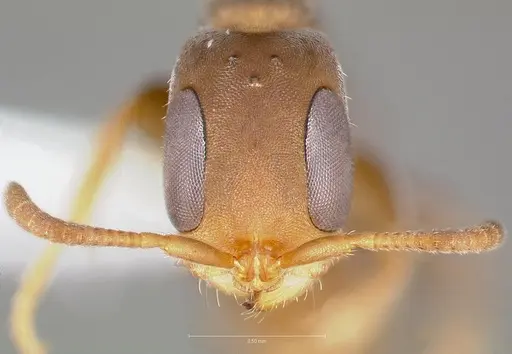
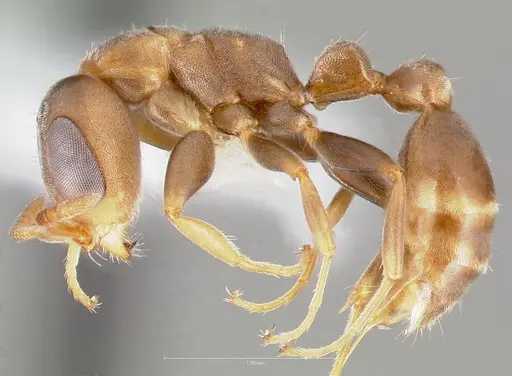
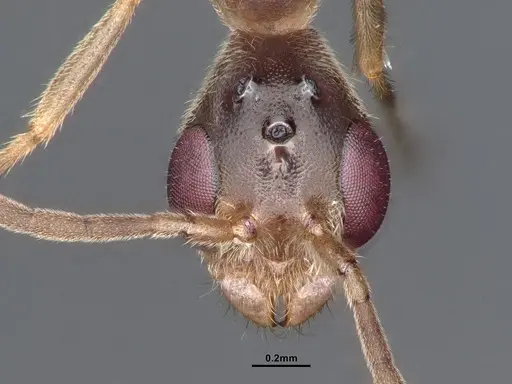
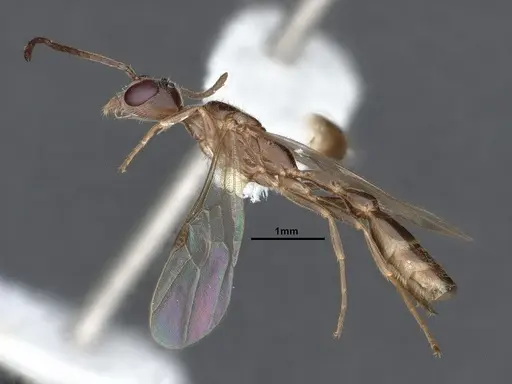
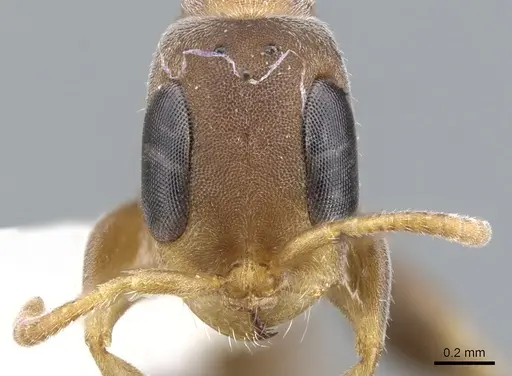
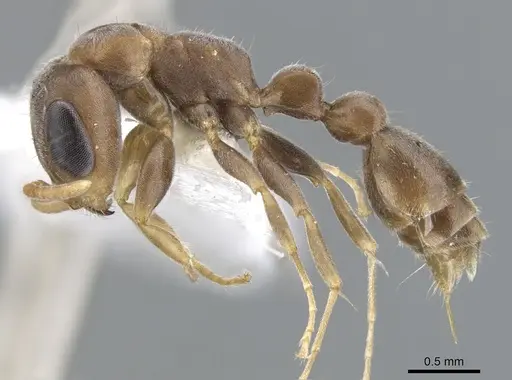
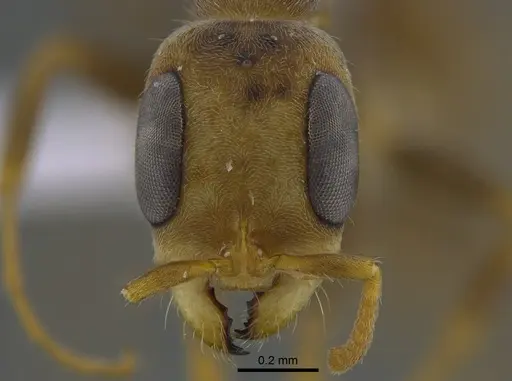
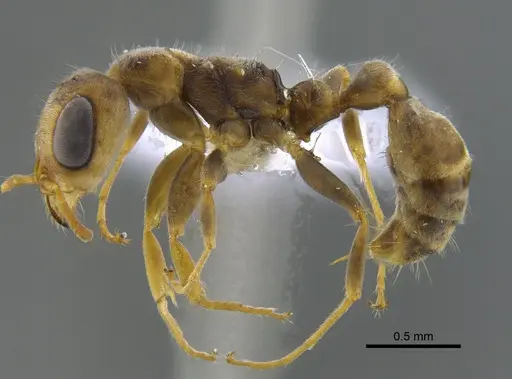
Pseudomyrmex alustratus is a slender ant from the Pseudomyrmecinae subfamily, known only from Ecuador and Peru . Workers have notably large, elongate eyes and a densely punctate, opaque head. The body is medium brown with lighter-colored antennae and legs . This species is closely related to Pseudomyrmex elongatus but is larger . Very little is known about its biology, specimens have been collected foraging on Ochroma (balsa) trees, but nesting habits and colony structure remain unstudied . It is a rarely encountered species, making it a challenge for antkeepers who prefer well-documented species.
Quick Summary
- Difficulty: Expert
- Origin & Habitat: Neotropical region, Ecuador and Peru. Specimens collected in tropical areas foraging on Ochroma plants, suggesting an arboreal or plant-associated lifestyle. Type locality: Junín Province, Peru, Chanchamayo region [1][2].
- Colony Type: Colony structure is unconfirmed. Based on genus patterns, single-queen (monogyne) colonies are likely, but this has not been directly studied [1].
- Size & Growth:
- Queen: Size data unavailable, total length not recorded [1].
- Worker: Size data unavailable, total length not recorded, head width (not body length) is given in the original description [1].
- Colony: Unknown, no colony size data exists [1].
- Growth: Unknown, no development data exists for this species.
- Development: Unknown, no published data on egg-to-worker development exists for this species [1]. (No direct development data exists. All estimates would be speculative.)
- Antkeeping:
- Temperature: Based on its tropical origin, maintain warm conditions, roughly 24-28°C. Use a heating cable on one side of the nest to create a gentle gradient. Avoid temperatures below 22°C or above 30°C.
- Humidity: Moderate to high humidity, keep the nest substrate consistently moist but not waterlogged. Based on tropical habitat, aim for damp conditions without standing water.
- Diapause: Unknown, as a tropical species from Ecuador and Peru, it likely does not require a diapause period. Maintain warm temperatures year-round.
- Nesting: Unknown, the only observation suggests foraging on Ochroma trees, indicating arboreal habits. In captivity, a test tube setup with small chambers or a small Y-tong nest with narrow passages may work. Escape prevention is critical due to small size.
- Behavior: Essentially unstudied. Based on genus patterns, Pseudomyrmex ants are active foragers with good vision and are predatory, possibly tending aphids. Their small size means they can escape through tiny gaps. Aggression levels are unknown but likely moderate. Handle with care to avoid accidental loss.
- Common Issues: escape prevention is critical due to very small size, use fine mesh and tight-fitting connections., virtually no biological data exists, keepers must accept uncertainty in care requirements., tropical species may be sensitive to temperature drops, keep consistently warm., colony growth and development are completely unpredictable., feeding preferences are unknown, may require live prey similar to other Pseudomyrmex species.
Species Overview and Identification
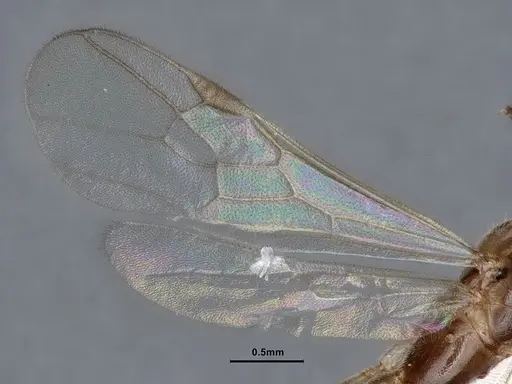
Pseudomyrmex alustratus was described by Ward in 1989 based on workers and a queen from Peru [1]. It belongs to the Pseudomyrmecinae subfamily, characterized by slender bodies and large, elongate eyes. The head is densely punctate and opaque, the petiole is relatively short and high with a rounded shape, and the body is medium brown with lighter antennae and legs [1]. It can be distinguished from the similar Pseudomyrmex elongatus by its larger size and more sculptured head [1]. Only a few specimens have ever been collected, from Ecuador and Peru [2]. The holotype was lost in transit, but paratypes are housed at MZSP [3].
Natural History and Distribution
This species is known from a handful of specimens collected in Ecuador and Peru, with the type locality in Junín, Peru (Chanchamayo region) [1]. Two workers were observed foraging on Ochroma (balsa) trees, suggesting an arboreal or plant-associated lifestyle [1]. No further biological data exists, nesting habits, colony size, queen behavior, and ecological requirements are completely unknown. The lack of information makes it a frontier species for antkeeping [1][2].
Housing and Nest Setup
Given the limited natural history data, housing recommendations are based on genus-level inference. Pseudomyrmex ants are slender and often nest in plant cavities or small spaces. A test tube setup with a small water reservoir may work for small colonies. Chambers should be scaled to the ant's tiny size, narrow passages and small chambers help them feel secure. Escape prevention must be excellent: use fine mesh on any ventilation holes and ensure all connections are tight. A small Y-tong or acrylic formicarium can be used once the colony grows, but keep connections snug.
Feeding and Diet
Feeding preferences are unstudied. Based on genus patterns, Pseudomyrmex alustratus likely accepts small live prey such as fruit flies, pinhead crickets, or other tiny insects. It may also consume honeydew or sugar water. Start with offering small live prey and observe acceptance. Remove uneaten prey after 24-48 hours to prevent mold. Do not overfeed, as small colonies are easily contaminated.
Temperature and Humidity
As a tropical species from Ecuador and Peru, maintain warm conditions: 24-28°C. Use a heating cable on one side of the nest to create a gentle gradient. Avoid temperatures below 22°C or above 30°C. For humidity, keep the nest substrate consistently moist but not waterlogged, aim for damp conditions typical of tropical forests. Monitor condensation to gauge humidity levels.
Challenges and Considerations
Keeping this species is challenging due to the complete lack of biological data. There is no published information on colony development, founding behavior, or specific care needs. This species is only suitable for experienced antkeepers who are comfortable adapting to unknown requirements and documenting their observations. Be prepared for slow or unpredictable colony growth, and do not be discouraged if the colony does not thrive. Sharing observations can advance knowledge of this rarely kept species [1].
Frequently Asked Questions
How long does it take for Pseudomyrmex alustratus to produce first workers?
The egg-to-worker development time is completely unknown for this species. No published data exists. Be prepared for uncertainty, avoid relying on estimates [1].
What do Pseudomyrmex alustratus ants eat?
Feeding preferences are unstudied. Based on genus patterns, they likely accept small live prey such as fruit flies, pinhead crickets, or other tiny insects. They may also consume honeydew or sugar water. Start with offering small live prey and sugar water, and observe acceptance.
Can I keep multiple queens together?
Colony structure is unconfirmed. There is no data on whether they are monogyne (single-queen) or polygyne (multi-queen). Based on typical Pseudomyrmex patterns, single-queen colonies are more likely, but this is not proven. Do not attempt combining unrelated queens without specific knowledge.
Do Pseudomyrmex alustratus ants sting?
Stinging behavior has not been documented for this species. As a member of the Pseudomyrmecinae subfamily, it possesses a sting, but the sting's effect on humans is unknown. Given its small size, any sting would likely be imperceptible. Handle with care to avoid harming the ants.
How big do Pseudomyrmex alustratus colonies get?
Maximum colony size is completely unknown. No published data exists. Given the lack of information, assume colonies remain small compared to commonly kept species [1].
What temperature do Pseudomyrmex alustratus need?
Based on its tropical origin, keep them warm at 24-28°C. Use a heating cable on one side of the nest to create a gentle gradient, and avoid temperatures below 22°C or above 30°C.
Do they need hibernation or diapause?
Diapause requirements are unknown. As a tropical species from Ecuador and Peru, they likely do not require a winter rest period. Maintain warm temperatures year-round rather than attempting hibernation.
Is this species good for beginners?
No. This species is not recommended for beginners. There is virtually no biological or care data available, making it extremely challenging to keep successfully. Only experienced antkeepers who are comfortable with uncertainty should attempt this species [1].
Why are my Pseudomyrmex alustratus dying?
Without established care parameters, colony failure is likely. Potential issues include incorrect temperature (too cold), incorrect humidity (too dry or too wet), inadequate food acceptance, or stress from handling. Document your conditions carefully and experiment. The species may simply not thrive in captivity given our lack of knowledge.
When should I move them to a formicarium?
There is no established guidance for this species. In general, wait until the colony has established with a healthy first brood and has at least several workers before considering a move. Any formicarium must have very small chambers and excellent escape prevention. A test tube setup is likely sufficient for small colonies.
Report an Issue
The current care sheet is based fully on literature. See inconsistencies, or something that's incorrect? Please , it will be resolved after review from an admin. Contributing to the blogs tab also helps providing information, to make us be able to further improve the caresheets. Thank you for your support!
References

This caresheet is licensed under CC BY-SA 4.0 .
Community Blogs
CASENT0005868
View on AntWeb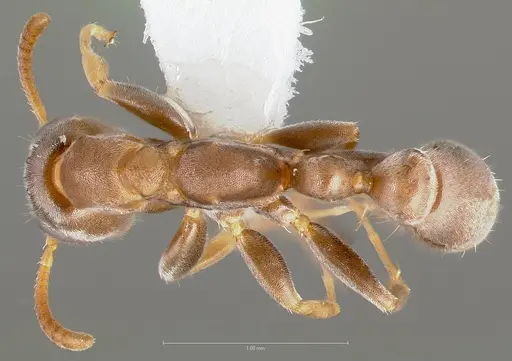
CASENT0884194
View on AntWeb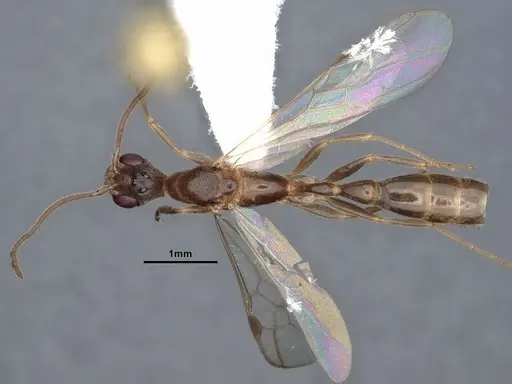
CASENT0902917
View on AntWeb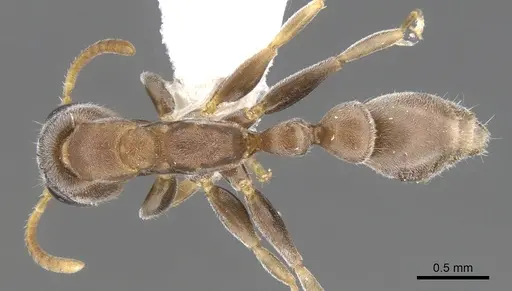
CBUMAGENT41810
View on AntWeb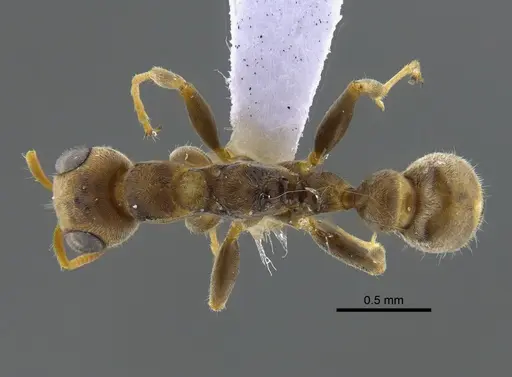
Literature
Loading distribution map...Loading products...