
Pseudomyrmex alternans
- Sci. Name
- Pseudomyrmex alternans
- Tribe
- Pseudomyrmecini
- Subfamily
- Pseudomyrmecinae
- Author
- Santschi, 1936
- Distribution
- Found in 0 countries
Introduction
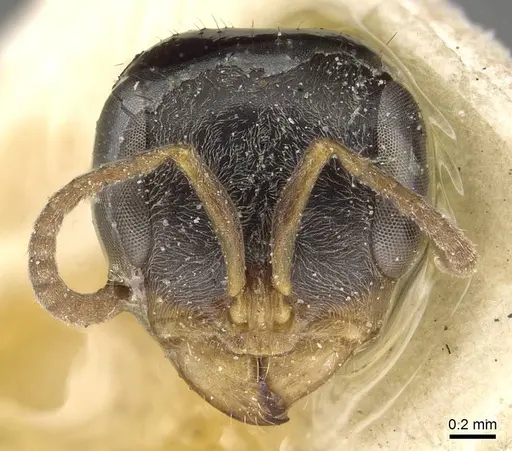
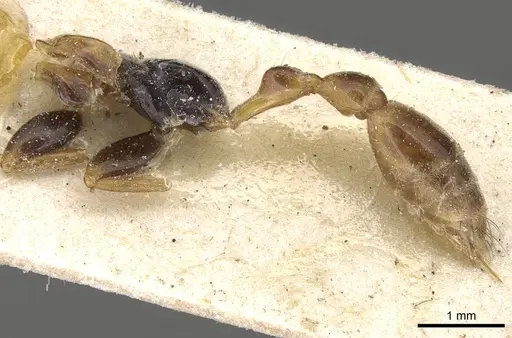
Pseudomyrmex alternans is a slender, elongated ant from French Guiana, known only from the original worker description and AntWiki images. It belongs to the arboreal Pseudomyrmecinae subfamily - workers have a long, narrow body and a well-developed sting used for defense. The full body size, colony structure, and most biology are undocumented. This species inhabits Neotropical rainforests and likely nests in hollow twigs or dead branches, as is typical for the genus.
Quick Summary
- Difficulty: Unknown, likely not for beginners due to poor documentation and specialized arboreal needs
- Origin & Habitat: French Guiana, Neotropical region. Tropical rainforest, likely arboreal in dead wood and tree cavities [2].
- Colony Type: Unknown. Most Pseudomyrmex are monogyne (single queen per colony), but this is unconfirmed for P. alternans.
- Size & Growth:
- Queen: Size data unavailable.
- Worker: Size data unavailable.
- Colony: Unknown. Pseudomyrmex colonies typically reach up to several hundred workers.
- Growth: Unknown, likely moderate based on genus patterns.
- Development: Unconfirmed, genus typical is 6-10 weeks at tropical temperatures. (No specific development data exists for this species.)
- Antkeeping:
- Temperature: Keep warm, around 24-28°C. As a tropical species from French Guiana, it requires stable year-round warmth.
- Humidity: High ambient humidity (70-80%) is ideal, but the nest substrate should be damp rather than saturated, these ants nest in wood that dries between rain events.
- Diapause: No, this tropical species does not hibernate. Maintain consistent temperatures year-round.
- Nesting: Arboreal nesting setup: hollow bamboo, vertical acrylic tubes, or narrow chambers that mimic twig cavities. Avoid soil-based formicariums.
- Behavior: Alert, fast-moving foragers. Most Pseudomyrmex have a stinging defensive response, treat with caution. Excellent climbers, use fluon or other barriers to prevent escape. Likely predatory, hunting small arthropods individually rather than in trails.
- Common Issues: limited documentation makes specific care uncertain, requires specialized arboreal housing, standard soil nests are unsuitable, tropical temperature requirements, cannot tolerate prolonged cool conditions, predatory diet demands live prey, not just sugar sources
Nest Preferences and Housing
Pseudomyrmex alternans is an arboreal species that likely nests in hollow twigs, dead branches, or tree cavities in the rainforest canopy. In captivity, provide nesting options that mimic these conditions: bamboo sections, hollow acrylic tubes, or custom nests with narrow vertical chambers. Position the nest vertically or at an angle. Avoid standard soil-based formicariums, these ants are adapted to nesting in wood, not moist soil chambers. Ensure all connections are secure, these ants are excellent climbers and will escape through tiny gaps.
Feeding and Diet
Like other Pseudomyrmex, P. alternans is likely predatory. Feed small live prey such as fruit flies, small crickets, or mealworms. Protein-rich foods are essential for brood development. Sugar water or honey may be accepted as supplements but should not be the primary food. Remove uneaten prey after 24-48 hours to prevent mold.
Temperature and Humidity
As a tropical species from French Guiana, P. alternans requires warm, stable conditions. Maintain temperatures between 24-28°C year-round, avoid prolonged exposure below 22°C. In cooler climates, use a small heating cable or mat on one side of the nest. Ambient humidity should be high (70-80%) to mimic rainforest conditions, but the nest itself should be damp rather than saturated, these ants nest in wood that dries between rain events.
Behavior and Temperament
Pseudomyrmex species are known for active, alert foraging and have a well-developed sting for defense. While the exact sting potency of P. alternans is undocumented, treat all Pseudomyrmex as capable of stinging. Workers are fast-moving, forage individually, and defend their nest vigorously. They are excellent climbers, use fluon or other barrier methods on all escape routes. Minimize disturbance during the founding stage.
Frequently Asked Questions
How do I house Pseudomyrmex alternans?
Use an arboreal setup with hollow bamboo, vertical acrylic tubes, or narrow chambers. Avoid soil-based formicariums. These ants naturally nest in twigs and tree cavities, not in ground nests.
What do Pseudomyrmex alternans eat?
Feed small live prey: fruit flies, small crickets, mealworms. They are predatory and need protein-rich food. Sugar water or honey may be accepted as supplements but should not be the primary source.
What temperature do they need?
Keep at 24-28°C year-round. As a tropical species from French Guiana, they cannot tolerate cool temperatures and do not need hibernation.
Do Pseudomyrmex alternans sting?
While not documented for this species, Pseudomyrmex ants are known to sting. Treat them as potentially capable and handle with care.
How long from egg to worker?
The exact time is unknown. Based on related Pseudomyrmex species, expect roughly 6-10 weeks at tropical temperatures.
Are Pseudomyrmex alternans good for beginners?
No, this species is poorly documented, requires specialized arboreal housing, and its care needs are not fully understood. More common species with established care guides are better for new antkeepers.
How big do colonies get?
Colony size is undocumented. Based on genus patterns, likely up to several hundred workers at maximum.
Do they need hibernation?
No, this is a tropical species that does not hibernate. Keep temperatures consistent year-round without seasonal cooling.
Can I keep multiple queens together?
The colony structure is unconfirmed. Most Pseudomyrmex species are monogyne (single queen), but polygyny occurs in some genus members. Do not combine unrelated queens without documented evidence that this species tolerates multi-queen arrangements.
Why is my colony declining?
Common causes include temperatures below 22°C, unsuitable humidity (too high or too low), insufficient protein in diet, or disturbance during founding. Check that all parameters match tropical arboreal conditions.
Report an Issue
The current care sheet is based fully on literature. See inconsistencies, or something that's incorrect? Please , it will be resolved after review from an admin. Contributing to the blogs tab also helps providing information, to make us be able to further improve the caresheets. Thank you for your support!
References

This caresheet is licensed under CC BY-SA 4.0 .
Community Blogs
CASENT0915324
View on AntWeb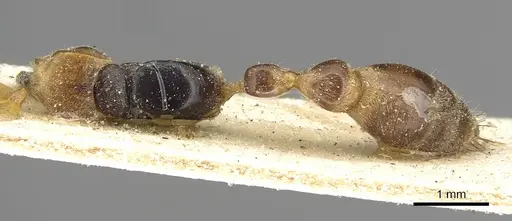
Literature
Loading distribution map...Loading products...