
Pseudomyrmex acanthobius
- Sci. Name
- Pseudomyrmex acanthobius
- Tribe
- Pseudomyrmecini
- Subfamily
- Pseudomyrmecinae
- Author
- Emery, 1896
- Distribution
- Found in 5 countries
Introduction
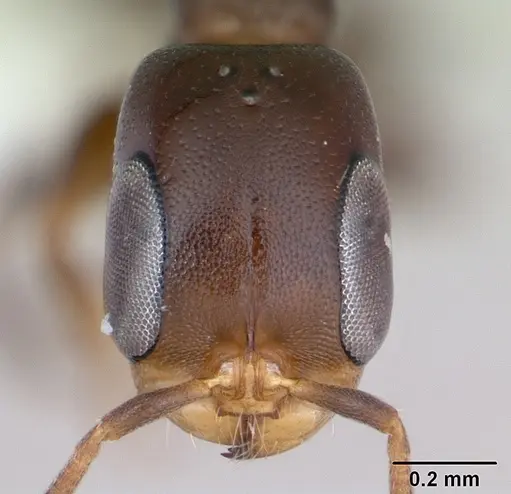
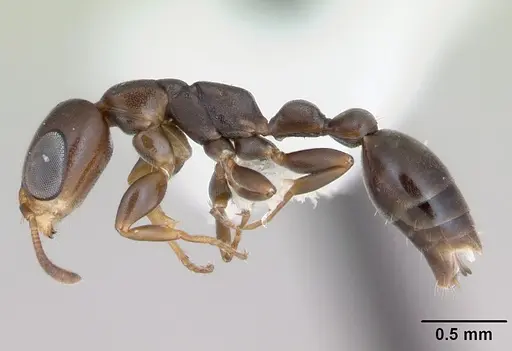
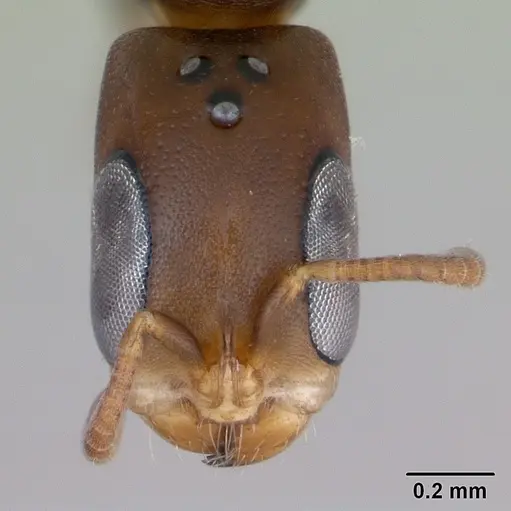
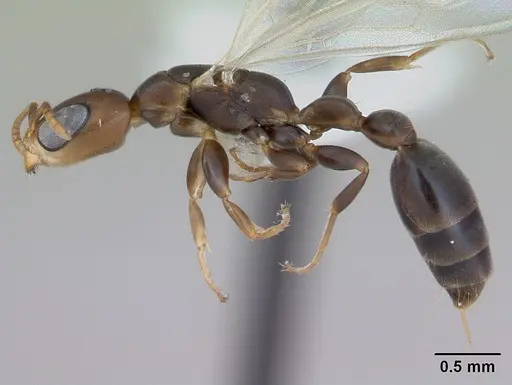
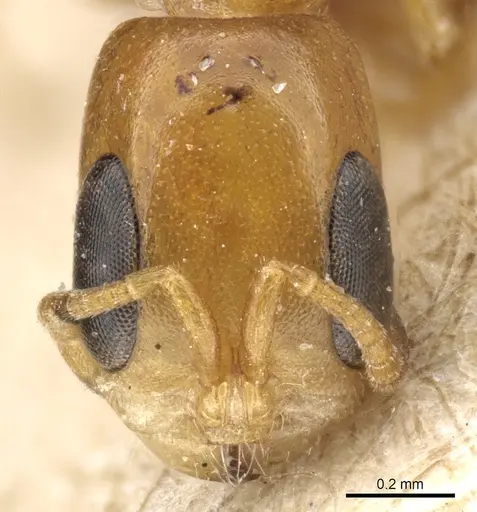
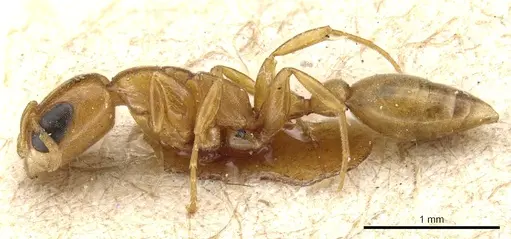
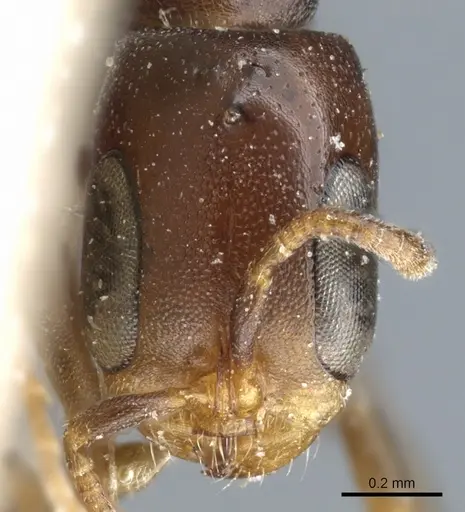
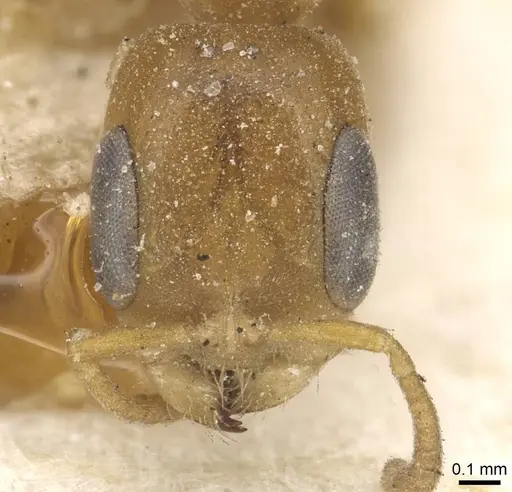
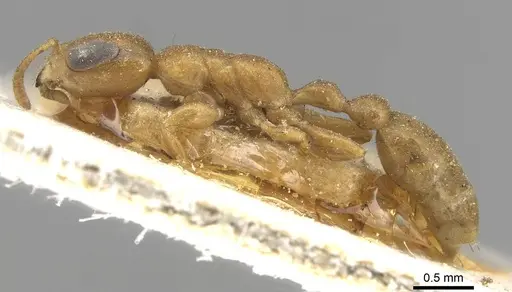
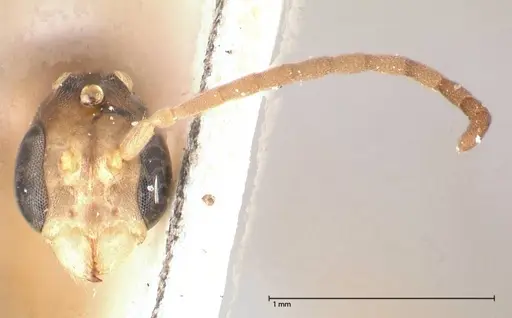
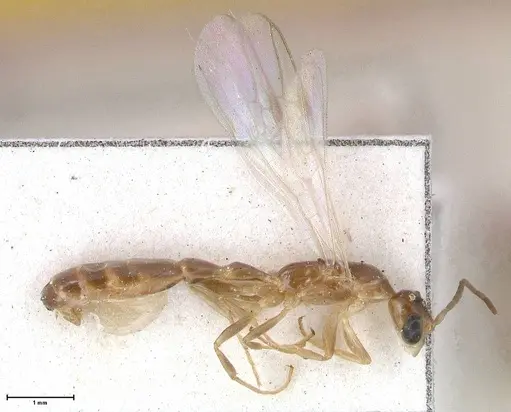
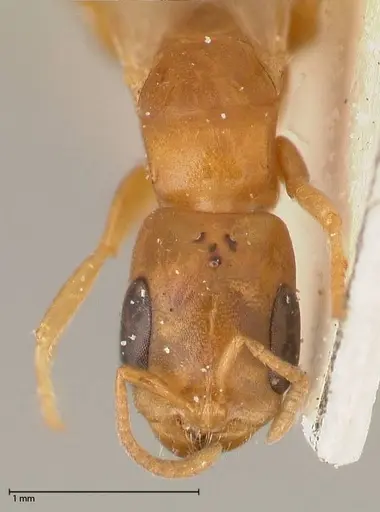
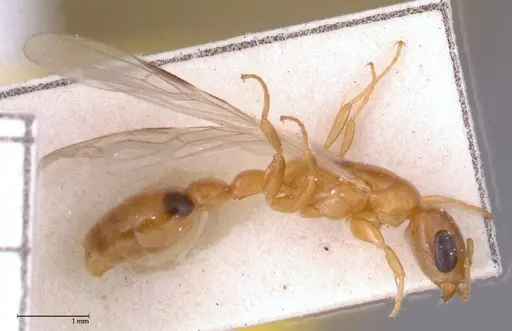
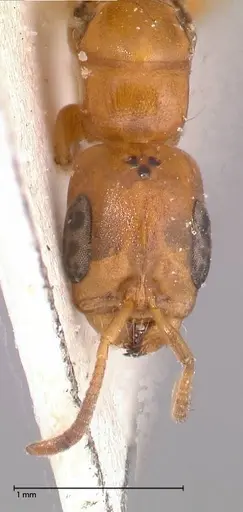
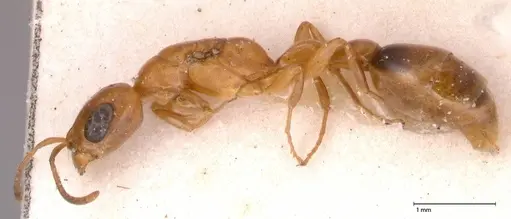
Pseudomyrmex acanthobius is a slender, elongated ant belonging to the subfamily Pseudomyrmecinae. Workers are approximately 4-5mm long - typical for the genus - with a distinctive long, narrow body. The species is native to the Neotropical region, found across Argentina, Bolivia, Brazil, and Paraguay . These ants are arboreal: they nest in hollow twigs and branches of trees like Vachellia caven (aromita) in the Chaco region . Unlike ground-dwelling ants, this species primarily forages in the canopy and visits extrafloral nectaries for sugar . These ants are classified as 'agile pseudomyrmecines' - generalist predators that actively hunt small invertebrates in vegetation and have a mutualistic relationship with plants by visiting extrafloral nectaries . They are considered Tropical Climate Specialists, preferring warm, humid conditions . Their very low abundance in ground surveys confirms they are predominantly arboreal . As a member of the Pseudomyrmecinae subfamily, they possess a well-developed sting used for defense.
Quick Summary
- Difficulty: Medium
- Origin & Habitat: Neotropical region, Argentina, Bolivia, Brazil, and Paraguay. Found in diverse habitats including veredas (Brazilian wetlands), Chaco woodland, and Caatinga (dry thorn forest). These are arboreal ants that nest in tree hollows, particularly in Vachellia caven (aromita) trees [2][3].
- Colony Type: Colony structure is not well documented in research. Based on genus patterns, Pseudomyrmex species typically have single-queen (monogyne) colonies, but this specific species' founding behavior is unconfirmed.
- Size & Growth:
- Queen: Size data unavailable. Based on typical Pseudomyrmex queen sizes, likely larger than workers, but no species-specific measurement exists.
- Worker: Approximately 4-5mm, typical for the genus [1]
- Colony: Up to 500 workers (estimated from genus patterns)
- Growth: Moderate
- Development: Estimated 6-8 weeks at tropical temperatures (25-28°C) based on related Pseudomyrmex species, no specific study for this species (Development time is estimated. Tropical species typically develop faster than temperate ones.)
- Antkeeping:
- Temperature: Keep at warm tropical temperatures, around 24-28°C. As a Tropical Climate Specialist from South America, they need stable warmth year-round. Use a small heating cable on one side of the nest to create a gentle gradient [3][4].
- Humidity: Keep the nest substrate slightly moist but ensure good ventilation. Their arboreal nature means they tolerate some drying, but avoid complete dryness. A moisture gradient in the nest (one moist chamber, one dry) works well.
- Diapause: No, as a tropical species, they do not require hibernation. Keep them at stable warm temperatures year-round [3].
- Nesting: Arboreal setup is essential. In nature they nest in hollow twigs and branches. In captivity, use a Y-tong (AAC), plaster, or 3D-printed nest with narrow chambers, placed above the outworld. Provide climbing branches, cork bark, or natural twigs reaching up to the nest. Avoid deep soil nests [2][3].
- Behavior: These ants are active foragers that hunt small prey in vegetation. They are generalist predators and also visit extrafloral nectaries for sugar [3]. Workers are agile and fast, typical of the 'agile pseudomyrmecine' guild. They are not particularly aggressive toward keepers but will defend their nest. As a member of the Pseudomyrmecinae subfamily, they have a well-developed sting. Escape risk is moderate, they are small but fast. Ensure tight sealing of the enclosure.
- Common Issues: arboreal nature means standard test tube setups often fail, they need climbing structures and above-ground nesting, very low capture rate in studies suggests they are sensitive to disturbance and may be difficult to establish in captivity, tropical temperature requirements mean they cannot tolerate cool temperatures, keep warm year-round, predatory diet means they need regular protein (live small insects), sugar alone is insufficient, captive colonies may be difficult to source as they are not commonly kept in the hobby
Natural History and Distribution
Pseudomyrmex acanthobius is found across the Neotropical region, including Argentina (Corrientes and Misiones provinces), Bolivia, Brazil, and Paraguay [1][4]. This species inhabits diverse environments from Brazilian veredas (wetlands) to the dry Chaco woodland and Caatinga thorn forest [6][5]. The key to their distribution is the presence of suitable nesting trees, they are obligate arboreal nesters, found nesting specifically in Vachellia caven (aromita) trees in the Chaco Brasileiro [2].
Studies classify these ants as Tropical Climate Specialists (TCS), indicating a preference for warm, humid conditions [4]. Their very low abundance in ground pitfall traps (only 1-7 individuals across multiple studies) confirms they are predominantly arboreal [5][3]. Seasonal patterns are unclear: one study from Caatinga captured them exclusively in the dry season [3], while another found a few individuals in both dry and rainy seasons [5]. This suggests they may adjust activity to local conditions.
Nest Preferences and Housing
This is an arboreal species that requires above-ground nesting structures. In nature, they nest in hollow twigs and branches of trees, particularly Vachellia caven [2]. For captive care, replicate this with a naturalistic setup featuring twigs, branches, or cork bark arranged vertically. A Y-tong (AAC), plaster, or 3D-printed nest with narrow chambers can work, but you must provide climbing branches reaching the nest entrance. Avoid deep soil formicariums, these ants will not use them. Position the nest above the foraging area, allowing workers to travel up and down between nest and food sources. Include live or artificial plant material for them to explore.
Feeding and Diet
Pseudomyrmex acanthobius is a generalist predator that actively hunts small invertebrates in vegetation [3]. In captivity, offer small live prey such as fruit flies, pinhead crickets, small mealworms, and other tiny insects. Feed protein 2-3 times per week, removing uneaten prey after 24 hours. They also visit extrafloral nectaries in the wild, so provide sugar sources like sugar water, honey, or diluted honey in a shallow container with a cotton wick to prevent drowning. A balanced diet of live protein plus sugar water works best for maintaining healthy colonies.
Temperature and Seasonal Care
As a tropical species from northern Argentina, Bolivia, Brazil, and Paraguay, Pseudomyrmex acanthobius requires warm temperatures year-round. Maintain nest temperatures between 24-28°C [3][4]. Room temperature may be sufficient if your home stays in this range, otherwise use a small heating cable on one side of the nest to create a gentle gradient. Unlike temperate species, these ants do not require hibernation or winter cooling. Keep them at stable warm temperatures throughout the year. Sudden temperature drops can stress or kill colonies. Monitor with a thermometer near the nest. The species has been found in both wet and dry seasons across its range, suggesting they can handle some humidity variation but prefer consistent warmth [5][3].
Behavior and Temperament
These ants belong to the 'agile pseudomyrmecine' guild, active, quick-moving foragers that hunt prey in vegetation [3]. Workers are slender and fast, moving quickly across branches and leaves. As a member of the subfamily Pseudomyrmecinae, they have a well-developed sting used for defense. They are not typically aggressive toward humans but will defend their nest if threatened. Their arboreal lifestyle means they spend considerable time climbing, provide vertical space and climbing materials in the enclosure. Workers will venture out to forage and return to the nest. They are primarily active during warmer hours but may show peak activity at different times depending on your specific conditions. Observe your colony to determine their peak activity periods for feeding.
Frequently Asked Questions
Can I keep Pseudomyrmex acanthobius in a test tube?
Standard test tubes are not ideal for this species. They are arboreal ants that naturally nest in hollow twigs and branches. Use a naturalistic setup with vertical climbing structures, or a Y-tong or plaster nest with branches leading to the entrance. They need above-ground nesting space, not underground test tubes [2][3].
How long does it take for Pseudomyrmex acanthobius to produce first workers?
Estimated 6-8 weeks from egg to worker at tropical temperatures (25-28°C). This is based on related Pseudomyrmex species development patterns, as no specific study exists for this species. Development may vary depending on exact temperature and feeding.
What do Pseudomyrmex acanthobius ants eat?
They are generalist predators that need live small insects (fruit flies, pinhead crickets, small mealworms) as their primary food. They also visit extrafloral nectaries in the wild [3], so offer sugar water, honey, or diluted honey as a constant sugar source. Feed protein 2-3 times per week.
Do Pseudomyrmex acanthobius ants sting?
Yes, as a member of the subfamily Pseudomyrmecinae they have a well-developed sting. However, their stinger is small and may not penetrate human skin easily. They are not considered dangerous to humans but will defend their nest if threatened [1].
Are Pseudomyrmex acanthobius good for beginners?
This species is rated as Medium difficulty. They require arboreal-style housing (not standard test tubes), warm tropical temperatures year-round, and a diet of live prey. They are not commonly available in the antkeeping hobby. If you can provide the proper arboreal setup and warm conditions, they can be rewarding, but they are not ideal for first-time antkeepers [3].
Do Pseudomyrmex acanthobius need hibernation?
No. As a tropical species from Argentina, Bolivia, Brazil, and Paraguay, they do not require hibernation. Keep them at warm temperatures (24-28°C) year-round. They are classified as Tropical Climate Specialists and cannot tolerate cool temperatures [3][4].
Why are my Pseudomyrmex acanthobius dying?
Common causes include: temperature too cool (must be 24-28°C), wrong nest type (they need arboreal/vertical setups, not horizontal test tubes), insufficient protein in diet, or stress from disturbance. These ants are sensitive and have very low capture rates even in their native habitat, suggesting they are difficult to establish in captivity. Ensure proper housing and stable conditions [5][3].
Can I keep multiple Pseudomyrmex acanthobius queens together?
The colony structure of this specific species is not documented. Based on genus patterns, Pseudomyrmex species are typically single-queen (monogyne) colonies. Do not combine unrelated queens, pleometrosis (multiple queen founding) has not been documented for this species and could result in fighting.
When should I move Pseudomyrmex acanthobius to a formicarium?
Move them when the colony outgrows the current setup, typically when you see the nest is crowded and workers are actively foraging for more space. Standard formicariums for ground-nesting ants may not be suitable, consider a naturalistic arboreal setup with branches and twigs rather than a typical horizontal nest. They need vertical climbing space [2][3].
How big do Pseudomyrmex acanthobius colonies get?
Colony size is not specifically documented, but Pseudomyrmex colonies are typically smaller than many ground-nesting ants. Based on genus patterns, expect colonies of up to 500 workers. They are not supercolonial and maintain smaller, single-queen colonies.
Report an Issue
The current care sheet is based fully on literature. See inconsistencies, or something that's incorrect? Please , it will be resolved after review from an admin. Contributing to the blogs tab also helps providing information, to make us be able to further improve the caresheets. Thank you for your support!
References

This caresheet is licensed under CC BY-SA 4.0 .
Community Blogs
CASENT0173746
View on AntWeb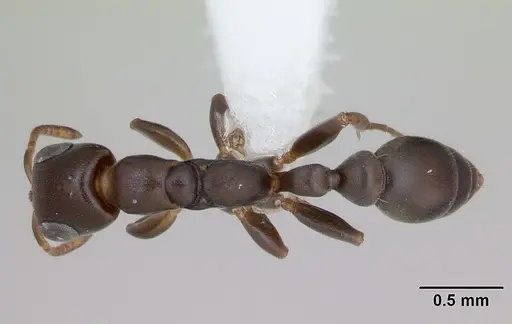
CASENT0173747
View on AntWeb
CASENT0904059
View on AntWeb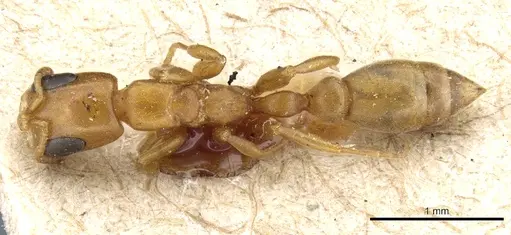
CASENT0904060
View on AntWeb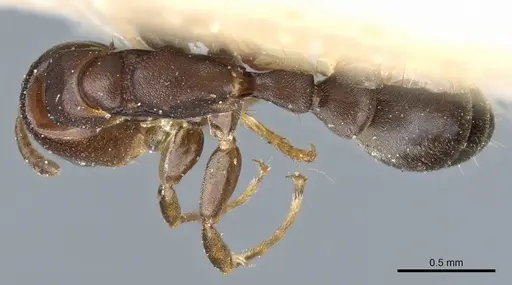
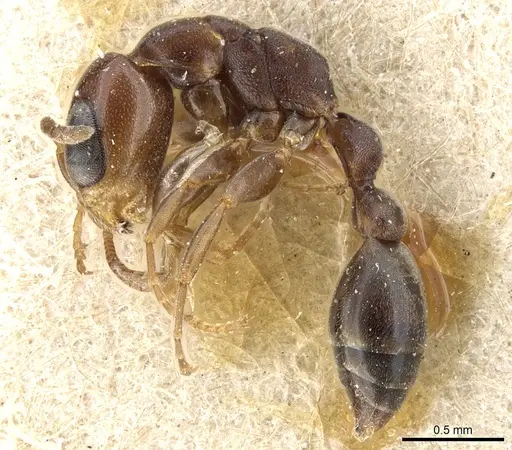
CASENT0915321
View on AntWeb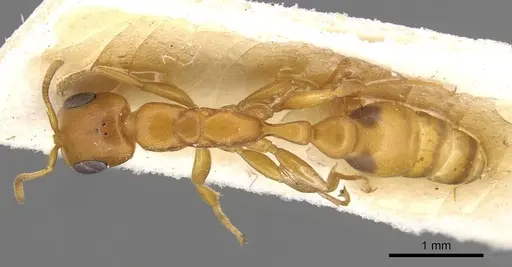
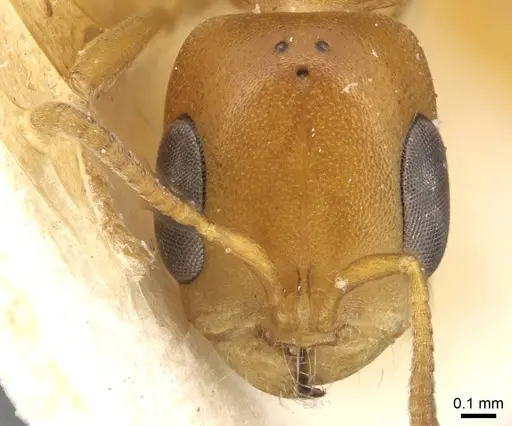
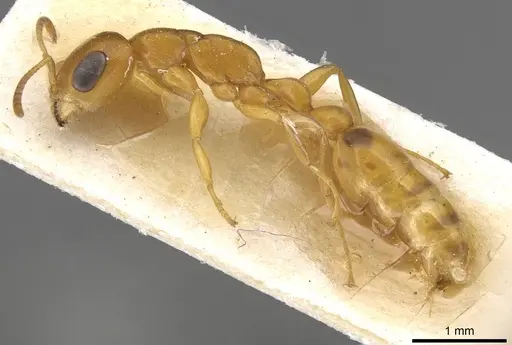
CASENT0915322
View on AntWeb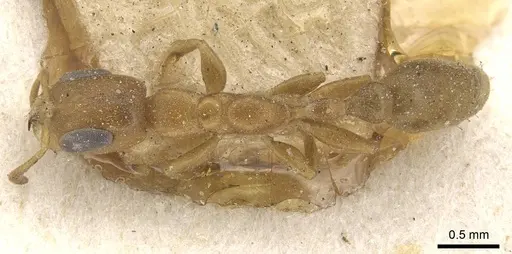
FOCOL0517-1
View on AntWeb
FOCOL0517-2
View on AntWeb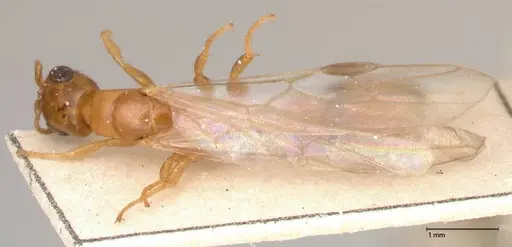
FOCOL0517-3
View on AntWeb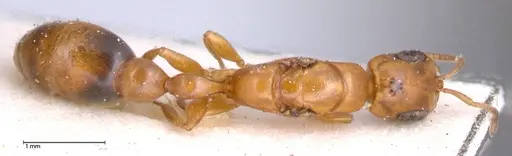
Literature
Loading distribution map...Loading products...