
Pseudolasius ludovici
- Sci. Name
- Pseudolasius ludovici
- Tribe
- Lasiini
- Subfamily
- Formicinae
- Author
- Forel, 1913
- Distribution
- Found in 1 countries
Introduction
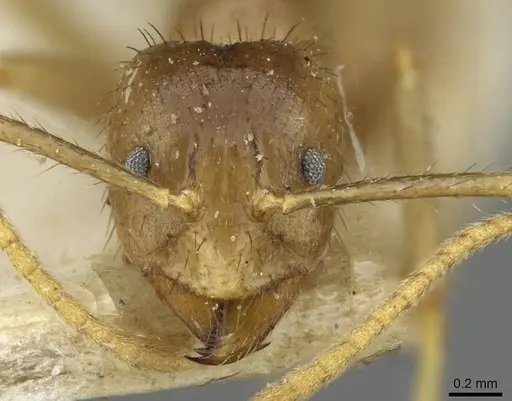
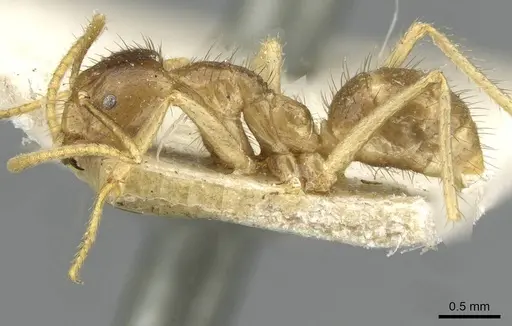
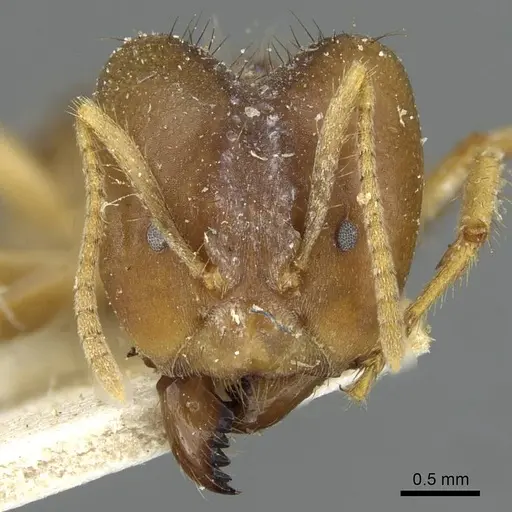
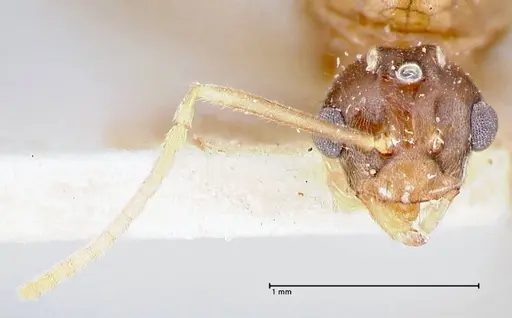
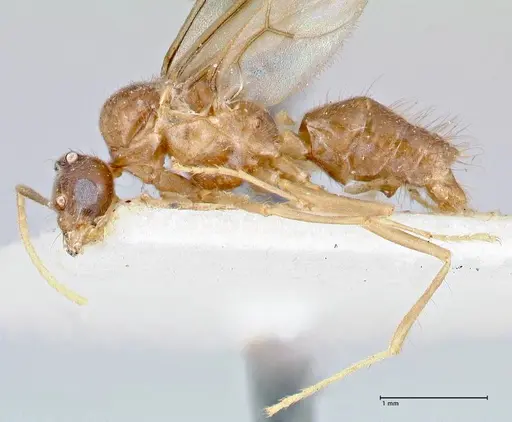
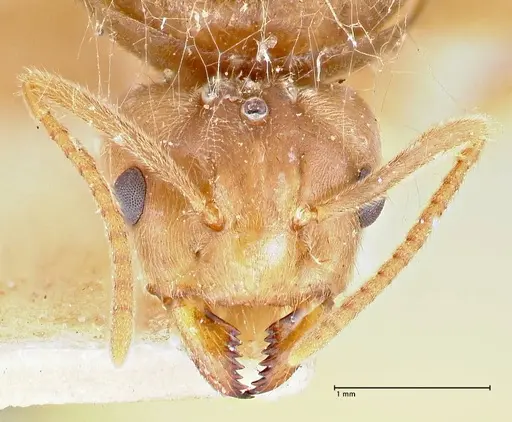
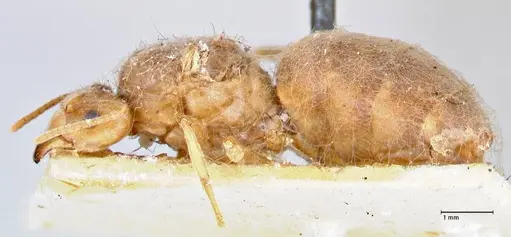
Pseudolasius ludovici is a small ant in the Formicinae subfamily, originally described from Sumatra, Indonesia. It is also known from Singapore . Two subspecies are recognized: P. ludovici malaccanus and P. ludovici papuanus . Historical records mention females caught at light traps . Breeding attempts in the 1920s failed when larvae turned into pupae , suggesting that some requirement for complete development is not yet understood. Almost nothing else is known about its biology in the wild or captivity.
Quick Summary
- Difficulty: Unknown, limited data available
- Origin & Habitat: Indomalaya region, Indonesia (Sumatra) and Singapore. Specific habitat preferences are not documented [1].
- Colony Type: Unknown, no data on colony structure exists.
- Size & Growth:
- Queen: Size data unavailable
- Worker: Size data unavailable
- Colony: Unknown, no colony size data available
- Growth: Unknown
- Development: Unknown, no development timing data exists. Historical attempts failed at the pupal stage [2][3], so timing may be different from typical ants. (Historical breeding attempts failed when larvae turned into pupae [2][3]. The cause is unknown.)
- Antkeeping:
- Temperature: Unknown for this species. Based on tropical origin (Sumatra, Singapore), start around 24-28°C and adjust based on activity. No species-specific thermal data exists.
- Humidity: Unknown. Provide a gradient from moist to dry and let the ants choose. No species-specific data exists.
- Diapause: Unknown. As a tropical species, it likely does not require hibernation, but no data confirms this.
- Nesting: Natural nesting has not been documented. For captivity, use test tubes for founding. For established colonies, consider plaster or Y-tong nests that offer a humid, dark environment. Provide some substrate depth.
- Behavior: Behavior is undocumented. No data on temperament, escape risk, or defense mechanisms exists. Due to unknown size, take standard precautions with barriers if the ants are small.
- Common Issues: Historical breeding failures at the pupal stage, this species may have specific requirements not yet understood., Extremely limited natural history data, all care advice is based on generic tropical ant keeping and may not work., Wild-caught specimens may carry parasites or diseases that cause colony failure.
Nest Preferences
The natural nesting habits of Pseudolasius ludovici are unknown. No observations have been published. For captive colonies, a test tube setup is the best choice for founding, fill the tube with water, plug with cotton, and keep it dark. For larger colonies, you can use plaster or Y-tong nests that allow you to control humidity. Avoid acrylic nests. Provide a depth of substrate if the ants show interest in digging, but this is purely experimental.
Feeding and Diet
The diet of Pseudolasius ludovici is unknown, no feeding studies exist. Offer a variety of foods: sugar water or honey for energy, and small protein sources like fruit flies or pinhead crickets. Remove uneaten food after 24 hours to prevent mold. Because historical breeding attempts failed at the pupal stage [2][3], try to vary the protein source, you may need to experiment to find what works. No supplements have been tested.
Temperature and Care
Temperature needs are unknown. Since this ant comes from tropical Sumatra and Singapore [1], start by keeping the nest at 24-28°C. Create a temperature gradient by heating one side of the nest so the ants can choose. Avoid temperatures below 20°C or above 32°C. There is no data on diapause, a slight seasonal cooling (down to about 20°C) might be safe but is not proven. Keep the nest stable and away from drafts.
Behavior and Temperament
No behavioral observations have been published for Pseudolasius ludovici. The only records show that females are attracted to light traps [2][3]. That suggests nocturnal or crepuscular activity, but this is not confirmed. Their small size (undocumented) may make them good at escaping, so fluon or oil barriers are recommended on the outworld rim. No stinging ability is known for this species, as a Formicinae, it might spray formic acid, but this has not been observed in captivity.
Colony Founding
Colony founding has not been observed. There is no data on whether queens are claustral or semi‑claustral. Historical records mention a female caught at a lamp [2][3], so queens do fly, but nothing else is known. If you obtain a queen, place her in a standard test‑tube setup with water and cotton, keep it dark and warm (24-28°C), and do not disturb her for several weeks. It is not known if she can successfully raise nanitics without feeding.
Growth and Development
No development timeline is known for this species. The only recorded breeding attempts produced larvae that later turned into pupae but then failed [2][3]. This suggests that although eggs and larvae can be produced, the transition to adult workers may require conditions that were not met. Until modern keepers can replicate success, do not expect a reliable growth rate. If you manage to get workers, record everything you do, any information would be valuable.
Frequently Asked Questions
How long does it take for Pseudolasius ludovici to produce first workers?
Unknown. No development data exists. Historical attempts failed at pupation [2][3], so it may take longer than typical ants, or may be impossible under normal conditions. If you succeed, please share your observations.
What do Pseudolasius ludovici ants eat?
Unknown. Offer typical ant foods: sugar water and small insects. No dietary studies have been done. The pupation failure in the 1920s might relate to diet, try a variety of protein sources.
Can I keep Pseudolasius ludovici in a test tube?
Yes, test tubes are a good starting point for a founding queen. Provide a water reservoir and cotton plug, keep it dark and warm. Once workers arrive, you can move them to a larger formicarium. Avoid acrylic nests.
Do Pseudolasius ludovici ants need hibernation?
Unknown. As a tropical species from Sumatra and Singapore [1], they likely do not require hibernation, but no research confirms this. A slight seasonal temperature drop (to around 20°C) might be safe but is not necessary.
Are Pseudolasius ludovici good for beginners?
No. There is almost no care information and historical breeding has failed. Start with a well‑documented species like Lasius niger or Paratrechina longicornis.
How big do Pseudolasius ludovici colonies get?
Unknown. No colony size estimates exist. Based on the complete lack of data, do not expect any particular size.
Can I keep multiple Pseudolasius ludovici queens together?
Unknown. No data on colony structure exists. Assume they are monogyne (single queen) until shown otherwise. Do not combine unrelated queens.
Why did the historical breeding attempts fail?
The 1920s attempts failed when larvae turned into pupae [2][3]. The exact cause is unknown, possible reasons include improper humidity, temperature, diet, or disease. Modern keepers should try to document conditions to solve this puzzle.
What temperature should I keep Pseudolasius ludovici at?
Unknown, but based on tropical origin, start around 24-28°C. Create a gradient. Avoid extremes below 20°C or above 32°C.
Where is Pseudolasius ludovici found in the wild?
They have been recorded from Sumatra (Indonesia) and Singapore [1]. Two subspecies are known: malaccanus from the Malay Peninsula and papuanus from Papua.
Is Pseudolasius ludovici invasive or dangerous?
No evidence of invasiveness. It is native to the Indomalaya region. There are no reports of it being a pest or harmful to humans.
Report an Issue
The current care sheet is based fully on literature. See inconsistencies, or something that's incorrect? Please , it will be resolved after review from an admin. Contributing to the blogs tab also helps providing information, to make us be able to further improve the caresheets. Thank you for your support!
References

This caresheet is licensed under CC BY-SA 4.0 .
Community Blogs
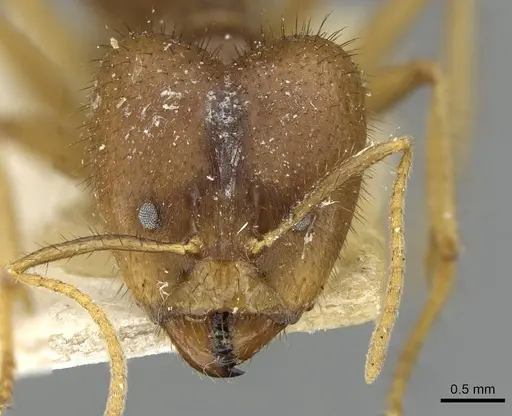
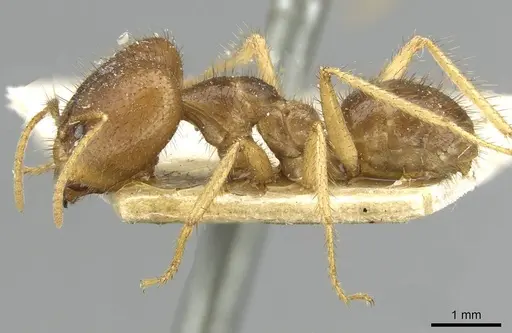
CASENT0910979
View on AntWeb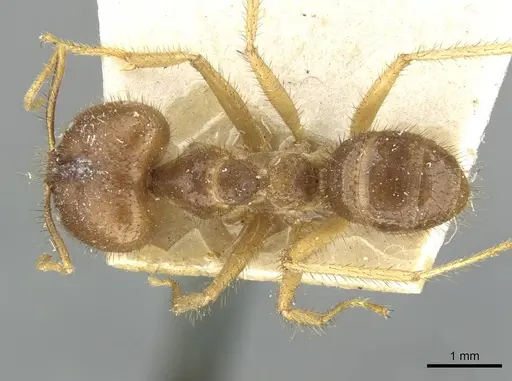
CASENT0910980
View on AntWeb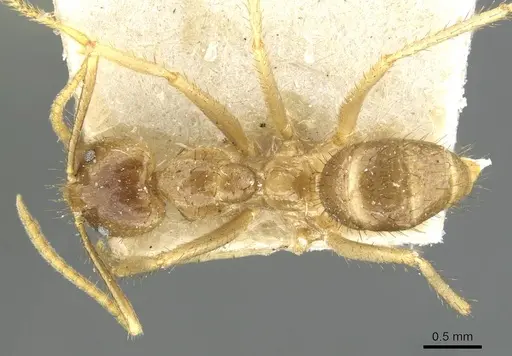
CASENT0910981
View on AntWeb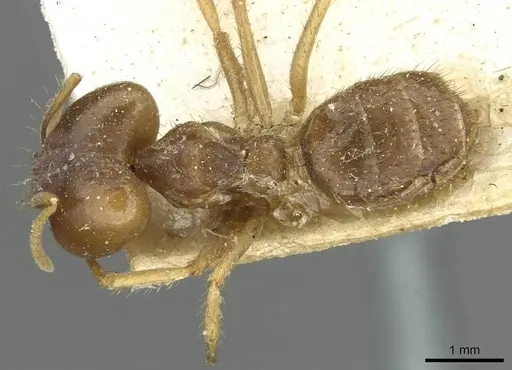
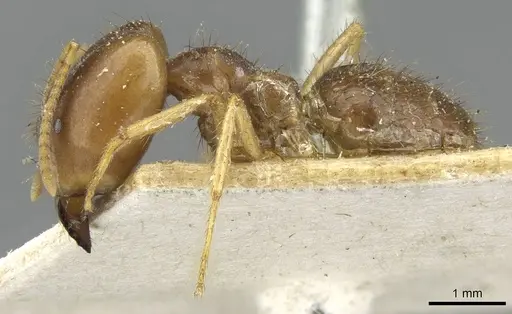
CASENT0910982
View on AntWeb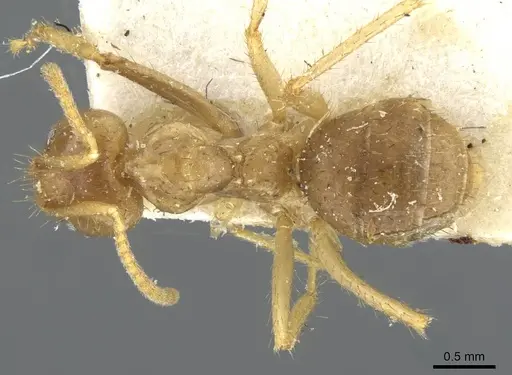
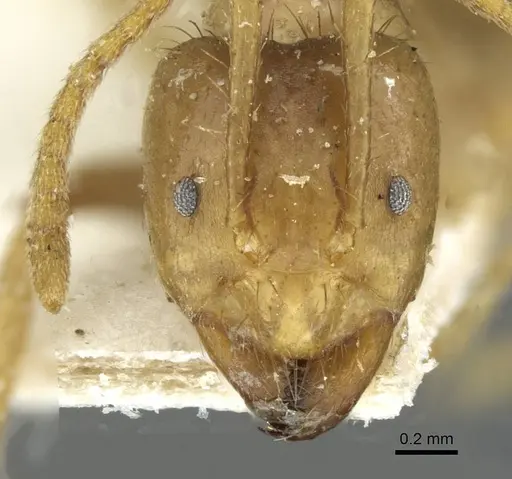
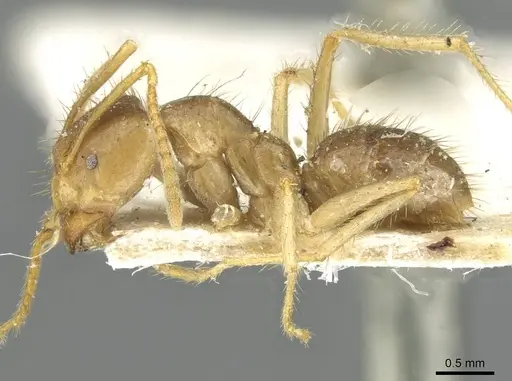
FOCOL2682
View on AntWeb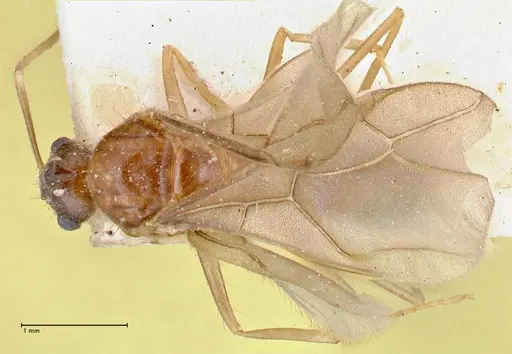
FOCOL2683
View on AntWeb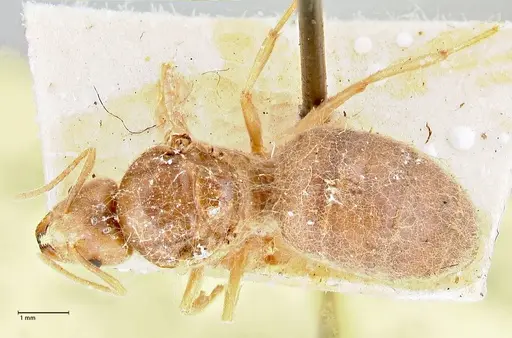
Literature
Loading distribution map...Loading products...