
Pseudolasius binghami
- Sci. Name
- Pseudolasius binghami
- Tribe
- Lasiini
- Subfamily
- Formicinae
- Author
- Emery, 1911
- Distribution
- Found in 1 countries
Introduction
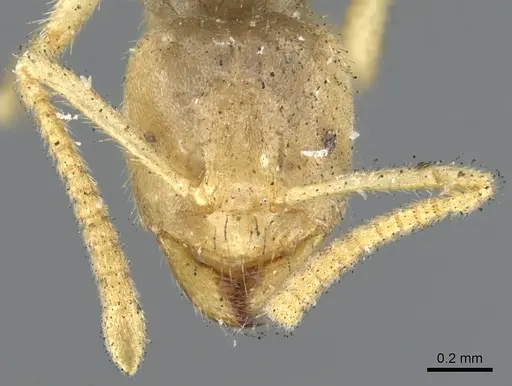
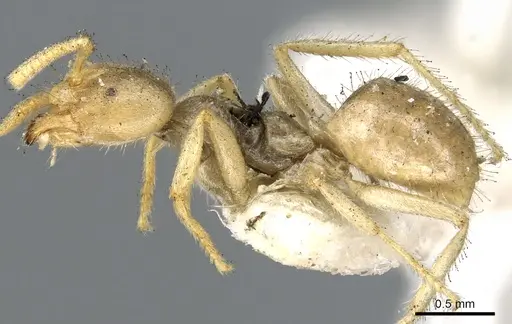
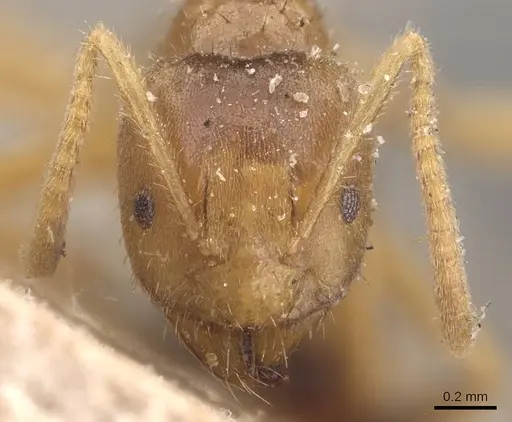
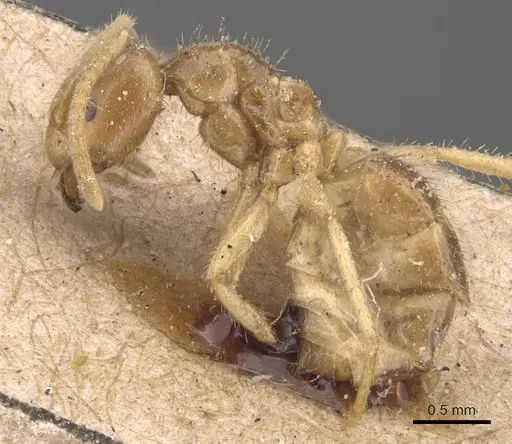
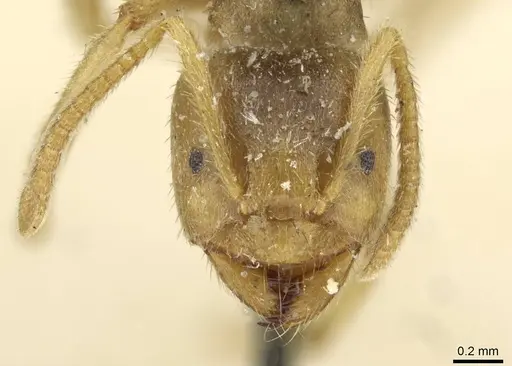
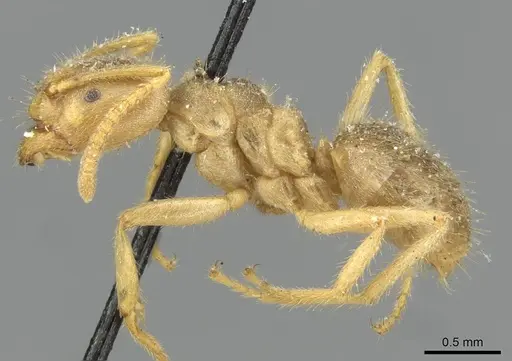
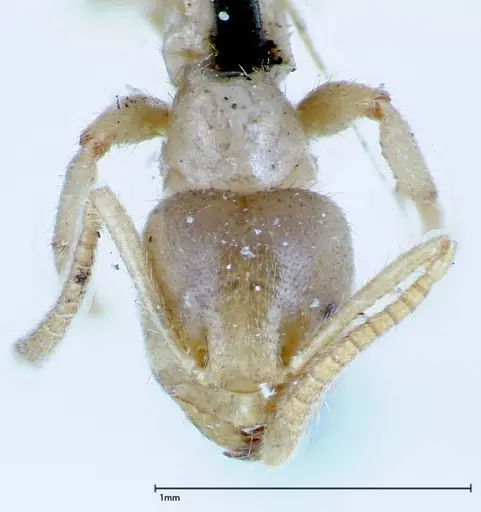
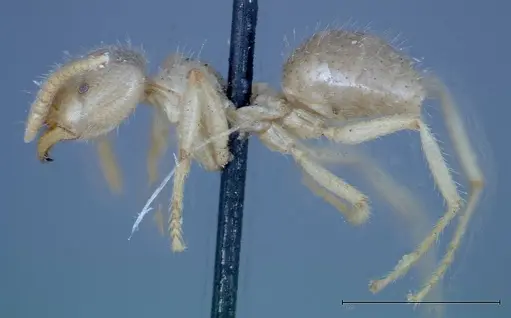
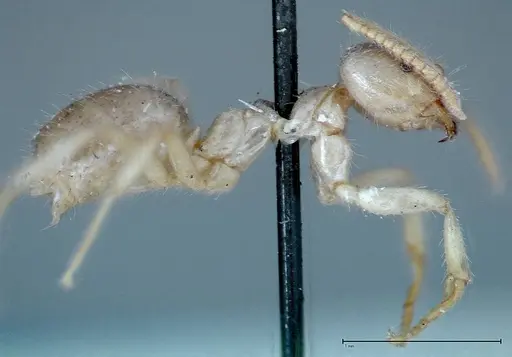
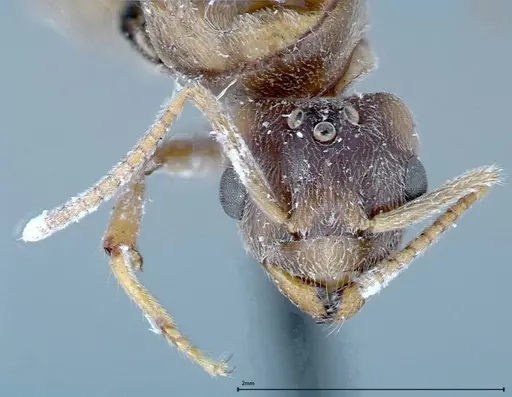
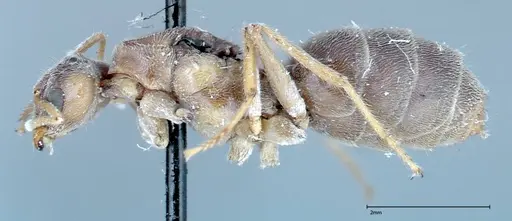
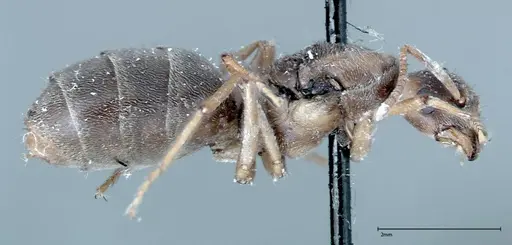
Pseudolasius binghami is a small ant in the subfamily Formicinae, native to the Indomalaya region. It is recorded from India (Sikkim), Myanmar, and Taiwan . Workers measure 2.5-3.5 mm and are reddish-brown to brown with fine punctate sculpture on the head. The head is slightly longer than wide, the posterior margin is weakly emarginate, and the mandibles lack the basal two teeth combined . Queens are significantly larger at 7.5 mm with distinct trapezoidal heads . Much about its biology remains unstudied.
Quick Summary
- Difficulty: Medium
- Origin & Habitat: Tropical and subtropical environments in India (Sikkim), Myanmar, and Taiwan. Likely inhabits forested areas [1][2][5].
- Colony Type: Colony structure is unconfirmed. Based on related Pseudolasius species, probably single-queen (monogyne) colonies, but this requires confirmation.
- Size & Growth:
- Antkeeping:
- Temperature: Needs warm temperatures year-round, inferred from tropical distribution. Keep around 24-28°C, avoid drops below 20°C.
- Humidity: Moderate to high, keep nest substrate slightly moist but not waterlogged. Provide a water source. Inferred from tropical habitat.
- Diapause: No, inferred from tropical range. No hibernation needed.
- Nesting: Unknown in nature. For captivity: test tube setup for founding, later a Y-tong or plaster nest with moisture control. They seem to prefer tight spaces.
- Behavior: No published behavioral data. Based on subfamily and genus patterns, they are likely docile and non-aggressive. Their small size (2.5-3.5 mm) means they can escape through tiny gaps, use fine mesh barriers.
- Common Issues: tropical species requires warm temperatures year-round, cold can kill colonies quickly, very small size makes escapes likely without fine mesh or tight seals, almost no published care information, keepers must rely on general formicicine knowledge, humidity must be maintained but not waterlogged, monitor substrate moisture regularly
Housing and Nest Setup
For a founding colony, a standard test tube setup works well: fill one-third with water and plug with cotton to provide humidity. Cover the tube with a dark cloth until workers appear. For established colonies of 50+ workers, transfer to a Y-tong or plaster nest with moisture chambers. These ants seem to prefer tight, enclosed spaces. Keep the nest warm (24-28°C) and away from direct sunlight or drafts. Connect an outworld with escape barriers that account for their tiny size. No specific nesting data exists for this species.
Feeding and Diet
Like other formicines, Pseudolasius binghami likely accepts a standard ant diet: sugar water or honey for energy, and small insects (fruit flies, tiny mealworms, pinhead crickets) for protein. Offer protein 2-3 times per week. Their small size means prey must be tiny. Replace sugar water every 2-3 days. Always provide a fresh water source. Dietary preferences are unconfirmed, so observe and adjust.
Temperature and Seasonal Care
As a tropical species from India, Myanmar, and Taiwan, Pseudolasius binghami requires warm conditions year-round. Maintain 24-28°C in the nest area. Use a heating cable on one side to create a gradient. Avoid prolonged temperatures below 20°C, which can weaken or kill the colony. They do not need winter hibernation, keep conditions stable. These recommendations are inferred from its geographic range, not from direct study.
Colony Growth and Development
Colony growth data is completely unknown for this species. The queen's founding behavior is unconfirmed, and the number of workers over time has not been recorded. Based on related formicines, the first workers (nanitics) might appear 6-10 weeks after egg-laying if kept at optimal temperatures. Colony size likely reaches several hundred workers at most, but this is speculation. Patience is needed, growth may be slow.
Handling and Temperament
No formal studies describe the behavior of Pseudolasius binghami. Based on what is known of the genus and subfamily, workers are probably docile and non-aggressive. They do not sting. Their small size makes them fragile, avoid excessive disturbance, especially during founding. Use a well-lit foraging area for observation, but keep vibrations and bright light minimal during early colony development.
Frequently Asked Questions
How long does it take for Pseudolasius binghami to produce first workers?
The exact timeline is unconfirmed. Based on typical formicine development at 24-28°C, the first workers might appear in 6-10 weeks, but this is an estimate.
What temperature do Pseudolasius binghami ants need?
They need warm conditions year-round, keep the nest at around 24-28°C. Avoid temperatures below 20°C. This is inferred from their tropical origin, no exact data is available.
Do Pseudolasius binghami ants need hibernation?
No, they are tropical and do not require winter diapause. Keep conditions warm and stable year-round.
What do Pseudolasius binghami ants eat?
Likely a standard formicine diet: sugar sources (honey, sugar water) and small insects (fruit flies, tiny mealworms). These preferences are inferred, no direct observations exist.
How big do Pseudolasius binghami colonies get?
Maximum colony size is unconfirmed. Based on related Pseudolasius species, colonies might reach a few hundred workers, but this is speculation.
Can I keep multiple Pseudolasius binghami queens together?
This is unknown. Most related species appear monogyne (single queen), so it is not recommended to combine queens unless you observe tolerance. No experiments exist.
Is Pseudolasius binghami good for beginners?
Rated Medium difficulty. The lack of published care information makes it challenging. It is manageable if you can maintain warm temperatures and high humidity, but be prepared to adapt based on observations.
Why are my Pseudolasius binghami dying?
Common causes: temperatures below 20°C, humidity too low (leading to desiccation), or escapees. Since so little is known, check conditions and compare to general formicine care. Stress from disturbance may also kill early-stage colonies.
When should I move Pseudolasius binghami from a test tube to a formicarium?
Wait until the colony has 50+ workers and the test tube is clearly crowded. No specific data, use standard colony-size guidelines. Ensure the new nest has proper humidity and escape prevention.
Report an Issue
The current care sheet is based fully on literature. See inconsistencies, or something that's incorrect? Please , it will be resolved after review from an admin. Contributing to the blogs tab also helps providing information, to make us be able to further improve the caresheets. Thank you for your support!
References

This caresheet is licensed under CC BY-SA 4.0 .
Community Blogs
CASENT0903171
View on AntWeb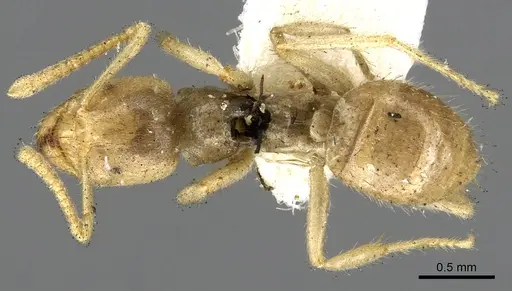
CASENT0905654
View on AntWeb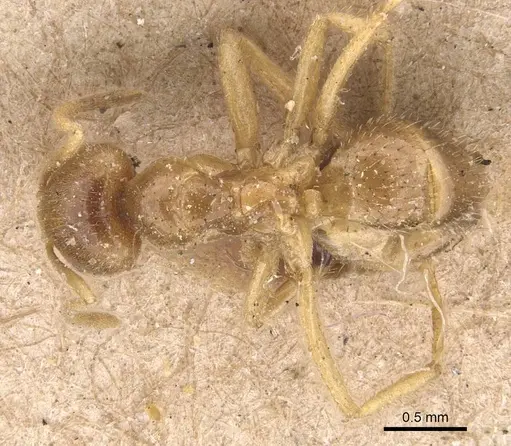
CASENT0910973
View on AntWeb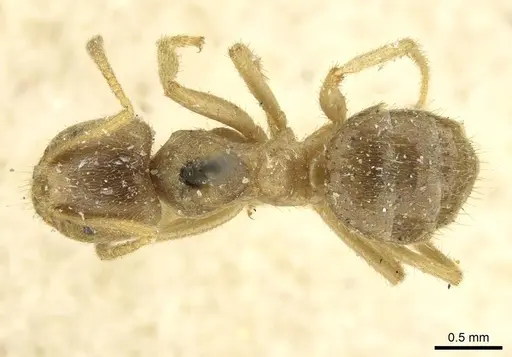
FOCOL0135
View on AntWeb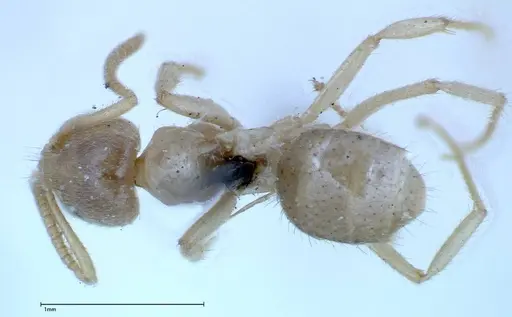
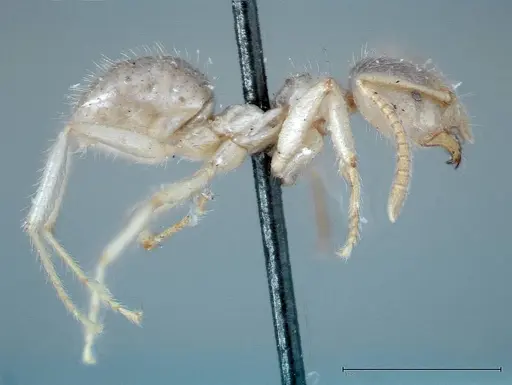
FOCOL0136
View on AntWeb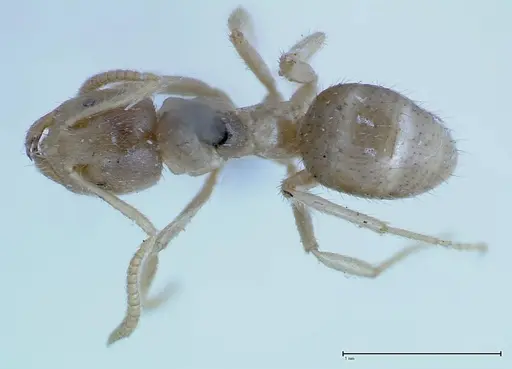
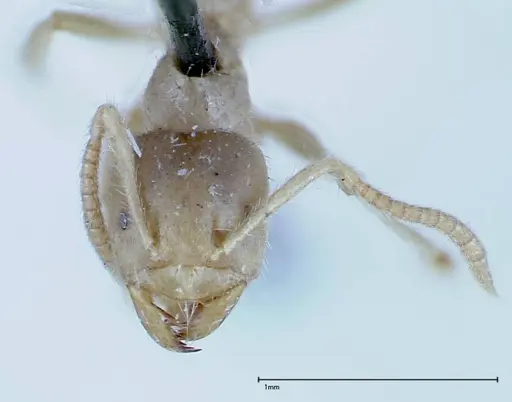
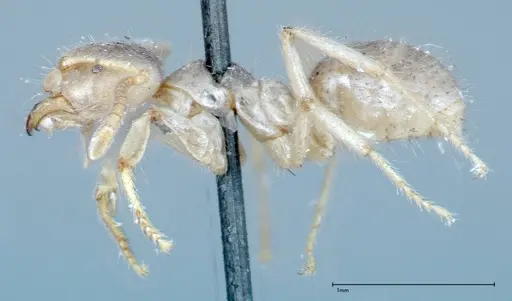
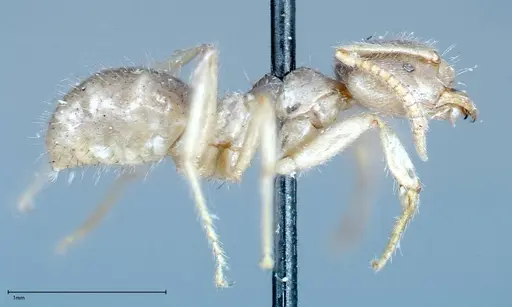
FOCOL0137
View on AntWeb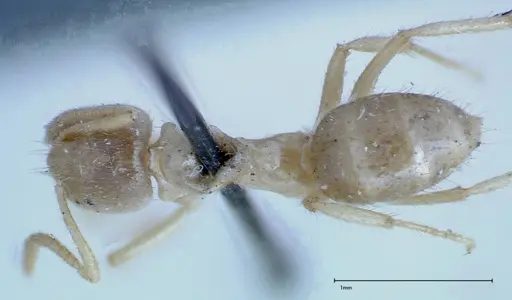
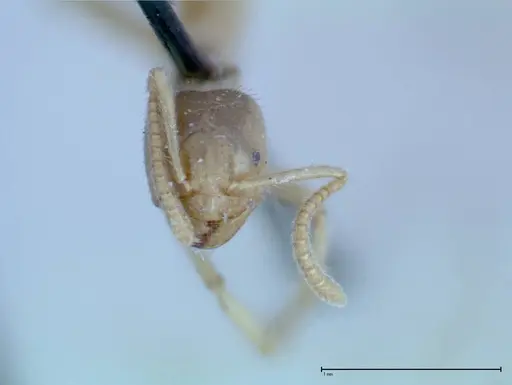
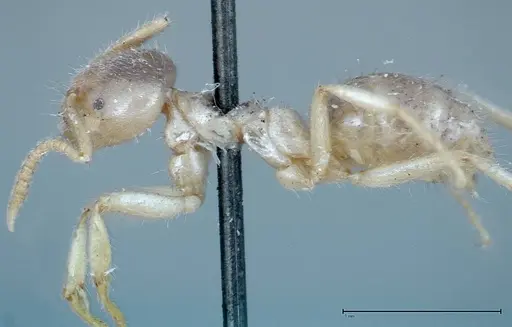
FOCOL0138
View on AntWeb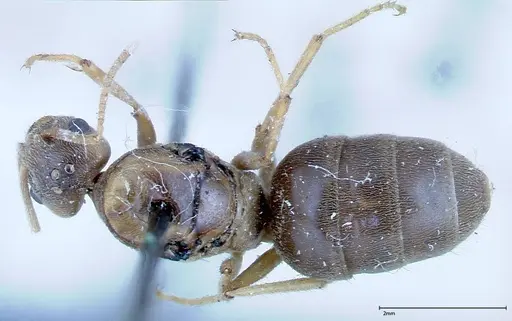
Literature
Loading distribution map...Loading products...