
Protalaridris armata
- Sci. Name
- Protalaridris armata
- Tribe
- Attini
- Subfamily
- Myrmicinae
- Author
- Brown, 1980
- Distribution
- Found in 3 countries
Introduction
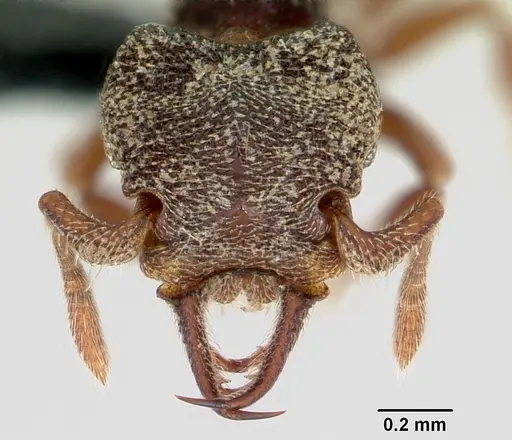
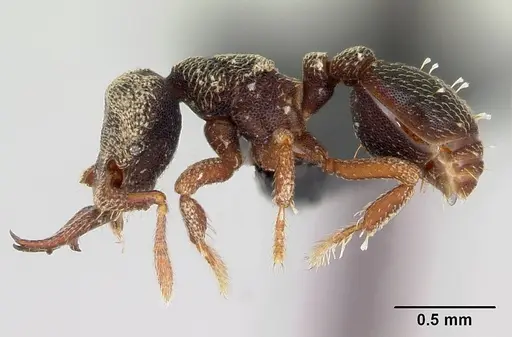
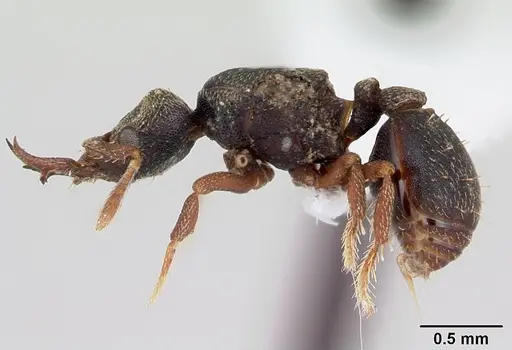
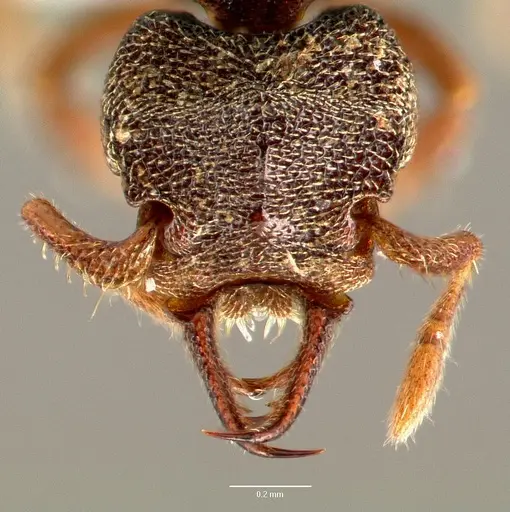
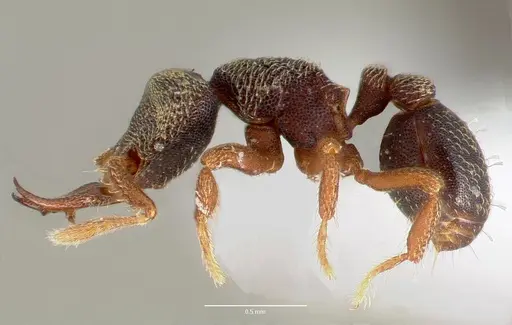
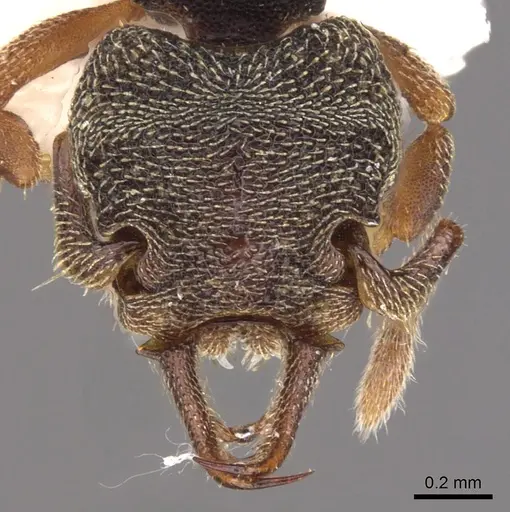
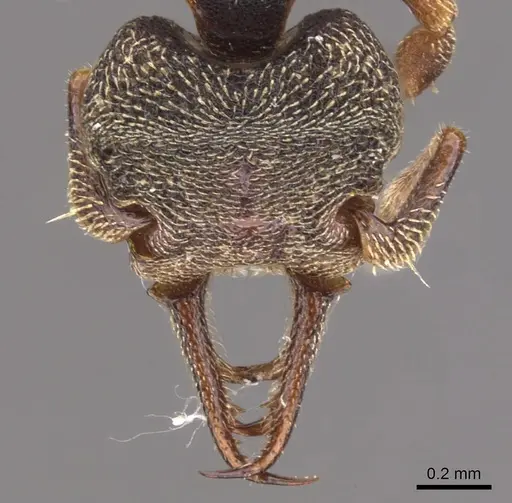
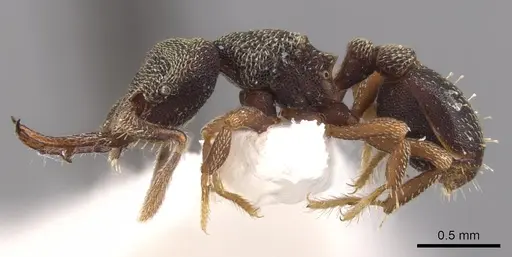
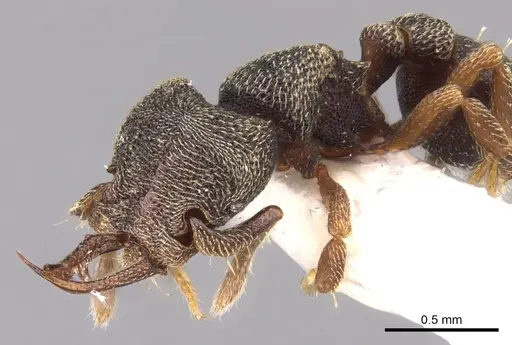
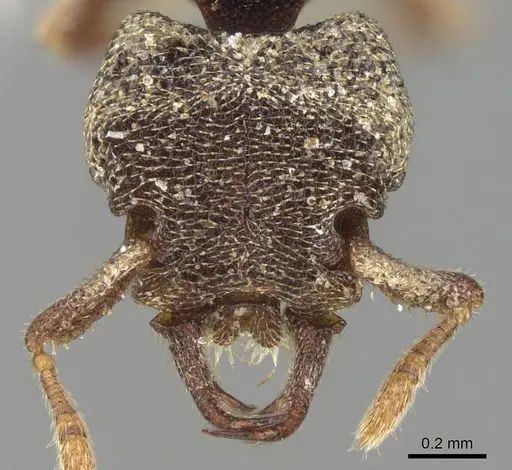
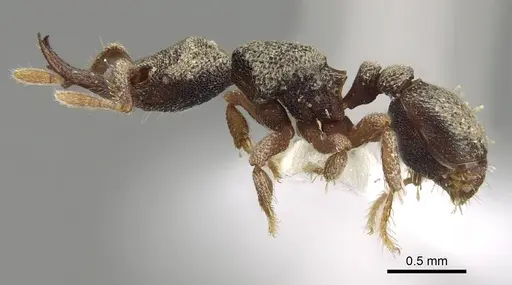
Protalaridris armata is a tiny leaf-litter ant native to premontane and montane forests in Panama, Colombia, Ecuador, and Venezuela . Workers measure 2.2-3.2 mm in total length and are dark brown to reddish-brown, often covered in soil particles for camouflage . Queens are slightly larger at 3.6 mm and have been found dealate in the wild . These ants are part of the tribe Attini and are predatory, hunting small prey in humid forest floors .
Quick Summary
- Difficulty: Expert
- Origin & Habitat: Premontane to montane cloud forests in the Andes, from Panama (up to 2400 m elevation) south to Ecuador (as low as 680 m). They inhabit wet ravines, moss forests, oak forests, and ridgetop montane forests [1][2][4].
- Colony Type: Colony structure is unconfirmed. Only dealate queens have been collected, and males have never been found, suggesting nuptial flights may be rare [1][2].
- Size & Growth:
- Antkeeping:
- Temperature: Keep cool, roughly 18-22°C, based on their montane cloud forest habitat where temperatures are moderate year-round [1][2]
- Humidity: Keep substrate consistently moist but not waterlogged, as they come from damp forest floors [1][2][4]
- Diapause: Unknown, as a tropical montane species, true hibernation is unlikely
- Nesting: Use a naturalistic setup with moist soil and leaf litter in a shallow container, mimicking their leaf-litter dwelling habitat [1][2]
- Behavior: These ants are secretive and cryptic, spending most time hidden in leaf litter. They are predatory and use their large mandibles to capture small prey like springtails and mites. They are not aggressive toward keepers and due to their tiny size, cannot sting humans. Their soil-binding behavior provides camouflage from predators. Escape risk is low due to their small size, but standard containment is sufficient [1][2][6].
- Common Issues: no captive husbandry information exists, all care recommendations are extrapolated from field data, high humidity requirements make mold a constant threat if ventilation is poor, tiny size makes them difficult to feed, prey must be appropriately small, they may refuse to eat standard ant foods if not given live micro-prey, wild-caught colonies may be stressed or damaged from collection and transport
Housing and Setup
Protalaridris armata requires a naturalistic setup due to their leaf-litter dwelling nature. Use a shallow container with a moist substrate mixture of soil, sand, and decomposed leaf litter [1][2]. Keep the substrate damp but not waterlogged, and add cover like bark or moss to mimic their forest floor habitat. Test tube setups can work but should be wrapped in dark material to reduce light exposure, as these ants prefer darkness [4]. Avoid tall formicariums, they are ground-dwelling [1][2].
Feeding and Diet
These ants are predatory and likely feed on small soft-bodied arthropods like springtails, mites, and tiny beetles found in leaf litter [1][2][6]. Offer live prey appropriately sized for their 2-3 mm workers, such as springtails. They may not accept sugar sources like honey or fruit [1][2]. Feed small amounts every few days and remove uneaten prey to prevent mold.
Temperature and Humidity
Keep the colony cool at 18-22°C, as they come from montane cloud forests with moderate temperatures [1][2]. High humidity is essential, maintain moist substrate and provide a water source. Mist the enclosure regularly and ensure good ventilation to prevent mold while keeping humidity stable [1][2][4].
Understanding Their Unique Camouflage
Protalaridris armata has specialized holding hairs that collect soil particles for camouflage, a behavior called soil-binding pilosity [6][1]. This helps protect them from predators. In captivity, you may observe this if you provide a soil substrate. The soil coating is normal and should not be cleaned off [6][1].
Finding and Collecting
These ants are cryptobiotic and rarely seen, collected mainly through leaf litter extraction methods like Winkler sacs [5][1]. In Ecuador, they occur in about 20% of leaf litter samples [5]. If attempting to find wild colonies, focus on wet ravines and mossy areas in premontane forests at 700-2400 m elevation [1][2].
Challenges and Limitations
This species is challenging to keep due to no captive husbandry data. All care advice is based on field observations. Expect a learning curve and be prepared for trial-and-error. Wild-caught colonies may be stressed, and establishing captive colonies from queens has never been documented [1][2][5]. Only experienced antkeepers should attempt this species.
Frequently Asked Questions
Can I keep Protalaridris armata in a test tube?
Yes, but it's not ideal. A test tube with damp cotton can work, but wrap it in dark material for darkness and keep the substrate moist. A naturalistic setup with soil and leaf litter is better [4].
How long until first workers appear?
Unknown, no captive colonies have been documented. There is no data on development timeline [1][2].
What do Protalaridris armata eat?
They are predatory and eat small live prey like springtails, mites, and tiny insects. They likely do not accept sugar sources [1][2][6].
Are Protalaridris armata good for beginners?
No. This is an expert-level species with no captive care data. Only experienced antkeepers should attempt it [1][2].
Why are they covered in dirt?
This is intentional camouflage using specialized holding hairs to collect soil particles [6][1].
Do they need hibernation?
Unlikely, as a tropical montane species, true hibernation is not expected [1].
Where do they live in the wild?
Premontane to montane cloud forests in Panama, Colombia, Ecuador, and Venezuela, at elevations from 680-2400 m [1][2][4].
Can I keep multiple queens together?
Not documented, only single dealate queens have been found in the wild [1][2].
Why are they so hard to find?
They are cryptobiotic, hiding in leaf litter and camouflaged with soil, making them nearly invisible [6][5][1].
Report an Issue
The current care sheet is based fully on literature. See inconsistencies, or something that's incorrect? Please , it will be resolved after review from an admin. Contributing to the blogs tab also helps providing information, to make us be able to further improve the caresheets. Thank you for your support!
References

This caresheet is licensed under CC BY-SA 4.0 .
Community Blogs
CASENT0008665
View on AntWeb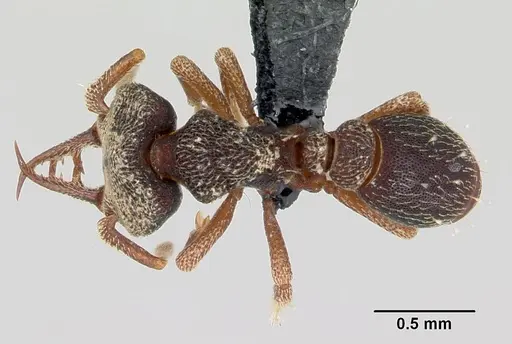
CASENT0102366
View on AntWeb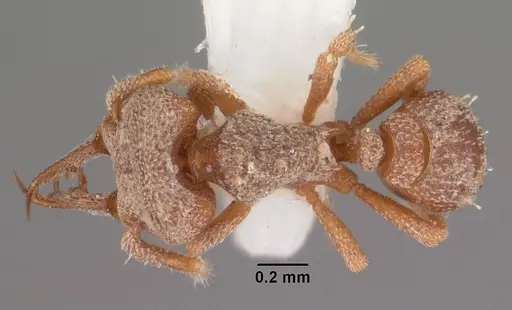
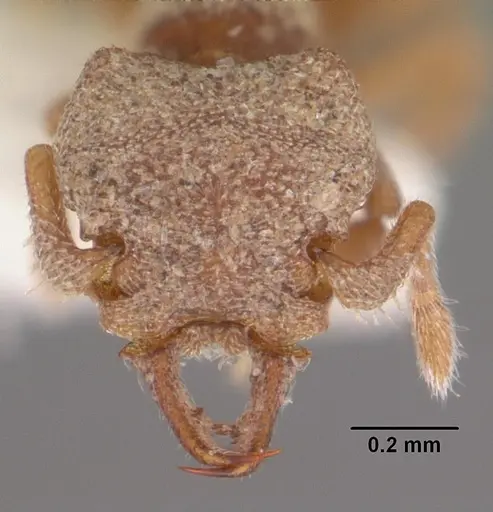
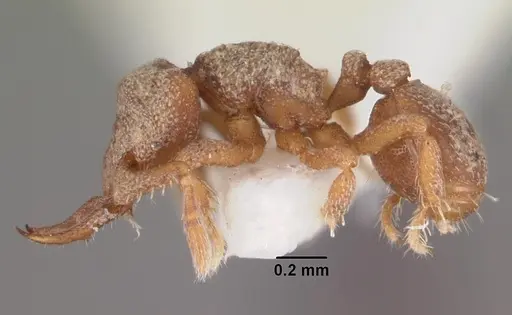
CASENT0423546
View on AntWeb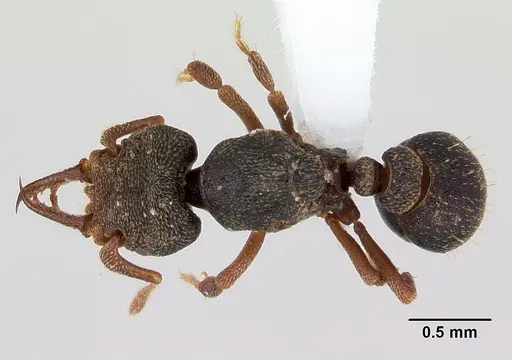
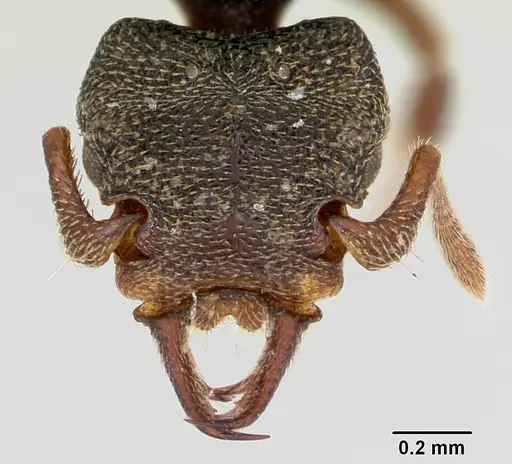
CASENT0423567
View on AntWeb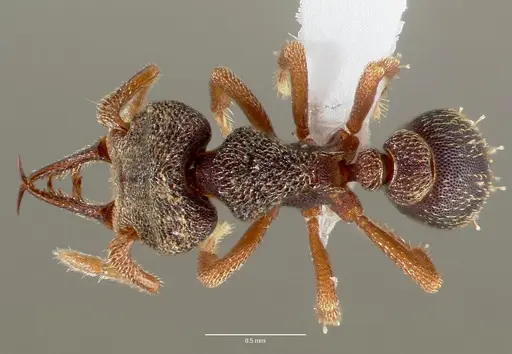
CASENT0900943
View on AntWeb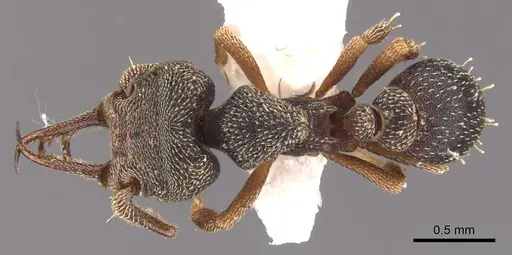
CASENT0914919
View on AntWeb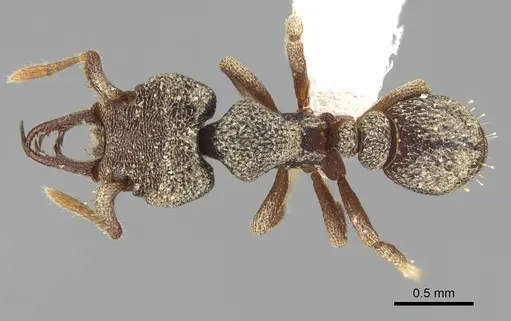
Literature
Loading distribution map...Loading products...