
Proformica splendida
- Sci. Name
- Proformica splendida
- Tribe
- Formicini
- Subfamily
- Formicinae
- Author
- Dlussky, 1965
- Distribution
- Found in 1 countries
Introduction
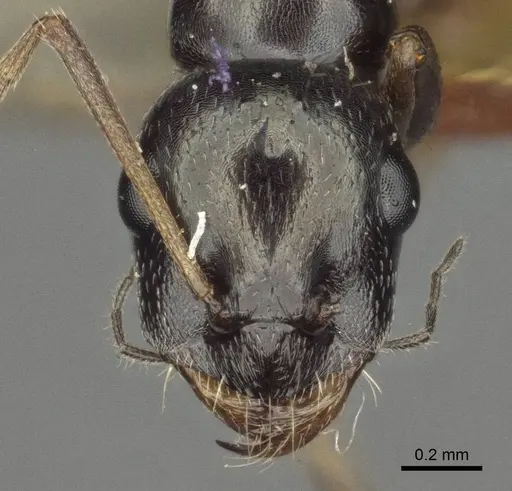
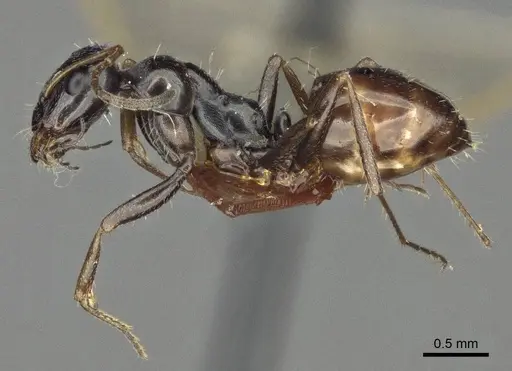
Proformica splendida is a small to medium-sized ant in the Formicinae subfamily. Workers have a long head with a rounded occiput, long antennae, and sparse body hairs, with superficial head sculpture . Size data is unavailable for this species. It is native to Central Asia, found in Kyrgyzstan and northwestern China (Fukang), with a range through the Tienshan mountains and Russian Turkestan . Specimens show color variation, with darker pigmentation in moist habitats .
Quick Summary
- Difficulty: Medium
- Origin & Habitat: Central Asia (Kyrgyzstan, northwestern China) in Tienshan mountains and Russian Turkestan. Found in various habitats including moist areas [3][1][2].
- Colony Type: Unconfirmed, colony structure has not been documented in scientific literature
- Size & Growth:
- Queen: size data unavailable
- Worker: size data unavailable
- Colony: Unknown, no colony size data available
- Growth: Unknown, no development data available
- Development: Unknown, no direct measurements. Based on typical Formicinae patterns, estimated 6-10 weeks at optimal temperature. (Development timeline has not been directly studied for this species.)
- Antkeeping:
- Temperature: Unknown, no specific data. Based on Central Asian mountain habitat, estimated moderate temperatures around 20-24°C.
- Humidity: Likely adaptable, specimens from moist and typical habitats suggest moderate tolerance. Keep nest substrate lightly moist with some drier areas [3].
- Diapause: Likely yes, Central Asian species experience cold winters. Estimated winter rest period of 3-4 months at 5-10°C.
- Nesting: Natural nesting unconfirmed. Most Proformica species nest in soil or under stones. In captivity, use soil-based substrate or Y-tong nest.
- Behavior: Not well documented. Based on genus placement, likely moderate-sized colonies with typical ant behavior. Workers are active foragers. Escape risk is moderate due to small size. Defense mechanism is formic acid spray, as typical for Formicinae.
- Common Issues: limited care information may lead to improper husbandry, specific temperature and humidity requirements are unconfirmed, growth rate is unknown, making progress tracking difficult, winter diapause requirements are inferred, not confirmed
Species Background and Distribution
Proformica splendida was first described by Dlussky in 1965 from specimens collected in Kyrgyzstan [4]. The species is distributed across the Palaearctic region, specifically found in Kyrgyzstan and northwestern China. The type locality is in the Tienshan mountain region, which spans Kyrgyzstan and extends into neighboring countries. Specimens have also been recorded from Fukang in northwestern China [1]. One documented variation is the presence of two color forms. Research from the 2006 Polish expedition to Kyrgyzstan found that specimens collected from very moist habitats show clearly darker pigmentation compared to specimens from other localities [3].
Housing and Nesting
Specific nesting behavior for Proformica splendida is not documented. In the wild, Proformica species typically nest in soil or under stones in mountainous Central Asian habitats. For captive care, a naturalistic setup with a soil-based substrate works well, or alternatively a Y-tong nest with compact chambers. The nest should provide chambers sized for a small to medium-sized colony. Since worker size is unknown, estimate based on typical Proformica proportions. Provide a water reservoir connected to the nest to maintain humidity, but avoid oversaturation. Include some dry areas within the setup so ants can self-regulate moisture exposure.
Feeding and Diet
The specific diet of Proformica splendida has not been studied. As a member of the Formicinae subfamily, these ants likely have a typical omnivorous diet similar to related Formica species. They probably consume honeydew from aphids, collect nectar from flowers, and hunt small invertebrates for protein. For captive feeding, offer a combination of sugar sources (honey water or sugar water) and protein sources (small insects like fruit flies or mealworms). Start with modest offerings and observe what the colony accepts. Remove uneaten food after 24-48 hours to prevent mold.
Temperature and Seasonal Care
Proformica splendida originates from Central Asian mountains, a region with significant seasonal temperature variation. This suggests the species is adapted to temperate conditions with distinct seasons. While specific temperature requirements are unconfirmed, related Formicini ants thrive at moderate temperatures around 20-24°C. Winter diapause is likely required, as the species experiences cold winters in its native range. Based on similar Central Asian mountain species, provide a winter rest period of approximately 3-4 months at cool temperatures between 5-10°C. This can be accomplished by moving the colony to an unheated garage or basement during winter. Do not feed during diapause but ensure some moisture is available.
Frequently Asked Questions
How do I keep Proformica splendida?
Specific care requirements are not well documented. Based on genus-level inference, provide a standard formicarium with moderate humidity and temperatures around 20-22°C. Use escape prevention barriers as you would for any small ant.
What do Proformica splendida ants eat?
Their specific diet is unconfirmed, but they likely accept typical ant foods: sugar sources (honey water, sugar water) and protein (small insects). Start with modest offerings and adjust based on what your colony accepts.
How big do Proformica splendida colonies get?
Colony size data is not available. Based on related Formicini species, expect moderate-sized colonies, but this is an estimate.
Do Proformica splendida ants need hibernation?
Likely yes, based on their Central Asian mountain origin. Provide a winter rest period of 3-4 months at cool temperatures (5-10°C). This is inferred from similar species in the region.
Are Proformica splendida good for beginners?
This species is not recommended for beginners due to the lack of documented care information. More established species with known requirements are better choices for those new to antkeeping.
How long does it take for Proformica splendida to develop from egg to worker?
This has not been directly studied. Based on typical Formicinae development, estimated 6-10 weeks at optimal warm temperatures.
Can I keep multiple Proformica splendida queens together?
Colony structure (monogyne vs polygyne) has not been documented for this species. Until more information is available, it is safest to house single-queen colonies.
Where is Proformica splendida found?
This species is native to Central Asia, specifically Kyrgyzstan and northwestern China (Fukang region), with a range extending through the Tienshan mountains and Russian Turkestan.
Is Proformica splendida available in the antkeeping hobby?
This species is rarely available. It is not commonly kept or traded in the antkeeping hobby due to limited distribution and lack of documented care information.
Report an Issue
The current care sheet is based fully on literature. See inconsistencies, or something that's incorrect? Please , it will be resolved after review from an admin. Contributing to the blogs tab also helps providing information, to make us be able to further improve the caresheets. Thank you for your support!
References

This caresheet is licensed under CC BY-SA 4.0 .
Community Blogs
CASENT0913644
View on AntWeb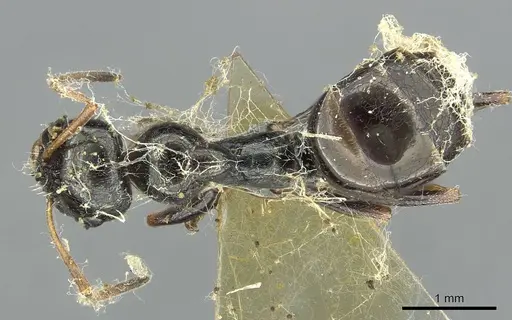
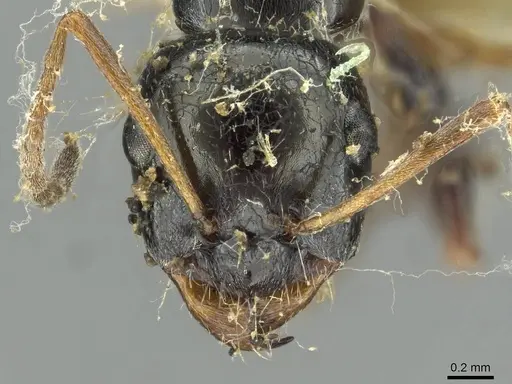
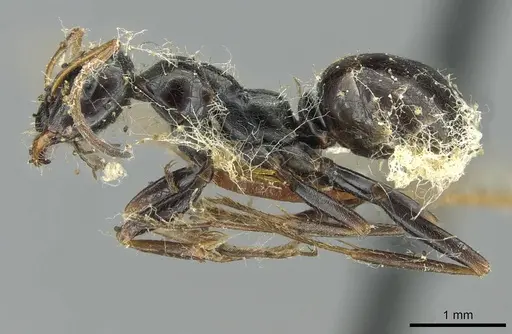
CASENT0916583
View on AntWeb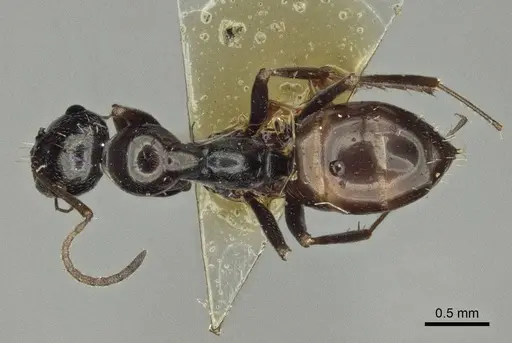
Literature
Loading distribution map...Loading products...