
Proformica seraphimi
- Sci. Name
- Proformica seraphimi
- Tribe
- Formicini
- Subfamily
- Formicinae
- Author
- Tarbinsky, 1970
- Distribution
- Found in 1 countries
Introduction
Proformica seraphimi is a species of ant in the subfamily Formicinae, described by Tarbinsky in 1970 from specimens collected in Kazakhstan. It is found in Kazakhstan and Kyrgyzstan, inhabiting open steppe and mountainous areas of Central Asia. This species is not well-studied, with limited research on its specific biology or captive care requirements. Most information comes from taxonomic descriptions and regional checklists rather than detailed biological studies.
Quick Summary
- Difficulty: Medium
- Origin & Habitat: Central Asia, specifically Kazakhstan and Kyrgyzstan, in open steppe and mountainous regions. [1][2]
- Colony Type: Unconfirmed colony structure. No specific data on queen number or social system. [1]
- Size & Growth:
- Queen: Size data unavailable, no total length measurements in research context.
- Worker: Size data unavailable, no total length measurements in research context.
- Colony: Unknown, no colony size data available for this species.
- Growth: Unknown
- Development: Estimated 6-10 weeks based on typical Formicinae development patterns at optimal temperatures [1] (Development timeline is inferred from related species, no specific data exists for Proformica seraphimi. Temperature likely affects development.)
- Antkeeping:
- Temperature: Estimated 20-26°C based on Palaearctic habitat preferences. Start in the mid-range and observe colony activity. [1]
- Humidity: Keep nest substrate lightly moist but not wet, typical of steppe-adapted species. Provide a shallow water dish for drinking. [1]
- Diapause: Likely yes, Palaearctic species typically require winter dormancy. Based on climate, expect reduced activity at 5-10°C for 2-3 months during winter. [1]
- Nesting: Natural nesting in soil or under stones in open areas. In captivity, use test tubes for founding colonies or standard formicaria for established colonies. Provide a moisture gradient. [1]
- Behavior: Behavior is unstudied, but Proformica species are likely active foragers similar to related Formica ants. Workers probably collect honeydew and insects. Escape prevention should be moderate due to medium size. No specific aggression data available. [1]
- Common Issues: limited data makes care recommendations uncertain, this species has not been well-studied in captivity, no specific temperature or humidity requirements confirmed, keepers must observe and adjust, diapause requirements are inferred, not documented, monitor colony response to winter conditions, growth rate is unknown so patience may be needed, related species can take months to establish, wild-caught colonies may have parasites or diseases with no documented treatment
Species Background and Distribution
Proformica seraphimi was described by Tarbinsky in 1970 from worker and queen specimens collected in Kazakhstan. The species belongs to the Formicini tribe within the Formicinae subfamily. It is found exclusively in the Palaearctic region, specifically in Kazakhstan and Kyrgyzstan. [2][1]
The natural habitat consists of open steppe landscapes and mountainous regions. The climate features hot summers and cold winters, suggesting adaptation to seasonal temperature variations. This background helps understand potential care requirements in captivity. [1]
Housing and Nesting
For founding colonies, use a test tube setup with a water reservoir, kept in darkness until workers emerge. Once the colony has workers, transition to a small formicarium. [1]
Proformica seraphimi likely nests in soil or under stones in the wild, so provide a nest chamber with appropriate substrate. Use Y-tong, plaster, or soil nests, avoid acrylic nests. Ensure a moisture gradient so ants can regulate humidity. [1]
The outworld should be simple with a water dish and feeding station. Standard escape prevention measures work for medium-sized ants. [1]
Feeding and Diet
Proformica seraphimi likely accepts a varied diet including sugary liquids (honey water, sugar water) and protein sources (insects, small arthropods). Workers probably collect honeydew in the wild. [1]
Feed small insects like fruit flies or pinhead crickets as protein. Offer sugar water at least twice weekly. Remove uneaten food after 24-48 hours to prevent mold. Provide a constant water source in the foraging area. [1]
Temperature and Seasonal Care
Maintain temperatures around 20-26°C during the active season. Room temperature is likely suitable. A slight temperature gradient in the nest allows ants to regulate conditions. [1]
Palaearctic species require winter dormancy. Reduce temperatures to 5-10°C for 2-3 months during winter. During diapause, reduce feeding but maintain slight humidity. Return to normal temperatures gradually in spring. [1]
Colony Development and Growth
Colony growth is slow initially. First workers may emerge within 6-10 weeks based on related species. Growth accelerates once workers are present to forage and care for brood. Full development may take years under good conditions. Patience is essential. [1]
Frequently Asked Questions
How long does it take for Proformica seraphimi to get first workers?
Based on related Formica species, expect first workers to emerge in approximately 6-10 weeks after the queen lays eggs, assuming temperatures around 24°C. Growth is slow initially. [1]
What temperature do Proformica seraphimi ants need?
Keep the nest at 20-26°C during the active season. Room temperature is typically suitable. Monitor colony activity to find the ideal range. [1]
Do Proformica seraphimi ants need hibernation?
Yes, likely required based on their Central Asian distribution. Reduce temperatures to 5-10°C for 2-3 months during winter. This diapause period is important for colony health. [1]
What do Proformica seraphimi ants eat?
They likely accept a standard Formicinae diet: sugary liquids and protein from small insects. Feed protein 2-3 times per week and keep sugar water available. Remove uneaten food promptly. [1]
How big do Proformica seraphimi colonies get?
Colony size is not documented for this species. No data on maximum worker counts is available. [1]
Is Proformica seraphimi good for beginners?
Difficulty level is medium due to limited captive data. This species is not commonly kept, and specific care requirements are not well-documented. Expect a learning curve. [1]
Can I keep multiple Proformica seraphimi queens together?
Colony structure is unconfirmed for this species. Without evidence of polygyny, house queens separately to avoid conflict. [1]
When should I move Proformica seraphimi to a formicarium?
Keep the colony in a test tube until it has workers, then transition gradually to a formicarium. Allow workers to explore before moving the queen. [1]
Why is my Proformica seraphimi colony declining?
Common problems include improper humidity, temperatures outside tolerance range, insufficient protein, stress from disturbance, or parasites. Review care parameters and ensure the queen is present and laying eggs. [1]
Report an Issue
The current care sheet is based fully on literature. See inconsistencies, or something that's incorrect? Please , it will be resolved after review from an admin. Contributing to the blogs tab also helps providing information, to make us be able to further improve the caresheets. Thank you for your support!
References

This caresheet is licensed under CC BY-SA 4.0 .
Community Blogs
CASENT0915630
View on AntWeb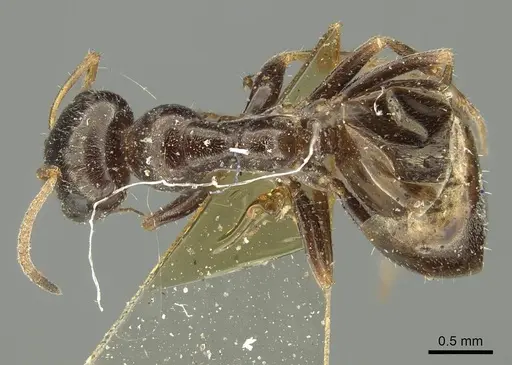
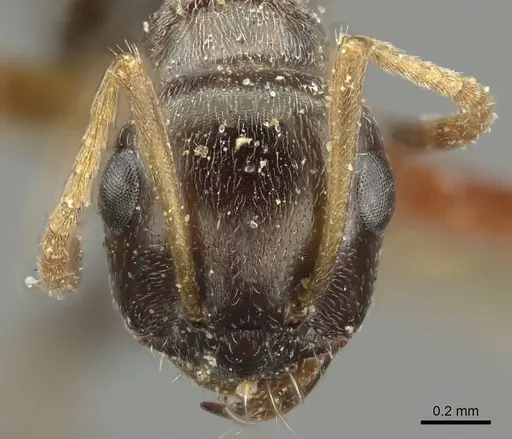
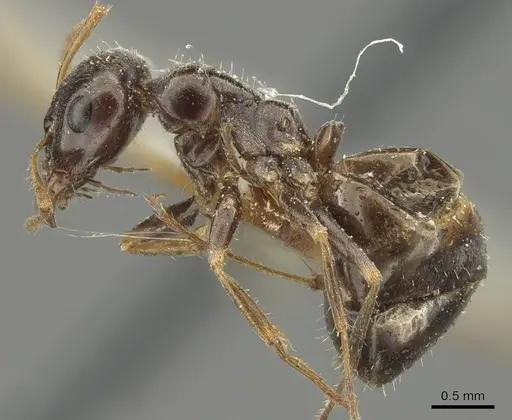
CASENT0917486
View on AntWeb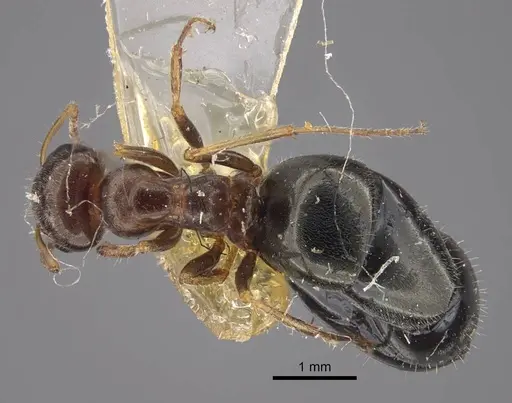
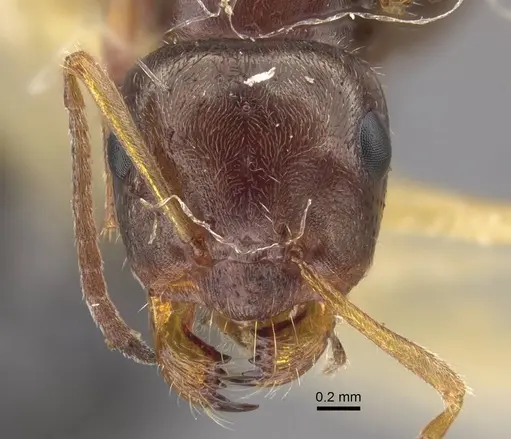
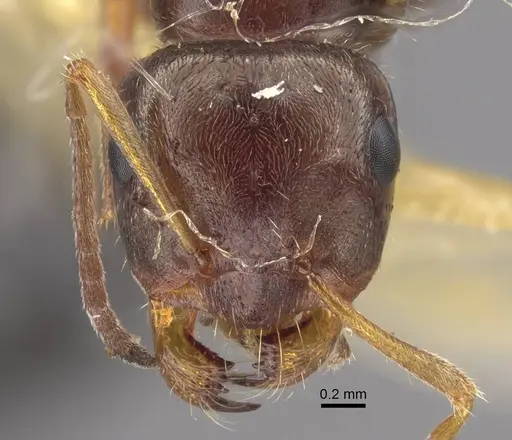
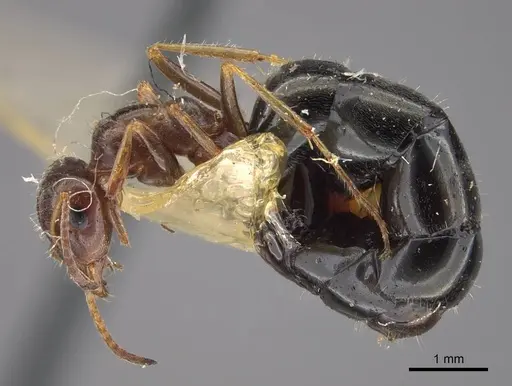
FOCOL1865-1
View on AntWeb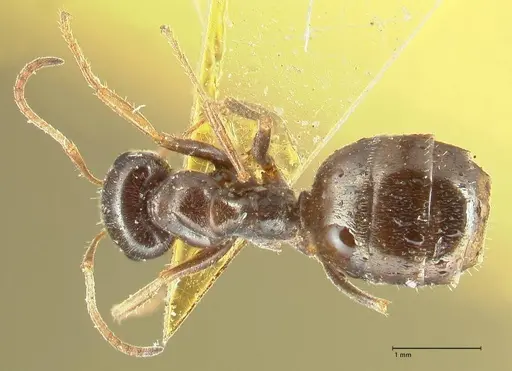
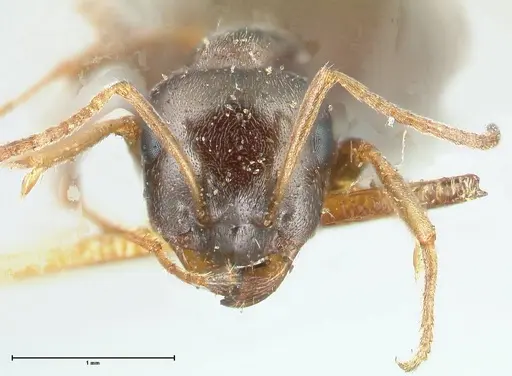
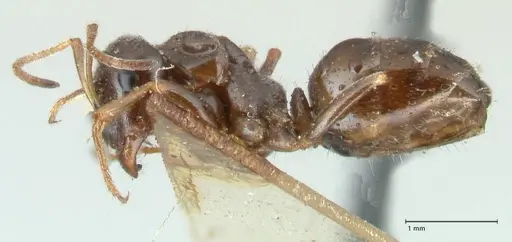
FOCOL1865-2
View on AntWeb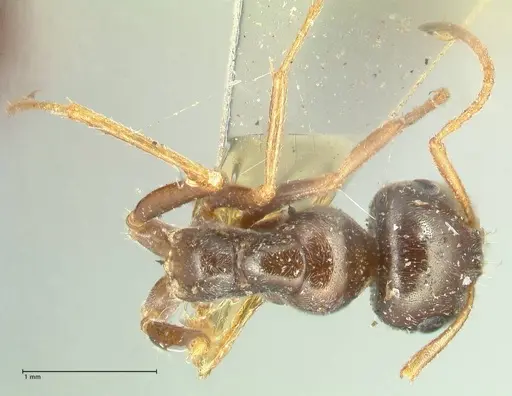
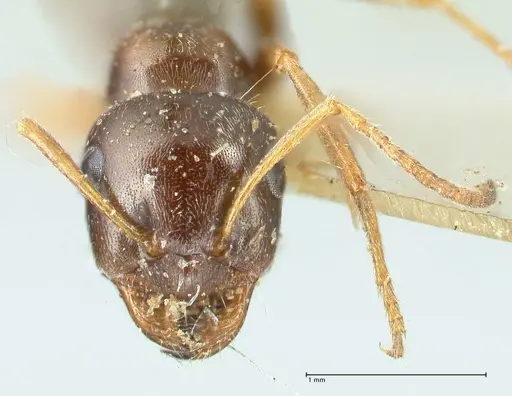
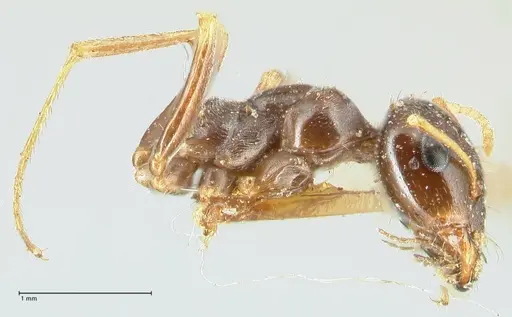
FOCOL1865-3
View on AntWeb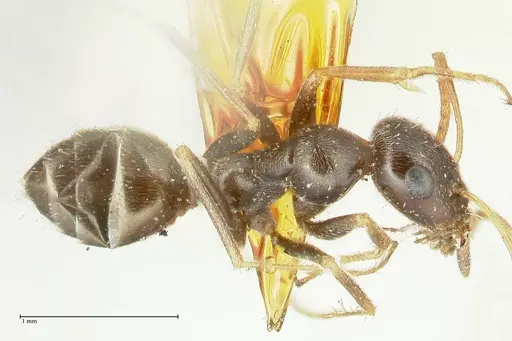
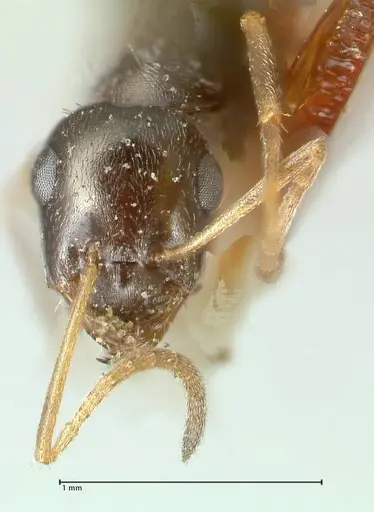
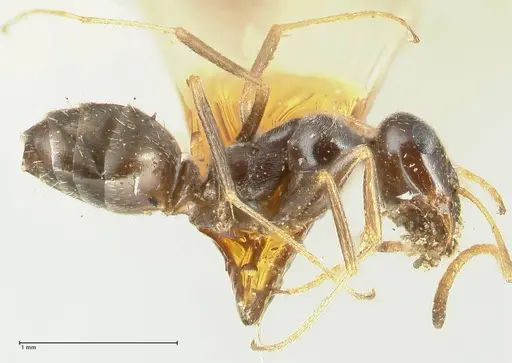
FOCOL1866-1
View on AntWeb
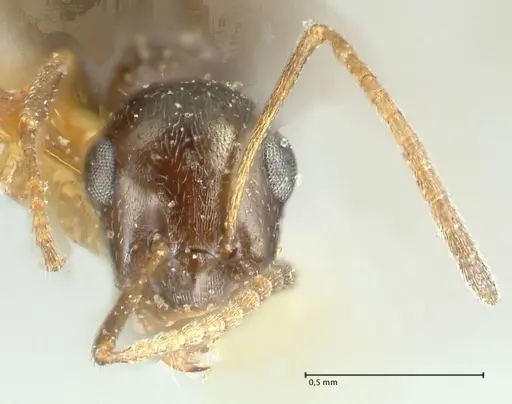
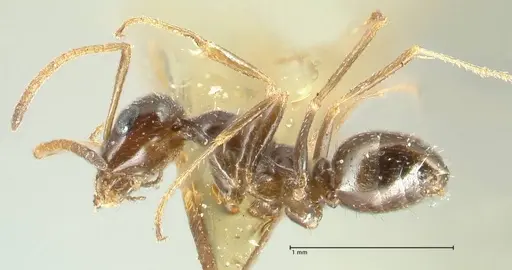
FOCOL1866-2
View on AntWeb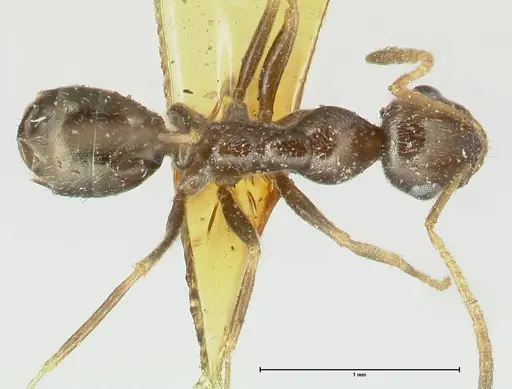
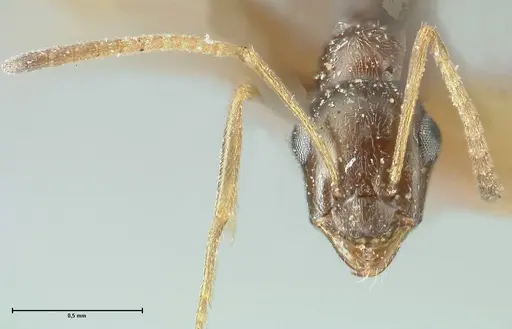
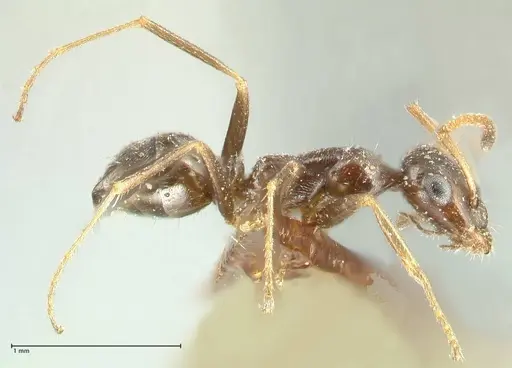
FOCOL1866-3
View on AntWeb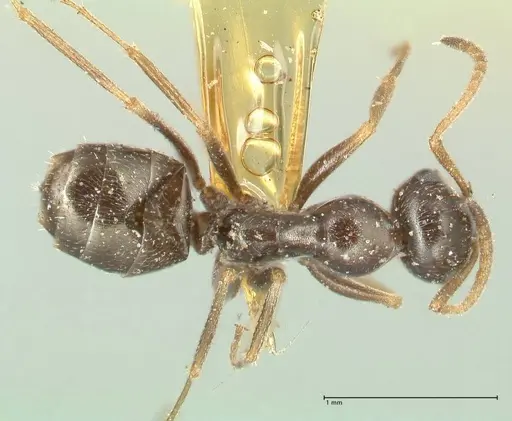
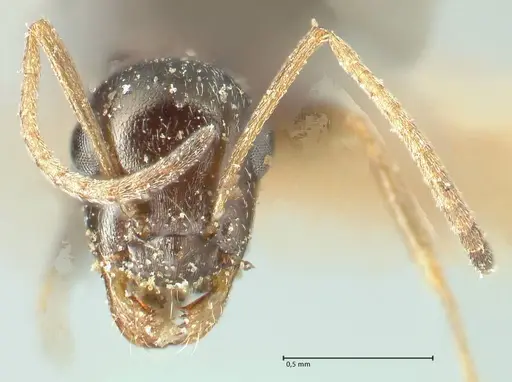
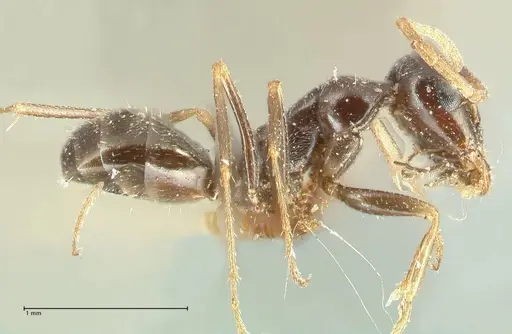
Literature
Loading distribution map...Loading products...