
Proformica epinotalis
- Sci. Name
- Proformica epinotalis
- Tribe
- Formicini
- Subfamily
- Formicinae
- Author
- Kuznetsov-Ugamsky, 1927
- Distribution
- Found in 4 countries
Introduction
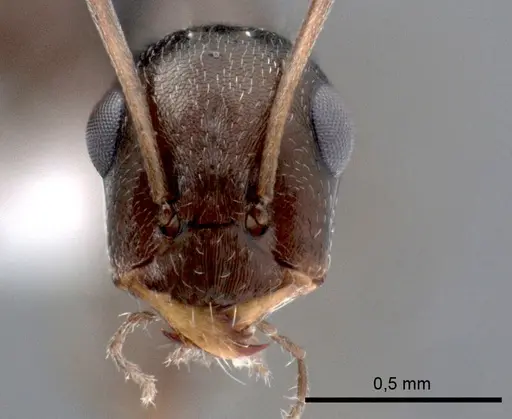
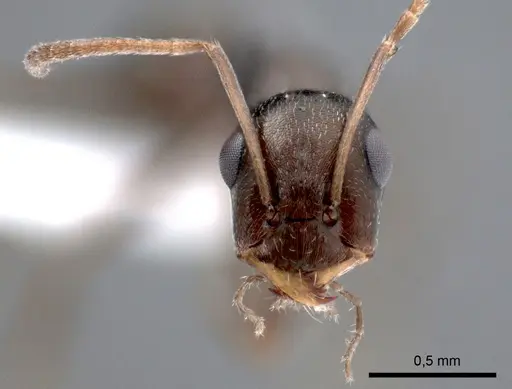
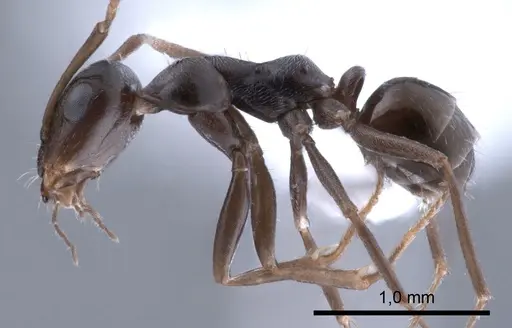
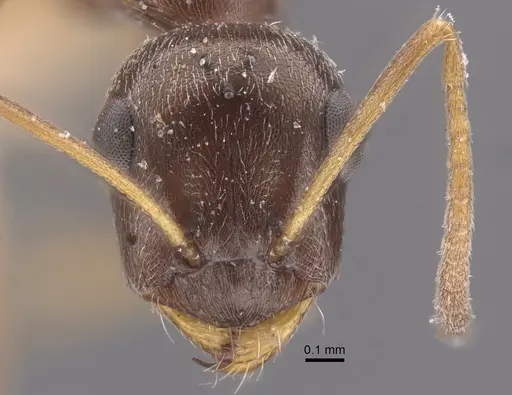
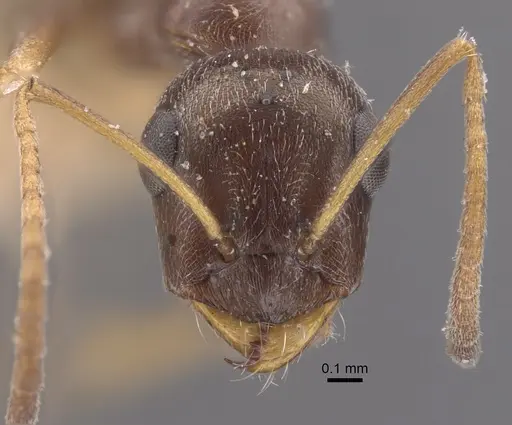
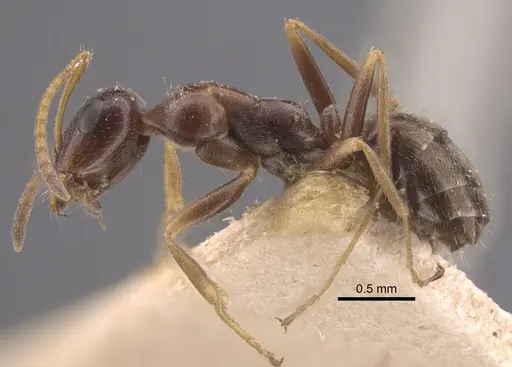
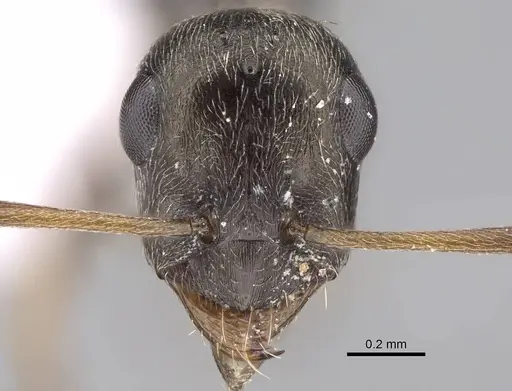
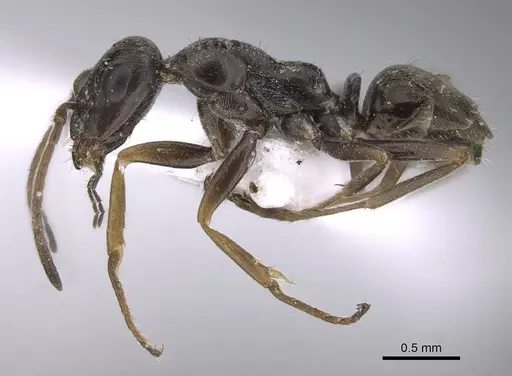
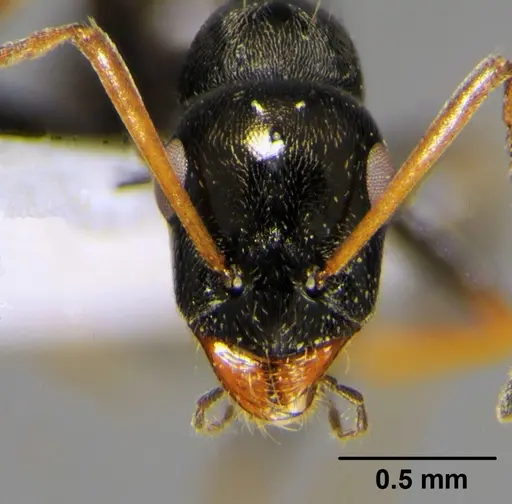
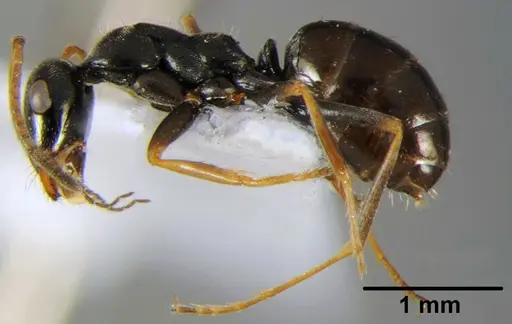
Proformica epinotalis is a medium-sized ant in the Formicinae subfamily, found across the Palaearctic region including Romania, Moldova, Russia, Ukraine, Azerbaijan, Iran, Kazakhstan, Kyrgyzstan, Turkmenistan, and northwestern China . Workers are dimorphic, with smaller workers and larger majors that have enlarged heads; sizes are inferred from genus patterns as small workers around 3-4 mm and large workers around 5-6 mm . Colonies are monogyne (single queen) and contain up to 200 workers . The species is known as the 'steppe honey ant' due to specialized workers called pleraergates that store liquid food in their distended abdomens .
Quick Summary
- Difficulty: Medium
- Origin & Habitat: Native to steppe and desert-steppe zones with dense soil and sparse vegetation, found at elevations between 1200-1700 m in regions like Iran's Alborz Range [4][1].
- Colony Type: Monogyne (single-queen colonies). Workers are dimorphic, with majors comprising about 15% of the workforce and some developing into pleraergates that store liquid food [4].
- Size & Growth:
- Queen: Size data unavailable, inferred from Proformica genus as ~7-9 mm
- Worker: Size data unavailable, inferred from Proformica genus as small workers ~3-4 mm and large workers ~5-6 mm [4]
- Colony: Up to 200 workers [4]
- Growth: Moderate
- Development: Estimated 8-12 weeks based on related Formicinae species at optimal temperature (Development timeline not directly studied, inference based on genus-level patterns)
- Antkeeping:
- Temperature: Keep warm and stable, roughly 22-26°C, as this is a steppe species adapted to continental climates
- Humidity: Keep nest substrate consistently moist but not waterlogged, allowing partial drying between waterings [4]
- Diapause: Yes, requires winter dormancy at 10-15°C for 3-4 months (November-February), with only adults overwintering [4]
- Nesting: Underground nester in nature, use a deep nest (e.g., Y-tong or plaster) with compact sand-clay substrate to mimic natural vertical shafts [4]
- Behavior: Diurnal and highly active foragers that hunt and scavenge alone without recruitment [4]. They are not aggressive toward keepers but will defend the nest. Escape risk is moderate due to their size, use standard barriers like Fluon.
- Common Issues: overwintering failure if kept too warm during diapause, damp substrate issues due to preference for dry steppe habitats, colony fragility from small size of up to 200 workers, slow growth requiring patience, potential parasites in wild-caught colonies
Housing and Nest Setup
Proformica epinotalis naturally nests underground with vertical shafts reaching 50-75 cm deep [4]. In captivity, use a deep nest container like Y-tong or plaster with chambers filled with compact sand-clay substrate. Provide a spacious outworld connected securely, as they are active foragers [4].
Feeding and Diet
This species is a diurnal zoonecrophage, hunting and scavenging alone [4]. Feed small live prey like fruit flies or mealworms 2-3 times per week, scatter food in the outworld since they forage solitarily. They may accept sugar water as supplemental energy [4].
Temperature and Seasonal Care
Maintain 22-26°C during active season and reduce to 10-15°C for 3-4 months of diapause in winter [4]. This mimics their natural cycle where only adults overwinter.
Colony Structure and Dimorphism
Colonies have dimorphic workers: small minors and larger majors, with majors comprising about 15% of the workforce [4]. Some majors become pleraergates, storing liquid food in distended abdomens, which helps the colony survive lean periods [4].
Behavior and Foraging
Workers are very mobile and forage alone without recruitment [4]. They are active during the day and will defend the nest if threatened. Escape risk is moderate, use barriers on test tubes and outworlds.
Nuptial Flight and Reproduction
Nuptial flights occur at the end of May to June [4]. Only adults overwinter, and brood development pauses during diapause.
Legal and Ethical Considerations
This species is native to the Palaearctic region and should not be released outside its range. In non-native areas, release is illegal and ecologically harmful [1][2][3].
Frequently Asked Questions
How long does it take for Proformica epinotalis to produce first workers?
Based on related Formicinae species, expect 8-12 weeks from egg to first worker at optimal temperature. Founding behavior is unconfirmed, so patience is needed.
What do Proformica epinotalis ants eat?
They are diurnal zoonecrophages, feeding on small live prey like fruit flies or mealworms 2-3 times per week [4].
Do Proformica epinotalis ants need hibernation?
Yes, they require winter diapause at 10-15°C for 3-4 months, as only adults overwinter in the wild [4].
How big do Proformica epinotalis colonies get?
Colonies reach up to 200 workers [4]. This is a modest size compared to other species.
Are Proformica epinotalis good for beginners?
This is a medium-difficulty species due to diapause requirements and modest colony size. It is not recommended for absolute beginners but suitable for those with temperate ant experience.
What is the best nest type for Proformica epinotalis?
Use a deep nest like Y-tong or plaster with compact sand-clay substrate to mimic underground shafts [4].
Can I keep multiple Proformica epinotalis queens together?
No, this species is monogyne with single-queen colonies [4]. Combining queens would likely result in fighting.
Why are some workers swollen in my Proformica epinotalis colony?
Those are pleraergates, specialized workers that store liquid food in their abdomens [4]. This is a natural adaptation for food storage.
Where is Proformica epinotalis found in the wild?
It is found across the Palaearctic region in steppe habitats, from Romania to northwestern China [1][2][3].
Report an Issue
The current care sheet is based fully on literature. See inconsistencies, or something that's incorrect? Please , it will be resolved after review from an admin. Contributing to the blogs tab also helps providing information, to make us be able to further improve the caresheets. Thank you for your support!
References

This caresheet is licensed under CC BY-SA 4.0 .
Community Blogs
ANTWEB1008083
View on AntWeb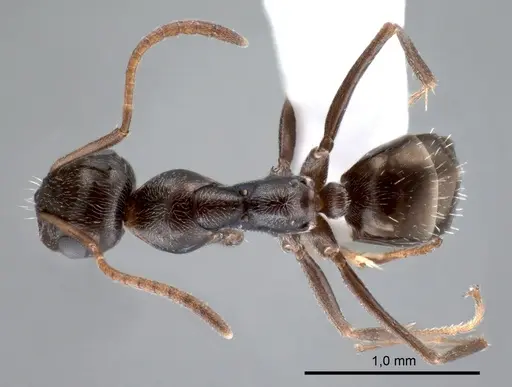
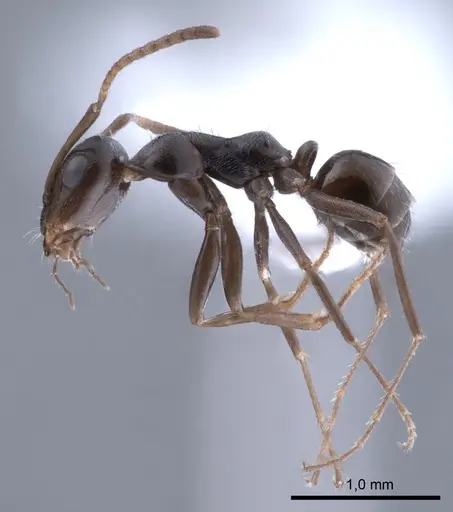
CASENT0912272
View on AntWeb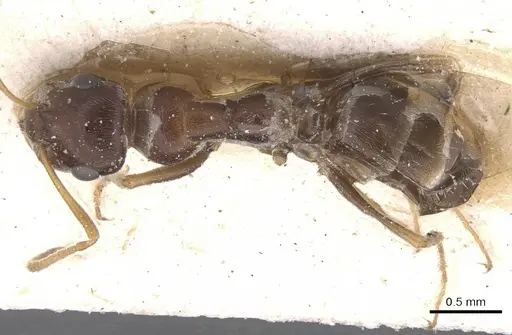
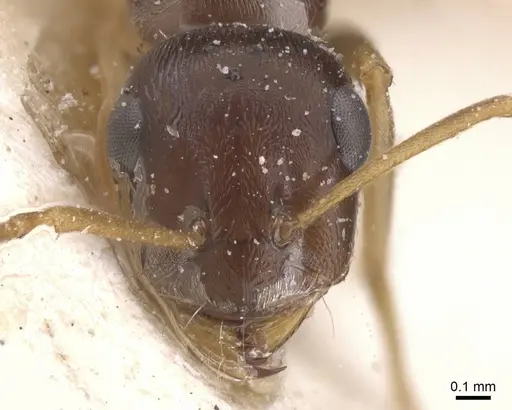
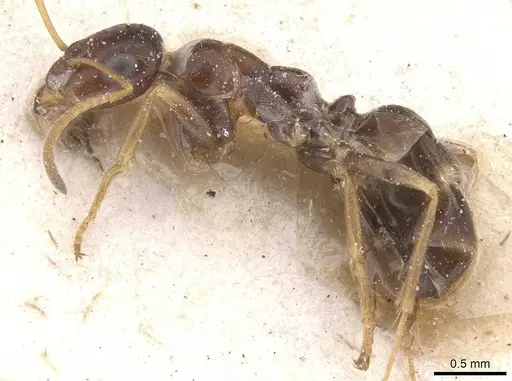
CASENT0917331
View on AntWeb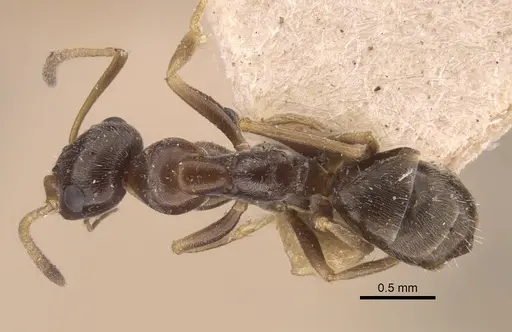
CASENT0922711
View on AntWeb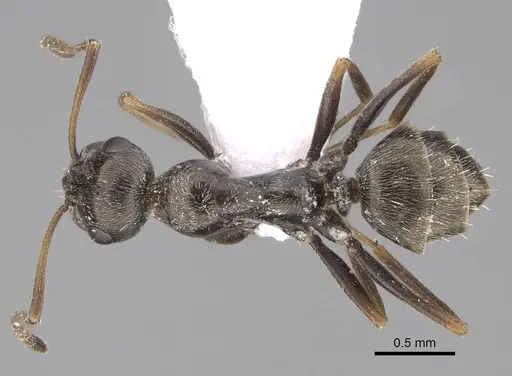
CFH000008
View on AntWeb
Literature
Loading distribution map...Loading products...