
Proformica cerdanyensis
- Sci. Name
- Proformica cerdanyensis
- Tribe
- Formicini
- Subfamily
- Formicinae
- Author
- Galkowski <i>et al.</i>, 2022
- Distribution
- Found in 2 countries
Introduction
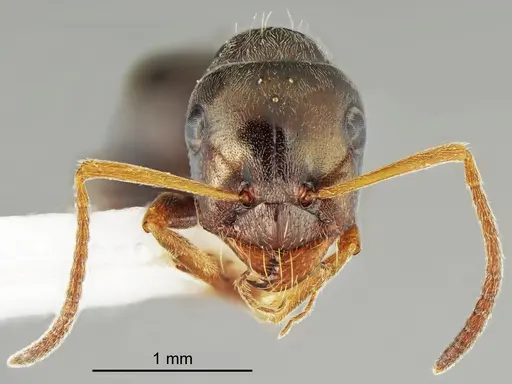
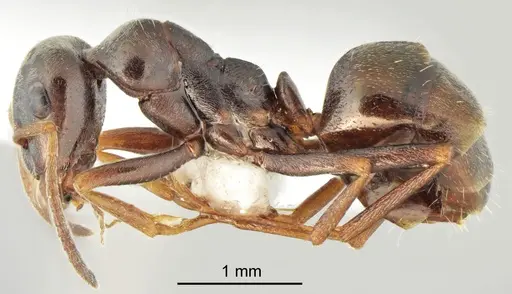
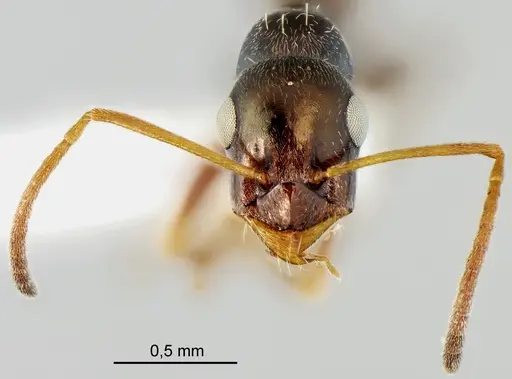
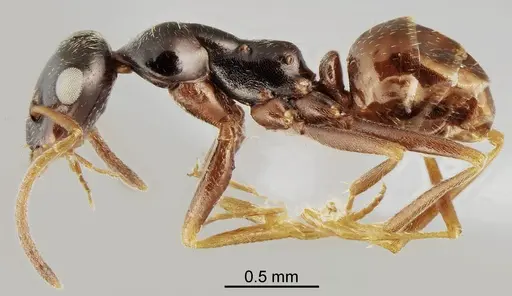
Proformica cerdanyensis is a recently described ant species from the French Pyrenees (Cerdagne region), discovered in 2022. Workers are small to medium-sized ants with brown coloration and slightly coppery reflections, morphologically sitting between Proformica nasuta and Proformica longipilosa in terms of pilosity (body hair development). Queens are macrogynes (large queens) with fully developed thoraces and wing insertion scars, distinct from the ergatomorphic queens seen in Proformica nasuta. This is a mountain species found at elevations of 1203-1615 m in the Western Pyrenees . What makes this species stand out is its colony structure - it's functionally polygynous, meaning multiple queens live together in the same nest and all contribute to egg-laying. This is relatively uncommon among Formica-group ants and creates specific considerations for antkeepers. The species is genetically distinct from its close relatives, forming its own monophyletic clade .
Quick Summary
- Difficulty: Medium
- Origin & Habitat: French Pyrenees (Cerdagne region) in the Palaearctic region. Found at high elevations (1203-1615 m) in mountain habitats around Dorres, La Tour de Carol, and Enveitg [1]. This is a mountain species typically found above 1000 m altitude [2].
- Colony Type: Functionally polygynous, multiple queens per nest, all fecundated and actively laying eggs [1]. This means colonies naturally have several egg-laying queens working together.
- Size & Growth:
- Queen: Unknown total length, based on Proformica genus, queens likely 6-8 mm [1].
- Worker: Unknown total length, based on Proformica genus, workers likely 3-5 mm [1].
- Colony: Up to several hundred workers (estimated from polygynous Proformica species) [1].
- Growth: Moderate
- Development: Unknown, specific development data is not available for this species. (As a newly described species (2022), specific development timing has not been studied.)
- Antkeeping:
- Temperature: As a high-elevation mountain species, maintain cool conditions around room temperature (about 20 °C). Avoid temperatures above 25 °C. Provide a slight temperature gradient if possible [1].
- Humidity: Maintain moderate humidity. Keep the nest substrate moist but not waterlogged. Provide a water source [1].
- Diapause: Yes, this mountain species likely requires winter dormancy. For 3-4 months (November-February in the Northern Hemisphere), reduce temperatures to 5-10 °C [1].
- Nesting: Nesting preferences in the wild are unconfirmed. Based on related Proformica species, they may nest in soil under stones or in rotting wood. For captive care, use a naturalistic setup with soil and flat stones, or a Y‑tong/plaster nest with moderate humidity [1][2].
- Behavior: Workers use formic acid spray for defense. They are active foragers and generally not aggressive. Due to their small size (3-5 mm), ensure good escape prevention, use fluon or similar barriers. Multiple queens can lead to steady colony growth.
- Common Issues: overheating is a risk, this mountain species prefers cool conditions., lack of winter hibernation can harm colony health., high humidity without ventilation can cause mold., workers can escape through very small gaps, use fluon barriers., as a newly described species, captive care knowledge is limited and experimentation may be needed.
Colony Structure and Queen Care
Proformica cerdanyensis is a functionally polygynous species, meaning multiple queens coexist in the same nest and all contribute to reproduction. This is a significant difference from many common ant species that have single queens. In the wild, colonies have been found with multiple fecundated queens, each with developed yellow bodies and mature oocytes in their ovarioles, indicating all queens actively lay eggs [1].
For antkeepers, this means you should not remove extra queens if present. The presence of multiple egg-laying queens is natural for this species and contributes to faster colony growth. However, this also means the colony may be more sensitive to disturbance during the founding stage. If you obtain a colony with multiple queens, maintain the existing structure rather than attempting to separate them.
Temperature and Seasonal Care
As a mountain species from the French Pyrenees (found at 1203-1615 m elevation), Proformica cerdanyensis prefers cooler temperatures than many common ant species. Keep the nest area at room temperature (around 20 °C) and avoid placing the nest in direct sunlight or near heat sources. Temperatures consistently above 25 °C may stress the colony.
This species requires a proper winter dormancy period. During winter (roughly November-February in the Northern Hemisphere), reduce temperatures to 5-10 °C and reduce feeding. This mimics the natural seasonal cycle they experience in their high-altitude Pyrenean habitat. Skipping hibernation can stress the colony and may lead to health problems over time [1][2].
Feeding and Nutrition
Like other Formicinae ants, Proformica cerdanyensis likely accepts a varied diet including sugar sources (honey water, sugar water) and protein (small insects, mealworms). As a newly described species, specific dietary preferences have not been documented, but they probably follow typical Formica-group feeding patterns.
Feed sugar water or honey water regularly (every few days) and provide protein prey 1-2 times per week. Remove uneaten prey after 24-48 hours to prevent mold. Ensure fresh water is always available. Start with modest portions and adjust based on colony consumption, polygynous colonies with multiple queens may have higher food requirements than single-queen colonies.
Nesting Requirements
In the wild, nesting preferences for Proformica cerdanyensis are unconfirmed. Based on related Proformica species, they may nest in soil under stones or in rotting wood. For captive care, a naturalistic setup with soil substrate and flat stones for cover works well. Alternatively, Y‑tong or plaster nests with good moisture retention are suitable.
Ensure the nest maintains moderate humidity, mountain habitats in the Pyrenees are damp. The substrate should remain consistently moist but never waterlogged. Good drainage is important to prevent flooding. Provide a water tube connected to the nest for drinking water. Ventilation should be adequate to prevent mold while maintaining humidity [1].
Handling and Colony Maintenance
Proformica cerdanyensis workers are small (3-5 mm) and active. When maintaining the colony, avoid disturbing the queens unnecessarily. As a polygynous species, the colony structure depends on queen cooperation, and excessive disturbance could stress the colony.
Use standard escape prevention methods, workers use formic acid spray for defense, so they are not aggressive, but their small size allows them to escape through tiny gaps. Apply fluon or similar barriers to prevent escapes. When cleaning or feeding, work quickly but gently to minimize stress. Monitor for mold in naturalistic setups and maintain proper humidity levels.
Frequently Asked Questions
How do I care for Proformica cerdanyensis ants?
Keep them at room temperature (around 20 °C) with moderate humidity. They require winter hibernation at 5-10 °C for 3-4 months. Feed sugar water and small insects regularly. Use a naturalistic or Y‑tong nest setup [1].
What is the colony type of Proformica cerdanyensis?
This is a polygynous species, multiple queens live together in the same nest and all lay eggs. This is natural for this species, so don't remove extra queens [1].
Do Proformica cerdanyensis ants need hibernation?
Yes. As a mountain species from the French Pyrenees (1203-1615 m elevation), they require a winter dormancy period. Keep them at 5-10 °C for about 3-4 months during winter [1][2].
How big do Proformica cerdanyensis colonies get?
Maximum colony size is not documented, but as a polygynous species, they may reach several hundred workers. Growth is moderate, typical of mountain Formicinae [1].
What do Proformica cerdanyensis ants eat?
They likely accept standard ant foods: sugar water or honey water for carbohydrates, and small insects (fruit flies, mealworms, small crickets) for protein. This follows typical Formica-group feeding patterns.
What temperature do Proformica cerdanyensis ants need?
Keep them at room temperature (around 20 °C). As a mountain species from high elevations in the Pyrenees, they prefer cool conditions and cannot tolerate heat above 25 °C [1].
Where is Proformica cerdanyensis found in the wild?
This species is only known from the Cerdagne region in the French Pyrenees (Dorres, La Tour de Carol, Enveitg) at elevations of 1203-1615 m. It was formally described in 2022 [1].
Is Proformica cerdanyensis good for beginners?
This species is rated as Medium difficulty. While polygynous colonies can be rewarding, the need for proper hibernation and limited captive care information makes it better suited for intermediate antkeepers [1].
How long does it take for Proformica cerdanyensis to develop from egg to worker?
Specific development time has not been documented. Expect moderate growth typical of mountain Formicinae, but exact timing is unknown.
Can I keep multiple Proformica cerdanyensis queens together?
Yes, this is a naturally polygynous species. Multiple queens per nest is the normal colony structure, with all queens being fecundated and laying eggs. Don't separate them [1].
Report an Issue
The current care sheet is based fully on literature. See inconsistencies, or something that's incorrect? Please , it will be resolved after review from an admin. Contributing to the blogs tab also helps providing information, to make us be able to further improve the caresheets. Thank you for your support!
References

This caresheet is licensed under CC BY-SA 4.0 .
Community Blogs
ANTWEB1041582
View on AntWeb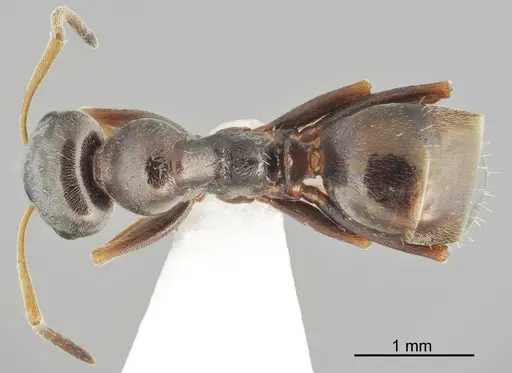
ANTWEB1041583
View on AntWeb
Literature
Loading distribution map...Loading products...