
Procryptocerus victoris
- Sci. Name
- Procryptocerus victoris
- Tribe
- Attini
- Subfamily
- Myrmicinae
- Author
- Kempf, 1960
- Distribution
- Found in 1 countries
Introduction
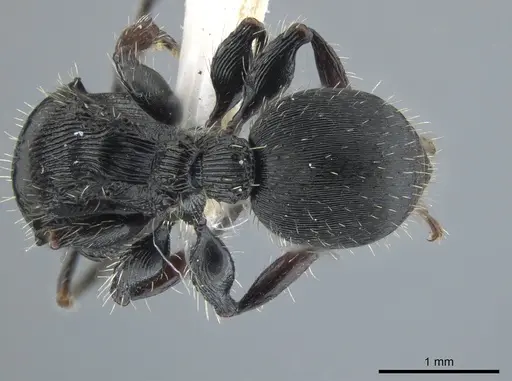
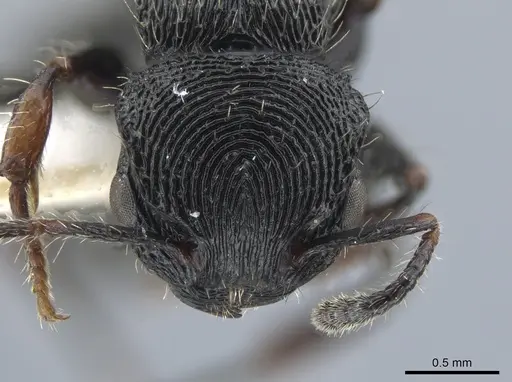
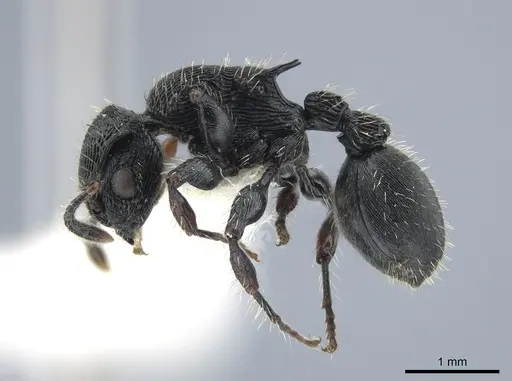
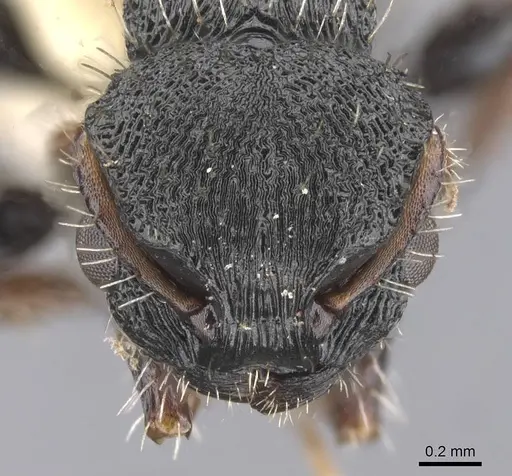
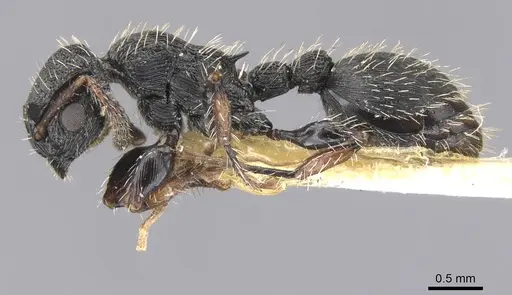
Procryptocerus victoris is an ant species native to Brazil, described by Kempf in 1960 . It belongs to the tribe Attini in the subfamily Myrmicinae . Workers have morphological features such as a falcate epicnemial process and costate patterns on the frons and mesonotum . The species is recorded in southeastern Brazil, with some listings in Costa Rican inventories . As a member of Attini, it is related to fungus-growing ants, but specific dietary habits are unconfirmed.
Quick Summary
- Difficulty: Unknown, Insufficient data
- Origin & Habitat: Southeastern Brazil, specifically São Paulo region, in Neotropical forests [1][3]. Specific habitat preferences are unconfirmed.
- Colony Type: Colony structure is unconfirmed. No data on queen number or social structure.
- Size & Growth:
- Queen: Size data unavailable, no total length measurements documented
- Worker: Size data unavailable, no total length measurements documented
- Colony: Unknown, no colony size data available
- Growth: Unknown
- Development: Unknown, no development data exists for this species (Development timelines are unconfirmed.)
- Antkeeping:
- Temperature: Unknown, based on Neotropical distribution, likely warm conditions, but no specific data
- Humidity: Unknown, substrate should be kept moist but not waterlogged, based on general forest habitats
- Diapause: Unknown, Neotropical species may not require true hibernation
- Nesting: Unconfirmed, likely nests in forested areas, but no specific data. Recommend test tubes or soil-based nests with moist substrate.
- Behavior: Behavior is poorly documented. Based on genus patterns, Procryptocerus ants are generally non-aggressive and cryptic [2]. Escape risk is unknown due to lack of size data. Defense mechanism is a sting, as typical for Myrmicinae, but no species-specific documentation exists.
- Common Issues: lack of documented care requirements makes successful cultivation challenging., no confirmed diet acceptance, what to feed is unknown., colony founding success rate is unestablished., wild-caught colonies may be difficult to locate due to cryptic habits., temperature and humidity requirements are inferred, not confirmed.
Species Overview and Distribution
Procryptocerus victoris was described by Kempf in 1960 from specimens in São Paulo, Brazil [1]. The type locality is Alto da Serra near Santos. It is primarily found in southeastern Brazil, with some records in Costa Rica [3]. As part of the Attini tribe, it is taxonomically related to fungus-growing ants, but specific biology is unconfirmed [2].
Identification and Morphology
Workers can be identified by a falcate epicnemial process, anteriorly visible condylar bulb, and rimae on the frons and mesonotum [2]. No body size measurements are documented, so precise identification requires reference specimens.
Housing and Nesting
Specific nesting preferences are unconfirmed. Based on general Attini biology, provide humid, forested microhabitats. Use test tube setups or soil-based nests with moist substrate. Avoid acrylic nests, recommend Y-tong, plaster, or 3D-printed nests. Maintain a humidity gradient with one small moist area.
Feeding and Diet
Dietary requirements are unconfirmed. Based on typical Myrmicinae patterns, offer small insects like fruit flies and honeydew. Begin with small live prey and observe acceptance. No specific food data exists for this species.
Temperature and Humidity
Temperature and humidity needs are unknown. As a Neotropical species, aim for warm conditions around 24-28°C, but this is inferred. Keep substrate consistently moist but not waterlogged. Avoid temperatures below 20°C.
Colony Development
No development data exists. Colony sizes are unknown. Founding behavior is unconfirmed. Queens may seal themselves in a chamber, but this is not documented.
Frequently Asked Questions
How do I care for Procryptocerus victoris ants?
Care requirements are not well-documented. Provide warm temperatures, moist substrate, and small protein prey. Use test tube or soil-based nests. This species is uncommon with limited husbandry information.
What do Procryptocerus victoris eat?
Exact diet is unconfirmed. Likely accepts small insects like fruit flies, based on typical Myrmicinae patterns. Begin with small live prey and observe.
How long does it take for Procryptocerus victoris to develop from egg to worker?
No development data exists for this species. Timelines are unknown.
How big do Procryptocerus victoris colonies get?
Colony size is unconfirmed. No data on maximum workers available.
What temperature should I keep Procryptocerus victoris at?
Temperature needs are unknown. Based on Neotropical distribution, aim for warm conditions around 24-28°C, but this is inferred.
Is Procryptocerus victoris a good species for beginners?
This species is not recommended for beginners due to lack of documented care requirements.
Where is Procryptocerus victoris found?
Procryptocerus victoris is native to Brazil, specifically São Paulo region, with some records in Costa Rica [1][3].
Do Procryptocerus victoris queens need to hibernate?
Diapause requirements are unconfirmed. As a Neotropical species, true hibernation is unlikely.
Can I keep multiple Procryptocerus victoris queens together?
Colony structure is unconfirmed. Without evidence, combining queens is not recommended due to potential aggression.
Report an Issue
The current care sheet is based fully on literature. See inconsistencies, or something that's incorrect? Please , it will be resolved after review from an admin. Contributing to the blogs tab also helps providing information, to make us be able to further improve the caresheets. Thank you for your support!
References

This caresheet is licensed under CC BY-SA 4.0 .
Community Blogs
CASENT0651700
View on AntWeb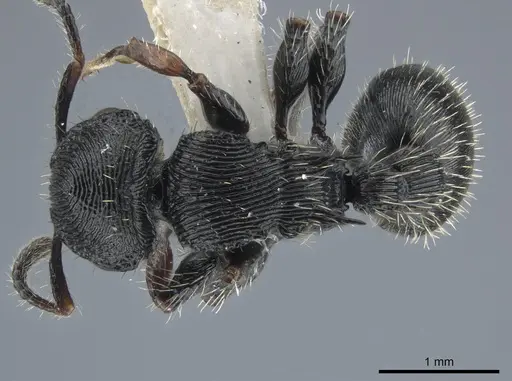
CASENT0912587
View on AntWeb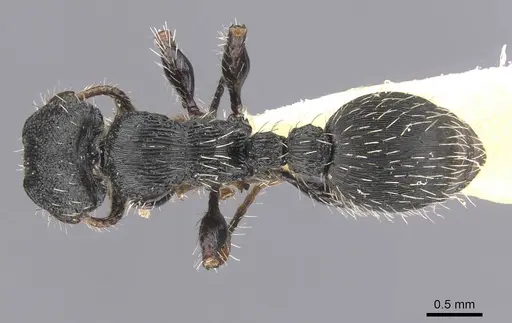
Literature
Loading distribution map...Loading products...