
Procryptocerus sulcatus
- Sci. Name
- Procryptocerus sulcatus
- Tribe
- Attini
- Subfamily
- Myrmicinae
- Author
- Emery, 1894
- Distribution
- Found in 1 countries
Introduction
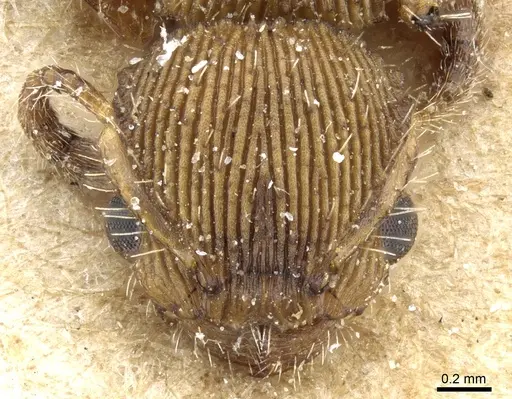
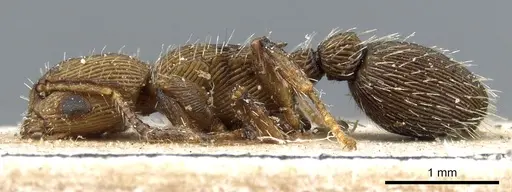
Procryptocerus sulcatus is a small fungus-growing ant native to Brazil, specifically the Rio de Janeiro region . Workers are small, but exact size measurements are not available in the literature . As members of the tribe Attini, these ants cultivate fungus for food rather than hunting insects . Queens were described by Kempf in 1951,but type specimens have not been located in collections . This species is an unusual choice for antkeeping due to its specialized fungus-growing behavior.
Quick Summary
- Difficulty: Expert
- Origin & Habitat: Native to the Neotropical region of Brazil, specifically Rio de Janeiro. Found in tropical forest habitats [1][2].
- Colony Type: Based on Attini patterns, likely monogyne (single-queen) colonies.
- Size & Growth:
- Antkeeping:
- Temperature: Keep warm, roughly 24-28°C, based on tropical habitat [2]
- Humidity: Keep nest substrate consistently moist but not waterlogged [2]
- Diapause: No, as tropical ants from Brazil they do not require hibernation [2]
- Nesting: Y-tong (AAC) or plaster nests with moist substrate for fungus cultivation [2]
- Behavior: Docile and non-aggressive. They lack functional stingers and use chemical defenses typical of Attini. Tiny size poses high escape risk [2].
- Common Issues: escape prevention is critical due to tiny size, fungus cultivation can fail if humidity drops or contamination occurs, slow growth tests keeper patience, specialized diet requires fungus-growing substrate
Housing and Nest Setup
Procryptocerus sulcatus requires careful housing due to their small size and specialized needs. Y-tong (AAC) nests or plaster nests work well, as they hold moisture and provide damp conditions for fungus cultivation [2]. Chambers should be tight and narrow, scaled to their small size. Avoid large open spaces in the nest. Use a water reservoir to maintain humidity without frequent misting. For the outworld, a small container with moist substrate allows fungus cultivation. Escape prevention is essential: use fine mesh on ventilation holes and ensure tight-fitting lids [2].
Feeding and Diet
As fungus-growing ants, Procryptocerus sulcatus cultivates a specialized fungus garden for food. In captivity, provide organic material like leaf litter or cut-up vegetables for the fungus to grow on. Do not offer sugar water, honey, or insects as primary food [2]. The key is establishing and maintaining a healthy fungus colony, which requires a specialized commitment [2].
Temperature and Humidity
These are tropical ants requiring warm, humid conditions. Maintain temperatures around 24-28°C, avoiding below 22°C [2]. Humidity is critical: keep the nest substrate consistently moist but not waterlogged [2]. Use a water reservoir system for stable humidity [2].
Colony Establishment and Growth
Establishing a colony requires patience. Founding behavior is unconfirmed, but expect slow growth due to fungus cultivation [2]. First workers may emerge in 2-3 months under optimal conditions. Colonies likely remain small, with steady but slow growth [2]. Avoid disturbing the nest during founding [2].
Behavior and Temperament
Procryptocerus sulcatus is docile and non-aggressive. They lack functional stingers and use chemical defenses [2]. Workers are slow-moving and tend to the fungus garden. Their tiny size makes them prone to escape, so ensure secure housing [2].
Frequently Asked Questions
Can I keep Procryptocerus sulcatus in a test tube?
Test tubes are not ideal, as they cannot provide the moist substrate needed for fungus cultivation. Use a Y-tong or plaster nest with a water reservoir instead [2].
What do Procryptocerus sulcatus eat?
They cultivate a fungal garden for nutrition. Provide organic material like leaf litter or vegetables for the fungus to grow on [2].
How long does it take for first workers to emerge?
Based on Attini patterns, expect 8-12 weeks from founding to first workers [2].
Are Procryptocerus sulcatus good for beginners?
No, this is an expert-level species due to specialized fungus-growing needs [2].
How big do Procryptocerus sulcatus colonies get?
Colonies are small, likely up to 100 workers at maturity [2].
Do they need hibernation?
No, as tropical ants from Brazil, they do not require hibernation [2].
Why are my Procryptocerus sulcatus dying?
Common causes include low humidity, cool temperatures, or fungus contamination. Keep substrate moist and temperatures in the 24-28°C range [2].
Can I keep multiple queens together?
Not recommended, as Attini typically form single-queen colonies. Combining queens has not been studied and could cause aggression [2].
When should I move them to a formicarium?
Wait until the colony has at least 20-30 workers and maintains a healthy fungus garden. Ensure the new setup can maintain high humidity [2].
Report an Issue
The current care sheet is based fully on literature. See inconsistencies, or something that's incorrect? Please , it will be resolved after review from an admin. Contributing to the blogs tab also helps providing information, to make us be able to further improve the caresheets. Thank you for your support!
References

This caresheet is licensed under CC BY-SA 4.0 .
Community Blogs
CASENT0904893
View on AntWeb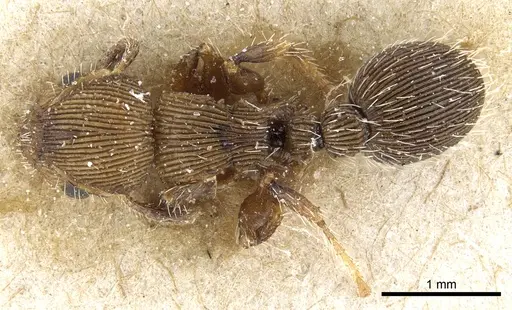
Literature
Loading distribution map...Loading products...