
Procryptocerus subpilosus
- Sci. Name
- Procryptocerus subpilosus
- Tribe
- Attini
- Subfamily
- Myrmicinae
- Author
- Smith, 1860
- Distribution
- Found in 3 countries
Introduction
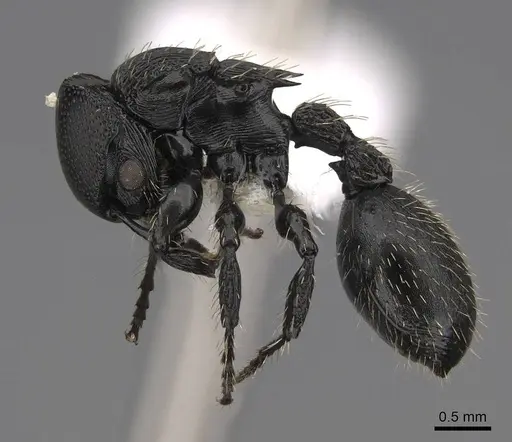
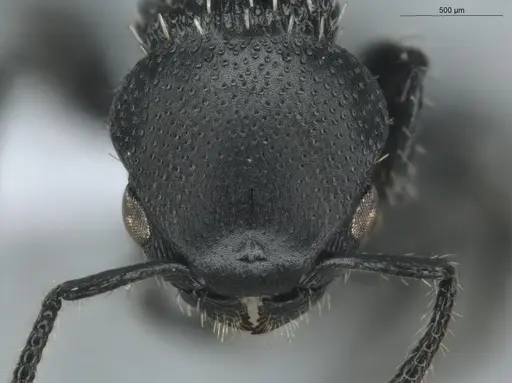
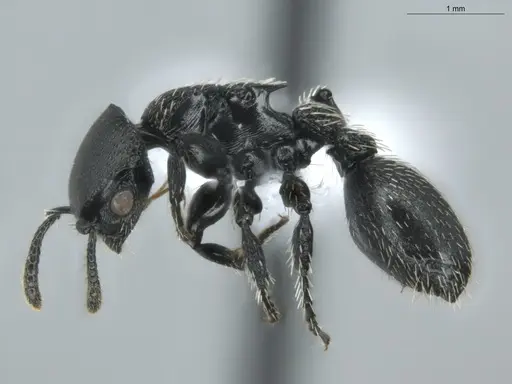
Procryptocerus subpilosus is a small arboreal ant from the Amazon basin and surrounding regions of South America. Its exact total body length is not recorded, but detailed morphometrics show a head width of about 1.28mm. The workers have a shallow, subtly sculpted face with tiny pits, and the first segment of the gaster (abdomen) has distinctive lengthwise grooves. The petiole (waist segment) is notably elongated. Queens are similar but larger, with a head width of about 1.39mm. This species belongs to the tribe Attini (the same group as leaf-cutter ants), but Procryptocerus are not leaf-cutters. They live in tropical rainforests and igapó (flooded Amazon forests), nesting in dry branches of trees and shrubs like Miconia species. Their range includes Brazil, Ecuador, Guyana, Peru, Trinidad, and recently Colombia .
Quick Summary
- Difficulty: Expert
- Origin & Habitat: Tropical rainforest and igapó (Amazon flooded forest) habitats in South America. Found from Brazil through Ecuador to Guyana and Peru, typically at low elevations. Nests in dry branches of trees and low vegetation, especially Miconia species [1][2].
- Colony Type: Colony structure is unconfirmed. Based on related Attini ants, likely single-queen colonies, but no direct data exists. Note: colonies are not populous [3].
- Size & Growth:
- Queen: Size data unavailable (no total length measurements), head width ~1.39mm [1]
- Worker: Size data unavailable (no total length measurements), head width ~1.28mm [1]
- Colony: Up to a few hundred workers at most [3] (inferred from 'colonies are not populous')
- Growth: Unknown, likely moderate to slow based on genus patterns
- Development: Unknown, no direct data available for this species (As a tropical species, development likely depends on stable warm temperatures.)
- Antkeeping:
- Temperature: Keep warm and stable, typical tropical ant conditions (roughly 24-28°C). Provide a gentle gradient so ants can self-regulate. No exact data available.
- Humidity: High humidity required, rainforest species. Keep nest substrate consistently moist but not waterlogged. Use a humidity gradient with some drier areas to prevent mold.
- Diapause: Unknown, tropical species may not require formal hibernation but might slow down during cooler periods.
- Nesting: Arboreal nester, they naturally nest in dry branches of trees and shrubs. In captivity, use a naturalistic setup with cork bark, wooden structures, or a Y-tong (aerated concrete)/plaster/3D-printed nest with narrow, branch-like chambers. They prefer tight, enclosed spaces. Avoid tall, open areas.
- Behavior: Arboreal and relatively docile. Workers forage on low vegetation and tree branches. They are not aggressive and lack a stinger that can penetrate human skin (Myrmicinae sting, but weak). Escape risk is moderate, they are small ants (head width ~1.28mm) and can fit through tiny gaps, so use fine mesh barriers. Activity is moderate. They likely use chemical recruitment for food sources, similar to other Attini.
- Common Issues: lack of captive breeding data makes successful keeping difficult, this species is rarely kept in captivity, humidity control is critical, too dry and colonies fail, too wet and mold becomes a problem, arboreal nesting means standard test tube setups may not be ideal, they need branch-like structures, food acceptance in captivity is unconfirmed, may be specialized feeders, wild-caught colonies may have parasites or be stressed from collection, small size means they can escape through tiny cracks, use fine mesh or fluon barriers
Natural History and Distribution
Procryptocerus subpilosus is a Neotropical ant species found throughout the Amazon basin. Their range extends from Brazil (including states of Amapá, Amazonas, Bahia, Mato Grosso, Pará, and Rondonia) through Ecuador, Guyana, Peru, and Trinidad. More recently, they have been recorded in Colombia's Putumayo region [1][4]. They inhabit tropical rainforests and igapó forests, the seasonally flooded forests characteristic of the Amazon basin. These ants are arboreal, meaning they live in trees and shrubs rather than on the ground. They construct nests in dry branches, with documented collections from Miconia trees (family Melastomataceae) and other vegetation [2]. The species was originally described by Fred Smith in 1860 as Procryptocerus subpilosus before being moved to Procryptocerus [5]. They are distinguished from related species by their flat notopropodeum (the area between the mesonotum and propodeum), relatively smooth frons, and the distinctive longitudinal striations on their gaster [4]. Colonies are not populous, and they tend to nest in isolated spots on low vegetation [3].
Morphology and Identification
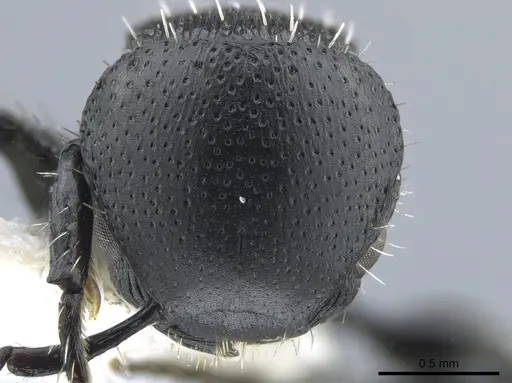
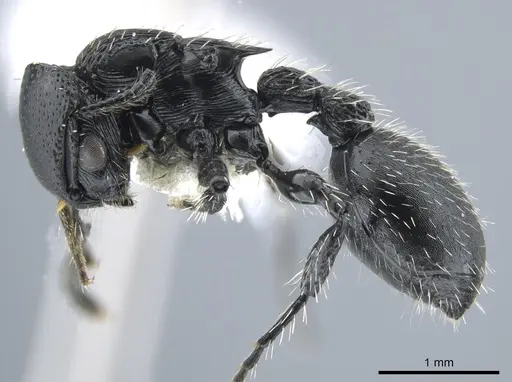
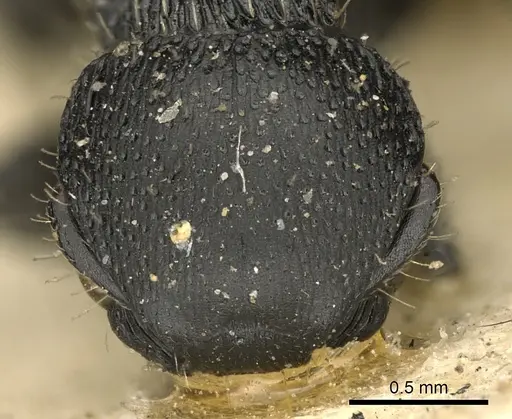
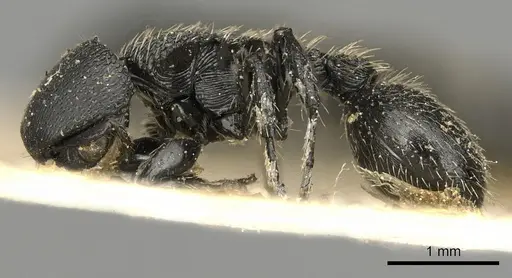
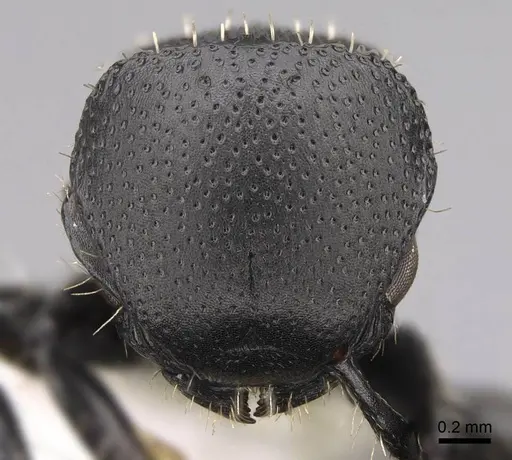
Detailed morphometrics are available for workers and queens, but total body length has not been recorded. Workers have a head width of about 1.28mm, queens about 1.39mm [1]. The most distinctive morphological features include a very shallowly sculptured face with small, shallow foveae that become increasingly effaced toward the front, and an elongated petiole (petiole length/height ratio 1.3) [1]. The first gastral tergite has longitudinal striations that are slightly irregular and anastomosing (connecting), gradually fading toward the back, with the posterior tip being smooth and shining. The face typically has two very short setae centrally and a longer pair near the occipital border. Queens are similar in appearance to workers, with the pronotum showing closely spaced foveae laterally, each bearing a stiff, flattened seta [1]. The mesoscutum, axillae, and scutellum feature a mixture of elongate foveae and longitudinal striae. This species was previously considered synonymous with P. impressus, but Kempf (1963) established them as separate species [1].
Housing and Nest Preferences
Based on their natural arboreal nesting habits, Procryptocerus subpilosus requires housing that mimics their preferred branch-nesting environment. In the wild, they inhabit dry branches of trees and shrubs, particularly species like Miconia [2]. For captive care, a naturalistic setup with cork bark, wooden structures, or a custom Y-tong (aerated concrete)/plaster/3D-printed formicarium with narrow, branch-like chambers works best. They prefer tight, enclosed spaces rather than open areas. The nest should be kept humid to simulate rainforest conditions, but with some drier areas available so the ants can self-regulate. Avoid tall, open spaces, these are small ants that feel secure in compact chambers. Since they are arboreal, ensure the nest has appropriate vertical structures or branches they can walk on. Escape prevention is important, they are small (head width ~1.28mm) and can slip through tiny cracks, so use fine mesh or fluon barriers.
Feeding and Diet
The specific dietary requirements of Procryptocerus subpilosus are not documented in scientific literature. They were once placed in tribe Attini (which includes leaf-cutter ants that cultivate fungi), but there is no evidence that this species cultivates fungi. They likely forage for small arthropods and collect honeydew from sap-sucking insects. In captivity, offer a varied diet including small live prey (fruit flies, springtails, pinhead crickets) and sugar sources like honey water or sugar water. Since their exact preferences are unknown, offer variety and observe what they accept. Remove uneaten food promptly to prevent mold.
Temperature and Humidity Requirements
As a tropical rainforest species from the Amazon basin, Procryptocerus subpilosus requires warm and humid conditions. Maintain temperatures around 24-28°C, which matches their native Amazonian habitat. Temperature fluctuations should be minimal, these are stable-environment ants. A heating cable on one side of the nest can create a gentle gradient, allowing the ants to self-regulate their temperature preference. Humidity is critical, keep the nest substrate consistently moist but not waterlogged. The substrate should feel damp to the touch. Since they come from igapó (flooded forest) environments, they are adapted to high humidity. However, avoid standing water and ensure good ventilation to prevent mold growth. A hygrometer can help monitor conditions, but visual observation of condensation and substrate moisture is often more practical.
Challenges in Captive Care
Procryptocerus subpilosus is an expert-level species primarily because there is almost no captive breeding data or established husbandry protocols for this ant. They are rarely kept in captivity, meaning there are few experienced keepers to draw advice from. The main challenges include: confirming food acceptance (they may be specialized feeders), maintaining appropriate humidity without causing mold, providing suitable arboreal-style housing, and obtaining healthy wild-caught colonies. Wild-caught colonies may carry parasites or be stressed from collection and transport. Additionally, since they are collected from remote rainforest locations, they may be sensitive to changes in environment. If you obtain a colony, quarantine and monitor closely. Consider joining antkeeping communities to share observations and learn from others attempting to keep this species. Success with this species would represent a significant contribution to antkeeping knowledge.
Frequently Asked Questions
How long does it take for Procryptocerus subpilosus to produce first workers?
The exact development timeline is unconfirmed for this species. No specific data exists for P. subpilosus. Based on typical tropical ant patterns, eggs might take 6-10 weeks to become workers at optimal temperature (24-28°C), but this is only a rough estimate.
Can I keep Procryptocerus subpilosus in a test tube setup?
Test tubes are not ideal for this species. They are arboreal ants that naturally nest in branches, not ground-nesting ants. A naturalistic setup with cork bark, wooden structures, or a custom Y-tong/plaster/3D-printed nest with branch-like chambers is more appropriate. However, a test tube with a water reservoir may work for temporary housing or founding queens if observation is needed.
What do Procryptocerus subpilosus ants eat?
Their exact diet is not documented. Based on related Procryptocerus species, they likely accept small protein sources like micro-arthropods (fruit flies, springtails, small crickets) and may also collect honeydew. Offer a varied diet including small live prey and sugar water or honey water. Remove uneaten food promptly.
Do Procryptocerus subpilosus need hibernation or diapause?
As a tropical species from the Amazon basin, they likely do not require formal hibernation. However, they may slow down during cooler periods. Maintain warm temperatures year-round (24-28°C) for optimal colony health.
How big do Procryptocerus subpilosus colonies get?
The maximum colony size is unknown. Based on typical Procryptocerus and Attini patterns, colonies likely remain small, under a few hundred workers at most. They are not known for supercolonial structures [3].
Is Procryptocerus subpilosus suitable for beginners?
No, this is an expert-level species. There is almost no captive breeding data, and their specific requirements (particularly diet and humidity) are not well understood. They are rarely kept in captivity and require experienced keepers willing to experiment and document their findings.
Where does Procryptocerus subpilosus live in the wild?
They are found in tropical rainforests and igapó (Amazon flooded forests) across South America, specifically Brazil, Ecuador, Guyana, Peru, Trinidad, and recently Colombia. They are arboreal, nesting in dry branches of trees and shrubs like Miconia species at low elevations [1][2][4].
Can I keep multiple Procryptocerus subpilosus queens together?
The colony structure is unconfirmed for this species. Based on typical Attini patterns, they likely form single-queen colonies. Combining unrelated queens has not been documented and is not recommended without evidence they can coexist.
What temperature and humidity should I maintain for Procryptocerus subpilosus?
Keep temperatures at 24-28°C with minimal fluctuations. Humidity should be high, keep the nest substrate consistently moist but not waterlogged. These are rainforest ants adapted to humid conditions. Good ventilation is essential to prevent mold while maintaining humidity.
Report an Issue
The current care sheet is based fully on literature. See inconsistencies, or something that's incorrect? Please , it will be resolved after review from an admin. Contributing to the blogs tab also helps providing information, to make us be able to further improve the caresheets. Thank you for your support!
References

This caresheet is licensed under CC BY-SA 4.0 .
Community Blogs
CASENT0651708
View on AntWeb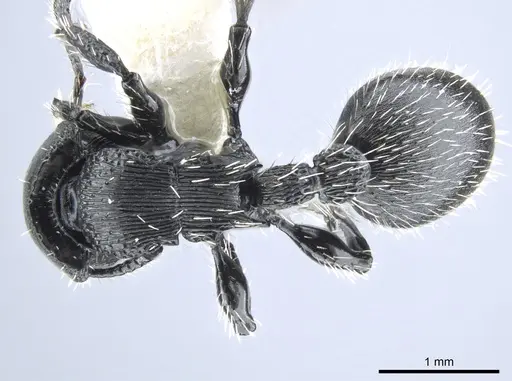
CASENT0900225
View on AntWeb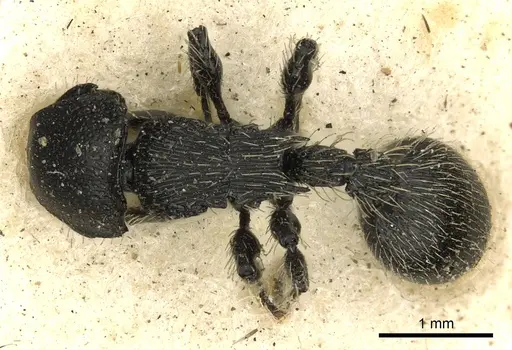
CASENT0922633
View on AntWeb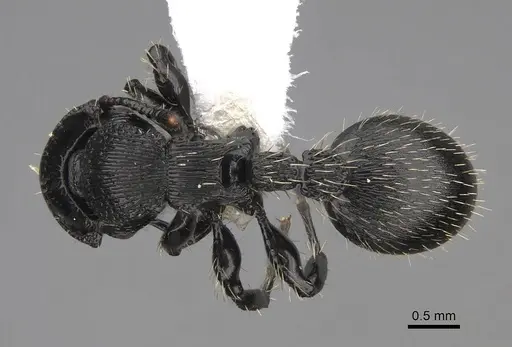
ECOFOG-PTG20-0032-14
View on AntWeb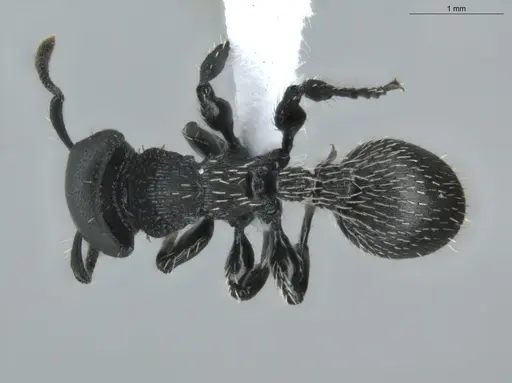
Literature
Loading distribution map...Loading products...