
Procryptocerus scabriusculus
- Sci. Name
- Procryptocerus scabriusculus
- Tribe
- Attini
- Subfamily
- Myrmicinae
- Author
- Forel, 1899
- Distribution
- Found in 4 countries
Introduction
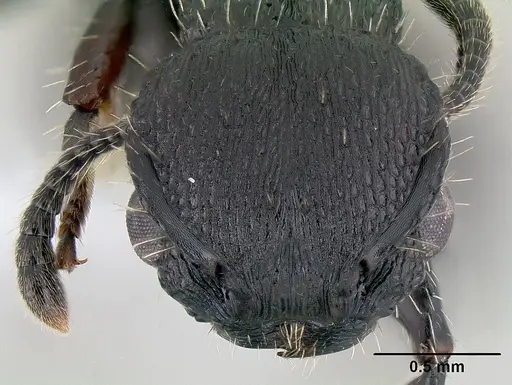
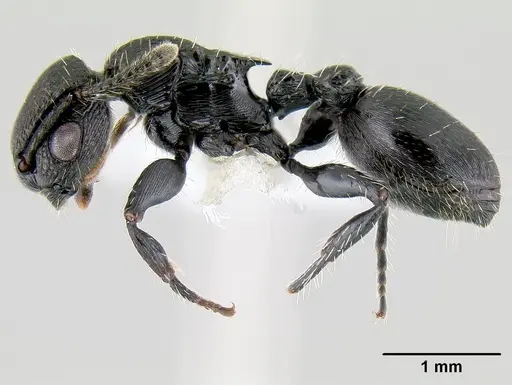
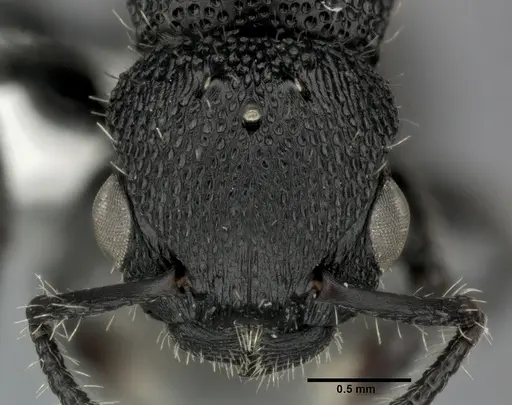
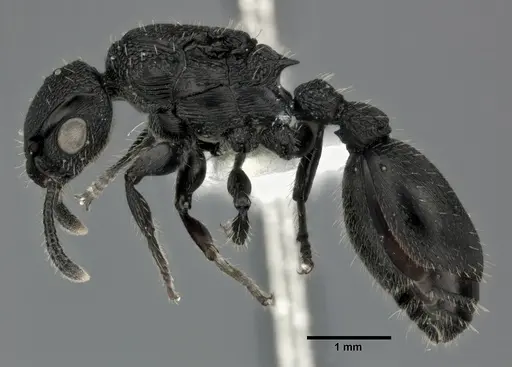
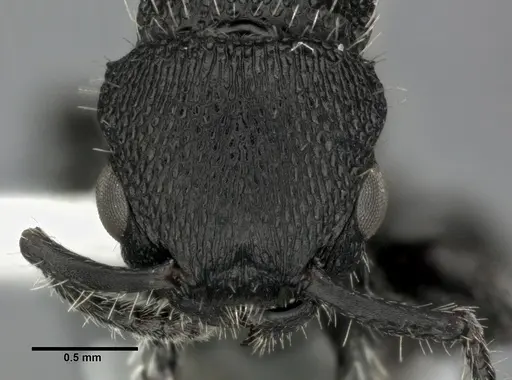
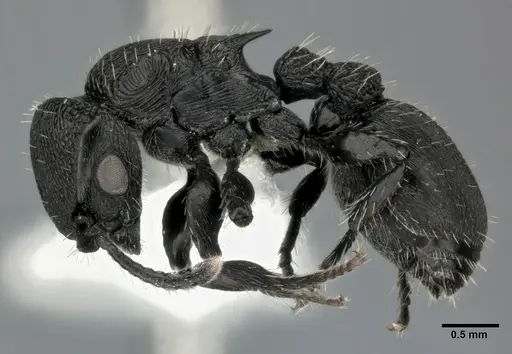
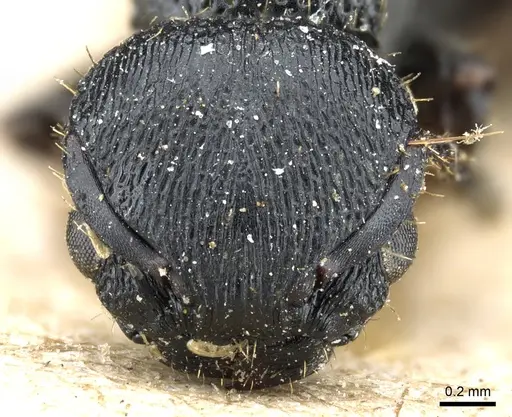
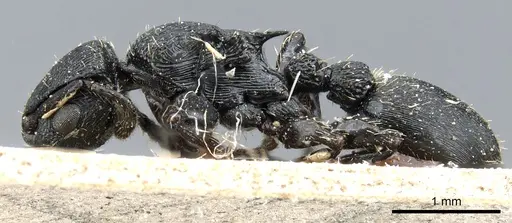
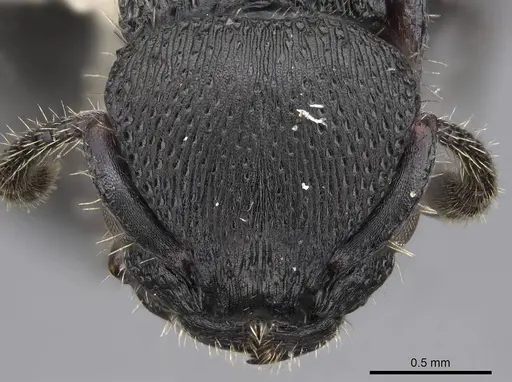
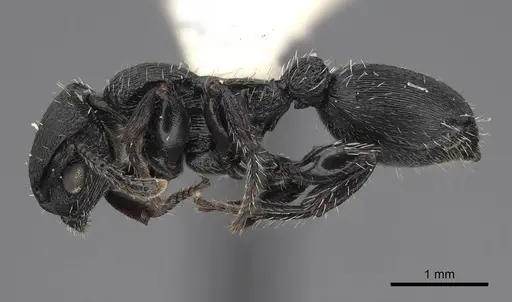
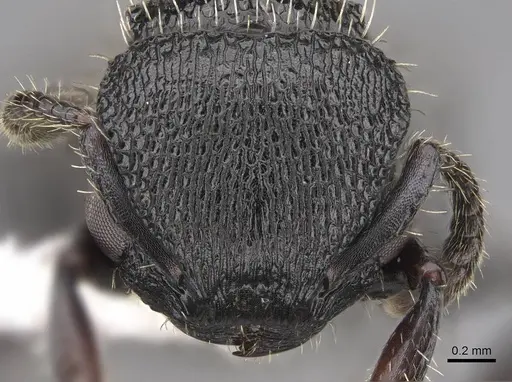
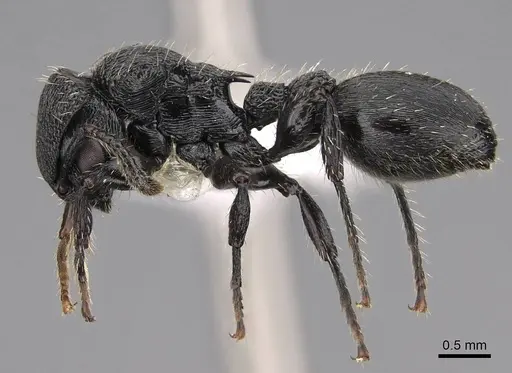
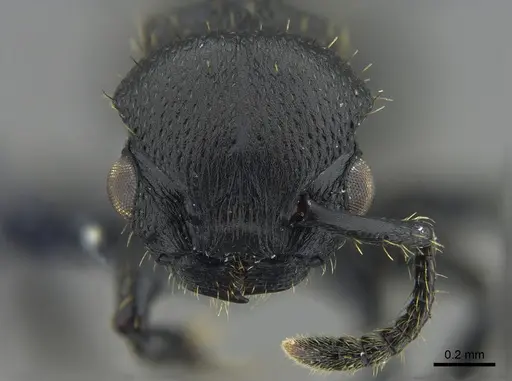
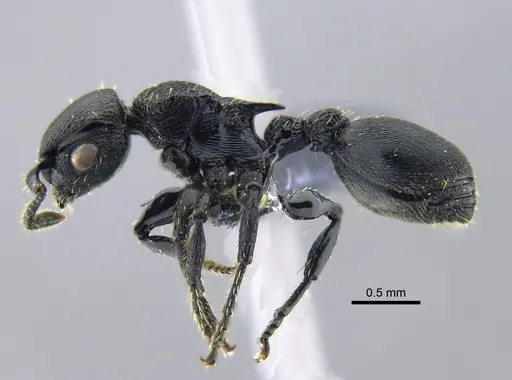
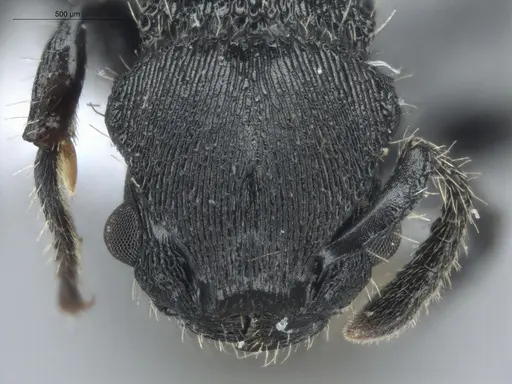
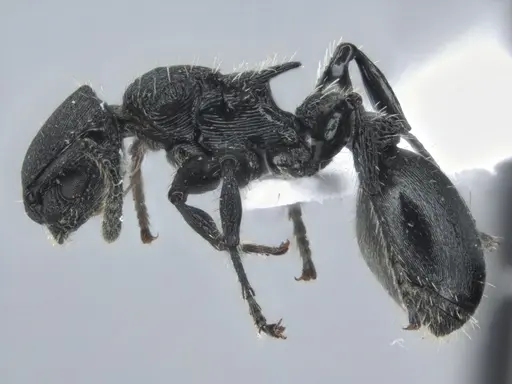
Procryptocerus scabriusculus is a small ant native to Central and northern South America. It is the most frequently encountered *Procryptocerus* species in Central America . Specific body size measurements are not documented, but based on the genus *Procryptocerus*, workers range from 3.5 to 8.5 mm . They have a distinctive appearance: a subcircular head, strongly swollen femora, and longitudinal striations on the gaster. The face has a rough, foveate-striolate sculpture. Unlike most of its relatives that prefer wet forests, *P. scabriusculus* thrives in dry habitats, roadsides, and second-growth vegetation . It nests in hollow twigs and stems of plants like *Acacia*, *Spilanthes*, and *Baccharis* . Colonies can be either monogynous (single queen) or polygynous (multiple queens), with up to 27% of the adult population composed of queens in polygynous nests . Workers forage at dusk and during the night, and winged queens and males are attracted to lights at night .
Quick Summary
- Difficulty: Medium
- Origin & Habitat: Native to the Neotropical region from Mexico to Venezuela, including Belize, Colombia, Costa Rica, El Salvador, French Guiana, Guatemala, Honduras, Nicaragua, and Panama. Found from sea level to 1450 m elevation in dry habitats, roadsides, second-growth vegetation, and coffee plantations [1][3].
- Colony Type: Facultatively polygynous – colonies can be monogyne (single queen) or polygyne (multiple queens working together). In polygynous colonies, up to 27% of adults can be queens. At least one colony was polydomous (multiple connected nest sites) [1][3].
- Size & Growth:
- Queen: Specific queen size not documented. Based on the genus, queens are approximately the same size as workers or slightly larger.
- Worker: Species-specific worker size not documented. Based on the genus *Procryptocerus*, workers range from 3.5 to 8.5 mm [2].
- Colony: One documented colony had 6 queens and 62 workers, plus brood. Based on scaling analysis, maximum colony size is approximately 62 workers [4][3].
- Growth: Moderate (estimated based on related Myrmicinae – no direct data)
- Development: Not documented. Based on typical Myrmicinae at tropical temperatures (22–28°C), may take 6–10 weeks. This is an estimate. (No direct species-specific development data available.)
- Antkeeping:
- Temperature: No specific temperature data available. Based on its tropical dry habitat, maintain room temperature (22–28°C). Avoid temperatures below 18°C [1][3].
- Humidity: No specific humidity data. Based on its dry habitat preference, provide moderate humidity with a moisture gradient. Keep the nest substrate slightly dry but not completely dry [1].
- Diapause: No. As a tropical species, it does not require winter cooling or diapause [3].
- Nesting: Twig-nesting species. Provide narrow horizontal chambers (e.g., in Y-tong, plaster, or 3D-printed nests, or test tubes). Chambers should be roughly 4–8 mm in diameter to match worker size [1][3].
- Behavior: Generally calm and non-aggressive. Workers forage primarily at dusk and during the night. Escape risk is moderate due to their small size – use standard escape prevention with fine mesh. They are poor competitors in laboratory studies, losing about 60% of nest competition encounters, so keep them away from aggressive ant species [5].
- Common Issues: poor competitor – they lose most nest competition encounters in lab studies, so keep them separate from aggressive ant species, nocturnal foraging – they may be less active during daytime observation, tropical species does not tolerate cold – keep above 18°C year-round, small size – they can slip through small gaps, ensure tight sealing, founding behavior unknown – monitor queens closely if acquiring single foundresses
Housing and Nest Setup
Procryptocerus scabriusculus naturally nests in hollow twigs and stems. In captivity, replicate this with narrow, horizontal chambers. Y-tong, plaster, or 3D-printed nests work well, with chambers roughly 4–8 mm in diameter to match the worker size range [1][3]. Test tubes can be used for founding colonies but should be short and narrow.
These ants are not aggressive and do not have a painful sting (sting is typical of Myrmicinae but not medically significant). In studies, they lost about 60% of competitive encounters for nest sites against other ants, so keep them separate from aggressive species [5]. They are not known for strong climbing, but use standard escape prevention (e.g., fluon or oil barriers) because of their small size.
The outworld should be simple and easy to clean. Provide a shallow water source and place food in the evening, as they forage at night.
Feeding and Diet
As a Myrmicinae, Procryptocerus scabriusculus is likely omnivorous. In the wild, they are known predators of the coffee berry borer beetle, demonstrating they can take down small insect prey [6]. They probably also feed on honeydew and nectar, though this is inferred.
For protein, offer small soft-bodied insects – fruit flies, small crickets, mealworms. Provide protein 2–3 times per week, removing uneaten prey after 24 hours. For sugars, offer sugar water, honey, or diluted maple syrup. Change sugar foods every few days to prevent mold. Since they forage at dusk and night, place food in the evening for best observation.
Temperature and Seasonal Care
This tropical species prefers warm temperatures around 22–28°C. No specific data exists, but its dry habitat suggests it tolerates a range [1]. Room temperature in most homes is suitable. Avoid temperatures below 18°C.
It does not require hibernation. You may allow a slight drop in winter (to around 20–22°C) but this is not necessary. Provide a temperature gradient by heating one side of the nest so workers can choose their preferred spot.
Colony Dynamics and Queen Care
Colonies can be monogynous or polygynous. In polygynous colonies, up to 27% of adults may be queens [1][3]. One wild colony contained 6 queens,62 workers, and brood [3].
Founding behavior is unconfirmed. If acquiring a single queen, provide a small test tube setup and do not disturb her. If you have multiple queens, you may attempt to keep them together, but monitor for aggression – especially if they are unrelated.
This species is a poor competitor, so avoid housing them with more aggressive ants [5].
Behavior and Observation
Workers are nocturnal or crepuscular – most active at dusk and during the night, resting inside the nest during the day [1]. They are calm and not defensive. They move methodically, which can make them less exciting to watch than faster ants, but their unique appearance and nesting habits are interesting.
In the wild, they are poor competitors for nest sites and are often excluded by aggressive ants like Azteca [7][5]. In captivity, respect this by providing adequate nest space and keeping them separate from dominant species.
Range and Distribution
Procryptocerus scabriusculus ranges from Mexico through Central America (Guatemala, Honduras, El Salvador, Nicaragua, Costa Rica, Panama) and into northern South America (Colombia, Venezuela, French Guiana) [1][8]. It is found from sea level to about 1450 m elevation.
Unlike most Procryptocerus, it prefers dry habitats, roadsides, and second-growth vegetation [1]. It is common in coffee plantations, nesting in hollow twigs of coffee and other plants [3][5].
Frequently Asked Questions
How long does it take for Procryptocerus scabriusculus to produce first workers?
The exact development timeline is not documented. Based on typical Myrmicinae patterns at tropical temperatures (22–28°C), expect 6–10 weeks from egg to first worker. This is an estimate.
Can I keep multiple queens together in one colony?
Yes, this species is facultatively polygynous – colonies can have either a single queen or multiple queens. In the wild, polygynous colonies with up to 27% of adults being queens have been documented. However, if combining unrelated foundresses, monitor for aggression [1][3].
What do Procryptocerus scabriusculus ants eat?
They are omnivorous. Offer small soft-bodied insects (fruit flies, small crickets, mealworms) for protein 2–3 times per week, and provide a constant sugar source like sugar water, honey, or diluted maple syrup. They are known predators of coffee berry borer beetles in the wild [6].
What temperature do they need?
No specific temperature data is available. Based on their tropical dry habitat, maintain room temperature (22–28°C). Avoid temperatures below 18°C [1].
Are they good for beginners?
They are rated medium difficulty. They have specific housing needs (twig-nesting setup), are nocturnal (less active during day), and are poor competitors. They require warm temperatures year-round. They are manageable for intermediate antkeepers but not the easiest starter species [1][5].
What type of nest should I use?
Use a twig-nesting setup with narrow horizontal chambers (roughly 4–8 mm diameter). Y-tong, plaster, or 3D-printed nests work well. Short, narrow test tubes can also be used [1][3].
Do they need hibernation?
No, they are a tropical species and do not require true hibernation. You may reduce temperatures slightly in winter (to around 20–22°C) but this is not needed. Avoid cold below 18°C [3].
Why are my ants not active during the day?
This is normal – Procryptocerus scabriusculus is nocturnal/crepuscular, meaning they are most active at dusk and during the night. They rest inside the nest during daylight hours [1].
How big do colonies get?
One documented colony had 6 queens and 62 workers, plus brood. Based on scaling analysis, maximum colony size is approximately 62 workers. They are not a large-colony species [3][4].
Can I keep them with other ant species?
It is not recommended. Studies show they are poor competitors, losing about 60% of nest competition encounters. Keep them in separate enclosures from any aggressive species [5].
Where are they found in the wild?
They range from Mexico to Venezuela throughout Central America and into northern South America. Unlike most Procryptocerus, they prefer dry habitats, roadsides, and second-growth vegetation. They are common in coffee plantations from sea level to 1450 m elevation [1][8].
Report an Issue
The current care sheet is based fully on literature. See inconsistencies, or something that's incorrect? Please , it will be resolved after review from an admin. Contributing to the blogs tab also helps providing information, to make us be able to further improve the caresheets. Thank you for your support!
References

This caresheet is licensed under CC BY-SA 4.0 .
Community Blogs
CASENT0106043
View on AntWeb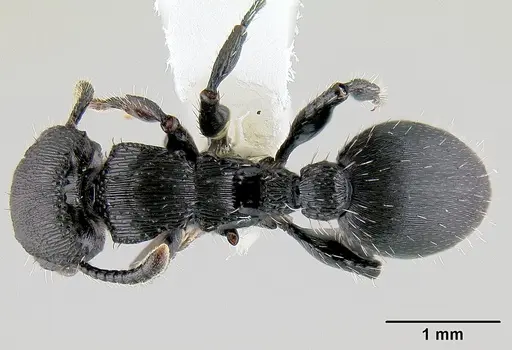
CASENT0246127
View on AntWeb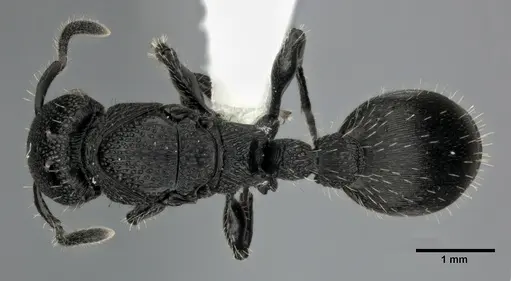
CASENT0246128
View on AntWeb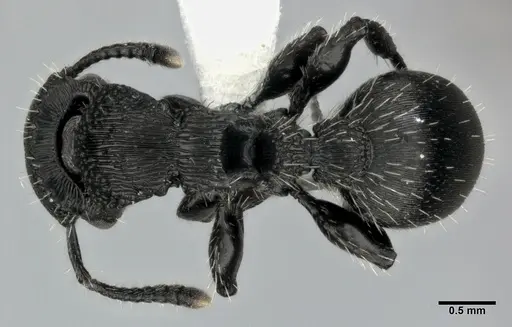
CASENT0904888
View on AntWeb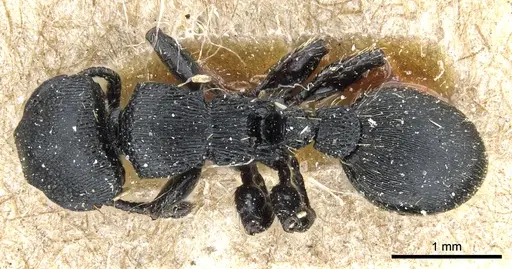
CASENT0914489
View on AntWeb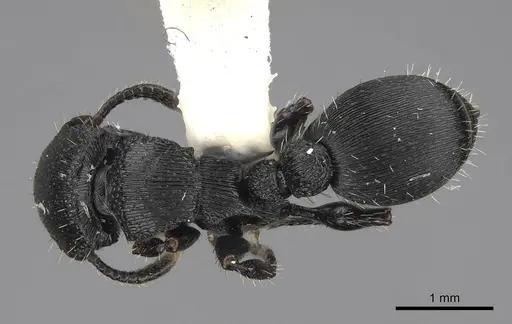
CASENT0922627
View on AntWeb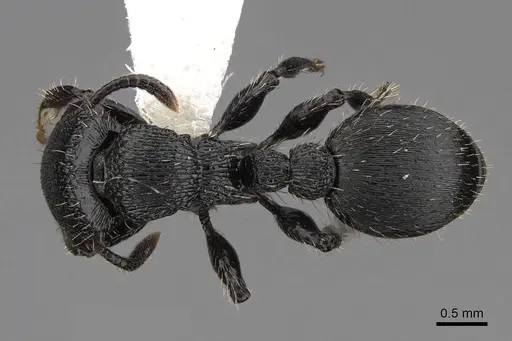
CBUMAGENT40424
View on AntWeb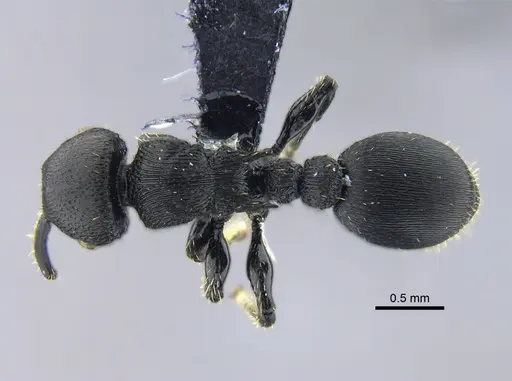
ECOFOG-IT14-0815-83
View on AntWeb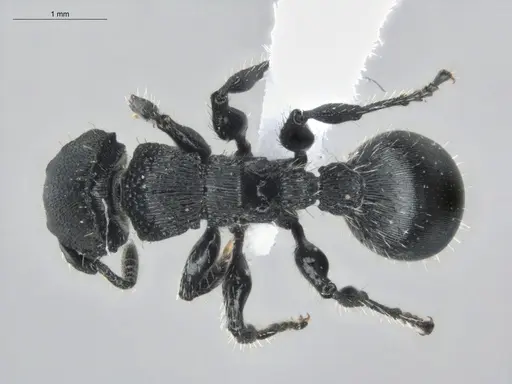
Literature
Loading distribution map...Loading products...