
Procryptocerus sampaioi
- Sci. Name
- Procryptocerus sampaioi
- Tribe
- Attini
- Subfamily
- Myrmicinae
- Author
- Forel, 1912
- Distribution
- Found in 1 countries
Introduction
Procryptocerus sampaioi is a small ant species native to Brazil, found in states like Rio de Janeiro, Minas Gerais, and Santa Catarina . Body size data is unavailable for this species. They inhabit coastal restinga and Atlantic Forest areas . The species is notable for its rare occurrence in the wild, with abundance as low as 0.02% in some surveys .
Quick Summary
- Difficulty: Hard
- Origin & Habitat: Brazil (Rio de Janeiro, Minas Gerais, Santa Catarina) in Neotropical coastal restinga and Atlantic Forest habitats [1][2]
- Colony Type: Colony structure is unconfirmed. Based on typical Procryptocerus patterns, likely single-queen colonies, but no direct observations exist.
- Size & Growth:
- Queen: size data unavailable
- Worker: size data unavailable
- Colony: Unknown, no colony size data available
- Growth: Unknown
- Development: Unknown, no development data available for this species. (Development timeline unconfirmed.)
- Antkeeping:
- Temperature: Keep at tropical temperatures around 24-28°C. This is inferred from the species' Brazilian distribution [1][2].
- Humidity: Maintain moderate to high humidity. The restinga habitats are typically humid [2].
- Diapause: Unknown, no specific data available.
- Nesting: Nesting preferences unconfirmed. Based on typical genus behavior, likely nests in rotting wood or under bark in humid environments [3].
- Behavior: Behavior is poorly documented. Based on genus-level observations, these ants are likely relatively docile and slow-moving [3]. Escape risk is moderate, standard barriers should be adequate.
- Common Issues: wild-caught colonies may experience high stress due to collection rarity., lack of published care information makes captive husbandry speculative., humidity control is important based on habitat preferences.
Species Overview and Distribution
Procryptocerus sampaioi is endemic to Brazil, with records from Rio de Janeiro, Minas Gerais, and Santa Catarina [1][2]. The species was originally described in 1912 by Forel [1]. Recent surveys show it is rare, with only 0.02% abundance in coastal restinga areas [2]. This rarity makes scientific study and captive collection challenging.
Morphology and Identification
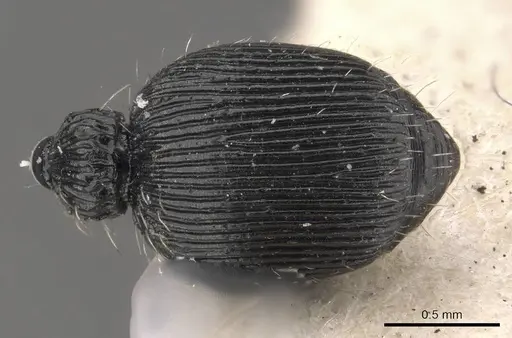
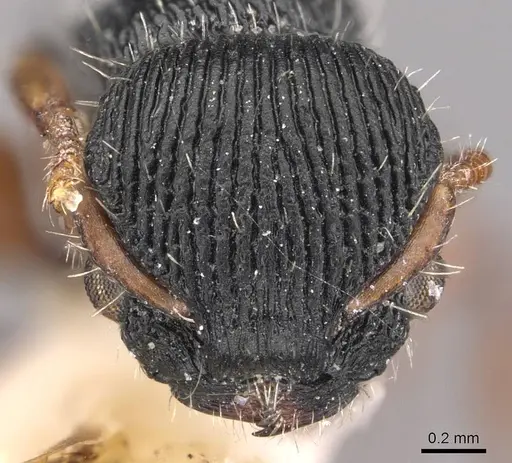
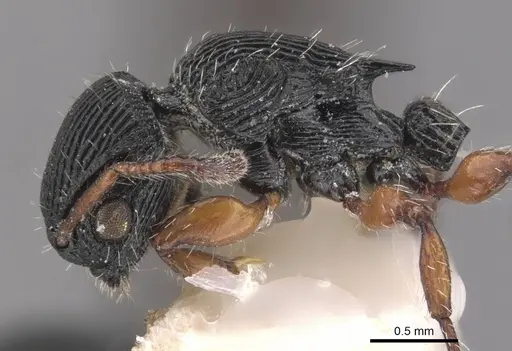
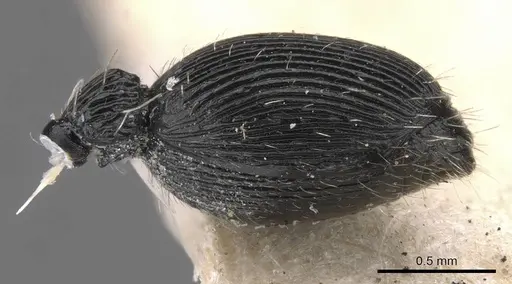
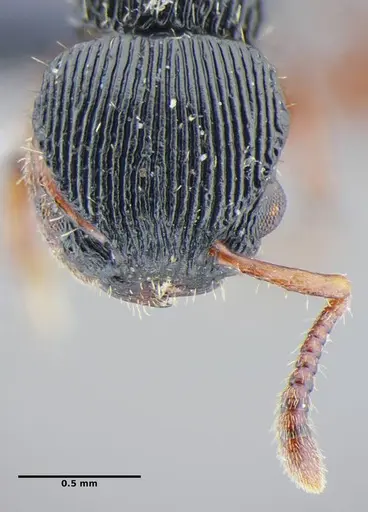
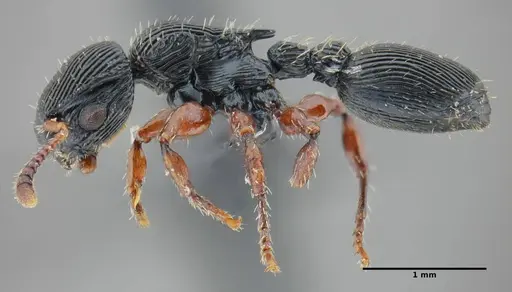
Procryptocerus sampaioi workers have a convex mesonotum and dorsopropodeum on the same plane [3]. The eyes are dorsally depressed, and the postpetiole has continuously convex surfaces [3]. Brazilian species show rugocostate sculpturing on the postpetiole [3]. Body size data is unavailable.
Natural History and Ecology
This species is found in coastal restinga environments, which are sandy and humid [2]. As a member of the tribe Cephalotini, it may associate with fungal substrates, but specific diet is unconfirmed [3]. Colony structure, queen behavior, and nuptial flights are unknown.
Housing and Captive Care
Due to lack of published data, care recommendations are speculative. Based on habitat, a setup with tropical temperatures (24-28°C) and moderate to high humidity is suggested [1][2]. Nesting in moist substrate or rotting wood is likely [3]. Standard escape prevention is adequate. Feeding should include protein and sugar water, but acceptance is unconfirmed.
Challenges in Keeping This Species
Procryptocerus sampaioi is extremely rare in the hobby, making access difficult [2]. Lack of care information means keepers must experiment cautiously. Wild-caught colonies may stress from collection [2]. This species is not recommended for beginners.
Frequently Asked Questions
How do I keep Procryptocerus sampaioi ants?
No captive husbandry information exists. Based on distribution, a setup at 24-28°C with moderate humidity is a starting point [1][2]. This is speculative.
Where does Procryptocerus sampaioi live?
This species is found only in Brazil, in states like Rio de Janeiro, Minas Gerais, and Santa Catarina [1][2].
How big do Procryptocerus sampaioi workers get?
Body size data is unavailable for this species.
Are Procryptocerus sampaioi ants available for sale?
This species is extremely rare in the antkeeping hobby, with low abundance in surveys [2].
What do Procryptocerus sampaioi ants eat?
Dietary requirements are unconfirmed. They may associate with fungi or eat small invertebrates [3]. Offer protein and sugar water, but acceptance is unknown.
How fast do Procryptocerus sampaioi colonies grow?
Colony growth rate is unknown, no development data exists for this species.
Do Procryptocerus sampaioi need hibernation?
Diapause requirements are unknown. As a Brazilian tropical species, they likely do not require true hibernation.
Is Procryptocerus sampaioi good for beginners?
No. This species is not recommended due to rarity, lack of care information, and specialized requirements.
How many queens does Procryptocerus sampaioi have?
Colony structure is unconfirmed. Based on typical patterns, likely single-queen colonies.
Report an Issue
The current care sheet is based fully on literature. See inconsistencies, or something that's incorrect? Please , it will be resolved after review from an admin. Contributing to the blogs tab also helps providing information, to make us be able to further improve the caresheets. Thank you for your support!
References

This caresheet is licensed under CC BY-SA 4.0 .
Community Blogs
CASENT0909250
View on AntWeb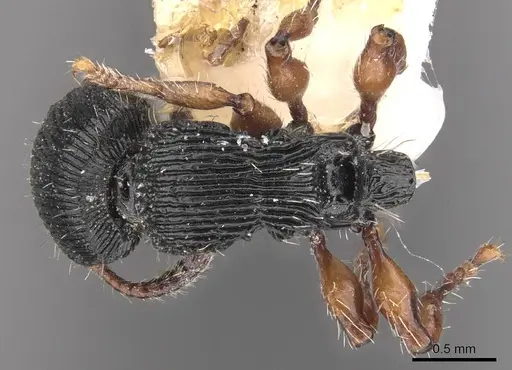
UFV-LABECOL-000626
View on AntWeb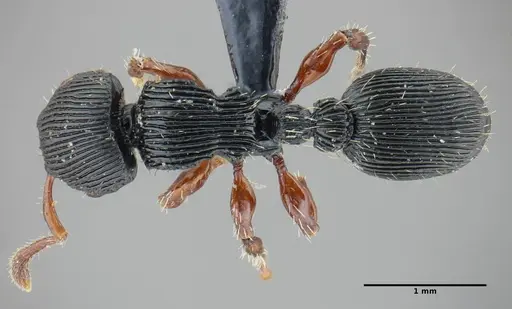
Literature
Loading distribution map...Loading products...