
Procryptocerus pictipes
- Sci. Name
- Procryptocerus pictipes
- Tribe
- Attini
- Subfamily
- Myrmicinae
- Author
- Emery, 1896
- Distribution
- Found in 9 countries
Introduction
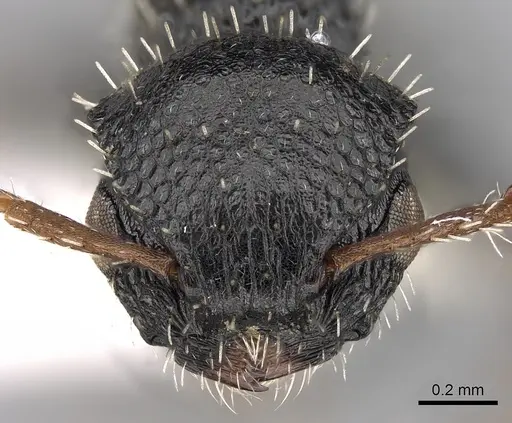
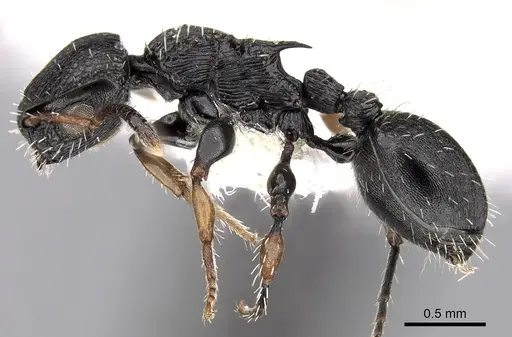
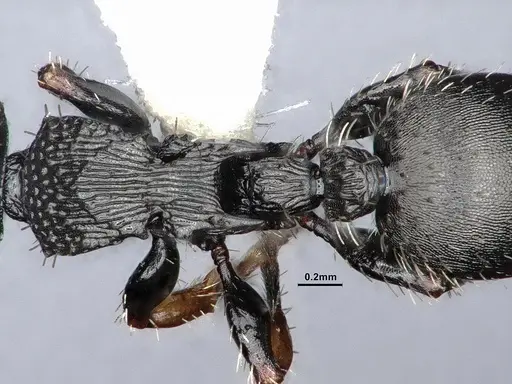
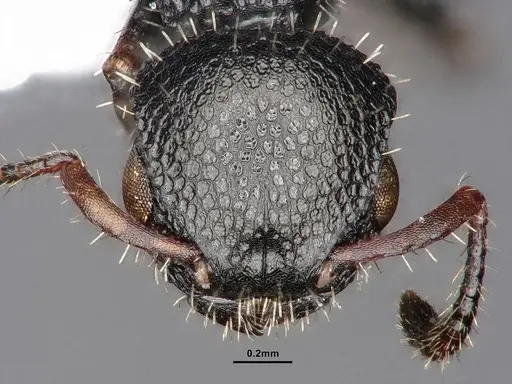
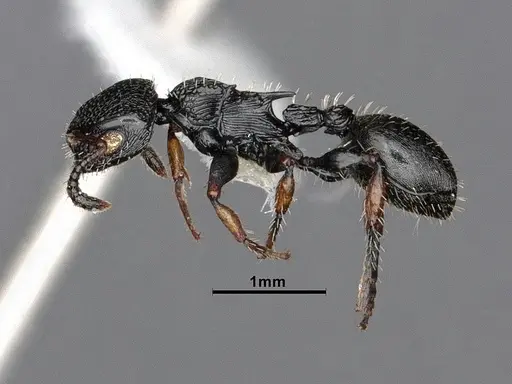
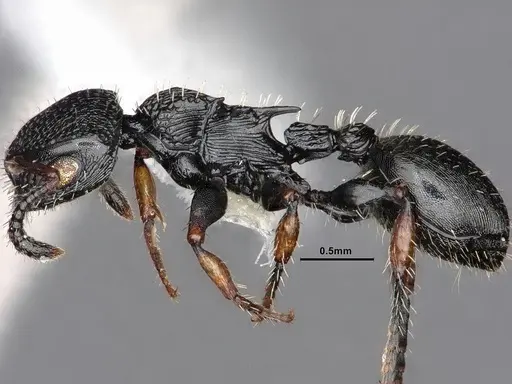
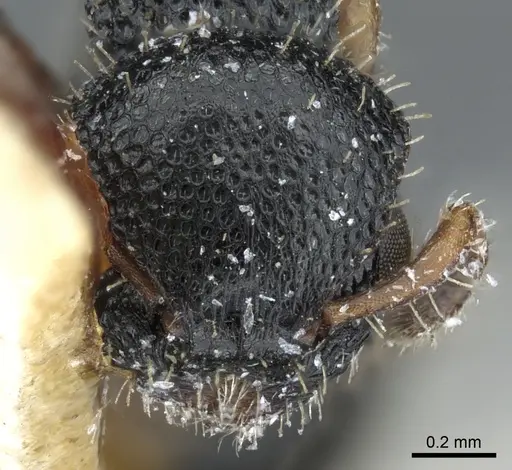
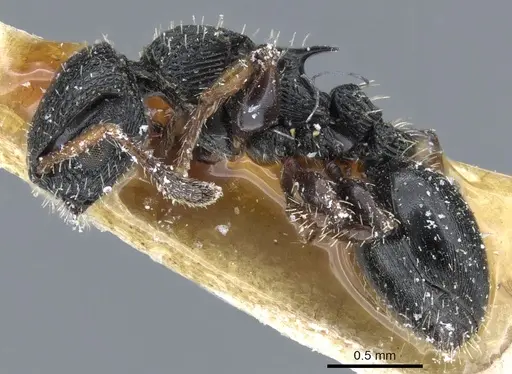
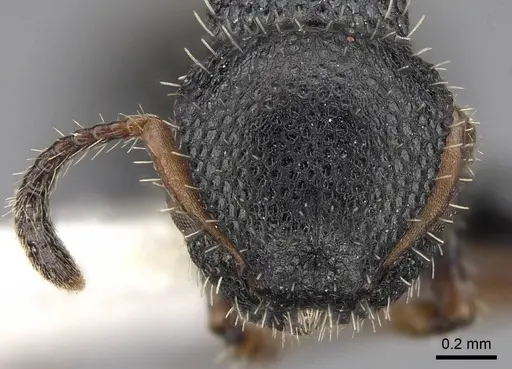
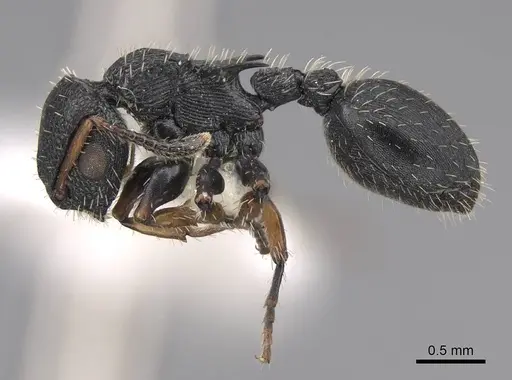
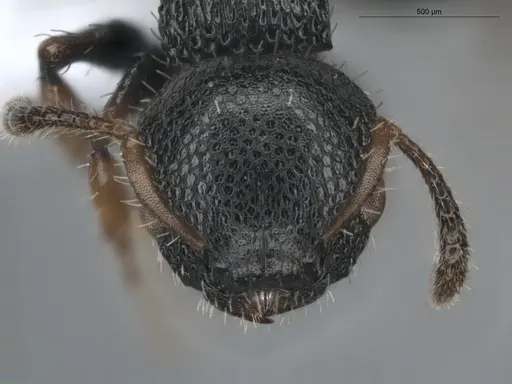
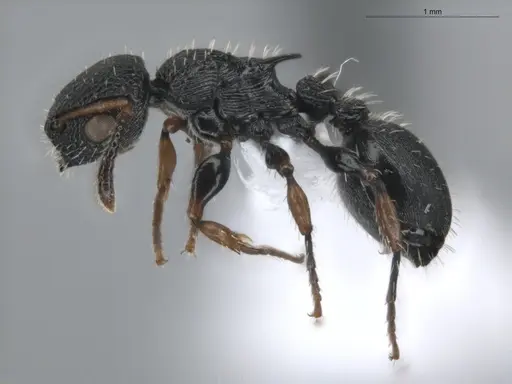
Procryptocerus pictipes is a small ant species found in wet forests from Central to South America. Workers are less than 4 mm long, with a black body and contrasting orange scapes and tibiae . The face has shallow depressions, and the first gastral tergite shows geographic variation in sculpture . They are canopy-dwelling ants, often collected from low vegetation, tree canopies, or dead twigs in treefalls .
Quick Summary
- Difficulty: Hard
- Origin & Habitat: Wet tropical forests of Central and South America, from Costa Rica to Bolivia and Brazil. Found in low vegetation, tree canopies, and recent treefalls at various elevations [2][3].
- Colony Type: Unconfirmed, colony structure has not been documented in the scientific literature
- Size & Growth:
- Antkeeping:
- Temperature: Keep warm, around 24-28°C, based on wet tropical forest habitat [2].
- Humidity: Keep nest substrate consistently moist but not waterlogged, as they inhabit wet forests [2].
- Diapause: No, as a tropical species, they do not require winter diapause [2].
- Nesting: In nature, they nest in dead twigs [2]. In captivity, use small, tight-fitting chambers scaled to their size. Y-tong or plaster nests with narrow passages are suitable.
- Behavior: Based on related genera, they are likely docile and arboreal. Their small size means escape prevention is critical.
- Common Issues: no captive breeding history exists, so this species may not be suitable for beginners., tiny size requires strict escape prevention., founding behavior is unconfirmed., humidity requirements are inferred from habitat., diet is unknown.
Natural History and Distribution
Procryptocerus pictipes is a Neotropical ant species with a broad distribution spanning from Central America through the Amazon basin. The species has been recorded in Bolivia, Brazil, Colombia, Costa Rica, Ecuador, Guyana, Panama, Peru, Trinidad, and Venezuela [2]. They are primarily canopy-dwelling ants, most commonly collected through canopy fogging in wet forest areas. Workers are typically found in low vegetation, tree canopies, and recent treefalls [2]. One documented nest series was collected from a dead twig in a treefall in Venezuela, suggesting they nest in small cavities in woody debris [2]. The species shows geographic variation in sculpture, particularly on the first gastral tergite, with different populations showing varying degrees of striation and punctation [2].
Related Species and Taxonomic Position
Procryptocerus belongs to the tribe Attini, which includes the famous leaf-cutter ants (Atta and Acromyrmex), though Procryptocerus itself is not a leaf-cutter. Their closest known relatives are in the genus Cephalotes (turtle ants) [4]. This relationship has been confirmed through microbiome studies showing that Procryptocerus pictipes harbors gut bacteria similar to those found in Cephalotes species [4]. The genus Procryptocerus shows interesting morphological trends, with a gradual evolution of foveate facial sculpture and changes in body proportions across species [2]. P. pictipes appears to be a successful species that has spread throughout the Amazon and into the Andes and Central America, possibly displacing earlier forms [2].
Captive Care Considerations
This species has no documented history in the antkeeping hobby, meaning all care recommendations are educated guesses based on habitat and related species. They come from wet tropical forests [2], so humidity should be kept relatively high. Temperature should be warm, in the 24-28°C range. Since they nest in dead twigs in treefalls in the wild [2], they likely prefer tight-fitting chambers scaled to their tiny worker size. Escape prevention is critical due to their small size. The most significant challenge is that we have no information on their diet in captivity. As Attini members, they may have dietary flexibility, but their specific nutritional requirements are unknown. Starting with standard ant foods and observing acceptance would be necessary.
Unique Biology and Gut Microbiome
Procryptocerus pictipes has been studied for its gut microbiome, which reveals an interesting nutritional adaptation. Research has identified several bacterial isolates from this species that produce urea and can process allantoin, compounds that are nitrogenous waste products [4]. This suggests these ants have a conserved nitrogen-recycling gut microbiome, similar to their close relatives the Cephalotes (turtle ants). This adaptation is particularly valuable in the nitrogen-limited canopy environment where these ants live. The bacteria convert waste products into usable nutrients, helping the ants survive on what might otherwise be an impoverished diet. This is an unusual trait among ants and represents an interesting evolutionary solution to nutrient acquisition in arboreal habitats [4].
Frequently Asked Questions
Has anyone successfully kept Procryptocerus pictipes in captivity?
There are no documented cases of Procryptocerus pictipes being kept in the antkeeping hobby. This species has never been studied in captive conditions, and no care guides or breeding records exist. It remains essentially unknown in the hobby [2].
What do Procryptocerus pictipes ants eat?
Their specific diet is unknown. As members of the tribe Attini, they may have dietary flexibility similar to related genera. The gut microbiome research suggests they can recycle nitrogen from waste products, which may allow them to survive on unusual nutrient sources. In captivity, offering sugar water and small insects would be a reasonable starting point, but acceptance is completely unconfirmed [4].
How big do Procryptocerus pictipes colonies get?
Colony size is unknown. No colony size data has been published. Based on their small worker size (under 4 mm) and canopy-dwelling habits, colonies are likely smaller than many common Myrmicinae, but this is purely speculative [1].
What temperature do Procryptocerus pictipes need?
Temperature requirements are unconfirmed. Based on their wet tropical forest origin across Central and South America, they likely need warm conditions around 24-28°C (75-82°F). Avoid temperatures below 20°C for extended periods [2].
Do Procryptocerus pictipes need hibernation?
Diapause is unlikely. As a tropical species from wet forests in the Amazon and Central America, they probably do not require a winter rest period [2].
What type of nest should I use for Procryptocerus pictipes?
In the wild, they nest in dead twigs in treefalls [2]. In captivity, use small, tight-fitting chambers scaled to their tiny size. A Y-tong nest or plaster nest with narrow passages would be appropriate. Test tubes work but ensure the cotton is packed tightly to prevent escapes due to their small size.
Is Procryptocerus pictipes a good species for beginners?
No. This species is not recommended for any level of keeper because virtually nothing is known about its captive care requirements. There are no breeding records, no confirmed diet information, and no established protocols for keeping this species alive. Attempting to keep this species would be entirely experimental.
Where does Procryptocerus pictipes live in the wild?
They are found throughout Central and South American wet forests, from Costa Rica and Panama through Colombia, Ecuador, Peru, Bolivia, and Brazil. They are primarily canopy-dwelling, collected from low vegetation, tree canopies, and recent treefalls rather than ground nests [2].
Can I keep multiple Procryptocerus pictipes queens together?
This is unknown. Colony structure (monogyne vs polygyne) has not been documented for this species. Without any data on their natural colony structure, combining queens would be extremely risky and is not recommended.
Report an Issue
The current care sheet is based fully on literature. See inconsistencies, or something that's incorrect? Please , it will be resolved after review from an admin. Contributing to the blogs tab also helps providing information, to make us be able to further improve the caresheets. Thank you for your support!
References

This caresheet is licensed under CC BY-SA 4.0 .
Community Blogs
CASENT0280792
View on AntWeb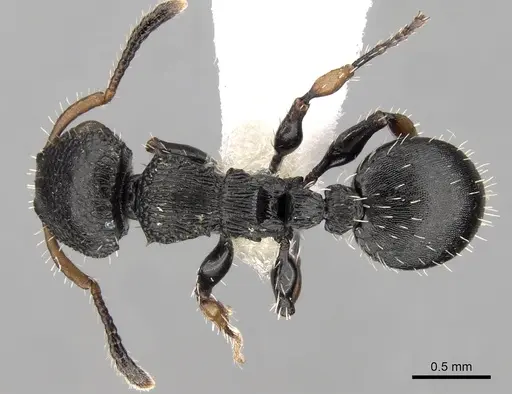
CASENT0884231
View on AntWeb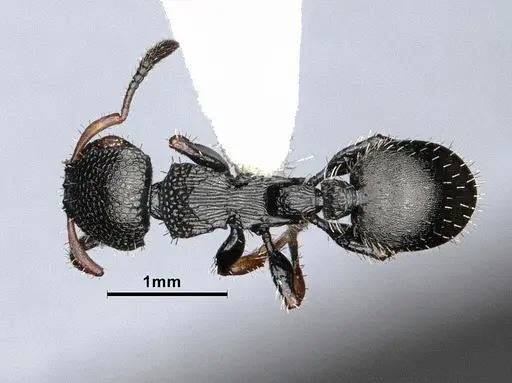
CASENT0904897
View on AntWeb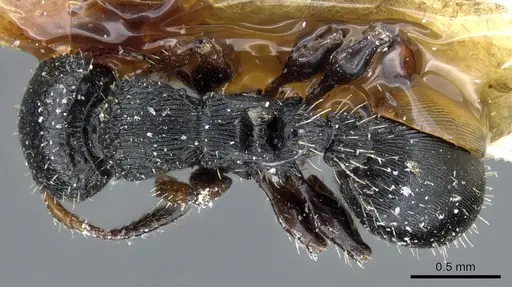
CASENT0922625
View on AntWeb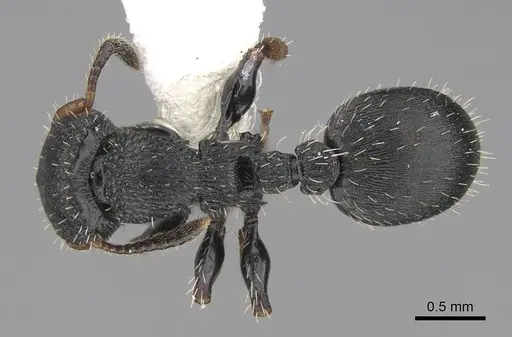
ECOFOG-BUG-0411-18
View on AntWeb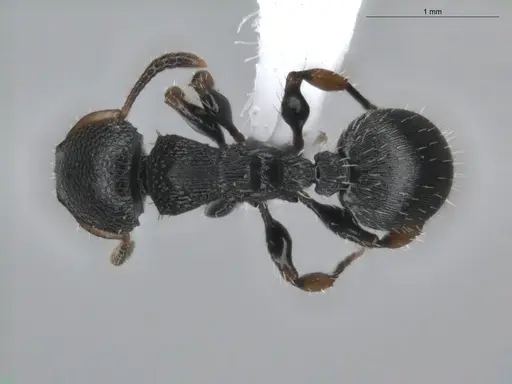
Literature
Loading distribution map...Loading products...