
Procryptocerus nalini
- Sci. Name
- Procryptocerus nalini
- Tribe
- Attini
- Subfamily
- Myrmicinae
- Author
- Longino & Snelling, 2002
- Distribution
- Found in 2 countries
Introduction
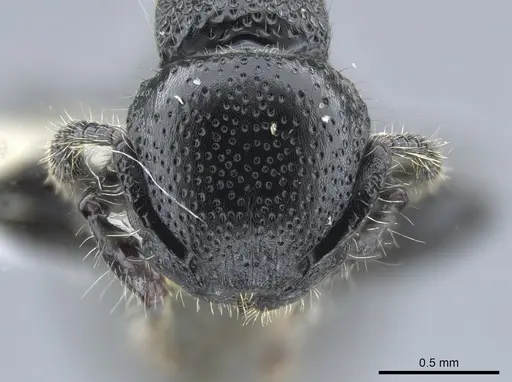
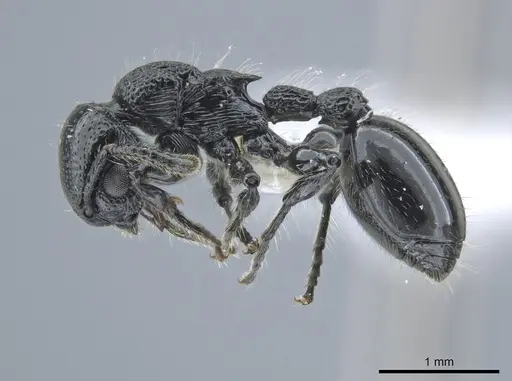
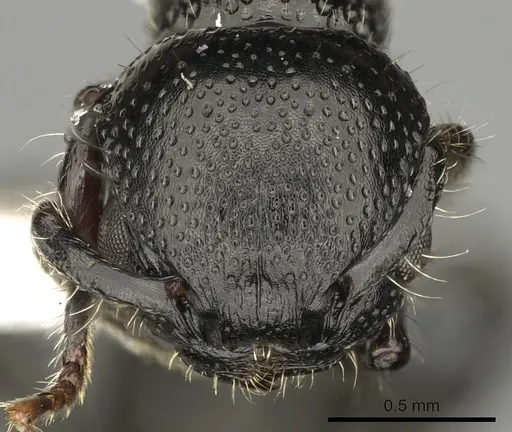
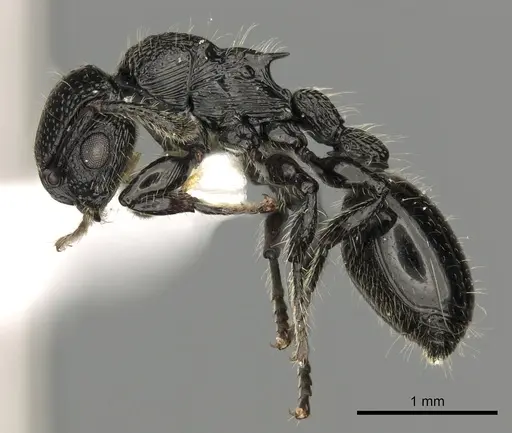
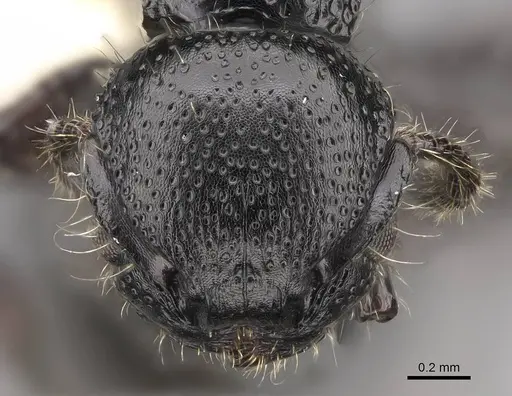
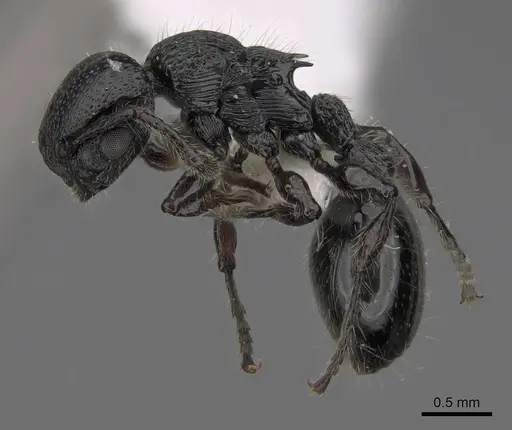
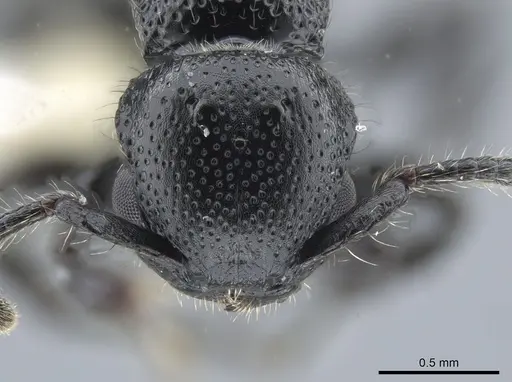
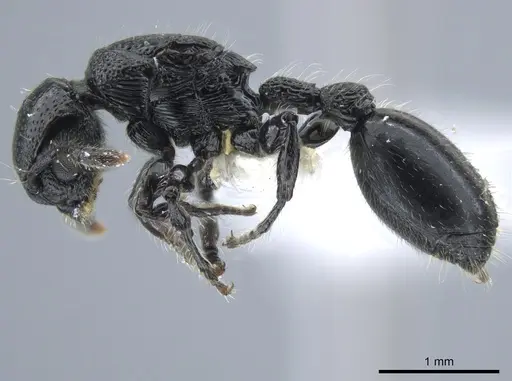
Procryptocerus nalini is a small, glossy black ant native to the wet forests of Central and South America, including Costa Rica, Ecuador, and Peru . The species was described in 2002 by Longino and Snelling and is named in honor of Dr. Nalini Nadkarni . This ant is a canopy-dweller, living in the upper reaches of lowland tropical rainforest trees. It has been collected in Malaise traps, canopy fogging samples, and from fresh treefalls, with one nest observed in a thin dead stem in a tree crown .
Quick Summary
- Difficulty: Expert
- Origin & Habitat: Wet forest canopy in Costa Rica, Ecuador, and Peru at elevations of 50-150m [1]. They inhabit the crowns of tall trees in lowland tropical rainforest.
- Colony Type: Colony structure is poorly documented. The single known nest contained several workers, a dealate queen, and adult males, suggesting a single-queen colony, but more data is needed [1].
- Size & Growth:
- Queen: size data unavailable
- Worker: size data unavailable
- Colony: Unknown, only one nest has been observed
- Growth: Unknown
- Development: Unknown (No captive breeding data exists.)
- Antkeeping:
- Temperature: Based on their wet forest canopy habitat, temperatures in the mid-to-high 20s°C are probable [1].
- Humidity: Requires high humidity due to wet forest habitat, keep nest substrate consistently moist but not waterlogged [1].
- Diapause: Unlikely to require diapause as a tropical species [1].
- Nesting: Natural nesting in thin dead stems in tree crowns [1]. In captivity, use small nests with narrow chambers scaled to their size.
- Behavior: Workers are small and calm. They possess a sting as typical for Myrmicinae, but are not aggressive. Their tiny size makes escape prevention critical [1].
- Common Issues: escape risk due to small size, ensure excellent sealing of enclosure., humidity control challenging due to canopy habitat., lack of established care protocols makes success uncertain.
Why This Species Is So Challenging
Procryptocerus nalini is one of the least-documented ant species in the hobby. Unlike common ants with decades of captive breeding history, P. nalini has never been kept in captivity according to all available literature. The single known nest was discovered by researchers in 1993 in Costa Rica, and no subsequent captive colonies have been described [1]. This means every aspect of their care is essentially unknown. You will be a pioneer if you attempt to keep this species, and success is far from guaranteed. The difficulty rating of 'Expert' reflects the complete lack of established husbandry knowledge.
Natural History and Habitat
P. nalini is a true canopy ant. In the wild, they live in the upper reaches of lowland tropical rainforest trees, far above the forest floor. Their known range spans from Costa Rica through Ecuador to Peru, all in wet forest environments [1][2]. The type locality is La Selva Biological Station in Costa Rica, a famous lowland rainforest research site. They have been collected using specialized canopy techniques like Malaise traps and fogging. The one observed nest was in a thin dead stem in the crown of a Carapa guianensis tree [1]. This arboreal lifestyle suggests they are adapted to stable, warm, humid conditions.
Housing and Nest Setup
Given their natural arboreal nesting in thin stems, you should replicate these conditions. Small nests with narrow chambers and passages scaled to their tiny size would be most appropriate. The nest should be elevated rather than placed on the ground. The outworld should be heavily planted with live plants to simulate the canopy environment and help maintain humidity. Use fine mesh for escape prevention, these tiny ants can squeeze through gaps that would contain larger species. A naturalistic setup with live plants, moss, and small climbing structures works better than bare containers. [1]
Temperature and Humidity Requirements
As a lowland tropical species from Costa Rica, P. nalini almost certainly requires warm, humid conditions year-round. Aim for temperatures in the mid-to-high 20s°C with minimal fluctuation. Humidity should be high, with the nest substrate kept consistently moist but not waterlogged. The canopy environment is sheltered from extreme conditions, so avoid drafts or air vents that might cause temperature swings. [1]
Feeding and Diet
The diet of P. nalini is completely unstudied in the wild or captivity. As a member of the tribe Attini, they are related to fungus-growing ants, but Procryptocerus is not itself known to cultivate fungus. Their tiny size suggests they likely forage for very small prey items like micro-arthropods. For captive feeding, you should start with small live prey like springtails and fruit flies. Sugar sources like honey or sugar water could be offered occasionally, but acceptance is uncertain.
Colony Founding and Reproduction
Nothing is known about how P. nalini establishes colonies. The founding behavior, whether claustral or semi-claustral, has never been documented. Nuptial flight timing and location are completely unknown. The single known wild nest contained a dealate queen along with workers, brood, and adult males, but this provides no insight into how the colony began [1]. If you obtain a founding queen, you would need to experiment with different setups and observe her behavior.
Frequently Asked Questions
Can Procryptocerus nalini be kept in captivity?
It is theoretically possible but extremely challenging. This species has never been documented in captive antkeeping, and all aspects of their care are unknown. They would require specific canopy-like conditions with high humidity, warm temperatures, and appropriately sized nests.
What do Procryptocerus nalini eat?
Their diet has never been studied in the wild or captivity. Based on their tiny size and Attini tribe relationships, they likely eat small micro-arthropods like springtails. You would need to experiment with various small live prey items.
How big do Procryptocerus nalini colonies get?
Unknown. Only one wild nest has ever been observed, and it contained 'several workers' with no specific count. There is no data on maximum colony size for this species.
Are Procryptocerus nalini good for beginners?
Absolutely not. This species is rated Expert difficulty precisely because there is zero captive care information. Beginners should start with well-documented species.
What temperature do Procryptocerus nalini need?
Likely mid-to-high 20s°C based on their lowland tropical rainforest habitat in Costa Rica [1].
Do Procryptocerus nalini need hibernation?
Unlikely. As a tropical canopy species, they probably remain active year-round without a winter rest period [1].
How long does it take for Procryptocerus nalini to develop from egg to worker?
Unknown. No captive development data exists for this species.
Can I keep multiple Procryptocerus nalini queens together?
Unknown. Only one wild nest has been observed, containing a single dealate queen. There is no data on whether this species can form multi-queen colonies.
What is the best nest type for Procryptocerus nalini?
Small nests with narrow chambers scaled to their tiny size. Their natural nesting in thin dead stems suggests they prefer tight, enclosed spaces. The nest should be elevated rather than ground-level.
Report an Issue
The current care sheet is based fully on literature. See inconsistencies, or something that's incorrect? Please , it will be resolved after review from an admin. Contributing to the blogs tab also helps providing information, to make us be able to further improve the caresheets. Thank you for your support!
References

This caresheet is licensed under CC BY-SA 4.0 .
Community Blogs
CASENT0651707
View on AntWeb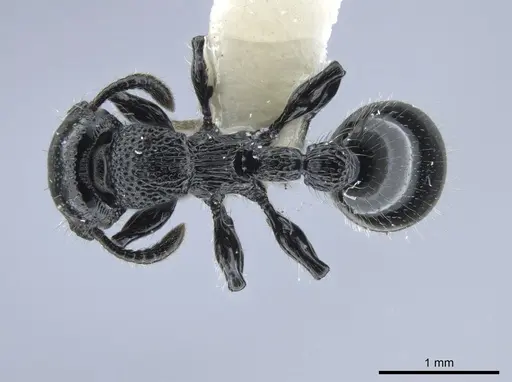
INBIOCRI001238558
View on AntWeb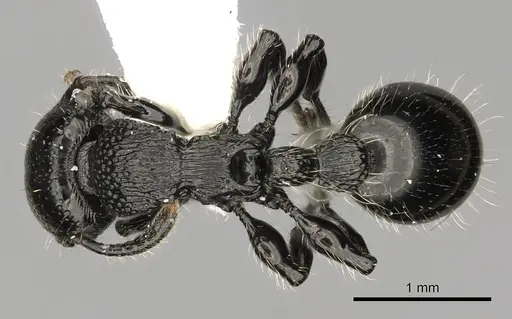
INBIOCRI001238578
View on AntWeb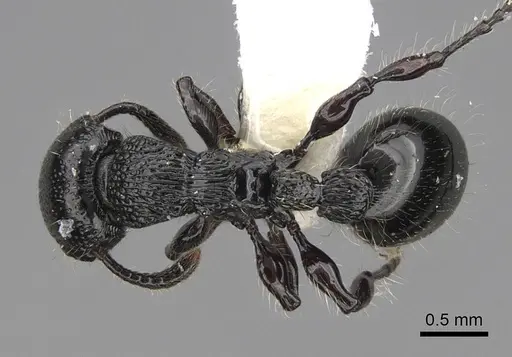
INBIOCRI001238598
View on AntWeb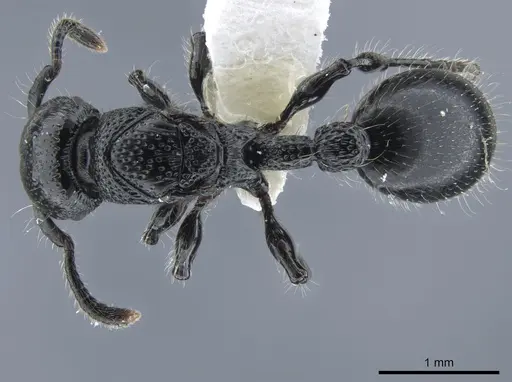
Literature
Loading distribution map...Loading products...