
Procryptocerus hirsutus
- Sci. Name
- Procryptocerus hirsutus
- Tribe
- Attini
- Subfamily
- Myrmicinae
- Author
- Emery, 1896
- Distribution
- Found in 2 countries
Introduction
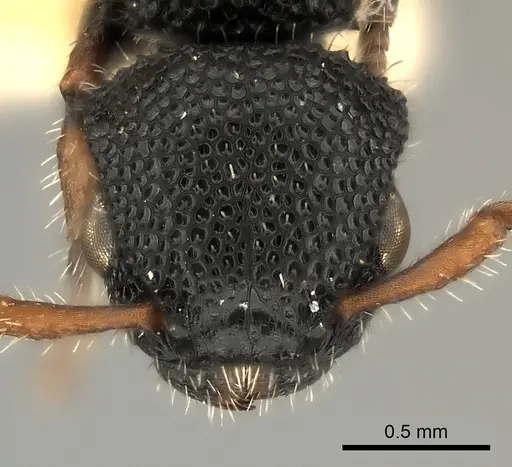
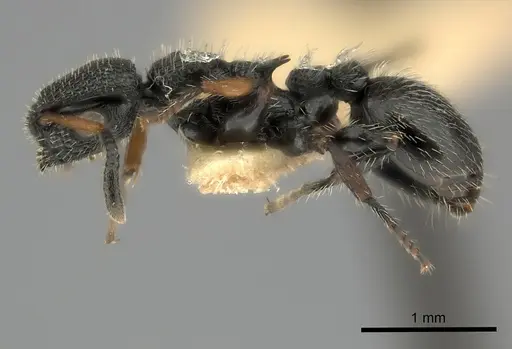
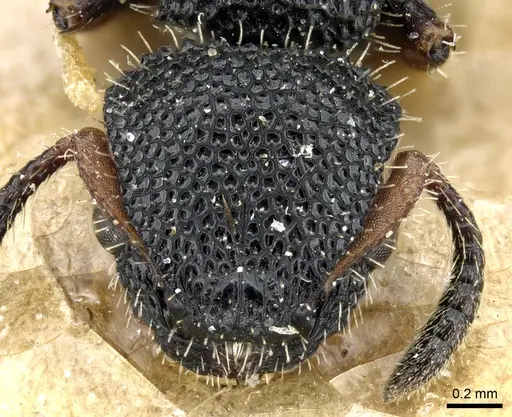
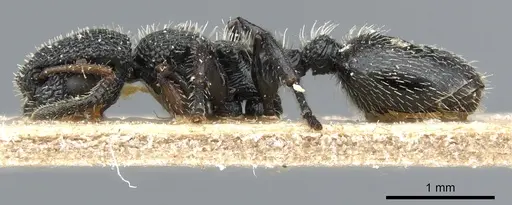
Procryptocerus hirsutus is a small to medium-sized ant in the tribe Attini, subfamily Myrmicinae. Workers have reticulate or areolate sculpture on the frons and short stiff hairs . The species is similar to Procryptocerus belti, with parapatric or allopatric distributions . It is found in northern South America, including Brazil, Guyana, Trinidad and Tobago, and French Guiana . Size data is unavailable for this species. Procryptocerus ants are arboreal, nesting in vegetation rather than soil . As members of the Attini tribe, they have evolutionary ties to fungus-growing ants, but are not true leaf-cutters. This species is poorly studied in captivity, with limited care information available.
Quick Summary
- Difficulty: Hard
- Origin & Habitat: Northern Neotropical region: Brazil (Amazonas, Bahia, Pará, Goiás), Guyana, Trinidad and Tobago, and French Guiana. Found in tropical forest habitats, typically arboreal (nesting in vegetation) [2][3][4].
- Colony Type: Unconfirmed, colony structure has not been documented in scientific literature
- Size & Growth:
- Queen: size data unavailable
- Worker: size data unavailable
- Colony: size data unavailable
- Growth: Unknown
- Development: Unknown, no development timeline has been studied (No direct measurements available. Attini tribe members typically develop faster than temperate ants, but specific data for Procryptocerus is lacking.)
- Antkeeping:
- Temperature: Temperature needs are unclear, start around 24-28°C and observe. Provide a gentle thermal gradient if possible.
- Humidity: Keep nest substrate consistently moist but not waterlogged, based on arboreal nesting habits [4].
- Diapause: Unknown, no documented hibernation or diapause requirements. As a tropical species, they likely do not require a winter rest period.
- Nesting: Arboreal nests preferred, such as Y-tong or plaster nests with elevated chambers. Provide moisture retention with moss or damp substrate [4].
- Behavior: Procryptocerus ants are generally calm and not aggressive. They are arboreal foragers, typically foraging on vegetation and tree bark. Workers are moderate in size, so escape prevention with close-fitting lids is recommended. The species is not known to sting significantly, based on subfamily characteristics.
- Common Issues: lack of published care information increases risk of improper husbandry., specific temperature and humidity requirements are unconfirmed, requiring careful observation., founding behavior is unknown, making colony establishment challenging., diet acceptance is undocumented, so experimentation may be needed., wild-caught colonies may have parasites with no documented treatment protocols.
General Overview
Procryptocerus hirsutus is a Neotropical ant species belonging to the Myrmicinae subfamily, specifically the tribe Attini. The species was originally described by Emery in 1896 from specimens collected in Pará, Brazil [3]. It is found across northern South America including Brazil, Guyana, Trinidad and Tobago, and French Guiana [2]. The species is morphologically very similar to Procryptocerus belti, and the two have parapatric or allopatric distributions [2].
The genus Procryptocerus is characterized by workers having reticulate or areolate sculpture on the frons, and short stiff hairs are typical in Andean and related species [1]. These are relatively small ants that are arboreal in their natural habits, nesting in vegetation rather than in soil [4]. The species remains poorly studied, with almost no published information on colony structure, development, or captive care requirements.
Natural History and Habitat
In the wild, Procryptocerus hirsutus inhabits tropical forest environments in the northern Neotropical region. As an arboreal species, they nest in vegetation rather than constructing underground colonies [4]. This is typical of the Procryptocerus genus, which contains species that forage and nest in above-ground locations such as tree bark, leaves, and other vegetation [2].
The distribution spans several countries: Brazil (with records from Amazonas, Bahia, Pará, and Goiás states), Guyana, Trinidad and Tobago, and French Guiana [2]. This range covers lowland tropical rainforest environments characterized by high humidity and warm temperatures year-round. The parapatric relationship with P. belti suggests specific habitat preferences that limit overlap with the similar species.
The tribe Attini includes the famous leaf-cutter ants (Atta and Acromyrmex) as well as other fungus-growing ants. While Procryptocerus is in this tribe, they are not true leaf-cutters and are thought to have more generalist foraging habits. They likely consume small arthropods and tend aphids or scale insects for honeydew, similar to many other Myrmicinae ants.
Housing and Nesting
Based on the arboreal nature of this species, captive colonies should be provided with elevated nest options rather than deep soil setups. Y-tong (AAC) nests or plaster formicaria with narrow chambers work well for this species. The chambers should be appropriately sized for their body size, not too large, as arboreal ants often prefer tighter spaces that mimic their natural nesting cavities in vegetation [4].
Humidity is critical, aim for consistently moist substrate but not waterlogged. Use moisture reservoirs or damp substrate (cotton or soil) to maintain humidity levels. A layer of moss or similar moisture-retaining material can help stabilize humidity. However, ensure adequate ventilation to prevent mold growth, avoid completely sealed setups.
Since this is an arboreal species, consider providing climbing structures in the outworld area, such as cork bark or twigs, to allow natural foraging behavior. The outworld should also maintain moderate humidity, as overly dry conditions will stress the colony.
Feeding and Diet
The specific diet of Procryptocerus hirsutus has not been documented in scientific literature. As a member of the tribe Attini, they likely have omnivorous habits similar to other small Myrmicinae ants. Based on related species, they probably accept small protein sources such as fruit flies, small crickets, mealworms, and other small insects.
They likely also consume sugar sources, honeydew from aphids or scale insects in the wild, so sugar water or honey water may be accepted. Offer a constant sugar source (like a cotton ball with sugar water) alongside regular protein feedings.
Feed small amounts of protein 2-3 times per week, removing any uneaten prey after 24-48 hours. Monitor acceptance, if food is consistently left uneaten, reduce quantities. As a poorly studied species, some experimentation may be needed to determine preferred foods. Start with small live prey and sugar water, then observe what the workers accept.
Temperature Requirements
As a Neotropical species from Brazil and surrounding countries, Procryptocerus hirsutus requires warm conditions. Based on typical tropical ant requirements and their natural habitat in lowland rainforest areas, aim for temperatures in the range of 24-28°C (75-82°F). Room temperature in most homes (around 24-26°C) should be suitable.
Provide a gentle thermal gradient if possible, allowing workers to self-regulate by moving between warmer and cooler areas of the nest. A heating cable on one side of the nest can create this gradient, but avoid direct heat on the nest as it can cause drying.
Do not expose this species to temperatures below 20°C for extended periods, as they are adapted to year-round warm conditions. Cold stress can weaken colonies and increase mortality. If your room temperature is below 24°C, consider using a small heat mat or heating cable on the nest area.
Colony Establishment and Growth
The colony founding behavior of Procryptocerus hirsutus is completely unconfirmed in scientific literature. It is unknown whether queens are claustral (seal themselves in and survive on stored fat reserves) or semi-claustral (must leave the nest to forage during founding). Related Procryptocerus species may provide some indication, but specific data is lacking.
Colony sizes in the wild are unknown. Based on the small worker size and typical Attini colony patterns, colonies likely reach several hundred workers at maturity, but this is purely speculative. Growth rates in captivity are undocumented.
For keepers acquiring a queen or colony, the best approach is to provide a quiet, dark location with appropriate humidity and temperature, then observe. If the queen seals herself in, she is likely claustral. If she remains active and forages, she may be semi-claustral. Document your observations carefully as this species has no published captive care history.
Frequently Asked Questions
How do I care for Procryptocerus hirsutus ants?
Specific care requirements are not well documented. Based on their Neotropical distribution and arboreal habits, provide high humidity, warm temperatures (24-28°C), and an elevated nest (Y-tong or plaster). Feed small protein sources and sugar water. This is an advanced species to keep due to the lack of published care information [4].
What do Procryptocerus hirsutus ants eat?
Their exact diet is unknown. Based on related Attini species, they likely accept small insects (fruit flies, small crickets, mealworms) and sugar sources (honey water, sugar water). Start with small live prey and a sugar water source, then observe what they accept.
What size nest do Procryptocerus hirsutus need?
Use a Y-tong (AAC) nest or plaster formicarium with chambers appropriately sized for their body. Arboreal ants often prefer tighter spaces than ground-nesting species. Provide good ventilation while maintaining humidity [4].
Do Procryptocerus hirsutus ants need hibernation?
Unknown, no documented diapause requirements. As a tropical species from Brazil and Guyana, they likely do not require a winter rest period. Maintain warm temperatures year-round.
How long does it take for Procryptocerus hirsutus to develop from egg to worker?
Unknown, no development timeline has been documented in scientific literature. Related Attini species suggest faster development than temperate ants, but specific data for this species is lacking.
Are Procryptocerus hirsutus good for beginners?
No, this species is not recommended for beginners due to the complete lack of published care information. The difficulty level is hard. Experienced antkeepers interested in rare species may have better success with experimental setups.
Where is Procryptocerus hirsutus found in the wild?
The species occurs in the northern Neotropical region: Brazil (Amazonas, Bahia, Pará, Goiás), Guyana, Trinidad and Tobago, and French Guiana. They inhabit tropical forest environments and are arboreal, nesting in vegetation rather than soil [2][3][4].
How big do Procryptocerus hirsutus colonies get?
Size data is unavailable for this species. Based on related species, colonies likely reach several hundred workers at maturity, but this is purely speculative.
Can I keep multiple Procryptocerus hirsutus queens together?
Unknown, colony structure (monogyne vs polygyne) has not been documented. Do not attempt combining unrelated queens without documented evidence of polygynous behavior in this species.
Report an Issue
The current care sheet is based fully on literature. See inconsistencies, or something that's incorrect? Please , it will be resolved after review from an admin. Contributing to the blogs tab also helps providing information, to make us be able to further improve the caresheets. Thank you for your support!
References

This caresheet is licensed under CC BY-SA 4.0 .
Community Blogs
CASENT0217916
View on AntWeb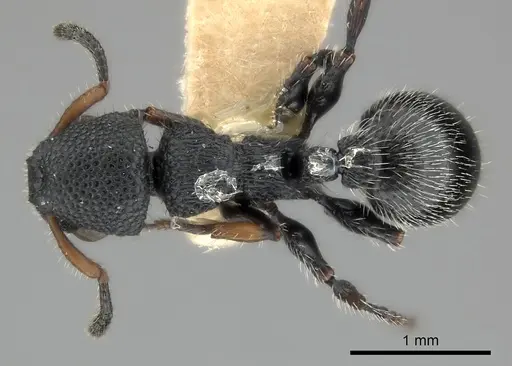
CASENT0904896
View on AntWeb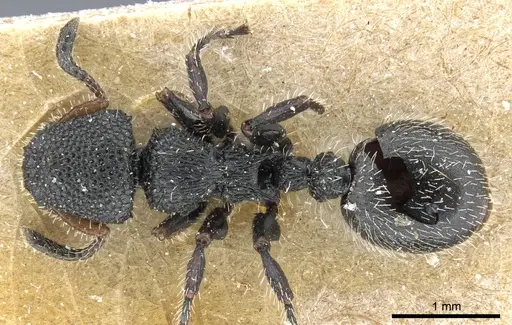
Literature
Loading distribution map...Loading products...