
Procryptocerus elegans
- Sci. Name
- Procryptocerus elegans
- Tribe
- Attini
- Subfamily
- Myrmicinae
- Author
- Santschi, 1921
- Distribution
- Found in 1 countries
Introduction
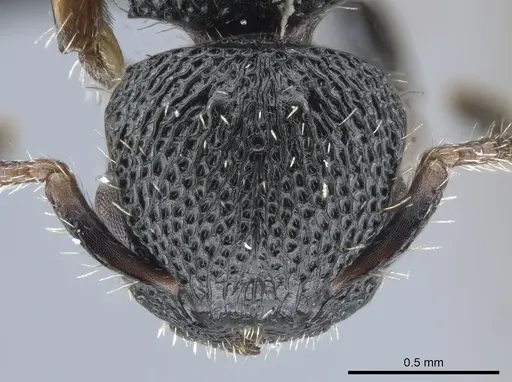
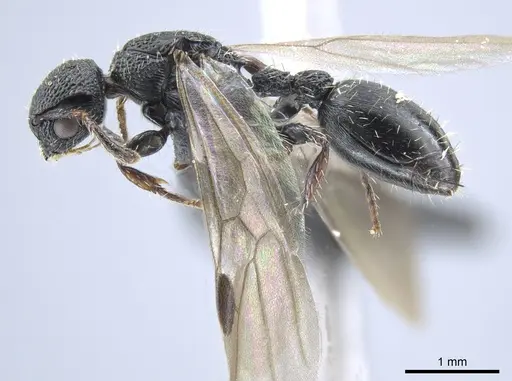
Procryptocerus elegans is a small fungus-growing ant in the tribe Attini, subfamily Myrmicinae. Workers have elongated heads and a slender build. This species is native to Brazil and recorded in Peru, inhabiting Neotropical forested areas where they nest in rotting wood or underground chambers . Size data is unavailable for this species, but based on genus patterns, workers are estimated around 3-5 mm and queens around 5-7 mm. Unlike leaf-cutter ants, they cultivate fungus using organic debris, making their fungal symbiont essential for colony survival .
Quick Summary
- Difficulty: Expert
- Origin & Habitat: Native to Brazil (São Paulo region) and recorded in Peru [1][2]. Found in Neotropical forested habitats, nesting in rotting wood, dead twigs, or underground chambers [3].
- Colony Type: Colony structure is unconfirmed. Based on genus patterns, likely single-queen (monogyne) colonies, but this has not been directly documented for this species.
- Size & Growth:
- Queen: Size data unavailable, inferred from Procryptocerus genus ~5-7 mm
- Worker: Size data unavailable, inferred from Procryptocerus genus ~3-5 mm
- Colony: Up to several hundred workers based on related species [3]
- Growth: Unknown, no development data available. Estimated moderate based on Attini patterns.
- Development: Unconfirmed, estimated 6-10 weeks at optimal temperature based on Attini patterns [3] (Development timeline is unconfirmed, estimates based on related fungus-growing ants.)
- Antkeeping:
- Temperature: Keep warm, roughly 24-28°C, with a gentle gradient. Specific needs are unconfirmed, but tropical species require stable warmth [3].
- Humidity: Keep nest substrate consistently moist but not waterlogged. Fungus-growing ants need damp conditions for their culture [3].
- Diapause: Unconfirmed, tropical species may not require diapause but may slow down in cooler periods [3].
- Nesting: Use naturalistic setups with rotting wood or cork bark, or plaster nests with high humidity chambers. Avoid dry materials [3].
- Behavior: Workers are cryptic, non-aggressive, and slow-moving. They pose no sting risk and have low escape risk due to small size and preference for dark, humid environments [3].
- Common Issues: fungal garden collapse is the primary risk, maintain proper humidity without mold to prevent colony starvation., high humidity requirements can be difficult to sustain, leading to desiccation or mold problems., lack of species-specific care data means keepers rely on genus-level guidance., slow growth may frustrate keepers expecting rapid development., temperature sensitivity, exposure below 22°C can stress colonies.
Fungus Farming and Feeding
Procryptocerus elegans belongs to the fungus-growing ants tribe Attini. They collect small organic material like leaf fragments and wood pieces to cultivate their fungal garden. In captivity, provide leaf litter, rotting wood, or pre-cut organic matter. The fungus is their primary food source, do not feed typical ant proteins like insects alone. Sugar sources are not accepted as Attini get carbohydrates from their fungus [3].
Housing and Nest Setup
These ants need high-humidity setups with moisture retention. Use naturalistic materials like cork bark or rotting wood, or plaster nests with water reservoirs. The nest should have tight chambers to maintain humid microclimate for fungus cultivation. Provide an outworld for adding organic material and use a water tube to maintain moisture [3].
Temperature Requirements
As a tropical species, keep temperatures warm around 24-28°C with a gentle gradient. Room temperature may be insufficient in cooler climates. Use a heating cable on one side of the nest for gentle warmth. Avoid temperatures below 22°C to prevent stress [3].
Colony Establishment and Growth
Queens are likely claustral, sealing themselves to raise first workers using stored fat reserves. The first workers may take several months to emerge. Colony growth is gradual, do not disturb the queen during founding. Transfer to a proper nest only after several workers and a visible fungal garden [3].
Behavior and Temperament
Workers are calm, non-aggressive, and cryptic. They spend time tending to the fungal garden or foraging for organic material. They pose no sting risk and should be disturbed minimally. Activity is moderate, with workers mostly within the nest [3].
Frequently Asked Questions
What do Procryptocerus elegans ants eat?
They cultivate fungus for nutrition, collecting organic material like leaf fragments. In captivity, provide leaf litter or rotting wood. The fungus is their primary food source, do not offer sugar or insects alone [3].
How long does it take for Procryptocerus elegans to raise first workers?
The timeline is unconfirmed, but estimated 6-10 weeks at optimal temperature based on Attini patterns. Queens seal themselves in during founding [3].
What temperature do Procryptocerus elegans need?
Keep them warm, roughly 24-28°C, with a gradient. Specific needs are unconfirmed, but tropical species require stable warmth [3].
Can I keep Procryptocerus elegans in a test tube?
Test tubes are not ideal long-term due to humidity needs. Use naturalistic setups or plaster nests with moisture reservoirs for fungus cultivation [3].
How big do Procryptocerus elegans colonies get?
Colony size is unconfirmed, but related species reach up to several hundred workers. This is not a large colony species [3].
Do Procryptocerus elegans need hibernation?
Unconfirmed, as a tropical species, they may not need diapause but may slow down in cooler periods. Maintain warm temperatures year-round [3].
Is Procryptocerus elegans good for beginners?
No, it is Expert difficulty due to high humidity maintenance, fungal culture requirements, and slow growth. Best for experienced keepers [3].
Why is my Procryptocerus elegans colony declining?
Common causes include fungal garden collapse from improper humidity or temperature stress. Ensure consistent moisture, warm temperatures, and minimize disturbance [3].
When should I move Procryptocerus elegans to a formicarium?
Move them after the colony has several workers and a healthy fungal garden is visible. Use a nest with proper substrate for fungus cultivation [3].
Report an Issue
The current care sheet is based fully on literature. See inconsistencies, or something that's incorrect? Please , it will be resolved after review from an admin. Contributing to the blogs tab also helps providing information, to make us be able to further improve the caresheets. Thank you for your support!
References

This caresheet is licensed under CC BY-SA 4.0 .
Community Blogs
UFV-LABECOL-007279
View on AntWeb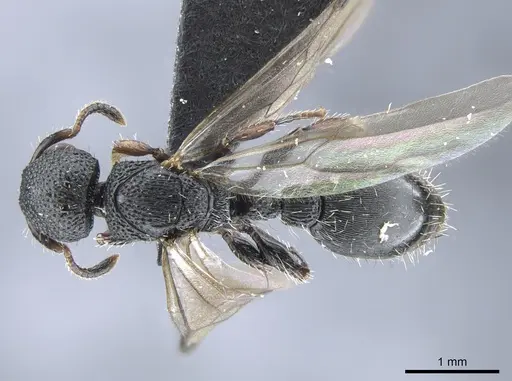
Literature
Loading distribution map...Loading products...