
Procryptocerus coriarius
- Sci. Name
- Procryptocerus coriarius
- Tribe
- Attini
- Subfamily
- Myrmicinae
- Author
- Mayr, 1870
- Distribution
- Found in 2 countries
Introduction
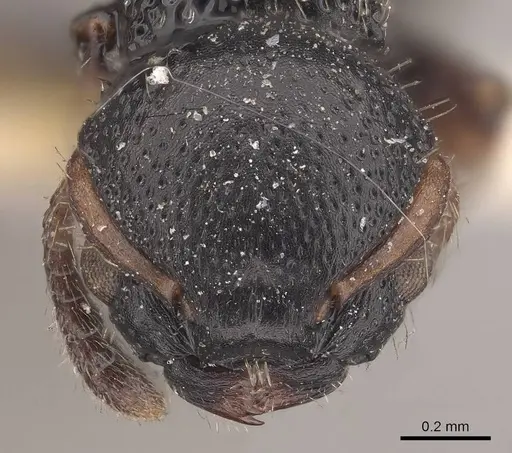
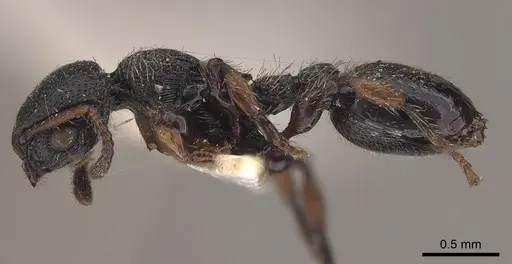
Procryptocerus coriarius is a small, glossy black ant. Workers are about 4 mm long . They have a smooth head with fine foveae on the front third , and antennae and legs range from orange to brown . This species is found in Costa Rica, Panama, Colombia, Ecuador, and Venezuela , typically in rainforest habitats at elevations between 980-1800 meters . They nest arboreally in dead branches of coffee shrubs or living Miconia trees .
Quick Summary
- Difficulty: Expert
- Origin & Habitat: Found in the Neotropical region from Costa Rica to Colombia, at elevations of 980-1800 meters in rainforest environments [2][3][4].
- Colony Type: Colony structure is poorly documented. One wild colony had a single queen and 7 workers [4]. This suggests monogyne (single queen) colonies, but it is unconfirmed [4].
- Size & Growth:
- Antkeeping:
- Temperature: Based on their elevation range, they likely prefer cool temperatures around 18-22°C [3][4].
- Humidity: High humidity is essential, as they nest in wood that maintains moisture [2][4].
- Diapause: Unknown, no research on overwintering requirements.
- Nesting: Arboreal, nests in small dead branches [2][4].
- Behavior: Calm and non-aggressive, with moderate escape risk due to small size [2][4].
- Common Issues: this species is extremely rare in captivity, finding a colony is difficult., small colony size means any losses have a big impact on the colony., arboreal nesting requires specific housing setups., high humidity can lead to mold if ventilation is poor., lack of available care information means keepers may need to pioneer husbandry techniques.
Housing and Nest Preferences
Procryptocerus coriarius is an arboreal species that naturally nests inside small dead branches and twigs [2][4]. In captivity, avoid standard test tube setups. Use naturalistic terrariums or formicariums with small wood pieces or tight chambers that mimic these conditions [2][4]. Keep the nest humid since they live in wood that maintains moisture [2][4].
Feeding and Diet
Based on related ant behavior, they likely accept small insects, honeydew, and sugar sources [5]. Offer small live prey like fruit flies and sugar water [5]. Feed sparingly and remove uneaten food to prevent mold [5].
Temperature and Humidity Requirements
Keep temperatures around 18-22°C, as they come from mid-elevation habitats [3][4]. High humidity is critical, keep nest substrate moist but not waterlogged [2][4].
Colony Dynamics and Growth
Colonies are very small, with one documented wild colony having only 7 workers [4]. Growth is likely slow, and colony sizes in captivity may remain small [4].
Handling and Temperament
These ants are calm and non-aggressive [2][4]. Escape risk is moderate due to their small size, standard barrier methods work [2][4].
Frequently Asked Questions
How long does it take for Procryptocerus coriarius to produce first workers?
The development timeline is unknown, no scientific data exists [2]. Based on their small size, expect several months at optimal temperature, but this is unconfirmed [2].
Can I keep Procryptocerus coriarius in a test tube?
Test tubes are not ideal. They are arboreal ants that nest in wood cavities [2][4]. Use naturalistic setups with small wood pieces or arboreal nests [2][4].
How big do Procryptocerus coriarius colonies get?
Very small, up to 7 workers based on documented wild colonies [4].
What temperature should I keep Procryptocerus coriarius at?
Keep them cool, around 18-22°C, based on their elevation range [3][4]. Avoid temperatures above 25°C [3][4].
Are Procryptocerus coriarius good for beginners?
No, this is an expert-level species due to rarity, specific housing needs, and lack of care information [2].
What do Procryptocerus coriarius eat?
They likely accept small insects and sugar sources, based on related ant behavior [5]. Offer fruit flies and honey water [5].
Where does Procryptocerus coriarius live in the wild?
They are found from Costa Rica to Colombia, in rainforest at 980-1800 meters elevation [2][3][4].
Do Procryptocerus coriarius need hibernation or diapause?
Unknown, no research exists on their seasonal requirements [3].
Why are Procryptocerus coriarius so rarely available?
This species is very rare in scientific collections and the wild, with small arboreal colonies that are hard to find [2].
Report an Issue
The current care sheet is based fully on literature. See inconsistencies, or something that's incorrect? Please , it will be resolved after review from an admin. Contributing to the blogs tab also helps providing information, to make us be able to further improve the caresheets. Thank you for your support!
References

This caresheet is licensed under CC BY-SA 4.0 .
Community Blogs
CASENT0651705
View on AntWeb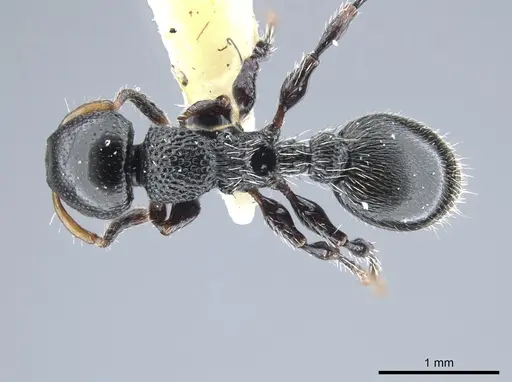
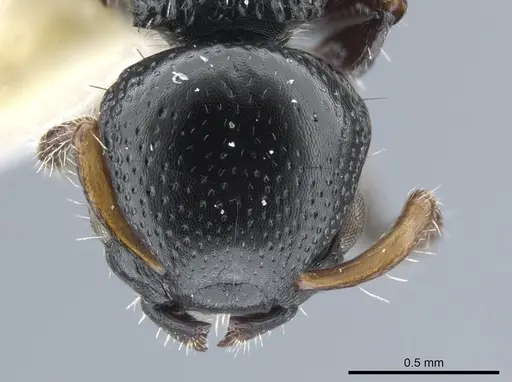
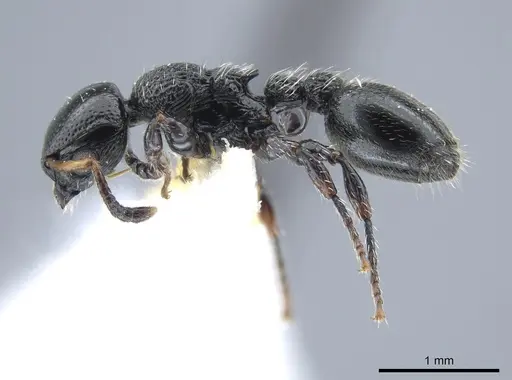
CASENT0919592
View on AntWeb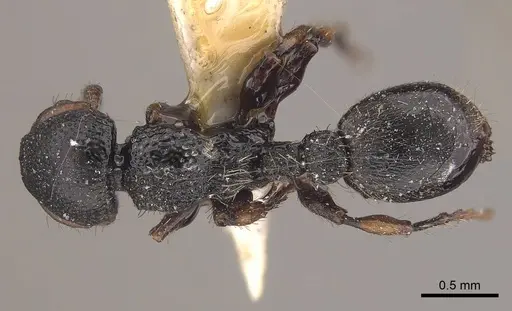
Literature
Loading distribution map...Loading products...