
Procryptocerus clathratus
- Sci. Name
- Procryptocerus clathratus
- Tribe
- Attini
- Subfamily
- Myrmicinae
- Author
- Emery, 1896
- Distribution
- Found in 1 countries
Introduction
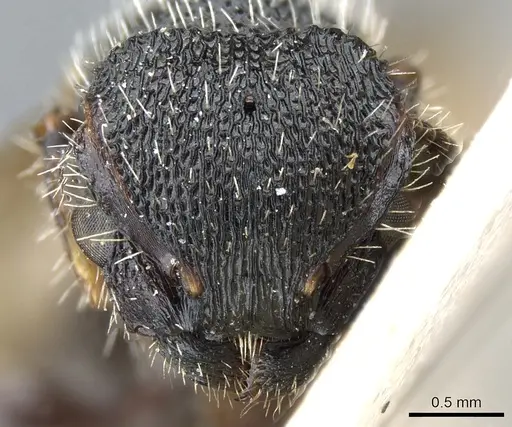
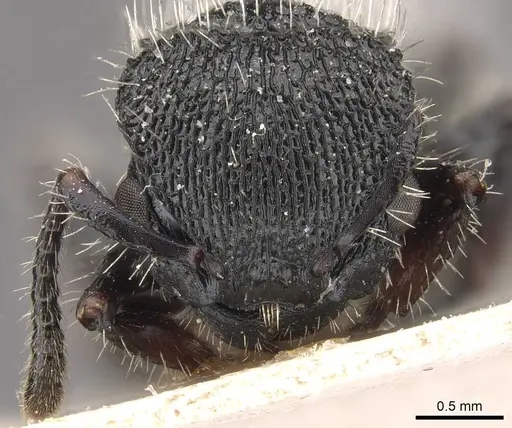
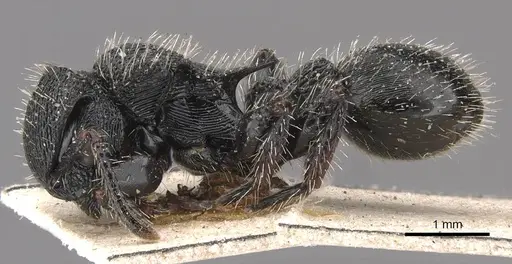
Procryptocerus clathratus is an ant species native to Brazil, with a distinctive lattice-like sculpture on the head and mesosoma, and upturned propodeal spines . It was originally described by Emery in 1896 . Found in Santa Catarina and central Amazonia, it is an arboreal species living in forest canopies, as confirmed by canopy fogging studies . Unlike many ground-nesting ants, P. clathratus inhabits tree canopies, making it a unique species for antkeepers interested in arboreal setups. The species belongs to the tribe Attini, which includes fungus-growing ants, but Procryptocerus itself is not a true fungus gardener. Its arboreal nature and elaborate morphology are notable characteristics for experienced keepers.
Quick Summary
- Difficulty: Expert
- Origin & Habitat: Native to Brazil, specifically Santa Catarina and central Amazonia. Arboreal, living in forest canopies [2][3][4].
- Colony Type: Colony structure is unconfirmed. No specific data on queen number or social structure.
- Size & Growth:
- Queen: size data unavailable
- Worker: size data unavailable
- Colony: Unknown
- Growth: Unknown
- Development: Estimated 6-10 weeks based on typical Myrmicinae patterns at warm temperatures. (No direct development data, estimates based on related species.)
- Antkeeping:
- Temperature: Keep warm, roughly 24-28°C, based on tropical habitat.
- Humidity: Keep substrate consistently moist but not waterlogged, based on canopy habitat.
- Diapause: Unknown, tropical species may not require diapause.
- Nesting: Arboreal species, provide vertical nest setups such as Y-tong or naturalistic arboreal nests [3][4].
- Behavior: Likely docile based on genus patterns, escape risk moderate due to climbing ability.
- Common Issues: rarity in the antkeeping hobby makes finding colonies difficult, arboreal nature means standard ground nests may not be suitable, no established captive breeding protocols exist, high humidity requirements can lead to mold issues if ventilation is poor, tropical origin means they are sensitive to temperature drops
Natural History and Distribution
Procryptocerus clathratus is endemic to Brazil, with confirmed records from Santa Catarina in southern Brazil and central Amazonia. The species was originally described by Carlo Emery in 1896 [2]. Unlike many Myrmicinae ants that nest in the ground, P. clathratus is arboreal, they live in the forest canopy. This was confirmed when researchers collected them through canopy fogging of Calophyllum brasiliense trees in Amazonian Brazil [3]. The genus Procryptocerus is known for its elaborate sculptural features, with P. clathratus specifically having distinctive clathrate (lattice-like) sculpturing on the frons and promesonotum [1].
Identification and Morphology
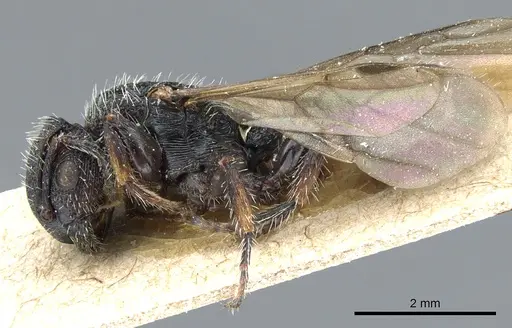
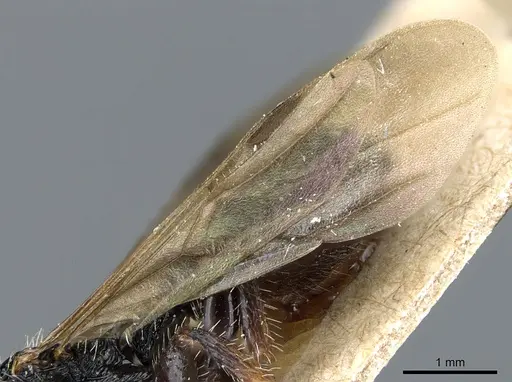
Procryptocerus clathratus workers have several distinctive morphological features. The head and mesosoma display clathrate sculpture, a lattice-like pattern that gives the species its name. The frontovertexal margin is medially indistinct but laterally distinct, with a crenate outline. The vertex (top of the head) is concave, and the frontal carina is curvate. The propodeal spines are parallel and upturned. The petiole and postpetiole have areolate (network-like) sculpturing [1]. These features make the genus relatively easy to identify under magnification.
Housing and Nest Preferences
Being an arboreal species, Procryptocerus clathratus requires different housing than typical ground-nesting ants. In captivity, provide a vertical or elevated nest setup rather than horizontal ones. Y-tong (AAC) nests work well, or you can create a naturalistic arboreal setup with vertical structures and chambers. The nest should have narrow passages scaled to their worker size. Include a water tube for humidity and ensure the setup allows for climbing surfaces. Because they are from the Brazilian rainforest, they need high humidity, think damp but not stagnant [3][4].
Temperature and Humidity Requirements
As a tropical Brazilian species, Procryptocerus clathratus needs warm and humid conditions. Keep temperatures in the range of 24-28°C. A heating cable placed on one side of the nest can create a temperature gradient, allowing the ants to self-regulate. Avoid temperatures below 22°C for extended periods. Humidity should be high, aim for consistently moist substrate without flooding. In their natural canopy habitat, they experience high humidity year-round.
Feeding and Diet
Procryptocerus belongs to the tribe Attini, which includes fungus-growing ants. However, Procryptocerus itself is not a true fungus gardener. In the wild, they likely feed on small arthropods, honeydew, and possibly nectar. For captive care, offer a varied diet: protein sources like small insects (fruit flies, small crickets, mealworms), and sugar sources like honey water or sugar water. Since they are arboreal and likely foragers, they may accept small prey items.
Colony Development and Growth
No specific development data exists for Procryptocerus clathratus. Based on typical Myrmicinae patterns, expect founding to take 6-10 weeks from egg to first worker (nanitic) at optimal temperatures. Queens are likely claustral, they seal themselves in and survive on stored fat reserves while raising the first brood. Initial colony growth is typically slow, with the first few workers (nanitics) being smaller than normal workers. Once the colony establishes, growth rate should increase.
Frequently Asked Questions
How do I house Procryptocerus clathratus ants?
Procryptocerus clathratus is an arboreal species, so provide a vertical nest setup rather than a horizontal one. Y-tong (AAC) nests work well, or you can create a naturalistic setup with vertical chambers. They need high humidity and warm temperatures around 24-28°C [3][4].
What do Procryptocerus clathratus eat?
Based on their tribe (Attini), they likely eat small arthropods and sugar sources. Offer protein like small insects (fruit flies, pinhead crickets, mealworms) 2-3 times per week, and keep sugar water (honey water) available at all times.
How long does it take for Procryptocerus clathratus to produce first workers?
No specific data exists, but based on typical Myrmicinae patterns, expect 6-10 weeks from egg to first worker at optimal temperatures (around 24-26°C). Initial growth is slow.
Are Procryptocerus clathratus good for beginners?
No. This species is rated Expert difficulty due to rarity in the hobby, lack of established care protocols, arboreal housing requirements, and high humidity needs. It is not recommended for beginners.
Where is Procryptocerus clathratus found?
Procryptocerus clathratus is found only in Brazil, specifically in Santa Catarina (southern Brazil) and central Amazonia. They are arboreal, living in the forest canopy [2][3][4].
What temperature do Procryptocerus clathratus need?
Keep them warm at 24-28°C. Being from tropical Brazil, they need consistently warm temperatures. A heating cable on one side of the nest can help maintain proper temperatures.
Can I keep multiple Procryptocerus clathratus queens together?
Colony structure is unconfirmed for this species. Do not combine unrelated queens unless you have specific evidence they accept multiple queens.
Why is Procryptocerus clathratus so rare in antkeeping?
This species has a limited distribution (only Brazil), is arboreal (making them hard to find), and has specific habitat requirements. They are rarely collected and even more rarely exported. Most antkeepers will never encounter this species for sale.
Do Procryptocerus clathratus need hibernation?
Being from tropical Brazil, they likely do not need a true diapause. However, they may have reduced activity periods. Do not attempt to hibernate them at cold temperatures, keep them warm year-round.
Report an Issue
The current care sheet is based fully on literature. See inconsistencies, or something that's incorrect? Please , it will be resolved after review from an admin. Contributing to the blogs tab also helps providing information, to make us be able to further improve the caresheets. Thank you for your support!
References

This caresheet is licensed under CC BY-SA 4.0 .
Community Blogs
CASENT0904895
View on AntWeb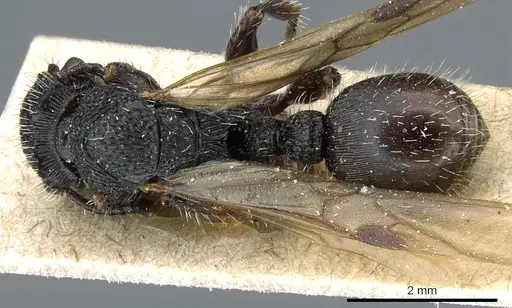
CASENT0909245
View on AntWeb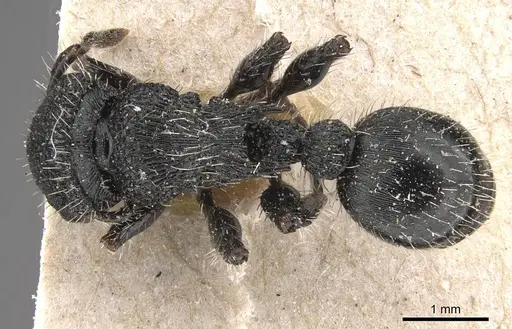
Literature
Loading distribution map...Loading products...