
Procryptocerus batesi
- Sci. Name
- Procryptocerus batesi
- Tribe
- Attini
- Subfamily
- Myrmicinae
- Author
- Forel, 1899
- Distribution
- Found in 3 countries
Introduction
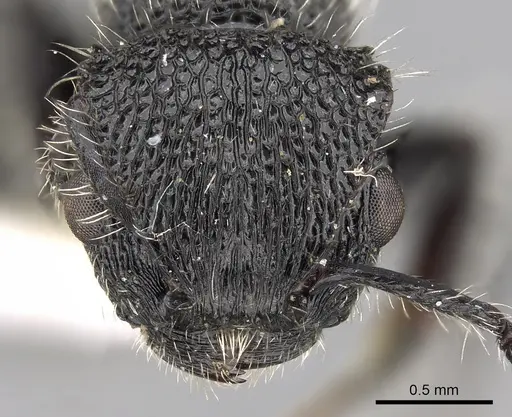
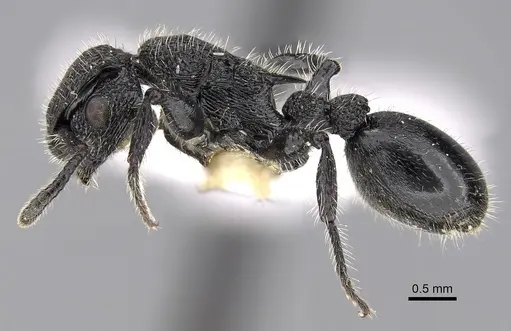
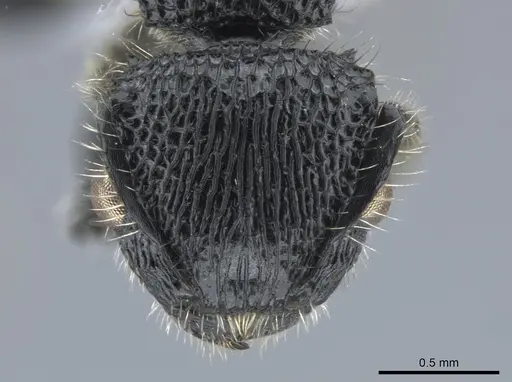
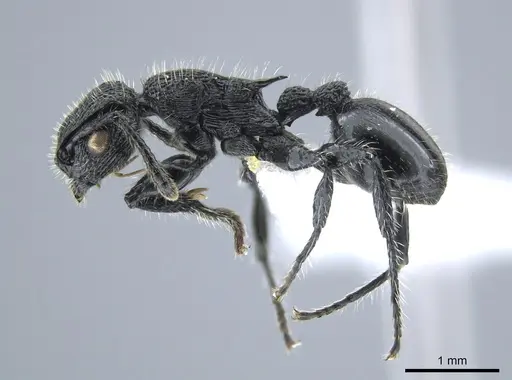
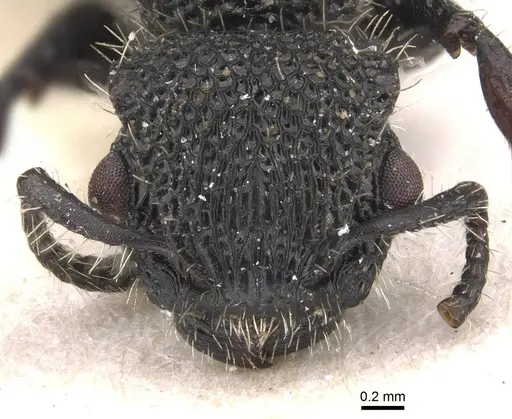
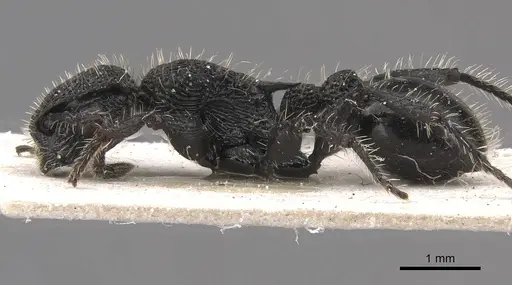
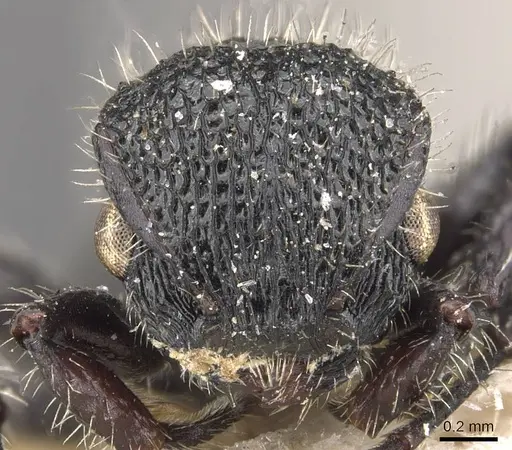
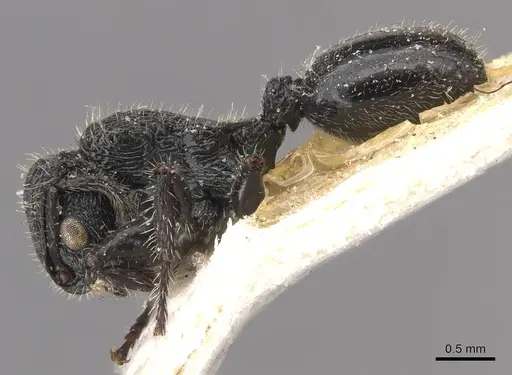
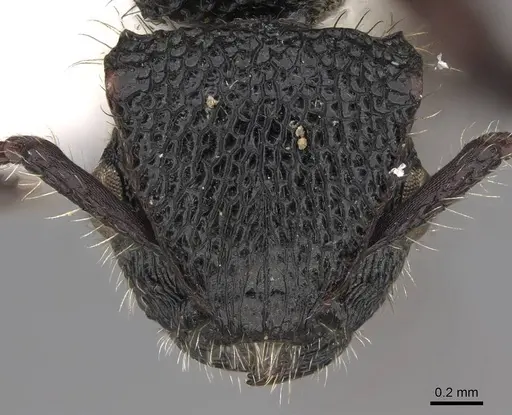
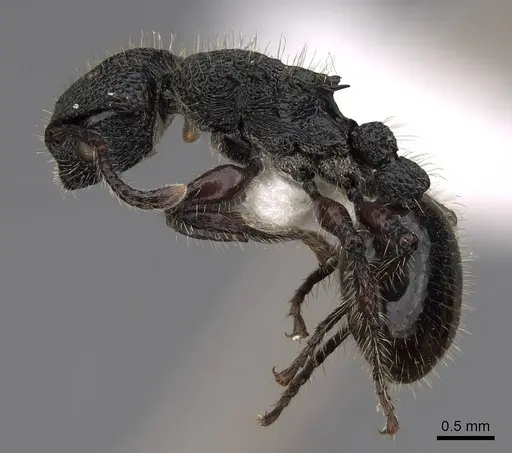
Workers are shiny black ants with heavy sculpturing, approximately 6.2 mm long . They inhabit montane wet forests above 600 meters elevation in Costa Rica, Panama, and Colombia . Unlike many ants, they nest inside live or dead plant stems, often high in the canopy . They harbor Rhizobiales gut bacteria, which may aid in processing plant-based resources .
Quick Summary
- Difficulty: Hard
- Origin & Habitat: Montane wet forests of Costa Rica, Panama, and Colombia, above 600 meters elevation [2]
- Colony Type: Unconfirmed, reports of both monogynous and polygynous colonies, with polydomy likely [2][1]
- Size & Growth:
- Antkeeping:
- Behavior: Workers are calm and forage on low vegetation and in treefalls [2]. They possess a sting for defense, as typical for Myrmicinae. Their size creates moderate escape risk, so use tight-fitting lids.
- Common Issues: small colony size makes them fragile and easily disturbed [2]., montane origin means they suffer in heat, temperatures above 25°C may stress the colony [2]., high humidity requirements can lead to mold without adequate ventilation [2]., arboreal nesting preferences mean ground-style formicariums may be rejected [2]., slow growth requires patience from keepers.
Nest Preferences
In nature, Procryptocerus batesi nests inside live or dead plant stems, including hollow living stems of epiphytic shrubs high in the canopy and internodes of Cecropia saplings [2]. One nest contained 87 workers in a single Cecropia internode, while another held 55 workers in a hollow stem 20 meters up in a Guarea tree [2]. This means you should provide narrow, tube-like chambers rather than open soil nests. Small bamboo tubes, drilled twigs, or artificial stem-like cavities work best. Keep the chambers elevated to simulate their arboreal lifestyle.
Temperature and Seasonal Care
These ants come from montane wet forests above 600 meters elevation, where temperatures stay cool and stable year-round [2]. You should keep them at approximately 18-22°C. Avoid heating cables or mats that would push temperatures into the mid-20s or higher, as montane species typically cannot tolerate heat. If your room temperature exceeds 22°C, you may need to cool the nest area with fans or evaporative cooling.
Feeding and Diet
Procryptocerus batesi harbors Rhizobiales bacteria in their guts, which are typically associated with nitrogen fixation and plant-based diets [3]. This suggests they may rely heavily on honeydew from sap-sucking insects or plant exudates in nature. In captivity, offer sugar water or honey water constantly, and provide small live prey such as fruit flies, springtails, or tiny cricket nymphs. Because of their small colony size, they require very little food, overfeeding can lead to mold in their humid nest environment.
Behavior and Arboreal Habits
Workers forage on low vegetation and in recent treefalls, suggesting they are opportunistic foragers in the forest understory and canopy [2]. They are not known to be aggressive, and their small colony size means they rely on hiding rather than combat for defense. They possess a sting, as typical for Myrmicinae. In captivity, they will likely stay hidden in their twig nests during the day and forage primarily at night.
Colony Founding
Founding behavior has not been directly documented for this species. Based on nest collections with dealate queens, they likely practice claustral founding, where the queen seals herself in a chamber and raises the first workers on stored body fat [2]. However, this remains unconfirmed. If attempting to found a colony, provide the queen with a small, dark chamber in a twig or test tube with damp cotton, keep her at 20-22°C, and do not disturb her for several weeks.
Frequently Asked Questions
Can I keep Procryptocerus batesi in a test tube?
Yes, but use a narrow tube or bamboo stem to simulate their arboreal nature [2].
What temperature do Procryptocerus batesi need?
Keep them at 18-22°C, as they come from cool montane forests [2].
How big do Procryptocerus batesi colonies get?
Colonies are small, with up to 100 workers [2].
Do Procryptocerus batesi need hibernation?
Unknown, but a cooler period may benefit them [2].
What do Procryptocerus batesi eat?
They likely rely on honeydew and plant resources, due to gut bacteria [3]. Offer sugar water and small live prey.
Are Procryptocerus batesi good for beginners?
No, they are challenging due to specific temperature and nesting needs [2].
How long until Procryptocerus batesi get their first workers?
Unknown, no direct data available.
Can I keep multiple Procryptocerus batesi queens together?
Not recommended, as colony type is unconfirmed and queens may fight [2][1].
Report an Issue
The current care sheet is based fully on literature. See inconsistencies, or something that's incorrect? Please , it will be resolved after review from an admin. Contributing to the blogs tab also helps providing information, to make us be able to further improve the caresheets. Thank you for your support!
References

This caresheet is licensed under CC BY-SA 4.0 .
Community Blogs
CASENT0280784
View on AntWeb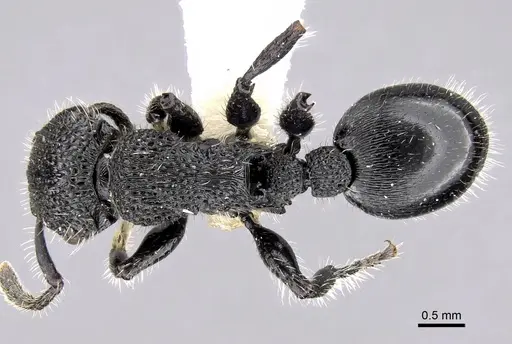
CASENT0648477
View on AntWeb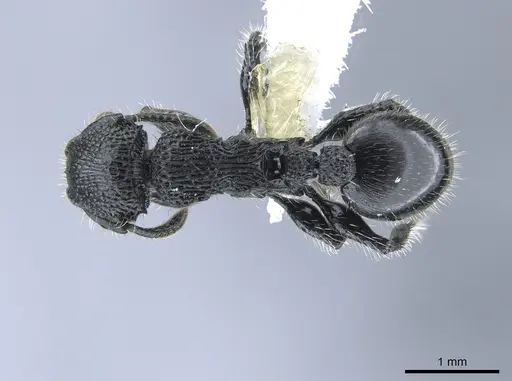
CASENT0909242
View on AntWeb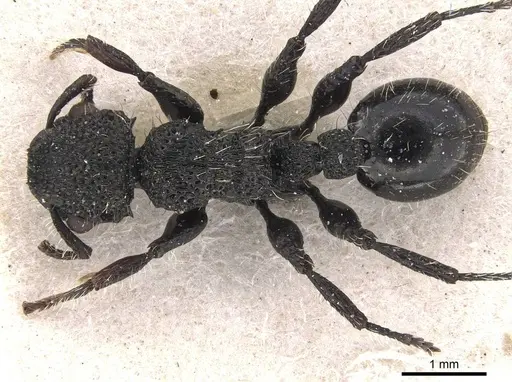
CASENT0909244
View on AntWeb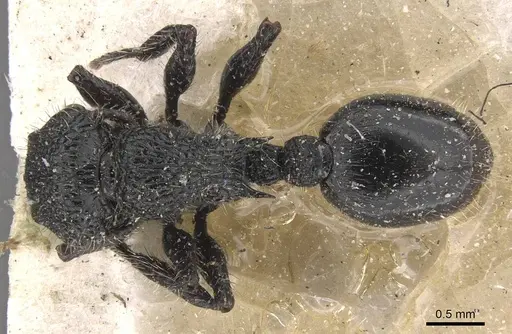
CASENT0922617
View on AntWeb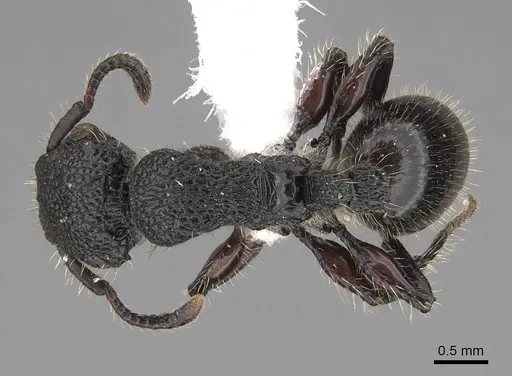
Literature
Loading distribution map...Loading products...