
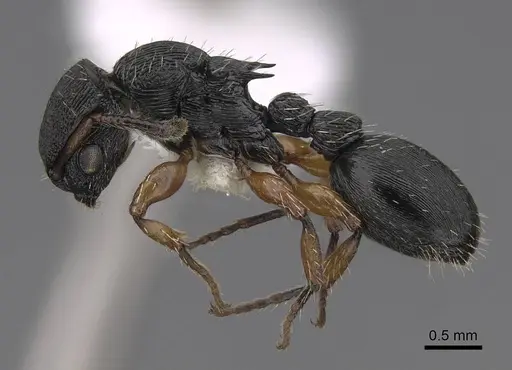
Procryptocerus balzani
- Sci. Name
- Procryptocerus balzani
- Tribe
- Attini
- Subfamily
- Myrmicinae
- Author
- Emery, 1894
- Distribution
- Found in 3 countries
Introduction
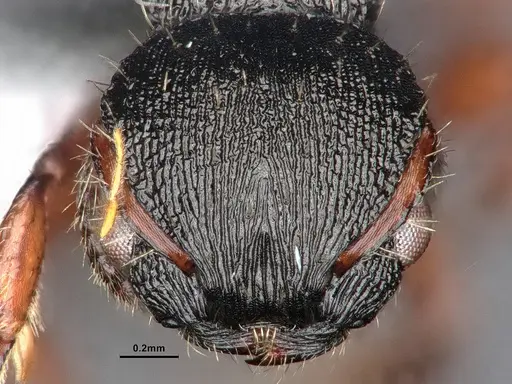
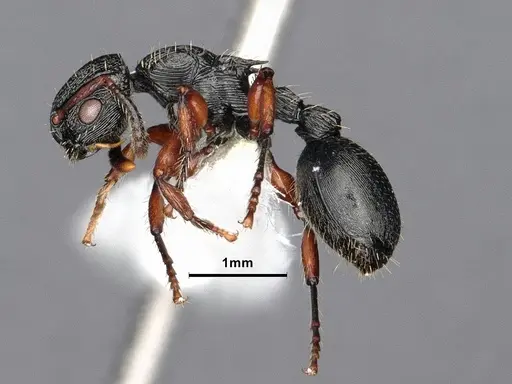
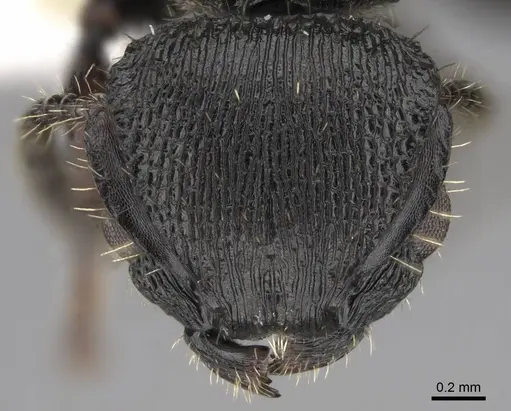
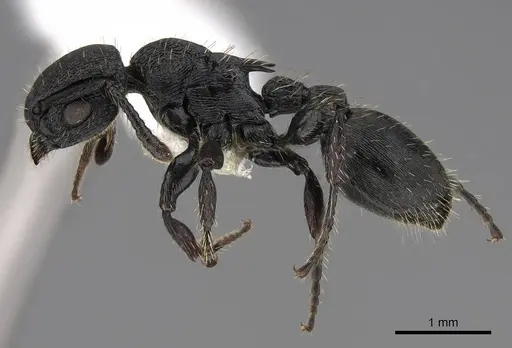
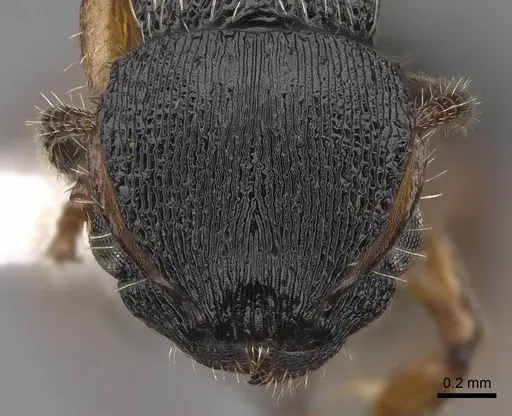
Procryptocerus balzani is a small ant species in the tribe Attini, known for fungus-growing. Workers have a flat vertex , but exact body size data is unavailable. They are found in the Neotropical region, including Bolivia, Colombia, Costa Rica, Panama, and Peru . This species is less studied, and specific captive care details are limited.
Quick Summary
- Difficulty: Medium
- Origin & Habitat: Native to Neotropical tropical forests [2].
- Colony Type: Unknown colony structure, no studies on queen number or organization.
- Size & Growth:
- Queen: size data unavailable
- Worker: size data unavailable
- Colony: Unknown
- Growth: Moderate
- Development: Estimated 6-10 weeks at 24-28°C, based on typical Myrmicinae development (Development is temperature-dependent, no species-specific data available.)
- Antkeeping:
- Behavior: Workers are docile and non-aggressive. They possess a sting but are not likely to sting keepers. Small size requires excellent escape prevention [2].
- Common Issues: escape prevention is critical due to small size, use fine mesh and tight lids., high humidity requirements can lead to mold if ventilation is poor., slow colony growth may require patience., warm temperatures year-round are essential, cold can be fatal., wild-caught colonies may carry parasites that are difficult to treat.
Housing and Nest Setup
You need a small, humid nest for Procryptocerus balzani. Workers have a flat vertex [1], so chambers must be appropriately scaled. Use Y-tong or plaster nests with tight passages. Keep the nest substrate consistently moist, as these ants come from humid environments [2].
Temperature and Heating
Keep temperatures between 24-28°C year-round, as inferred from their Neotropical habitat [2]. Use a heating cable on top of the nest to maintain warmth. Avoid temperatures below 22°C, as cold can slow development and harm the colony.
Feeding and Diet
As Attini ants, they likely cultivate fungus, but specific diet details are unknown. Offer small protein sources like fruit flies or tiny insects, and sugar water occasionally [2]. Remove uneaten food to prevent mold.
Humidity and Water
High humidity is critical, keep the nest substrate moist but not waterlogged [2]. Provide a water tube for drinking access. Mist the outworld occasionally, but focus on nest humidity to prevent desiccation.
Behavior and Temperament
Workers are docile and non-aggressive. They possess a sting but are not likely to use it defensively. Their small size makes escape prevention essential, use fine mesh and tight lids [2].
Colony Development
Colony growth is moderate, with development from egg to worker estimated at 6-10 weeks at optimal temperatures. Be patient, as small Attini colonies grow slowly compared to common pet ants.
Frequently Asked Questions
How long does it take for Procryptocerus balzani to produce first workers?
Expect 6-10 weeks from egg to first worker at 24-28°C, based on typical Myrmicinae development. Cooler temperatures will slow this process.
What do Procryptocerus balzani ants eat?
They likely accept small protein sources like fruit flies and sugar water [2]. Offer food every few days and remove leftovers to avoid mold.
Can I keep Procryptocerus balzani in a test tube?
A test tube can work for a founding queen, but upgrade to a small nest as the colony grows. Ensure humidity and proper scaling [2].
Do Procryptocerus balzani need hibernation?
No, as a tropical species, they do not require hibernation and need warm temperatures year-round.
Are Procryptocerus balzani good for beginners?
They are rated medium difficulty due to humidity and temperature needs, and escape risks from small size [2]. Best for keepers with some experience.
How big do Procryptocerus balzani colonies get?
Colony size is unknown, but likely small based on genus patterns [2].
Why are my Procryptocerus balzani escaping?
Their small size requires fine mesh (0.5mm or smaller) and tight lids. Check barriers regularly [2].
What temperature should I keep Procryptocerus balzani at?
Keep them at 24-28°C consistently, using a heating cable if needed [2].
Report an Issue
The current care sheet is based fully on literature. See inconsistencies, or something that's incorrect? Please , it will be resolved after review from an admin. Contributing to the blogs tab also helps providing information, to make us be able to further improve the caresheets. Thank you for your support!
References

This caresheet is licensed under CC BY-SA 4.0 .
Community Blogs
CASENT0884225
View on AntWeb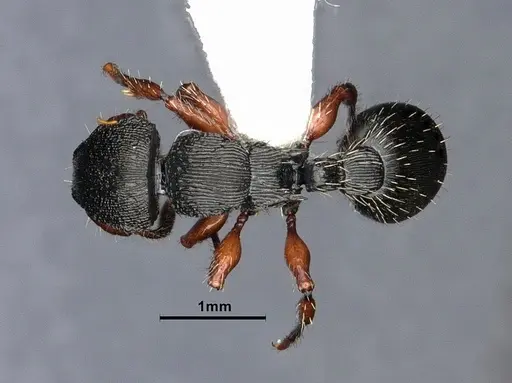
CASENT0905780
View on AntWeb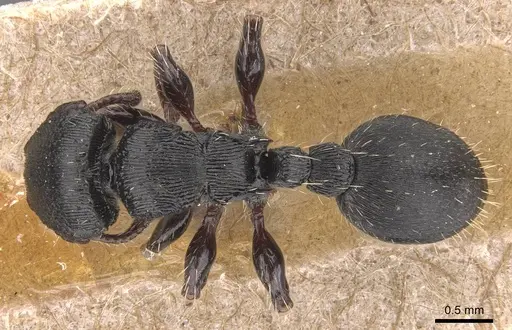
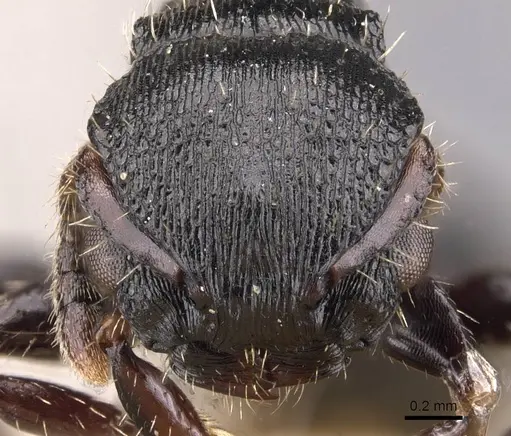
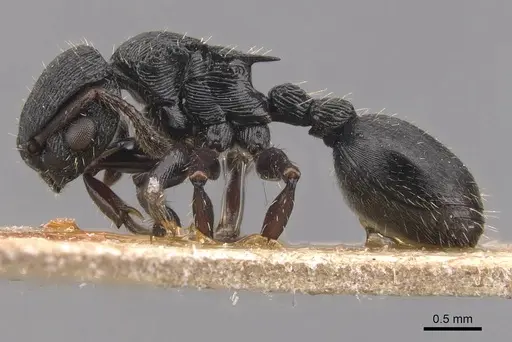
CASENT0922616
View on AntWeb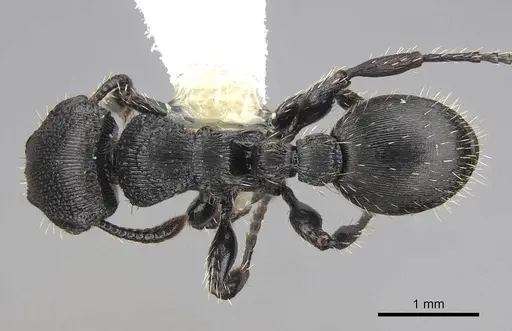
CASENT0922626
View on AntWeb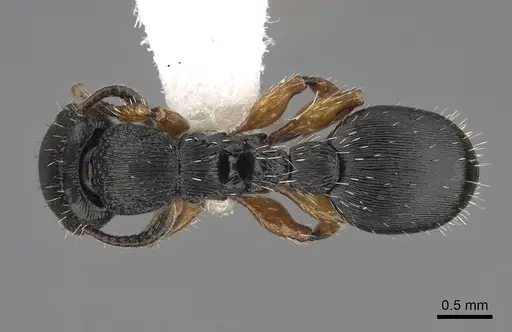
Literature
Loading distribution map...Loading products...