
Proceratium silaceum
- Sci. Name
- Proceratium silaceum
- Tribe
- Proceratiini
- Subfamily
- Proceratiinae
- Author
- Roger, 1863
- Distribution
- Found in 2 countries
Introduction
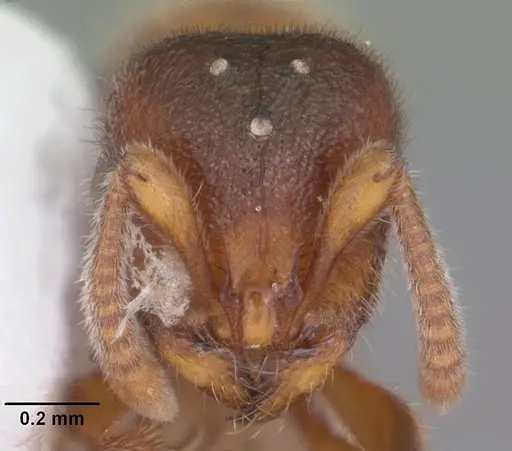
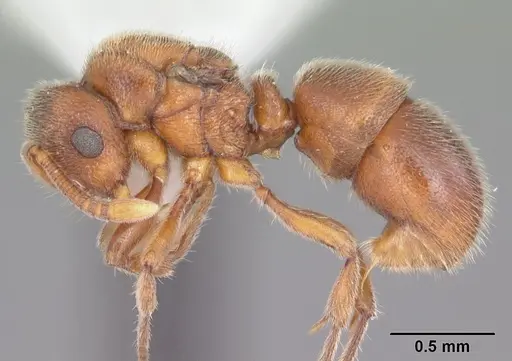
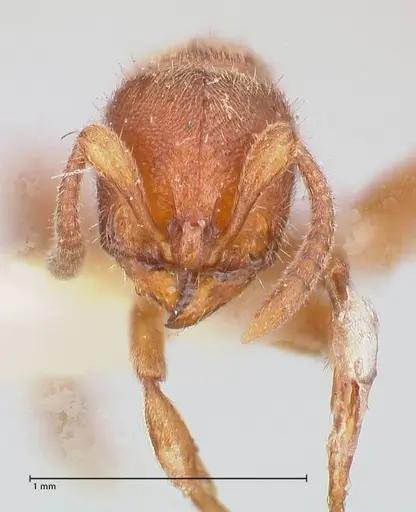
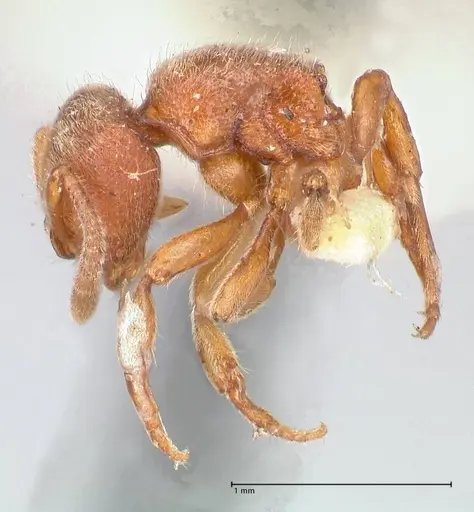
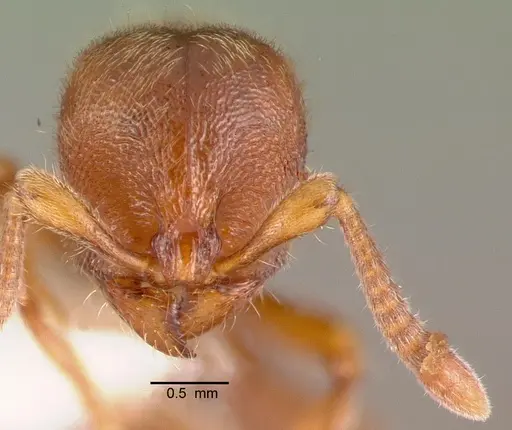
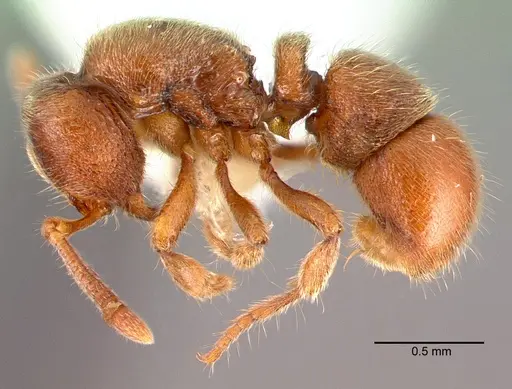
Proceratium silaceum is a small, cryptic ant native to eastern North America, from southern Canada to Mexico. Workers are about 2.4-2.8 mm long, reddish-brown to dark brown, with unusually small eyes on the sides of the head. They live underground or hidden under logs, stones, and in leaf litter . This species has a highly specialized diet: they prey almost exclusively on arthropod eggs, especially spider eggs. They use their downward-curving gaster to tuck slippery eggs against their mandibles for transport and store them in nest chambers .
Quick Summary
- Difficulty: Hard
- Origin & Habitat: Eastern North America (southern Canada through eastern US to Mexico). Found in moist, well-rotted stumps and logs in deciduous forests, under stones, and in leaf litter [1][2][6].
- Colony Type: Unconfirmed, may be polygynous or monogynous. Small colonies typically contain up to 60 workers with one or more queens, plus brood and stored eggs [7][1].
- Size & Growth:
- Queen: Size data unavailable, no total length measurements from valid sources. Based on genus patterns, queens are likely slightly larger than workers [8].
- Worker: ~2.4-2.8 mm [1]
- Colony: Up to 60 workers [1][9]
- Growth: Slow
- Development: Unknown, no direct studies on development time. Based on related Proceratium species, expect several months at warm temperatures. (Development is likely slow given their cryptic lifestyle and small colony sizes.)
- Antkeeping:
- Temperature: Keep at room temperature (20-24°C). They are found at elevations 380-900m, suggesting adaptability [1]. Avoid temperature extremes.
- Humidity: Keep nest substrate consistently moist but not waterlogged, as they inhabit moist forest floors [1][2].
- Diapause: Likely required, as a temperate species, provide 2-3 months at 10-15°C during winter.
- Nesting: Use a naturalistic setup with moist soil and rotting wood pieces, or a Y-tong/plaster nest with high humidity [1][2].
- Behavior: Cryptic and reclusive, slow-moving, not aggressive. Escape risk is moderate due to small size [1].
- Common Issues: specialized diet makes them difficult to feed, they may refuse standard ant foods., small colony size means slow population growth and vulnerability to disturbance., high humidity requirements can lead to mold problems if ventilation is poor., they are cryptic and rarely visible, which can be disappointing for keepers expecting active ants., wild-caught colonies may be stressed and difficult to establish in captivity.
Housing and Nest Setup
Proceratium silaceum requires a setup that recreates their natural forest floor habitat. Use a container filled with moist soil or a soil/peat mix, and add pieces of rotting wood, bark, or cork for nesting. Alternatively, a Y-tong nest with moist plaster can work, but ensure high humidity. These ants are not suited to test tube setups alone, they need space to forage. The outworld should be small since they rarely venture far. Use a secure lid as they can squeeze through small gaps [1][2].
Feeding and Diet - The Critical Challenge
This species is an obligate predator of arthropod eggs, especially spider eggs. They will ignore standard ant foods like sugar water or insects. In captivity, they have been maintained almost exclusively on spider eggs. When provided with eggs, they use their gaster to tuck them against their mandibles for transport and store them in nest chambers. This specialized diet makes them suitable only for experienced keepers who can source spider eggs [3][4][5][1].
Temperature and Seasonal Care
Keep the nest at room temperature (20-24°C). They are adaptable to elevations 380-900m, but avoid extremes. During winter, provide a diapause period at 10-15°C for 2-3 months, reducing feeding. Keep substrate slightly moist during diapause. Return to normal temperatures gradually in spring [1].
Behavior and Observation
Workers are slow-moving and spend most time hidden in the nest or within rotting wood. They are not aggressive and will flee rather than fight. Colonies are small and inactive compared to most ants. This species is best for keepers interested in observing specialized egg-hunting behavior [1].
Frequently Asked Questions
Can I keep Proceratium silaceum in a test tube setup?
No, test tubes alone are not suitable. They need a naturalistic setup with moist substrate and rotting wood pieces to nest in. A small terrarium or naturalistic formicarium works best [1][2].
What do Proceratium silaceum eat?
They eat almost exclusively arthropod eggs, especially spider eggs. They will ignore standard ant foods. You must provide spider eggs or similar small eggs to keep them alive [3][4][5][1].
How long does it take for first workers to appear?
The egg-to-worker timeline is unknown. Based on related Proceratium species, expect several months at warm temperatures (22-24°C). Growth is slow.
Are Proceratium silaceum good for beginners?
No. This species is difficult due to its specialized diet, high humidity needs, and cryptic behavior. It is best for experienced antkeepers [1].
Do Proceratium silaceum ants sting?
They are not known to sting humans. Their small size and reclusive nature mean they pose no threat. They may bite if handled, but the bite is negligible.
Can I keep multiple queens together?
The colony type is unconfirmed, but wild colonies may have multiple queens. You can try keeping multiple founding queens, but they may sort numbers naturally [7].
How big do colonies get?
Colonies remain small, with up to 60 workers. This is a small-colony species that never forms massive swarms [1][9].
Do Proceratium silaceum need hibernation?
Yes, they likely require a diapause period. As a temperate species, provide 2-3 months at 10-15°C during winter.
Why are my Proceratium silaceum dying?
Common causes are wrong food (they need eggs), too dry (they need high humidity), or stress from disturbance. Check for mold in the nest [1].
When will I see nuptial flights?
In the wild, reproductives appear in August. In captivity, getting alates is challenging and may require proper diapause and colony health [1].
Report an Issue
The current care sheet is based fully on literature. See inconsistencies, or something that's incorrect? Please , it will be resolved after review from an admin. Contributing to the blogs tab also helps providing information, to make us be able to further improve the caresheets. Thank you for your support!
References

This caresheet is licensed under CC BY-SA 4.0 .
Community Blogs
CASENT0103844
View on AntWeb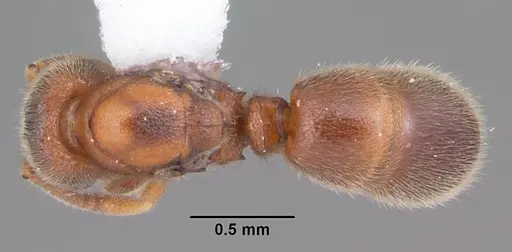
CASENT0104234
View on AntWeb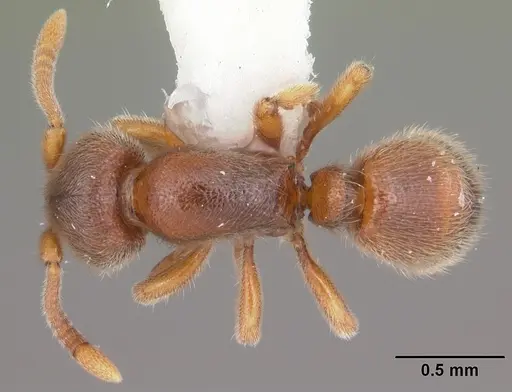
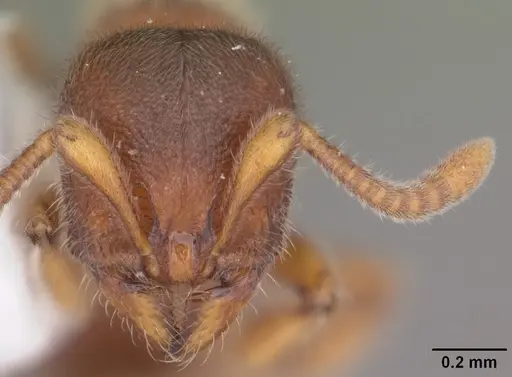
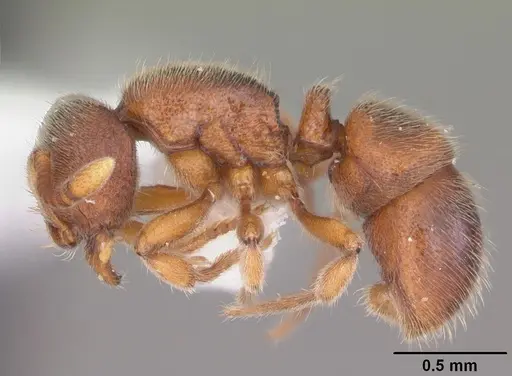
CASENT0104235
View on AntWeb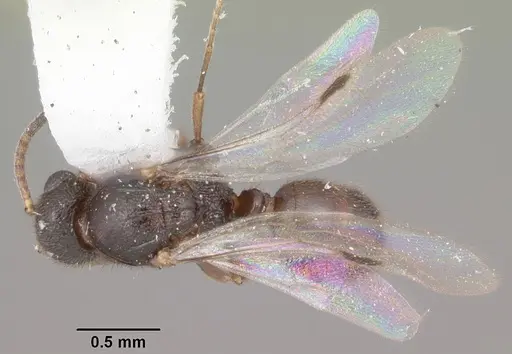
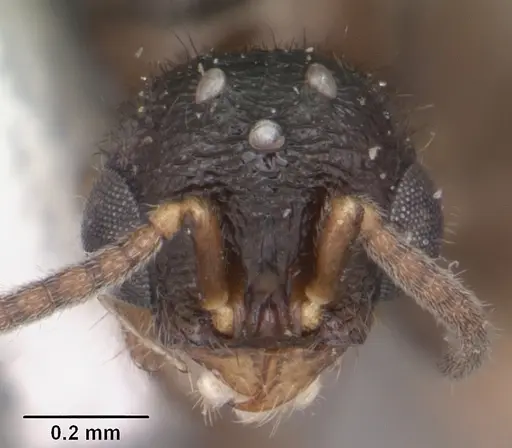
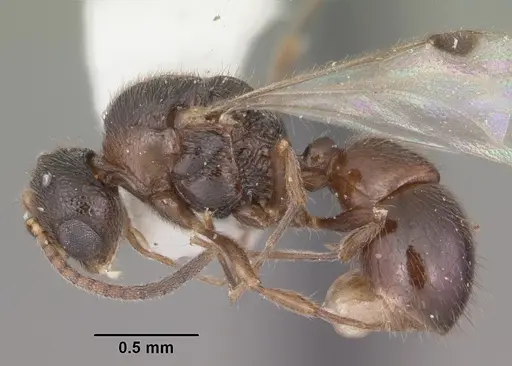
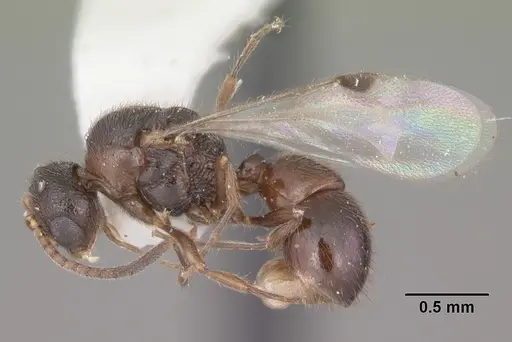
CASENT0235164
View on AntWeb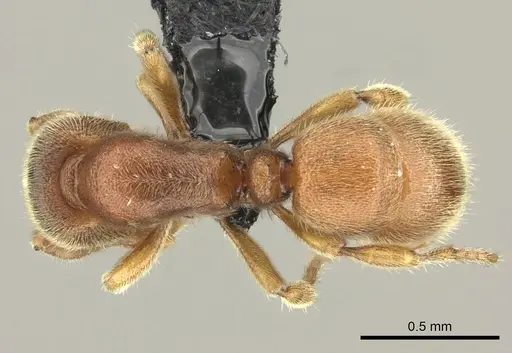
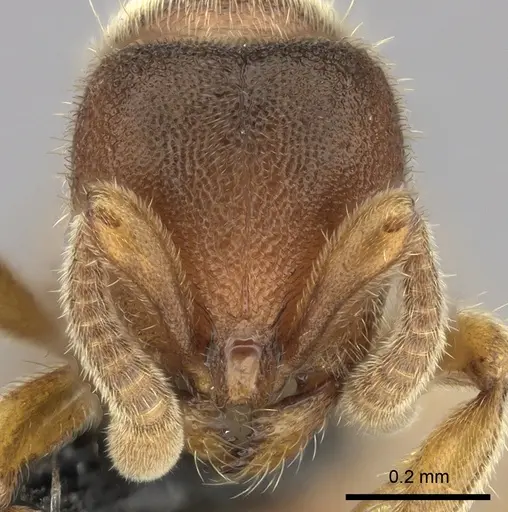
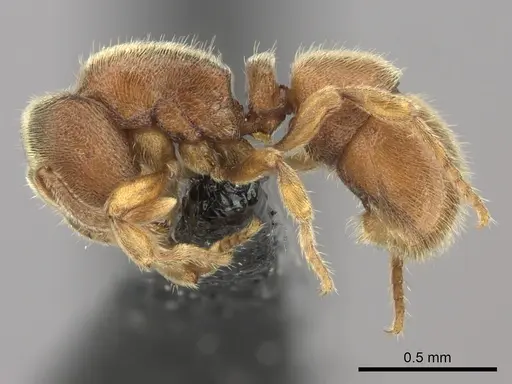
CASENT0903853
View on AntWeb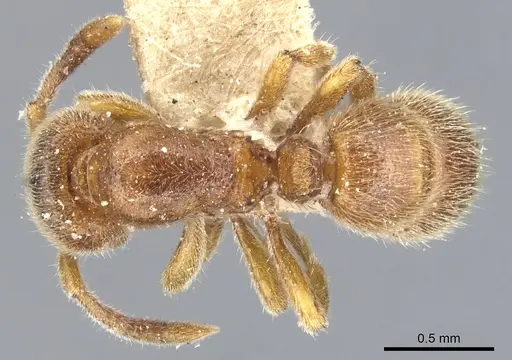
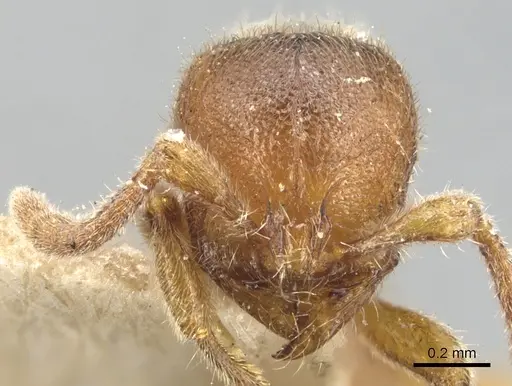
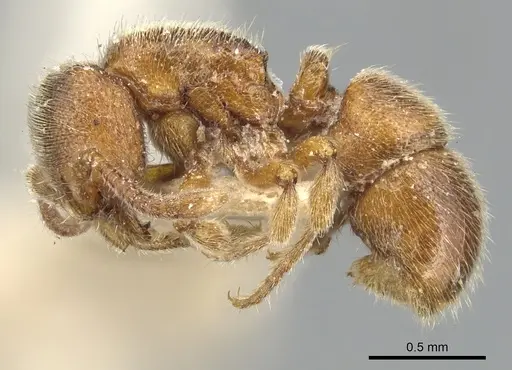
FOCOL0928
View on AntWeb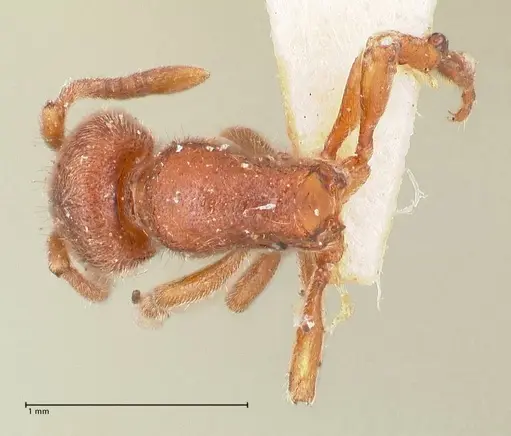
PSW7415-1
View on AntWeb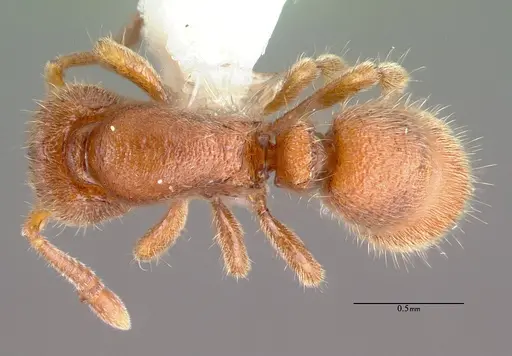
Literature
Loading distribution map...Loading products...