
Proceratium pergandei
- Sci. Name
- Proceratium pergandei
- Tribe
- Proceratiini
- Subfamily
- Proceratiinae
- Author
- Emery, 1895
- Distribution
- Found in 1 countries
Introduction
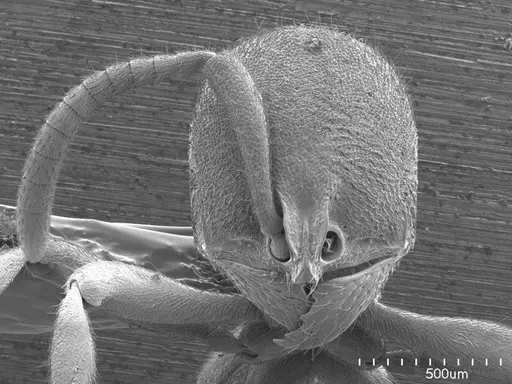
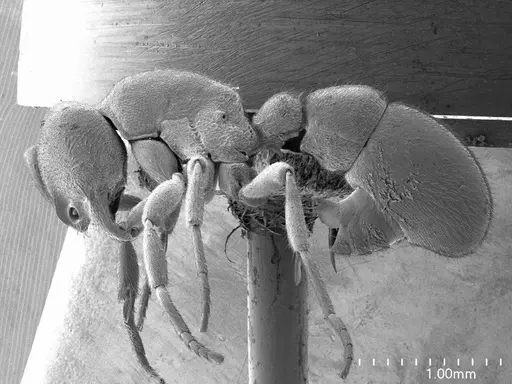
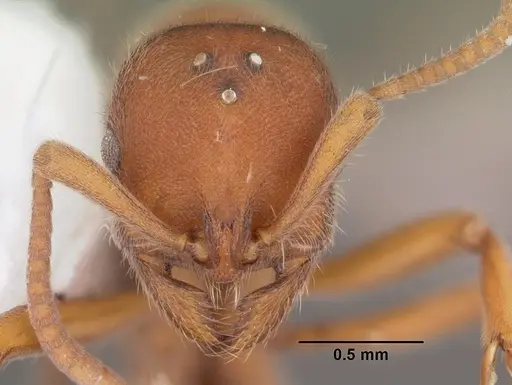
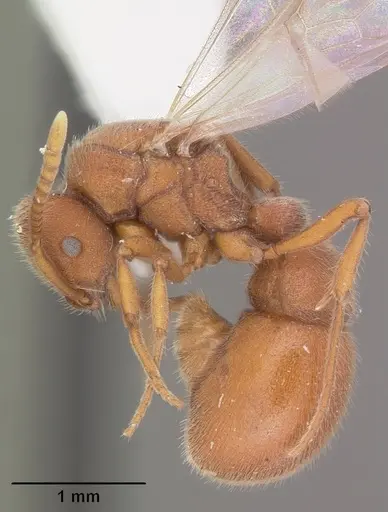
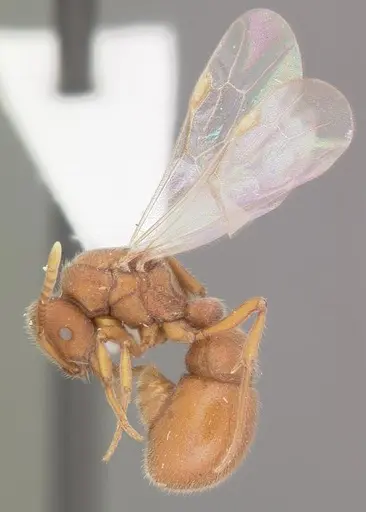
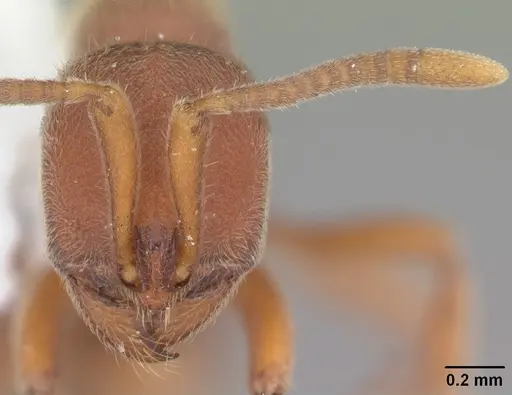
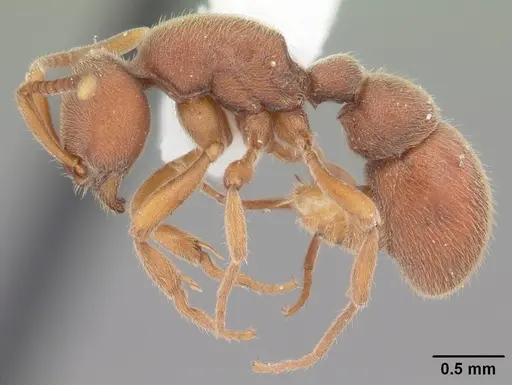
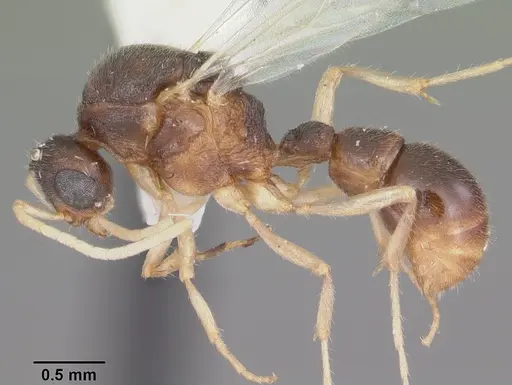
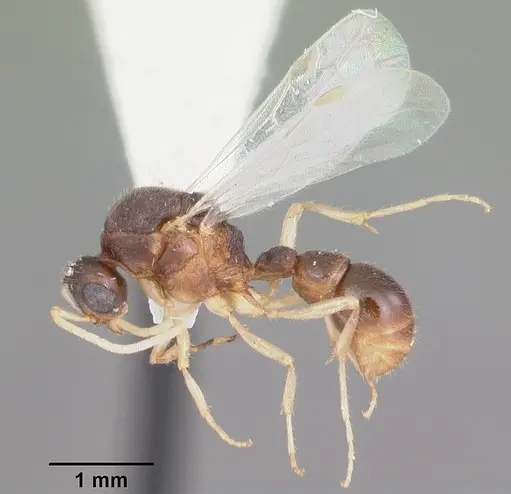
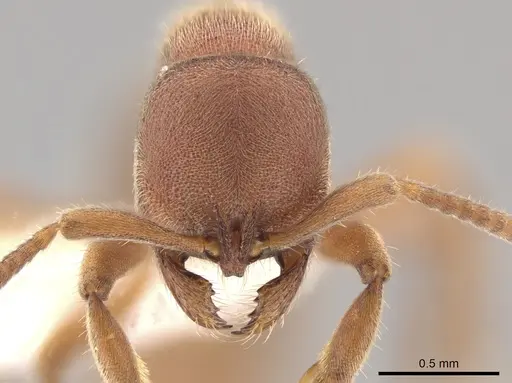
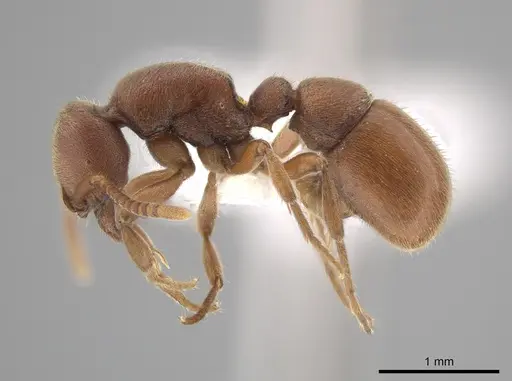
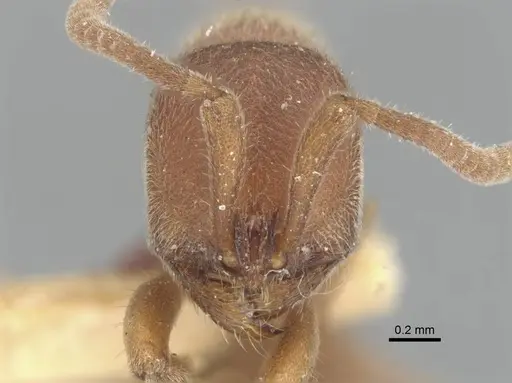
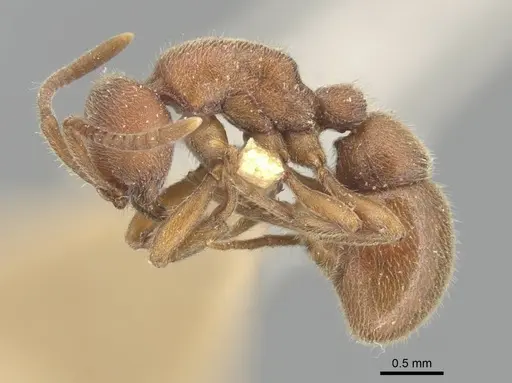
Proceratium pergandei is a small, cryptic ant native to the eastern United States. Workers have a total length of 3.6-4.2 mm , and queens are 4.87-5.10 mm . They are reddish-brown to dark brown with paler antennae and legs . The species is found from New York to Florida and west to Iowa, Arkansas, and Texas . It nests in rotten wood, under rocks, and in soil . This ant is a specialized predator, feeding primarily on spider eggs, which is unusual among ants . Colonies are small, with up to 13 workers , and are strictly hypogaeic, living underground or beneath cover.
Quick Summary
- Difficulty: Expert
- Origin & Habitat: Eastern United States from New York south to Florida and Louisiana, west to Iowa, Arkansas, and Texas. Found in wooded areas including open woods and dense forests. Nests in rotten wood, under rocks, and in soil [1][3][2].
- Colony Type: Monogyne, with a single queen per colony [1].
- Size & Growth:
- Antkeeping:
- Temperature: Keep at room temperature around 20-24°C, inferred from their wide distribution [1]. Avoid temperature extremes.
- Humidity: Keep the nest substrate consistently moist but not waterlogged, based on their natural habitat in rotten wood and soil [2].
- Diapause: Likely yes, based on their wide distribution, reduce temperature to 10-15°C for 2-3 months during winter.
- Nesting: Use a naturalistic setup with moist soil substrate, rotting wood, or Y-tong (AAC) and plaster nests with narrow chambers [2].
- Behavior: Extremely cryptic and reclusive. These ants are strictly hypogaeic (ground-dwelling) and rarely come into the open [1]. They are not aggressive and have no functional sting. Escape risk is moderate due to their small size, use fine mesh barriers.
- Common Issues: specialized diet makes feeding difficult, they may refuse standard ant foods, small colony size means slow growth and high vulnerability to stress, hypogaeic lifestyle means you rarely see workers, do not assume colony is dead, wild-caught colonies may have low queen fertility or parasites, very small size requires excellent escape prevention
Housing and Nest Preferences
Proceratium pergandei requires a setup that mimics their natural underground habitat. A naturalistic terrarium with a deep soil layer works well. Use a moist substrate mix of soil and sand to maintain structure while retaining moisture. Add pieces of rotting wood, cork bark, or flat stones on the surface to provide cover, these ants prefer to nest beneath objects [2]. A Y-tong (AAC) or plaster nest with narrow chambers can also work, but provide plenty of darkness and cover. The key is maintaining consistently damp substrate without flooding. Use fine mesh on any ventilation holes due to their small size.
Feeding and Diet
This is the most challenging aspect of keeping Proceratium pergandei. They are specialized predators on spider eggs [1][4], and this specialized diet appears to be nearly obligate. In captivity, they may accept small live prey like springtails or booklice, and occasionally the contents of dead insects. Do not rely on sugar water or honey, these ants are predators. This species is not recommended for beginners due to dietary challenges.
Temperature and Seasonal Care
Keep Proceratium pergandei at room temperature, ideally around 20-24°C, inferred from their wide distribution [1]. Avoid temperatures above 28°C or below 15°C for extended periods. Given their northern distribution, they likely require a winter diapause. Reduce temperatures to around 10-15°C for 2-3 months during winter, typically from late November through February. During this period, reduce feeding and keep the nest slightly drier but not dry.
Behavior and Observation
These are extremely cryptic ants. Workers are slow-moving and spend most of their time underground or under cover. You will rarely see them out in the open, which is normal behavior, they are hypogaeic by nature [1]. Do not assume your colony has died if you don't see workers frequently. They have no functional sting and are completely harmless to humans. The most interesting behavior to observe is their specialized predation on spider eggs.
Frequently Asked Questions
What do Proceratium pergandei ants eat?
They are specialized spider egg predators. In captivity, they may accept small live prey like springtails or booklice, and occasionally the contents of dead insects. Standard ant foods like sugar water are typically refused.
How long does it take for Proceratium pergandei to develop from egg to worker?
The exact development time is unknown, no direct data is available.
Can I keep multiple Proceratium pergandei queens together?
No. This species is monogyne, meaning colonies have a single queen. Multiple unrelated queens will fight. In the wild, colonies consist of one queen with up to 13 workers [1].
Do Proceratium pergandei ants sting?
No. They are completely harmless to humans. They have no functional sting and are not aggressive.
How big do Proceratium pergandei colonies get?
Very small. Natural colonies typically contain up to 13 workers plus a queen and males [1]. Even established colonies rarely exceed this size.
Are Proceratium pergandei good for beginners?
No. This species is rated Expert difficulty due to their specialized spider-egg diet, cryptic behavior, small colony sizes, and specific humidity requirements.
Do Proceratium pergandei need hibernation?
Likely yes. Given their wide distribution from northern states to the south, they probably need a winter rest period. Reduce temperature to 10-15°C for 2-3 months during winter.
Why can't I see my Proceratium pergandei workers?
This is normal. They are strictly hypogaeic (ground-dwelling) and prefer to stay underground or under cover. You will rarely see them out in the open. This does not mean the colony is dead.
When will my Proceratium pergandei colony produce alates?
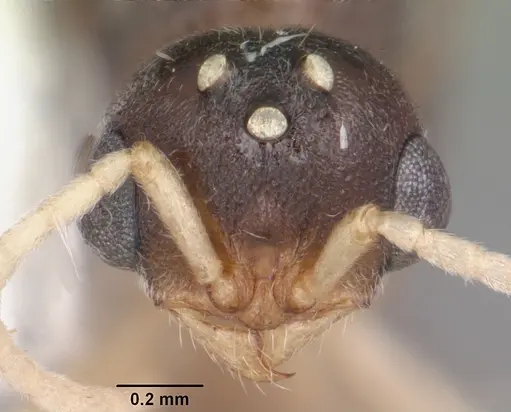
Males have been observed in colonies around late August, with winged males found as late as October [1]. However, colony growth is very slow, and producing reproductives may take several years.
What is the best nest type for Proceratium pergandei?
A naturalistic setup with deep, moist soil substrate works best. Use a soil-sand mix with pieces of rotting wood or cork bark as nesting cover. Alternatively, a Y-tong (AAC) or plaster nest with narrow chambers can work if kept consistently moist and dark.
Report an Issue
The current care sheet is based fully on literature. See inconsistencies, or something that's incorrect? Please , it will be resolved after review from an admin. Contributing to the blogs tab also helps providing information, to make us be able to further improve the caresheets. Thank you for your support!
References

This caresheet is licensed under CC BY-SA 4.0 .
Community Blogs
ANTWEB1008584
View on AntWeb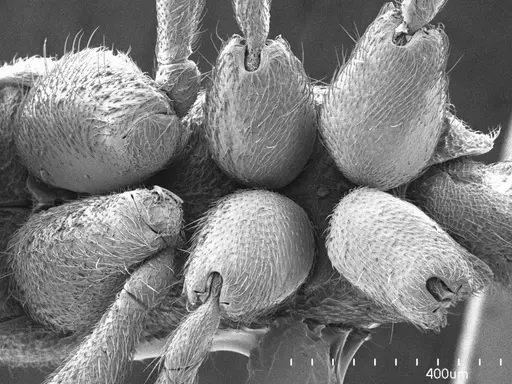
CASENT0103837
View on AntWeb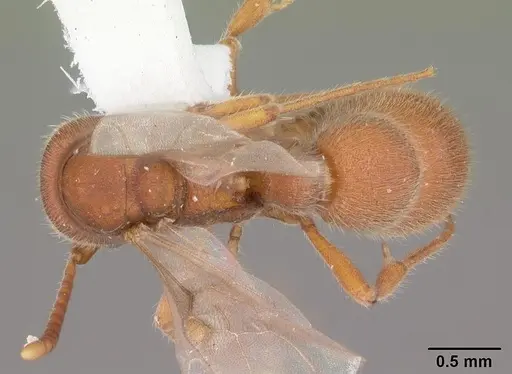
CASENT0104443
View on AntWeb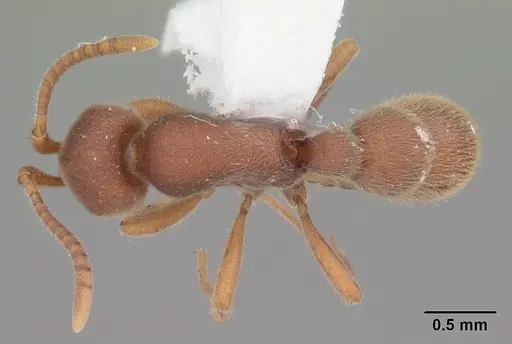
CASENT0104444
View on AntWeb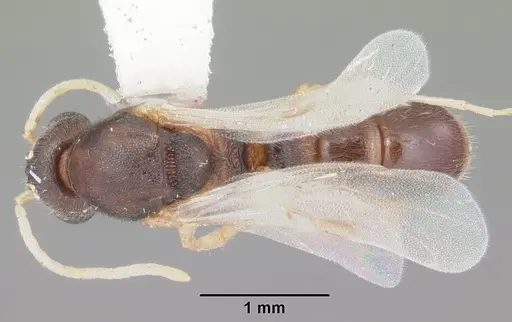
CASENT0643057
View on AntWeb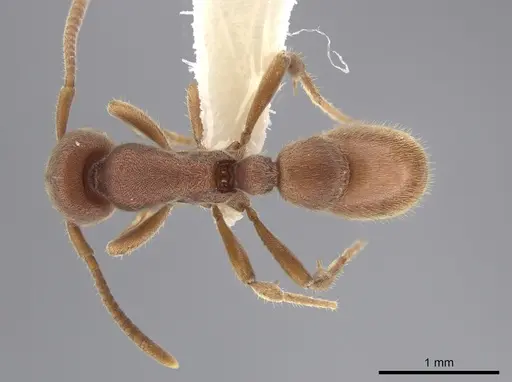
CASENT0903855
View on AntWeb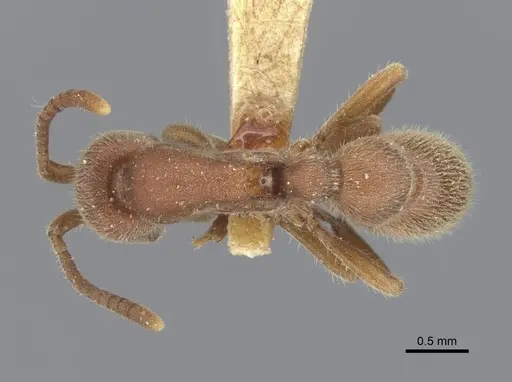
Literature
Loading distribution map...Loading products...