
Proceratium papuanum
- Sci. Name
- Proceratium papuanum
- Tribe
- Proceratiini
- Subfamily
- Proceratiinae
- Author
- Emery, 1897
- Distribution
- Found in 3 countries
Introduction
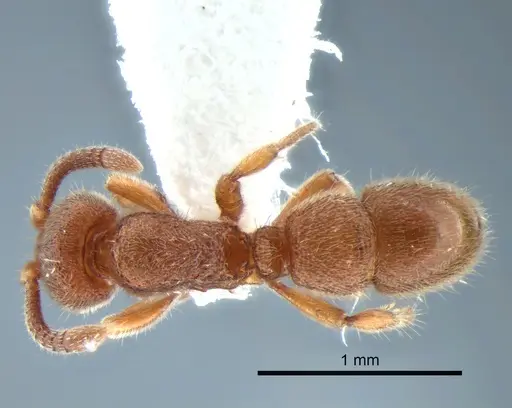
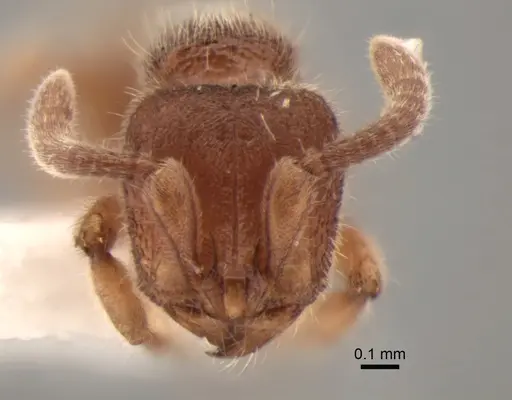
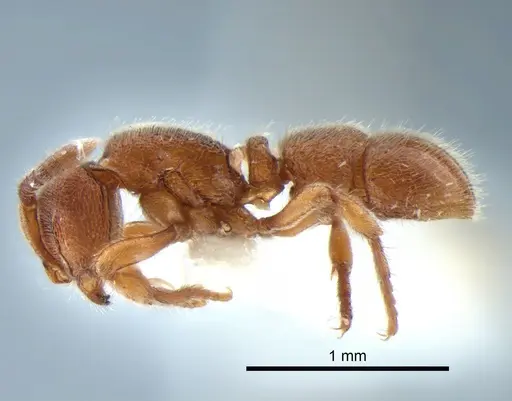
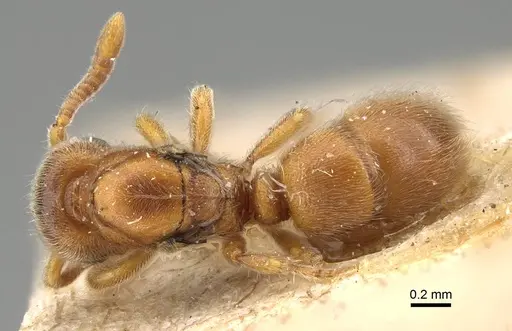
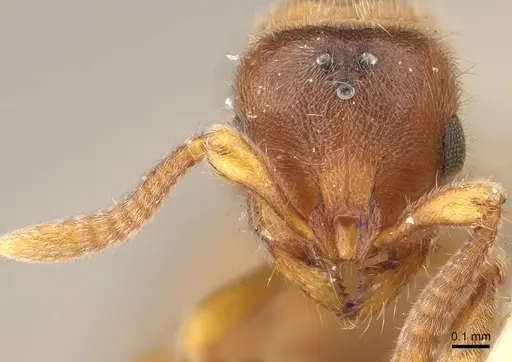
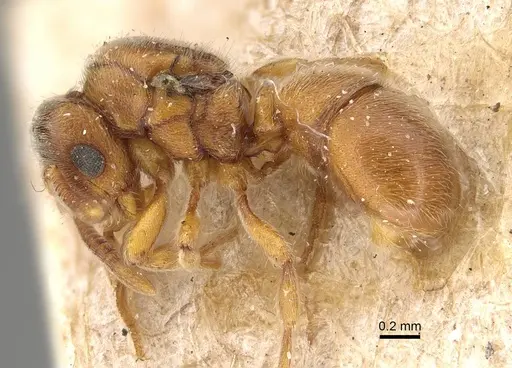
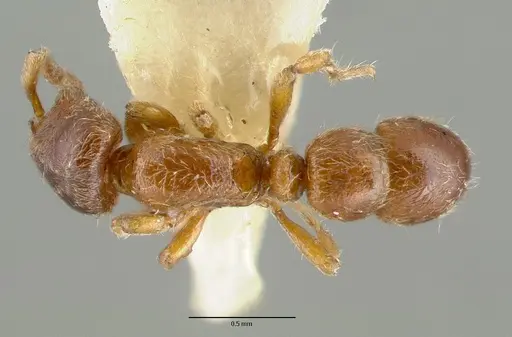
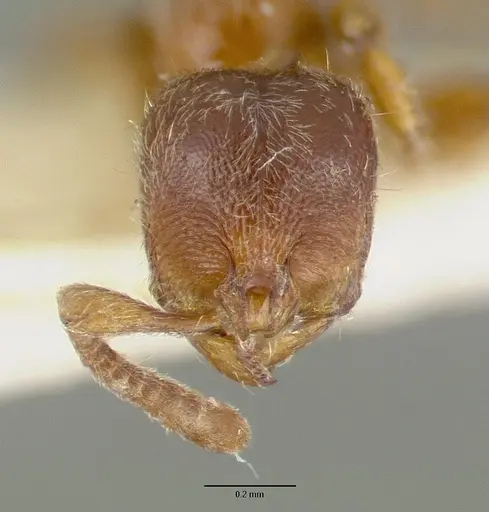
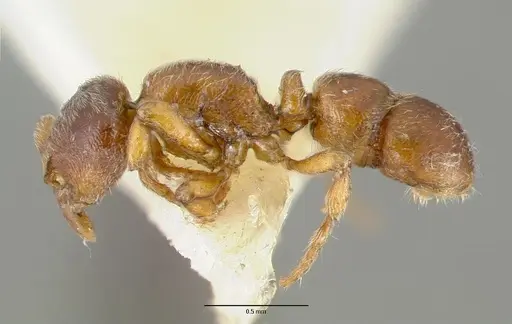
Proceratium papuanum is a small, cryptic ant in the subfamily Proceratiinae. Workers have a total length of 2.37-2.57 mm, and queens 2.92-3.12 mm . They are found in Australasian and Indomalayan regions, including New Guinea, Borneo, Indonesia, Malaysia, Philippines, and Solomon Islands . They inhabit humid tropical forests, nesting in rotting wood, leaf litter, or soil cavities . Little is known about the specific biology of Proceratium papuanum, as is typical for this cryptic genus. They are predators of small arthropods like springtails, but detailed behavior and colony dynamics are unconfirmed .
Quick Summary
- Difficulty: Expert
- Origin & Habitat: Found in humid tropical forests across Australasian and Indomalayan regions: New Guinea, Borneo, Indonesia, Malaysia, Philippines, and Solomon Islands [2][3]. They nest in rotting wood, leaf litter, or soil cavities [1].
- Colony Type: Colony structure is unconfirmed. No data exists on queen number or social structure.
- Size & Growth:
- Antkeeping:
- Behavior: Proceratium papuanum is cryptic and non-aggressive. Workers are small (2.37-2.57 mm) and slow-moving, so escape prevention is important. They forage at night for small prey like springtails [1].
- Common Issues: small colony size means losses have bigger impact, a few workers dying can significantly set back a small colony, escape prevention is critical despite their small size, they can squeeze through tiny gaps, they refuse standard ant foods, without live small prey like springtails, colonies will starve, slow growth tests keeper patience, colonies may remain small for months or years, humidity control is challenging, too dry causes desiccation, too wet causes fungal growth, light sensitivity causes stress, keep nests in darkness or covered
Housing and Nest Setup
Proceratium papuanum requires a dark, humid nest environment. Y-tong (AAC) nests work well because they maintain humidity well and provide the darkness these cryptic ants prefer. Plaster nests are another good option, the ants can burrow into moist plaster, mimicking their natural rotting wood habitat. A naturalistic setup with a moist soil/leaf litter layer also works, though it makes observation more difficult.
The outworld should be simple, a small foraging area connected to the nest via tubing. Because they are small and slow-moving, the outworld doesn't need to be large. Provide a water tube for drinking and a consistent source of humidity. Keep the entire setup in a dark location or cover the nest portion to reduce stress from light exposure [1].
Feeding and Diet
Proceratium papuanum is a specialized predator. In the wild, they hunt small soil arthropods, particularly springtails (collembola). In captivity, their primary food should be live springtails, these are essential for long-term colony survival. You can culture your own springtail colony to ensure a constant supply.
Other small live prey may be accepted experimentally, including micro-arthropods like minute soil mites, but success is uncertain. Do not rely on sugar sources or standard ant foods, Proceratium ants are not typically sugar feeders. Some keepers report success with tiny pieces of mealworm or fruit flies, but these should be offered sparingly and only as supplements to the primary live prey diet [1].
Temperature and Humidity
As a tropical species from New Guinea and Southeast Asia, Proceratium papuanum needs warm, humid conditions. Keep the nest at roughly 24-28°C, this is warmer than many temperate ant species require. A heating cable placed on one side of the nest creates a temperature gradient that allows the ants to regulate their own temperature.
Humidity should be high, with the nest substrate feeling consistently moist but never waterlogged. A water reservoir connected to the nest helps maintain humidity. Monitor for condensation, some condensation is good, but excessive moisture leads to mold problems. If you see mold growing, reduce humidity slightly and remove any contaminated food [1].
Colony Founding and Growth
The founding behavior of Proceratium papuanum has not been documented. Colony growth is expected to be slow, but specific timelines are unknown. Proceratium species typically maintain small colonies, but exact sizes are unconfirmed. Patience is essential, colonies may take a year or more to develop. Do not overfeed, as uneaten prey can mold and cause health problems [1].
Behavior and Temperament
Proceratium papuanum is a cryptic, non-aggressive ant. Workers are slow-moving and will typically hide or flee when disturbed rather than defend. They do not have a functional stinger, Proceratiinae ants rely on their cryptic lifestyle and chemical defenses rather than direct confrontation.
Foraging occurs primarily at night or in low-light conditions. Workers hunt individually, searching through leaf litter and soil for small arthropods. They do not recruit in large numbers to food sources like some ants do [1].
Frequently Asked Questions
Can I keep Proceratium papuanum in a test tube?
A test tube can work for a founding queen, but a small colony will need more space. Proceratium ants need high humidity that test tubes provide well, but they also need darkness and a proper foraging area. A small plastic tube nest or Y-tong setup is better for established colonies [1].
What do Proceratium papuanum ants eat?
They eat live small prey, primarily springtails (collembola). This is essential, they will not survive on sugar water or standard ant foods. Culture your own springtail colony to ensure a constant food source. Other tiny live prey may be accepted as supplements [1].
How long does it take for Proceratium papuanum to produce first workers?
The exact timeline is unconfirmed. No specific data exists for this species [1].
Are Proceratium papuanum good for beginners?
No. This is an expert-level species. Their biology is poorly known, they require live prey (springtails) which are difficult to culture, they need high humidity and specific temperatures, and they are extremely cryptic. They are not aggressive and do not display interesting behaviors like some ants [1].
Do Proceratium papuanum ants sting?
Proceratium ants do not have a functional stinger. They are non-aggressive and rely on their cryptic lifestyle to avoid predators. If threatened, they will flee rather than fight [1].
How big do Proceratium papuanum colonies get?
Colony size data is unavailable. Proceratium species are not large colony formers, but specific numbers for this species are unconfirmed [1].
Do Proceratium papuanum need hibernation?
No. Being a tropical species, they do not require hibernation or diapause. Keep them warm year-round with stable humidity [1].
Why are my Proceratium papuanum dying?
Common causes include: lack of live springtail prey (they will starve without it), incorrect humidity (too dry causes desiccation, too wet causes mold), temperature stress (too cold slows metabolism, too hot can kill), and light stress (they prefer darkness). Also check for escape, even small ants can find tiny gaps [1].
Can I keep multiple Proceratium papuanum queens together?
Combining unrelated queens has not been documented for this species. No data exists on pleometrosis or multiple queen founding [1].
What is the best nest type for Proceratium papuanum?
Y-tong (AAC) nests or plaster nests work best. Both maintain humidity well and provide the darkness these ants prefer. The chambers should be small and scaled to their tiny size. Avoid bright or transparent nests [1].
How often should I feed Proceratium papuanum?
Feed small amounts every 2-3 days, adjusting based on consumption. Remove any uneaten prey within 24 hours to prevent mold. A constant supply of springtails is ideal, culture your own colony. Do not overfeed [1].
Report an Issue
The current care sheet is based fully on literature. See inconsistencies, or something that's incorrect? Please , it will be resolved after review from an admin. Contributing to the blogs tab also helps providing information, to make us be able to further improve the caresheets. Thank you for your support!
References

This caresheet is licensed under CC BY-SA 4.0 .
Community Blogs
Literature
Loading distribution map...Loading products...