
Proceratium melinum
- Sci. Name
- Proceratium melinum
- Tribe
- Proceratiini
- Subfamily
- Proceratiinae
- Author
- Roger, 1860
- Distribution
- Found in 9 countries
Introduction
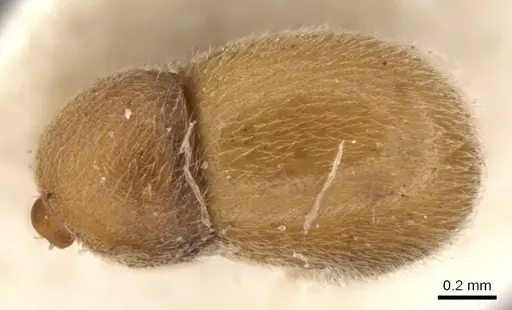
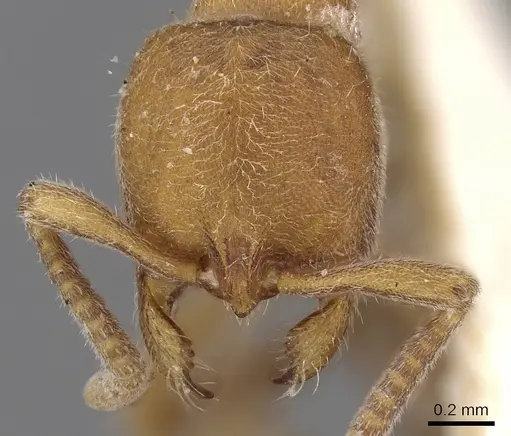
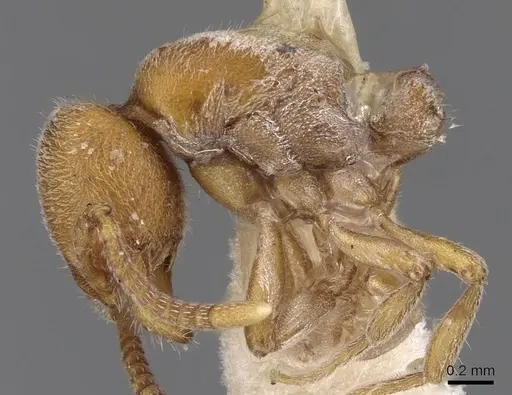
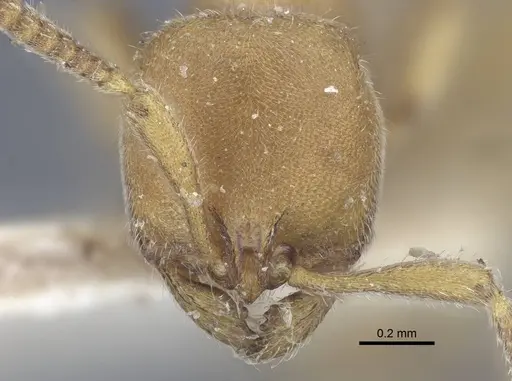
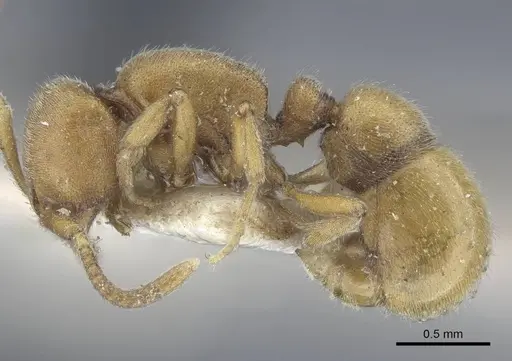
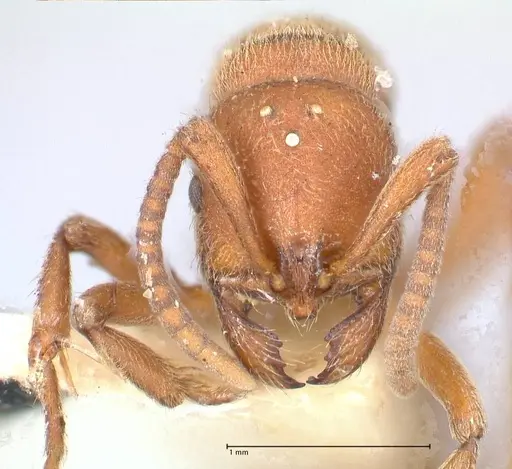
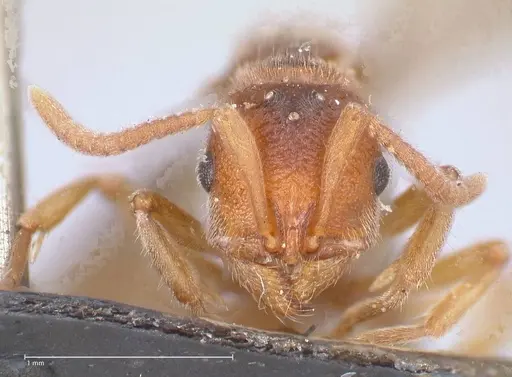
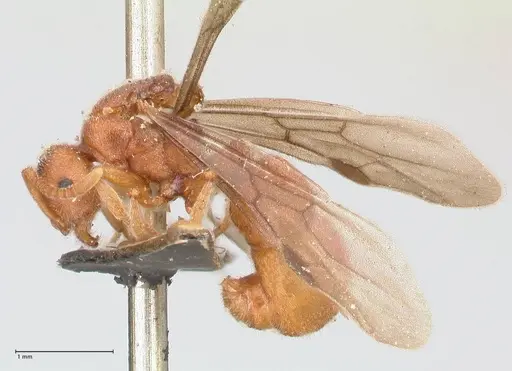
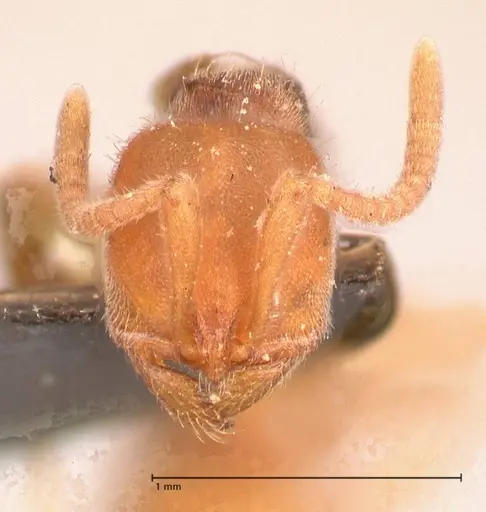
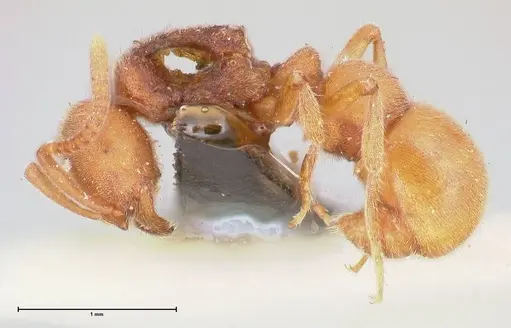
Proceratium melinum is a small, cryptic ant species native to Central and Southern Europe, ranging from Spain to Russia, Türkiye, and Israel . Workers measure 3.3-4.2 mm in total length and have a yellowish to light brown body with a curved abdomen that bends forward . This shape helps them block nest tunnels, transport spider eggs, and stab prey in narrow passages . Queens are slightly larger at 4.4-4.6 mm and have fully developed eyes, while workers have tiny eyes suited for underground life .
Quick Summary
- Difficulty: Expert
- Origin & Habitat: Native to the Ponto-Mediterranean region, including Spain, Italy, Greece, Austria, Bulgaria, Croatia, Czech Republic, France, Hungary, Israel, Malta, Montenegro, North Macedonia, Romania, Slovakia, Slovenia, Turkey, and Ukraine [1][2]. Nests are found in soil, rotten wood, under deep-set stones, or in tree branches in shady, moist habitats [4][2].
- Colony Type: Unconfirmed, likely monogyne based on genus patterns, but direct documentation is limited
- Size & Growth:
- Antkeeping:
- Temperature: Keep at room temperature around 20°C. Avoid temperatures above 25°C [6]
- Humidity: Keep nest substrate consistently moist but not waterlogged [4][7]
- Diapause: Yes, require winter diapause for 3-4 months at 5-10°C, inferred from geographic range [2]
- Nesting: Y-tong (AAC) or plaster nests work well, with tight chambers scaled to small size [2]
- Behavior: Extremely cryptic and reclusive. Workers curl up and feign death when threatened [3]. Escape risk is low due to small size and underground lifestyle, but they can slip through gaps if disturbed.
- Common Issues: colonies are very small and slow-growing, patience is required to avoid losing the colony, subterranean lifestyle makes observation difficult, you will see little activity, wild-caught colonies may have parasites that kill them in captivity, humidity management is critical, too dry causes death, too wet causes mold, feeding is challenging due to specialized diet on spider eggs
Housing and Nest Setup
Use Y-tong (AAC) or plaster nests to maintain high humidity with tight chambers suited for small colonies [2]. Place the nest in a dark area and connect it to a simple outworld for foraging. Mist the setup occasionally to keep moisture stable [4]. Avoid bright light since these ants live underground.
Feeding and Diet
Proceratium melinum are specialized predators on spider eggs and other arthropod eggs [3][8]. Offer small live prey like springtails, booklice, or fruit fly larvae every 2-3 days. Remove uneaten food after 24 hours to prevent mold. They are not attracted to sugar sources.
Temperature and Seasonal Care
Keep the colony at room temperature around 20°C during active seasons [6]. During winter, provide diapause at 5-10°C for 3-4 months (November to February) [2]. Gradually warm the colony after diapause before resuming feeding.
Colony Dynamics and Behavior
Colonies are small, typically up to 200 workers [5]. Queens use their rounded gaster to plug nest entrances (phragmosis) [6]. Workers are slow-moving and feign death when disturbed [3]. Swarming occurs from mid-August to September in the early afternoon [5].
Acquiring and Establishing a Colony
Wild queens are rare due to subterranean lifestyle [9]. Found in test tubes with moist cotton during nuptial flights (August-September). Transfer to proper nests with minimal disturbance. Quarantine wild-caught colonies for parasites [5].
Frequently Asked Questions
Can I keep Proceratium melinum in a test tube?
Test tubes work for founding but not long-term. Use Y-tong or plaster nests for established colonies to maintain humidity [2].
How long does it take for the first workers to appear?
Direct data is unavailable, but based on related species, expect 8-12 weeks at optimal temperature [6].
How big do colonies get?
Colonies remain small, up to 200 workers in maturity [5].
Do Proceratium melinum ants sting?
They lack a functional stinger and are not dangerous to humans [2].
What do they eat?
They specialize in spider eggs and other arthropod eggs. Offer small live prey like springtails [3][8].
Are they good for beginners?
No, this species is challenging due to humidity needs, specialized diet, and cryptic behavior. Start with easier species [5].
Do they need hibernation?
Yes, as a European species, they require winter diapause for 3-4 months at 5-10°C [2].
Why is my colony dying?
Common causes include low humidity, wrong temperature, starvation, or parasites. Check moisture levels first [4].
When will my colony produce alates?
Mature colonies may produce alates from mid-August to September [5].
Can I keep multiple queens together?
Not recommended, colony structure is unconfirmed, and combining queens may cause aggression [5].
Report an Issue
The current care sheet is based fully on literature. See inconsistencies, or something that's incorrect? Please , it will be resolved after review from an admin. Contributing to the blogs tab also helps providing information, to make us be able to further improve the caresheets. Thank you for your support!
References

This caresheet is licensed under CC BY-SA 4.0 .
Community Blogs
CASENT0281856
View on AntWeb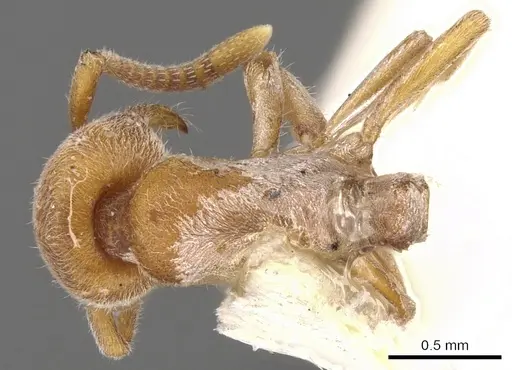
CASENT0907204
View on AntWeb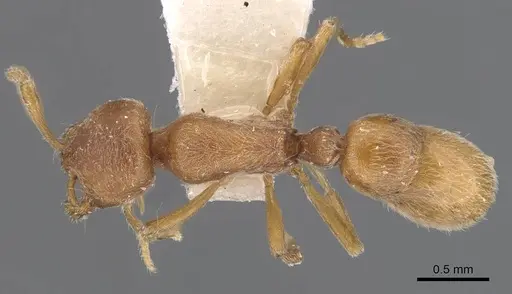
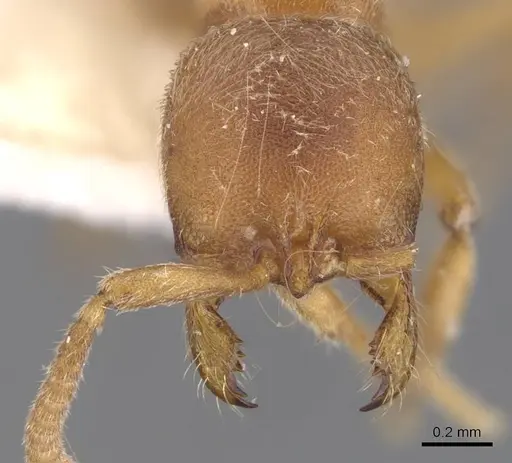
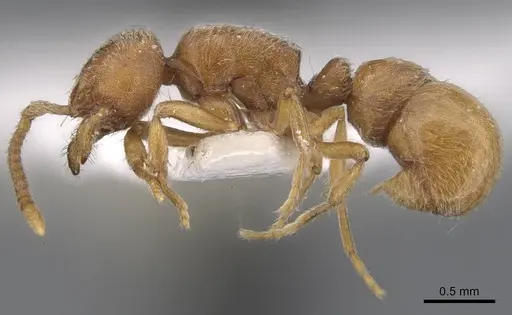
CASENT0916809
View on AntWeb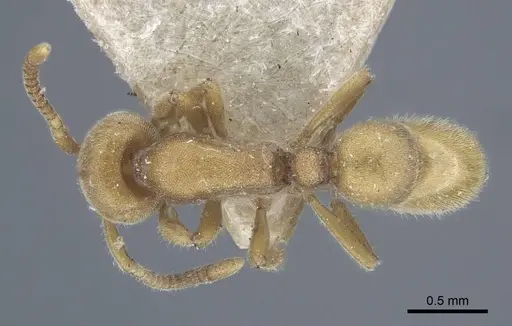
FOCOL0929
View on AntWeb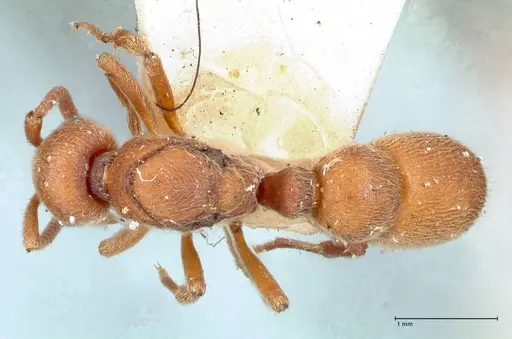
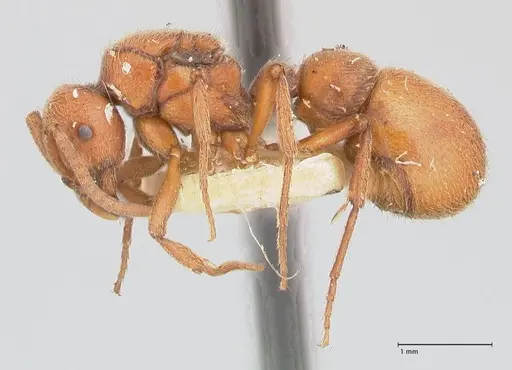
FOCOL0930
View on AntWeb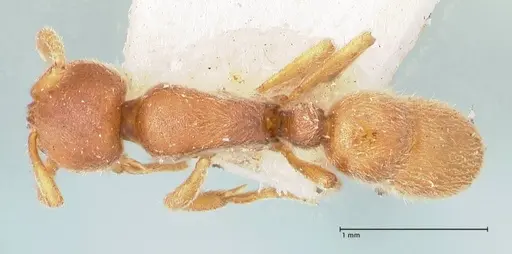
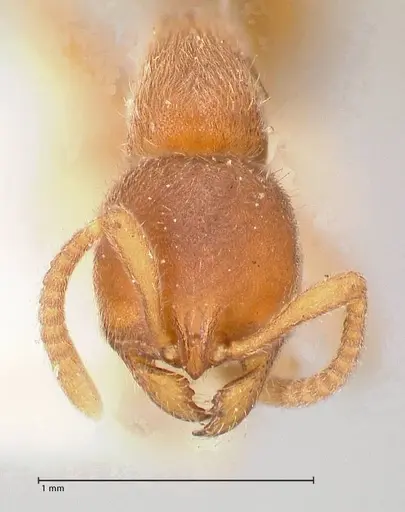
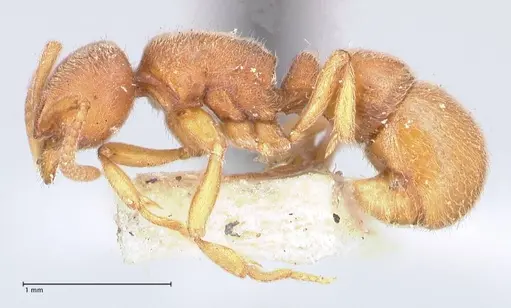
FOCOL0931
View on AntWeb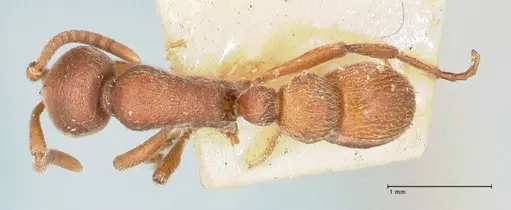
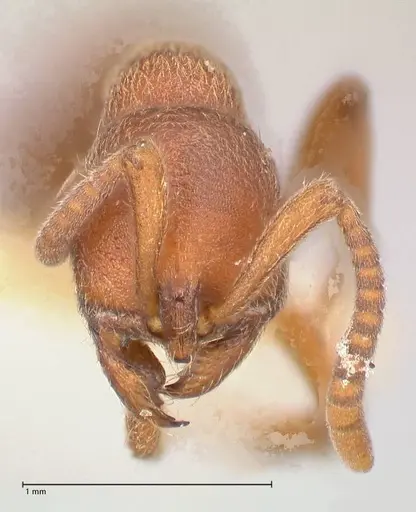
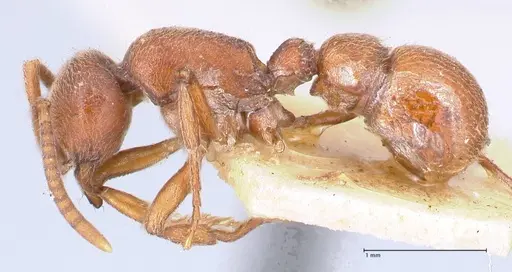
FOCOL0933
View on AntWeb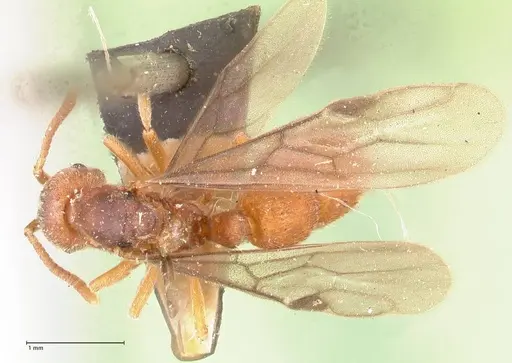
FOCOL0934
View on AntWeb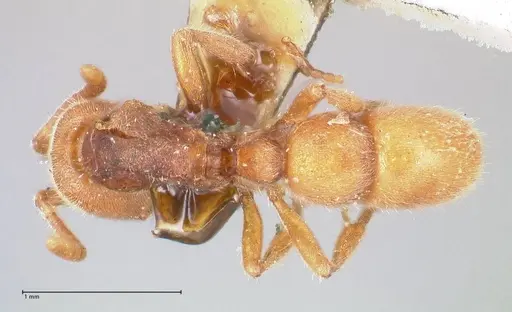
Literature
Loading distribution map...Loading products...