
Proceratium longigaster
- Sci. Name
- Proceratium longigaster
- Tribe
- Proceratiini
- Subfamily
- Proceratiinae
- Author
- Karavaiev, 1935
- Distribution
- Found in 2 countries
Introduction
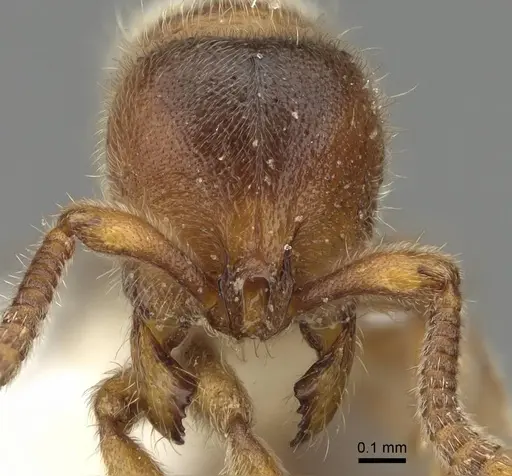
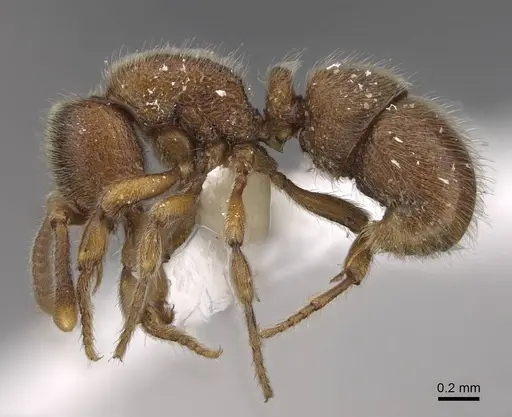
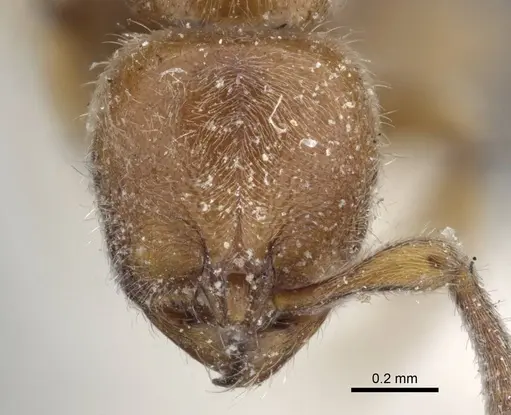
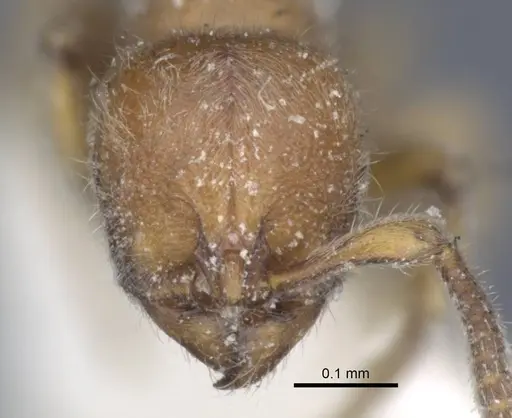
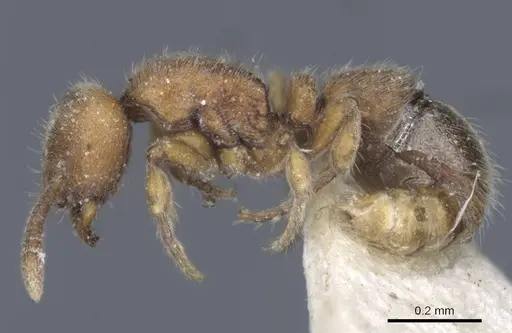
Proceratium longigaster is a tiny ant species with workers measuring up to 3.10 mm in total length . It is native to Vietnam, where it inhabits rotten logs in rain forest or secondary subtropical mixed forest . This species is poorly known, with no direct observations of its biology or natural history in the scientific literature .
Quick Summary
- Difficulty: Expert
- Origin & Habitat: Vietnam, central Annam region near Đà Nẵng, at approximately 1400 m elevation, in evergreen broadleaved forest and rain forest habitats [1][2].
- Colony Type: Colony structure is unconfirmed. No data on queen number or social structure exists for this species.
- Size & Growth:
- Antkeeping:
- Temperature: Keep at moderate temperatures around 20-24°C, based on the species' habitat in subtropical forests. Avoid temperatures above 28°C or below 18°C.
- Humidity: Keep the nest substrate consistently moist but not waterlogged, as the species lives in rotten logs in humid forest environments [2].
- Diapause: Unknown, no data on diapause requirements
- Nesting: Naturalistic setup with damp rotten wood material works best. Use Y-tong or plaster nests with small chambers scaled to their tiny size, as they nest in rotten logs in the wild [2].
- Behavior: Workers are cryptic and slow-moving, not aggressive, and pose no sting risk. Based on genus patterns, they likely spend most time within the nest or immediate area. Escape prevention is critical due to their tiny size, they can squeeze through small gaps.
- Common Issues: tiny size makes escape prevention difficult, use fine mesh and tight-fitting lids, slow growth and small colony size mean colonies are fragile and slow to develop, no documented captive breeding success, this species may not thrive in captivity, wild-caught colonies may have high mortality due to stress and unknown requirements, requires high humidity that can lead to mold problems if not managed
Why This Species Is Challenging
Proceratium longigaster is not recommended for most antkeepers. It is one of the least studied ants in the world with no documented captive breeding success. The scientific literature provides only morphological descriptions of workers, nothing about biology, colony structure, or dietary needs [1]. This means you're pioneering captive care for a species with no prior guidance. Proceratium ants are difficult to keep, and this species has additional complications including its tiny size and specific habitat requirements. Only attempt if you're an expert with experience in delicate forest-dwelling species.
Housing and Nest Setup
If you attempt to keep this species, a naturalistic setup mimicking their natural environment is essential. In the wild, P. longigaster has been collected from rotten logs in rain forest [2]. This means they need damp, decaying wood material in their nest. A Y-tong or plaster formicarium with very small chambers scaled to their tiny size is appropriate. Chambers should be tight-fitting to prevent escape. Provide a water reservoir to maintain humidity, but ensure ventilation to prevent mold. The outworld should be simple, as these ants rarely forage far from the nest.
Feeding and Diet
Dietary requirements are unconfirmed, but based on genus patterns, Proceratium ants are predators that hunt small arthropods. You should offer small live prey such as springtails, fruit flies, and other micro-arthropods. These ants are too small for larger prey. Sugar acceptance is unknown, start with live prey and experiment cautiously with dilute sugar water. Expect a learning curve and be prepared to try various small prey items.
Temperature and Humidity
Keep the nest at moderate temperatures around 20-24°C, based on the species' habitat in central Vietnam at moderate elevation [1]. Avoid temperatures above 28°C or below 18°C. Humidity is critical, keep the nest substrate moist but not waterlogged, as they live in rotten logs in humid forests [2]. Monitor for mold in high-humidity setups.
Behavior and Colony Care
Workers are tiny, slow-moving, and cryptic. They are not aggressive and pose no sting risk. Based on genus patterns, they likely spend most time within the nest or immediate area. Colonies are probably small, and growth will be slow. Do not disturb the colony frequently, these are stress-sensitive ants. Be patient with slow progress and expect a long timeframe for development. [1]
Frequently Asked Questions
Is Proceratium longigaster a good species for beginners?
No. This is an expert-level species that we cannot recommend for beginners or even most experienced antkeepers. There is no documented captive breeding success, and almost nothing is known about its biology. Keeping it would be pioneering care with no prior guidance.
How big do Proceratium longigaster colonies get?
Colony size is unknown. No data exists on mature colony size for this species.
What do Proceratium longigaster ants eat?
Diet is unconfirmed, but based on related Proceratium species, they are likely predatory on small arthropods. Offer small live prey such as springtails or fruit flies.
Do Proceratium longigaster ants sting?
No significant sting risk exists. These are tiny, non-aggressive ants that pose no danger to keepers.
What temperature do Proceratium longigaster ants need?
Keep them at moderate temperatures around 20-24°C, based on their habitat in subtropical Vietnam. Avoid extremes.
How long does it take for Proceratium longigaster to develop from egg to worker?
This is completely unknown, no development data exists for this species.
Can I keep multiple Proceratium longigaster queens together?
This is unknown. Colony structure has not been documented for this species. Do not attempt combining unrelated queens without evidence.
What is the best nest type for Proceratium longigaster?
A naturalistic setup with damp rotten wood material works best, mimicking their natural nesting in rotten logs. Use Y-tong or plaster nests with small chambers.
Does Proceratium longigaster need hibernation?
Diapause requirements are unknown. Maintain stable conditions year-round.
Why are my Proceratium longigaster dying?
Without documented captive care, any failure is hard to diagnose. Likely causes include stress, improper humidity, temperature, or lack of suitable prey. This is an extremely challenging species.
Report an Issue
The current care sheet is based fully on literature. See inconsistencies, or something that's incorrect? Please , it will be resolved after review from an admin. Contributing to the blogs tab also helps providing information, to make us be able to further improve the caresheets. Thank you for your support!
References

This caresheet is licensed under CC BY-SA 4.0 .
Community Blogs
CASENT0790844
View on AntWeb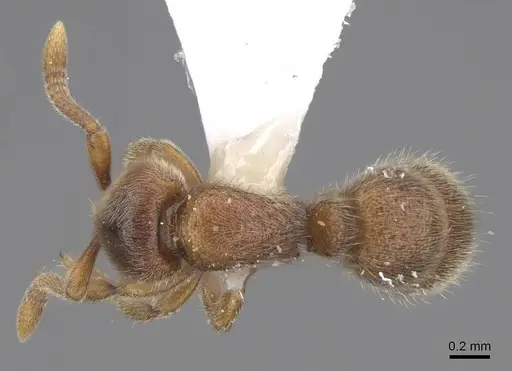
CASENT0916806
View on AntWeb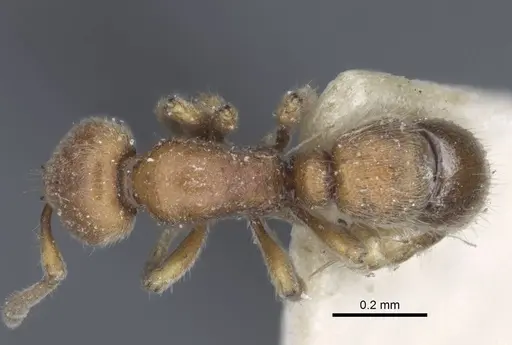
Literature
Loading distribution map...Loading products...