
Proceratium cubanum
- Sci. Name
- Proceratium cubanum
- Tribe
- Proceratiini
- Subfamily
- Proceratiinae
- Author
- de Andrade, 2003
- Distribution
- Found in 1 countries
Introduction
Proceratium cubanum is a tiny ant species measuring approximately 3 mm in total length, with light brown coloration . It is endemic to Cuba, specifically the Holguín region . This species belongs to the Proceratium genus and is part of the Micrommatum Clade, distinguished from similar species by its smaller size and morphological features . Unfortunately, nothing is known about the biology of Proceratium cubanum in the wild, including colony structure, founding behavior, diet, or seasonal patterns . This makes captive care experimental and challenging.
Quick Summary
- Difficulty: Expert
- Origin & Habitat: Endemic to Cuba, Holguín region [3].
- Colony Type: Unknown, no documented colony structure exists.
- Size & Growth:
- Antkeeping:
- Temperature: Keep the nest warm, around 24-28°C, based on tropical origin [3].
- Humidity: Keep the nest substrate consistently moist but not waterlogged [3].
- Diapause: No, diapause is not required for this tropical species.
- Nesting: Use small nests with tight cavities, such as Y-tong or plaster nests, based on genus preferences [3].
- Behavior: Proceratium ants are typically slow-moving and docile. Workers are small (3 mm), so escape prevention is critical with fine mesh and tight lids [3].
- Common Issues: escape risk due to tiny size, use appropriate barriers., humidity control, maintain moist substrate without waterlogging., slow colony growth may require patience., experimental care with no documented protocols.
Species Overview and Identification
Proceratium cubanum is one of the smaller ant species in the Proceratium genus, with workers measuring approximately 3 mm in total length [1][2]. They have a light brown coloration that helps them blend into their forest floor habitat. The species was formally described in 2003 by Baroni Urbani and de Andrade, with the type specimen collected from Holguín, Cuba in 1976 [3].
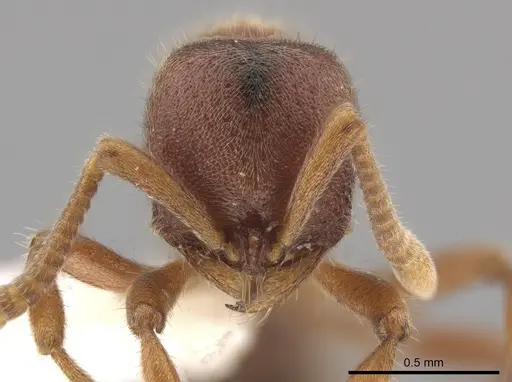
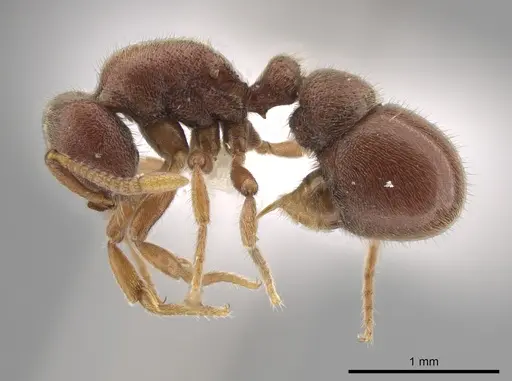
This species belongs to the Micrommatum Clade within Proceratium, characterized by extremely small size and specialized abdominal structure. Workers can be identified by their granulopunctate sculpture, the lack of a clear propodeal carina, and their small size distinguishing them from related species like Proceratium poinari and Proceratium taino [3].
The complete lack of biological data means keepers are working from genus-level assumptions rather than species-specific research, making this an experimental species for experienced antkeepers.
Housing and Nest Preferences
Since no specific nesting data exists for Proceratium cubanum, use a small nest scaled to their tiny 3 mm size. A Y-tong nest with narrow chambers or a small plaster setup with tight cavities works well. These ants prefer pre-formed chambers rather than digging through substrate.
Escape prevention is critical due to their small size. Use tight-fitting lids, fine mesh on ventilation holes, and apply barriers like Fluon to all connections. [3]
Temperature and Humidity Requirements
As a Cuban tropical species, keep Proceratium cubanum warm at around 24-28°C. Avoid temperatures below 22°C or sudden fluctuations. High humidity is essential, keep the nest substrate consistently moist but not waterlogged. Use good ventilation to prevent mold growth. [3]
Feeding and Diet
The diet of Proceratium cubanum is unconfirmed. Based on Proceratium genus patterns, they may accept small live prey like springtails or fruit flies. Offer tiny prey items and monitor acceptance. Sugar sources like honey water may be accepted but are not documented. [3]
Colony Development and Expectations
No development data exists for Proceratium cubanum. Colony growth will likely be slow, and small colony sizes are probable. Assume single-queen colonies until proven otherwise. Founding behavior is unconfirmed. [3]
Challenges and Experimental Nature
Keeping Proceratium cubanum is experimental with no captive care history. Common challenges include escape risk due to tiny size, humidity control, slow growth, and uncertainty about colony health. Document your observations to contribute to knowledge. [3]
Frequently Asked Questions
How long does it take for Proceratium cubanum to develop from egg to worker?
This is unknown, no development studies exist for this species. Based on related Proceratium species, development may be slow, but no specific timeline is available.
What do Proceratium cubanum ants eat?
Their diet is unconfirmed, but they may accept small live prey like springtails or fruit flies. Experiment cautiously and remove uneaten food promptly.
Do Proceratium cubanum ants need hibernation?
No, as a tropical species, diapause is not required. Keep them warm year-round.
How big do Proceratium cubanum colonies get?
Unknown, no colony size data exists. Based on related species, colonies likely remain small.
Can I keep Proceratium cubanum in a test tube?
A test tube can work for founding queens, but ensure proper humidity. Once the colony grows, a small Y-tong or plaster nest may be more suitable.
Are Proceratium cubanum ants aggressive or do they sting?
Proceratium ants are typically docile and non-aggressive. They rely on camouflage rather than defense. Whether they can sting is unknown, but they are not dangerous to humans.
What is the difficulty level for keeping Proceratium cubanum?
Expert, this species is not recommended for beginners due to experimental care and lack of documented protocols.
Why are my Proceratium cubanum workers dying?
Without documented biology, common issues include improper temperature, humidity, food size, or escape. Review all parameters and adjust gradually.
When should I move Proceratium cubanum to a formicarium?
Move them only when the colony is active and the current setup is too small. Use a small-scale formicarium with appropriately sized chambers.
Report an Issue
The current care sheet is based fully on literature. See inconsistencies, or something that's incorrect? Please , it will be resolved after review from an admin. Contributing to the blogs tab also helps providing information, to make us be able to further improve the caresheets. Thank you for your support!
References

This caresheet is licensed under CC BY-SA 4.0 .
Community Blogs
CASENT0630295
View on AntWeb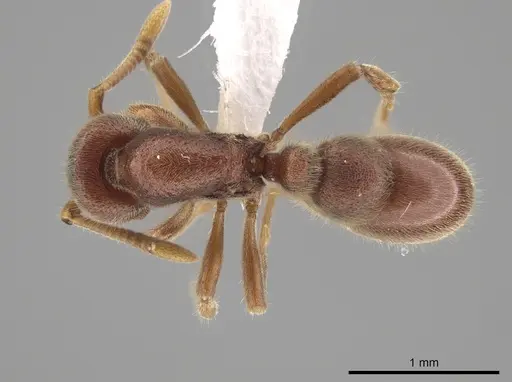
Literature
Loading distribution map...Loading products...