
Proceratium compitale
- Sci. Name
- Proceratium compitale
- Tribe
- Proceratiini
- Subfamily
- Proceratiinae
- Author
- Ward, 1988
- Distribution
- Found in 1 countries
Introduction
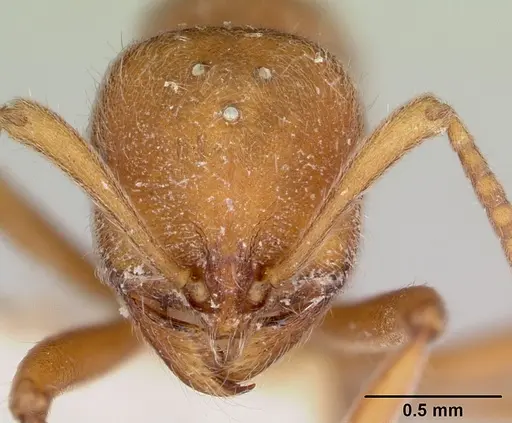
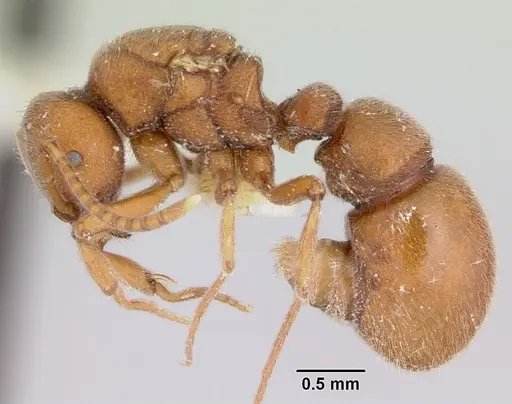
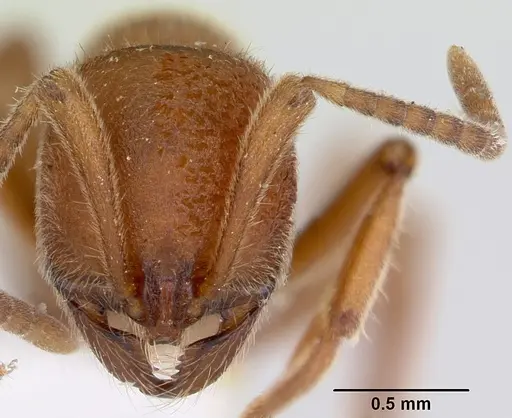
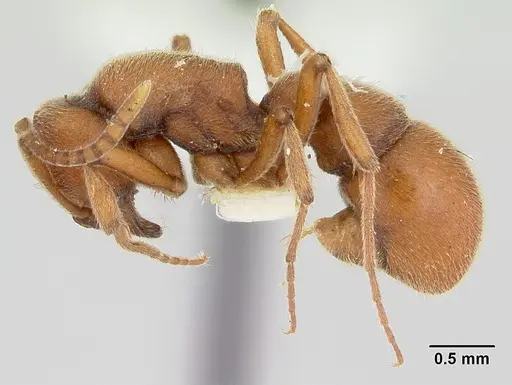
Proceratium compitale is a rare, cryptic ant species native to the southern United States and northern Mexico. Workers have a total length of approximately 4.64 mm with light brown coloration, while queens reach 5.53-5.78 mm . This species belongs to the Proceratiinae subfamily and is closely related to Proceratium creek, sharing features like an angled gaster and elongated first funicular joint . The species was described by Ward in 1988 and remains one of the least-studied North American ants due to its cryptic lifestyle . What makes Proceratium compitale particularly interesting is its association with cave environments - nearly all known specimens have been collected from caves in Texas and Coahuila, Mexico, including Emerald Sink and Blackstone Cave. Evidence suggests these ants are subterranean predators that accidentally enter caves while foraging underground .
Quick Summary
- Difficulty: Expert
- Origin & Habitat: Southern United States (Texas) and northern Mexico (Coahuila). Found in cryptic subterranean habitats and cave entrances at elevations ranging from near sea level to approximately 200m. The type locality is Emerald Sink in Val Verde County, Texas [1][2].
- Colony Type: Colony structure is unconfirmed. Only a handful of specimens have ever been collected, making any details about their social organization unknown [2][3].
- Size & Growth:
- Antkeeping:
- Temperature: Temperature needs are unclear, start around 20-24°C and observe, based on typical cave environments [1].
- Humidity: High humidity is likely essential, keep nest substrate consistently moist but not waterlogged [1].
- Diapause: Diapause is likely required based on their geographic range, but no specific data exists [1].
- Nesting: They likely need dark, humid nests, such as Y-tong or plaster nests with minimal light exposure [1].
- Behavior: Proceratium compitale is cryptic and likely nocturnal or crepuscular. They are predators, hunting small arthropods in underground spaces. Workers are slow-moving and non-aggressive. Escape risk is moderate due to small size (4.64 mm). Standard escape prevention should suffice. Temperament is unknown due to rarity, but related species are not aggressive [1][2].
- Common Issues: this species has never been successfully bred in captivity, you may be attempting something that has never been done before [2]., extremely difficult to acquire, only a handful of specimens have ever been collected [2]., they likely require near-total darkness in the nest area, making observation difficult [1]., wild-caught colonies may contain parasites or have difficulty adjusting to captive conditions [2]., their specific prey requirements are unknown, they may refuse standard ant foods [4].
Why This Species Is So Challenging
Proceratium compitale represents one of the most difficult ant species to keep in captivity. The fundamental problem is that almost nothing is known about their biology. Only a handful of specimens have ever been collected, all from cave environments in Texas and Mexico [2][3]. No one has ever documented their colony structure, founding behavior, diet preferences, or development timeline in captivity [2]. When you acquire this species, you are essentially becoming a pioneer, and you should be prepared for the very real possibility that they may not survive in captive conditions simply because we do not know what they need. This is not a species for beginners or even intermediate antkeepers, it requires expert-level knowledge and significant willingness to experiment [2][3].
Acquisition and Quarantine
Finding Proceratium compitale for sale is extremely unlikely. This is not a species that appears in commercial ant trade. Your only option would be to locate them yourself in their natural habitat, cave entrances in Val Verde and Terrell Counties, Texas, or in Coahuila, Mexico [2]. If you do find a colony, exercise extreme caution during collection and transport. Wild-caught colonies should be quarantined and monitored for parasites, as cave-dwelling species often harbor specialized parasites that can quickly decimate colonies in captivity [2].
Housing and Nest Setup
Given their apparent subterranean lifestyle, housing Proceratium compitale requires a specialized approach. They almost certainly need a dark, humid nest environment with minimal light exposure. A Y-tong (AAC) nest or plaster formicarium with small, tight chambers works best. The chambers should be appropriately scaled to their small worker size (around 4.64 mm). Keep the entire setup in darkness or very low light conditions, you may need to cover observation windows. The nest substrate should remain consistently moist. Provide a water tube connected to the nest for drinking access, as cave environments have consistent water sources [1].
Feeding and Diet
Proceratium species are predators, feeding primarily on small arthropods. In the wild, Proceratium compitale likely hunts micro-arthropods in underground spaces, springtails, mites, tiny beetles, and other small invertebrates [4]. In captivity, you should attempt to replicate this with live prey. Offer small live springtails as a primary food source, as these are likely the closest match to their natural prey. Other small live prey like fruit fly larvae, booklice, or psyllids may be accepted. Sugar sources are unlikely to be accepted, Proceratium are not known for tending aphids or consuming nectar [4].
Temperature and Seasonal Care
Maintain temperatures in the 20-24°C range, avoiding both overheating and cold extremes. These ants come from cave environments where temperatures remain relatively stable year-round. Based on their geographic range (southern Texas into Mexico), they likely experience mild seasonal variation and probably require a winter rest period. Provide a diapause period of 2-3 months during winter, lowering temperatures to around 10-15°C. This cooling period may be essential for triggering reproductive behavior in queens [1].
Frequently Asked Questions
Can I keep Proceratium compitale in a test tube?
You could theoretically keep a founding queen in a test tube setup, but this species likely requires higher humidity than standard test tube setups provide [1]. If you use a test tube, ensure the water reservoir is adequate and consider covering it to block light. However, given their likely need for darkness and higher humidity, a small plaster or Y-tong nest is probably more appropriate.
How long does it take for Proceratium compitale to develop from egg to worker?
This has never been documented in captivity. No captive breeding records exist [2].
Are Proceratium compitale ants good for beginners?
Absolutely not. This is an expert-level species, possibly the most difficult non-parasitic ant to keep in North America. No one has ever successfully bred them in captivity. They require specific conditions we do not fully understand, and they are virtually impossible to acquire through normal channels [2].
Do Proceratium compitale ants sting?
Proceratium ants have a functional sting, but given their small size (workers around 4.64 mm), the sting is likely too weak to penetrate human skin [1]. Related Proceratium species are not known for being aggressive or using their sting defensively.
What do Proceratium compitale eat?
They are predators that likely hunt small arthropods in underground spaces. In captivity, offer small live prey like springtails, fruit fly larvae, or other micro-arthropods [4]. They probably do not accept sugar sources.
Can I keep multiple queens together?
This is unknown. No colony structure has ever been documented for this species [2]. Combining unrelated queens is not recommended given our complete lack of knowledge about their social behavior.
Do Proceratium compitale need hibernation?
Diapause is likely required based on their geographic range, but no specific data exists [1].
Why are my Proceratium compitale dying?
Without any captive breeding records, diagnosing problems is extremely difficult. They may be dying due to incorrect humidity, temperature, diet, stress from light exposure, or parasites from wild collection [2].
When should I move them to a formicarium?
There is no established guidance for this species. Given their apparent preference for dark, humid underground environments, a formicarium with appropriate chambers may be needed from the start [1].
Are Proceratium compitale dangerous?
No. These are small, cryptic ants that are not known to be aggressive. Their sting is likely too weak to affect humans [1].
Report an Issue
The current care sheet is based fully on literature. See inconsistencies, or something that's incorrect? Please , it will be resolved after review from an admin. Contributing to the blogs tab also helps providing information, to make us be able to further improve the caresheets. Thank you for your support!
References

This caresheet is licensed under CC BY-SA 4.0 .
Community Blogs
CASENT0172585
View on AntWeb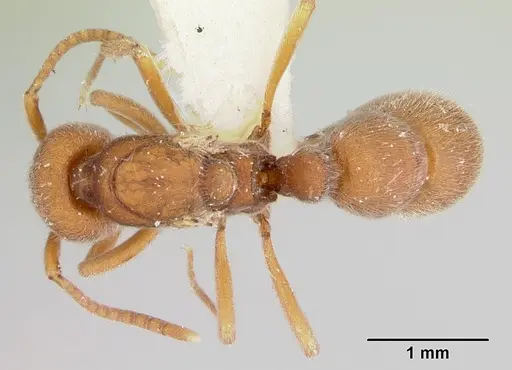
CASENT0172586
View on AntWeb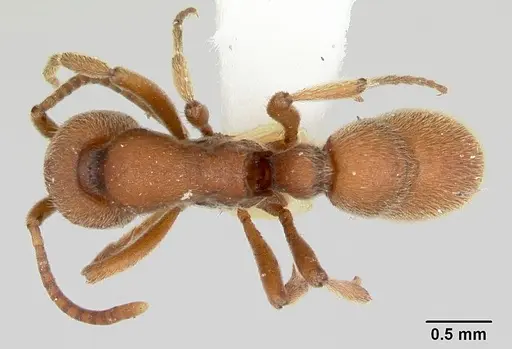
Literature
Loading distribution map...Loading products...