
California Curltail Ant
Proceratium californicum
- Sci. Name
- Proceratium californicum
- Tribe
- Proceratiini
- Subfamily
- Proceratiinae
- Author
- Cook, 1953
- Common Name
- California Curltail Ant
- Distribution
- Found in 1 countries
Introduction
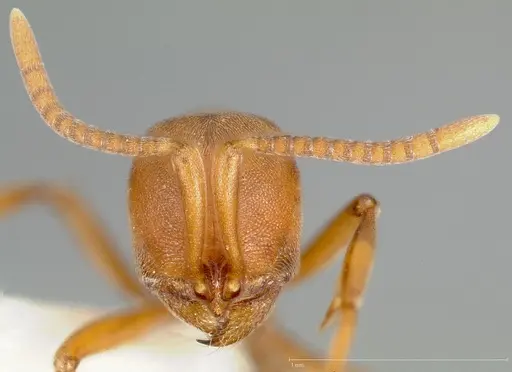
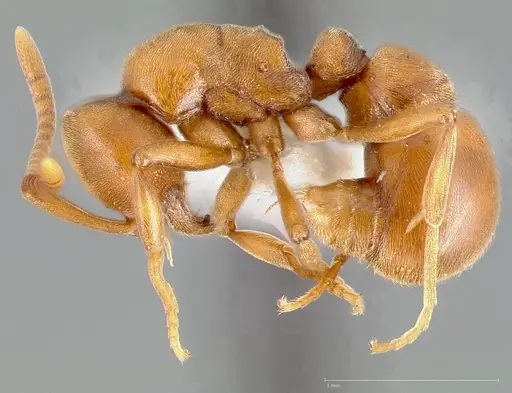
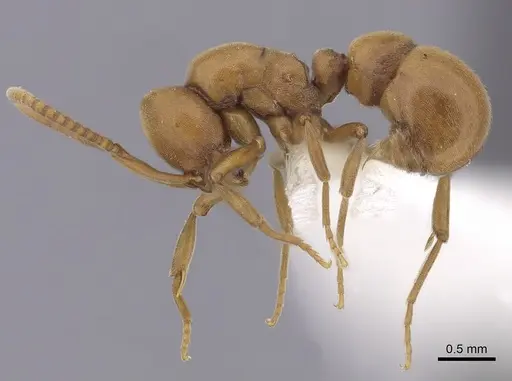
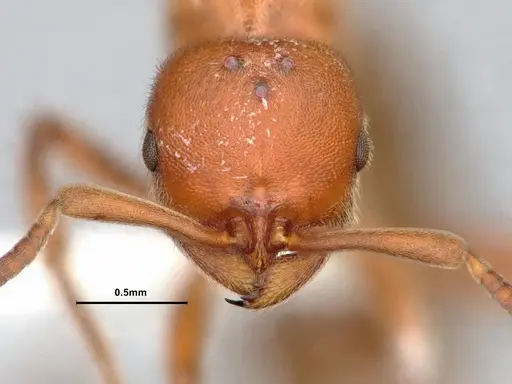
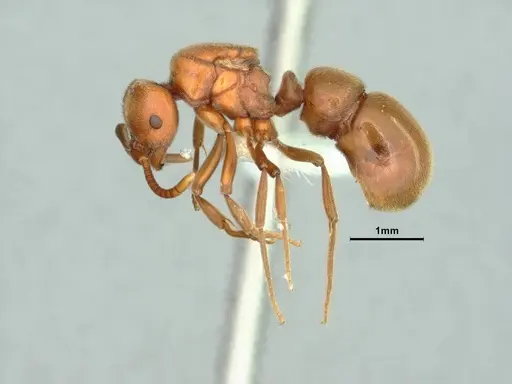
Proceratium californicum is a rare, subterranean ant species endemic to California. Workers are tiny at 3.8-4mm total length with no eyes, a smooth body, and unique pilosity consisting of dense short appressed hairs plus sparse longer subdecumbent hairs. Queens are slightly larger at 4.9-5.2mm total length with tiny eyes. This species is known from only a handful of collections in oak woodland habitats . It is a specialist predator on spider eggs, piercing prey to drink hemolymph, earning the name 'Dracula ant' .
Quick Summary
- Difficulty: Expert
- Origin & Habitat: Endemic to California, USA, found in valley oak woodland and adjacent foothill areas with chaparral and grassland [1].
- Colony Type: Based on typical Proceratium genus patterns, likely monogyne, but unconfirmed.
- Size & Growth:
- Queen: 4.88-5.18mm total length [2]
- Worker: 3.82-3.96mm total length [2]
- Colony: Small, up to 3 workers [2]
- Growth: Slow, inferred from specialized predatory lifestyle
- Development: Unknown, no direct data. Estimated 8-12 weeks at optimal temperature. (Development timeline is unconfirmed for this species.)
- Antkeeping:
- Temperature: Keep at room temperature, roughly 20-24°C. Based on California temperate woodlands [1].
- Humidity: Keep nest substrate consistently moist but not waterlogged, with some drier areas [1].
- Diapause: Unknown, not documented for this species.
- Nesting: Subterranean nester. Use soil or plaster nests with moist substrate. Provide tight, enclosed spaces scaled to their tiny size.
- Behavior: Cryptic, subterranean ants that navigate using chemical cues. Specialist predators on spider eggs, they pierce prey and drink hemolymph rather than consuming whole insects. Colonies are small and secretive. Escape risk is moderate due to small size but low activity. They are not aggressive and rarely sting [1].
- Common Issues: very small colony sizes make founding colonies extremely difficult., specialized diet requires spider eggs, which are nearly impossible to obtain., subterranean lifestyle means little activity is visible in captivity., blind workers may struggle to find prey in artificial setups., extremely rare in the hobby, wild colonies should not be collected.
Discovery and Rarity
Proceratium californicum is one of the rarest ant species in California. The species was originally described from a male collected in 1908. Workers were described in 1988,and queens in 1967. It has been collected only a handful of times, primarily through Winkler extraction in oak woodlands [1][2]. Colonies appear very small, with only 2-3 workers found in samples, making it poorly known and rarely encountered in the hobby.
Specialized Feeding Biology
This species is a specialist predator on spider eggs, based on genus-level biology [1]. They have mouthparts adapted for piercing prey and drinking hemolymph rather than consuming whole insects. This makes them extremely difficult to feed in captivity, as spider eggs are not commercially available. Other soft-bodied prey might be accepted experimentally, but success is uncertain.
Subterranean Lifestyle
Proceratium californicum is completely subterranean. Workers have no eyes and navigate entirely through chemical signals and touch [2]. Queens have only tiny eyes. They live in small chambers in soil or rotting wood, rarely coming to the surface. In captivity, they spend almost all time hidden, making observation difficult.
Nuptial Flights and Reproduction
Alates have been collected from April 19 to May 27,suggesting spring nuptial flights [2]. New queens likely disperse short distances before founding colonies underground. Founding behavior is unconfirmed, but it is presumed to be claustral based on genus patterns.
Habitat and Distribution
This species is endemic to California, found in valley oak woodland and adjacent areas with chaparral and grassland [1]. It is part of the mesic elements in the ant fauna, preferring moderately damp habitats, which aligns with care requirements for moderate humidity.
Frequently Asked Questions
Can I keep Proceratium californicum as a pet?
This species is not recommended for antkeeping due to its extreme rarity, specialized diet, and subterranean lifestyle. No captive-bred colonies are available, and wild collection is discouraged [1].
What do Proceratium californicum eat?
They are presumed specialist predators on spider eggs, piercing prey to drink hemolymph [1]. Spider eggs are not commercially available, making feeding difficult.
How big do Proceratium californicum colonies get?
Colonies are small, with up to 3 workers observed in wild samples [2]. This suggests colonies remain small at maturity.
Do Proceratium californicum ants sting?
They have a stinger, but due to tiny size and secretive nature, they are not dangerous to humans. They are not aggressive and would rather flee [2].
Where does Proceratium californicum live?
This species is endemic to California, USA, found in valley oak woodland habitats [1].
Are Proceratium californicum blind?
Workers are completely blind with no eyes, adapting to subterranean life. Queens have tiny eyes [2].
When do Proceratium californicum have nuptial flights?
Alates are collected from April 19 to May 27,suggesting spring nuptial flights [2].
Is Proceratium californicum endangered?
It is not officially listed as endangered but is one of the rarest ants in California. Wild collection should be avoided [1].
Can I find Proceratium californicum in my backyard?
Extremely unlikely, as it is only found in specific California oak woodlands and is highly cryptic [1].
Why is it called Dracula ant?
The name refers to the genus Proceratium's feeding behavior: piercing prey membranes to drink hemolymph, similar to a vampire drinking blood [2].
Report an Issue
The current care sheet is based fully on literature. See inconsistencies, or something that's incorrect? Please , it will be resolved after review from an admin. Contributing to the blogs tab also helps providing information, to make us be able to further improve the caresheets. Thank you for your support!
References

This caresheet is licensed under CC BY-SA 4.0 .
Community Blogs
CASENT0005439
View on AntWeb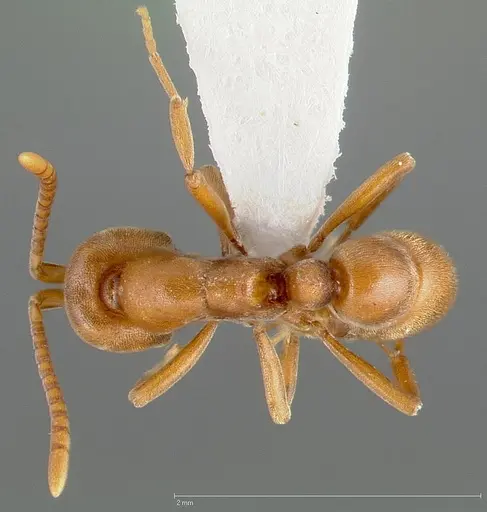
CASENT0100160
View on AntWeb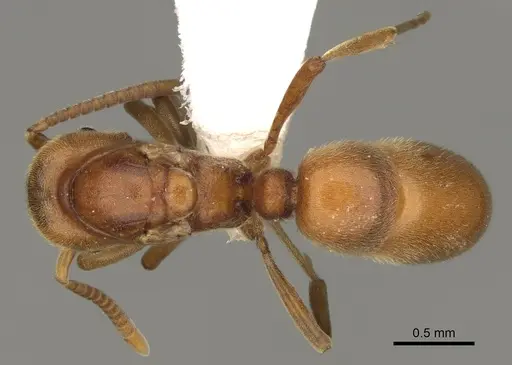
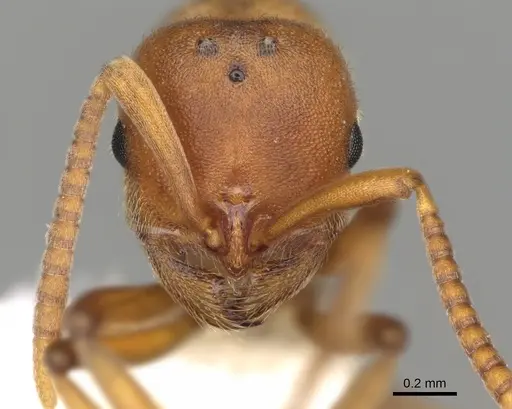
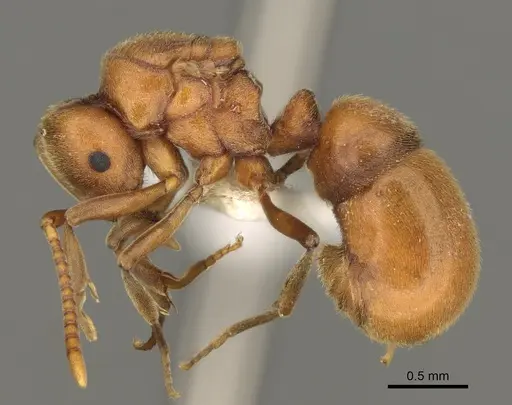
CASENT0249260
View on AntWeb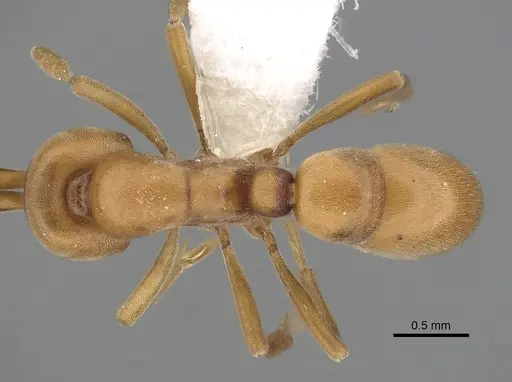
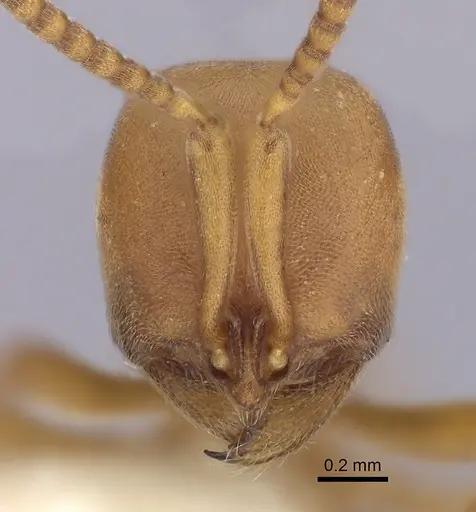
CASENT0844693
View on AntWeb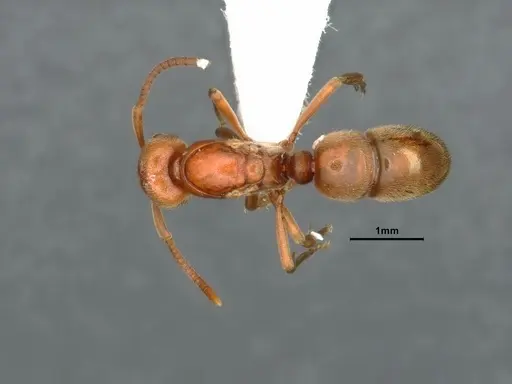
Literature
Loading distribution map...Loading products...