
Proceratium avium
- Sci. Name
- Proceratium avium
- Tribe
- Proceratiini
- Subfamily
- Proceratiinae
- Author
- Brown, 1974
- Distribution
- Found in 1 countries
Introduction
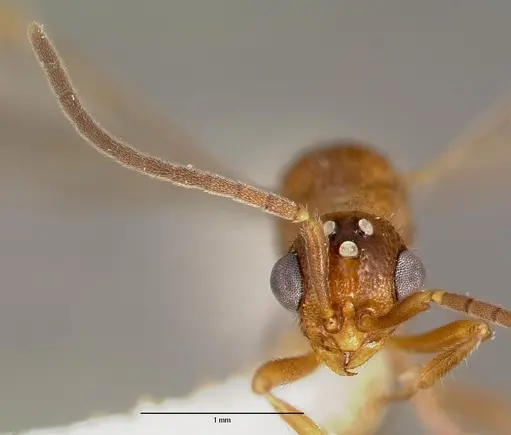
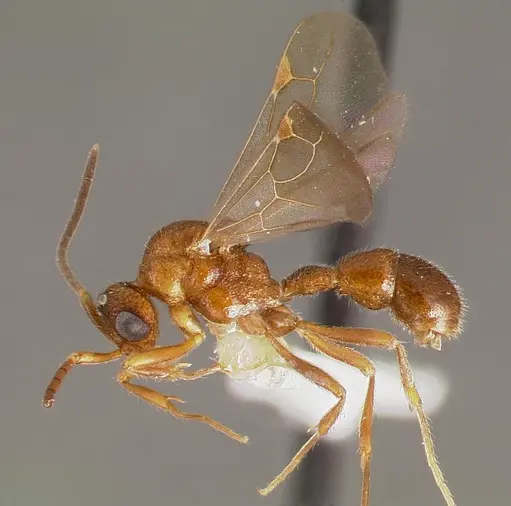
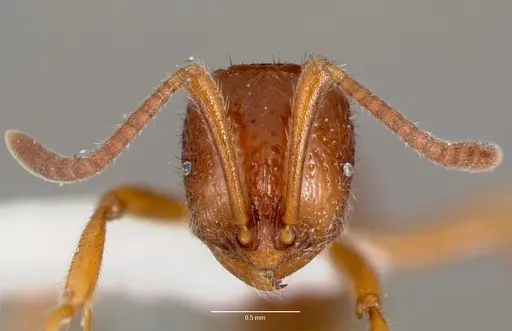
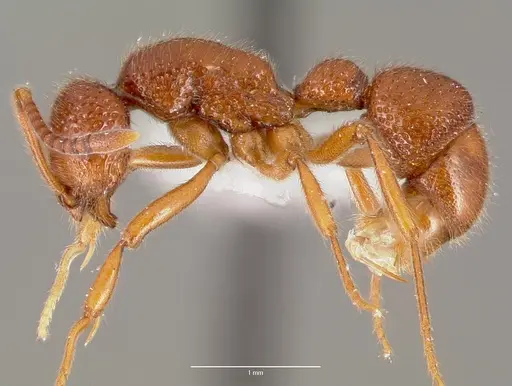
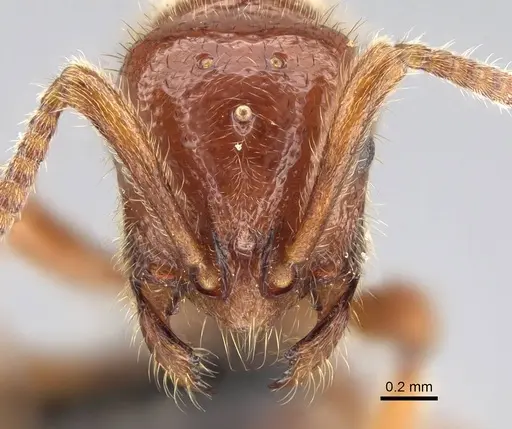
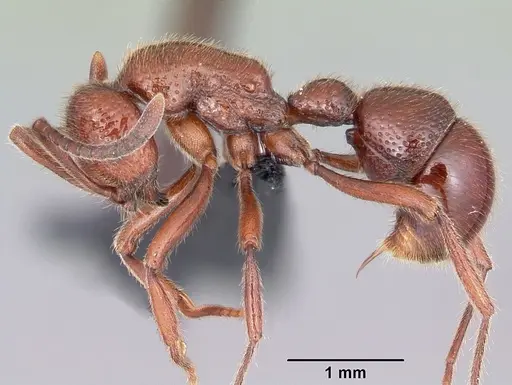
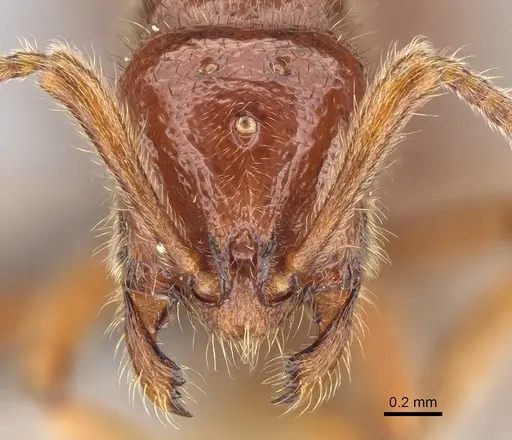
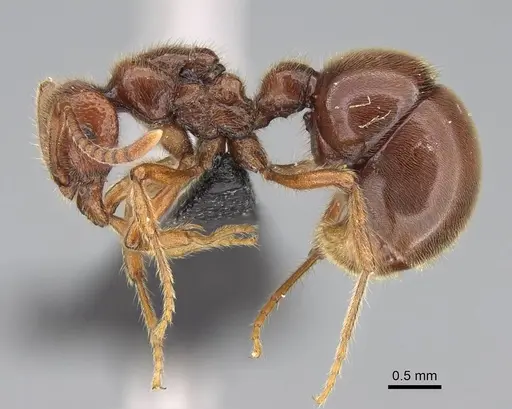
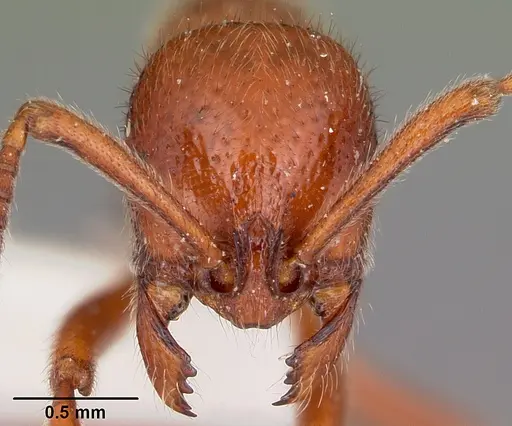
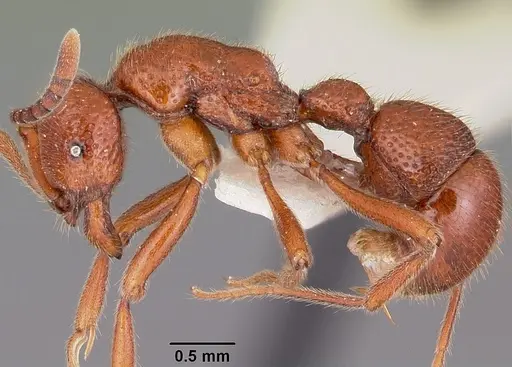
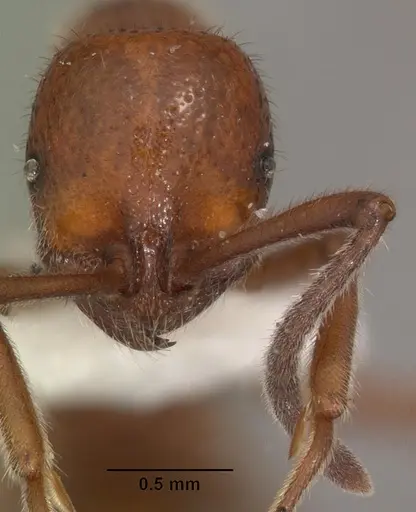
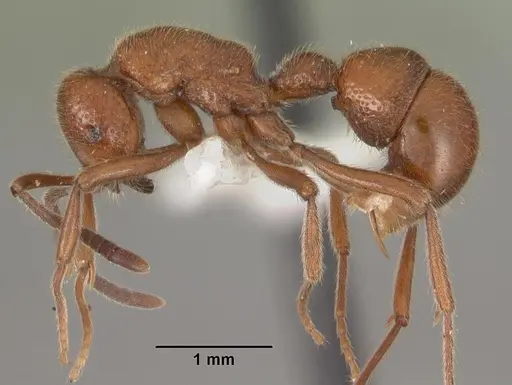
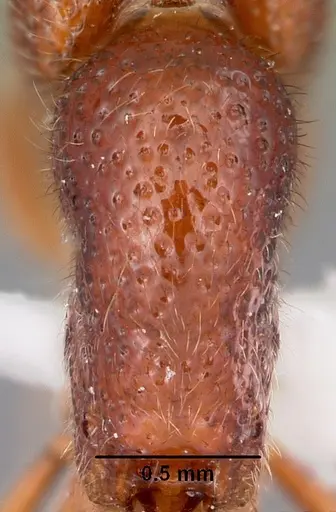
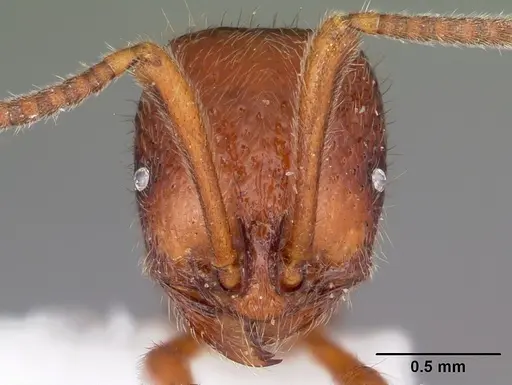
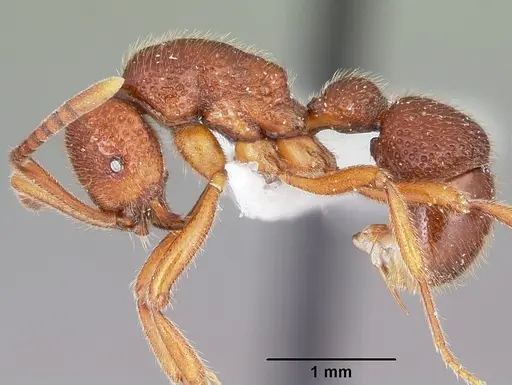
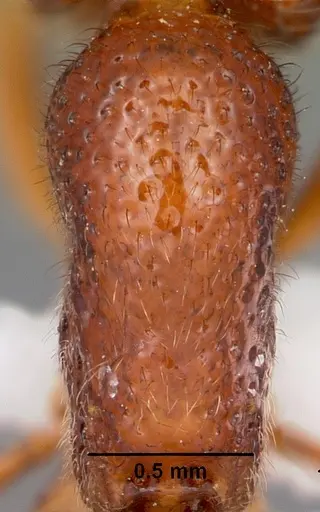
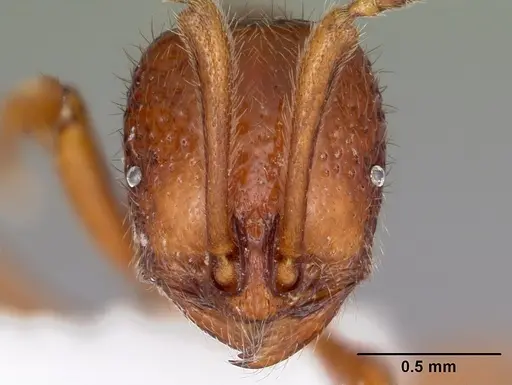
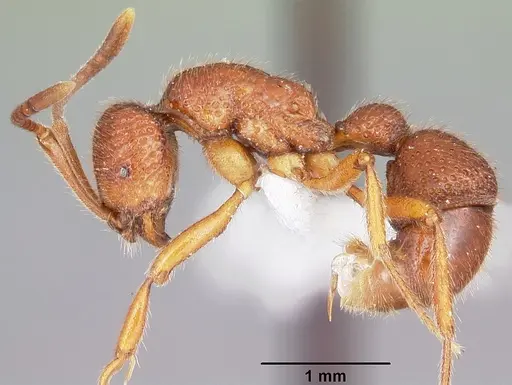
Proceratium avium is a rare forest ant endemic to Mauritius. Workers are small, with a total length of 4.48-4.78 mm . They have a shiny appearance with sparse foveae and slender legs, and color ranges from reddish to dark yellow-brown . This species is found only on Le Pouce mountain at 700-800 m elevation in native forest . Colonies nest exclusively in rot pockets of the endemic tree Nuxia verticillata, with entrances 1.5-2 m above ground , and this is the largest colony size recorded for Proceratium, with up to 352 workers .
Quick Summary
- Difficulty: Expert
- Origin & Habitat: Endemic to Mauritius, found only in native forest patches on Le Pouce mountain at 700-800 m elevation [2][3].
- Colony Type: Single-queen colonies with ergatoid (wingless) replacement queens. Dispersal occurs by budding with low dispersal ability [2].
- Size & Growth:
- Antkeeping:
- Temperature: Unknown, no specific thermal studies. Based on tropical climate, estimated warm conditions around 24-28°C.
- Humidity: Inferred from nesting habitat: forest species requiring high humidity. Keep nest substrate moist but not waterlogged [2][3].
- Diapause: Unknown, Mauritius is tropical, so diapause is unlikely, but no data exists.
- Nesting: Extremely specialized. In nature, nests in rot pockets of Nuxia verticillata trees [2][3]. Captive housing requires naturalistic setup with wood cavities.
- Behavior: Workers are slow-moving and forage for spider eggs, carrying them in mandibles [2][4]. They have been observed following Pristomyrmex bispinosus [2]. Escape risk is moderate due to small size. Non-aggressive.
- Common Issues: extreme rarity makes obtaining a colony nearly impossible., no captive breeding data exists, keeping this species alive is extremely challenging., specialized diet (spider eggs) is difficult to replicate in captivity., nesting requirements are highly specific, they need rot pockets in wood., wild-caught colonies may fail to adapt to captive conditions., low dispersal ability means populations are extremely isolated.
Nesting Biology and Habitat
Proceratium avium nests exclusively in rot pockets of the endemic tree Nuxia verticillata, with entrances 1.5-2 m above ground [2][3]. The rot pockets form where high winds damage twisted branches, creating decayed areas [2][3]. Captive housing must mimic these conditions with wood cavities, as standard nests are unsuitable.
Feeding and Diet
Foragers carry spider eggs in their mandibles as their primary food source [2][4]. Replicating this diet in captivity is difficult, other small arthropod eggs may be accepted experimentally, but success is uncertain.
Colony Structure and Reproduction
Colonies have ergatoid queens (wingless replacement queens) and disperse by budding with low dispersal ability [2]. The largest recorded colony had 352 workers and one ergatoid queen [2][3]. Males are produced seasonally, as collections in May included males [2].
Distribution and Conservation Status
Proceratium avium is endemic to Mauritius, found only on Le Pouce mountain [2][3]. The species may be restricted to a single forest patch, making it vulnerable to habitat loss. Foragers have been observed following Pristomyrmex bispinosus, possibly for mimicry or protection [2].
Frequently Asked Questions
Can I keep Proceratium avium in a test tube?
No. This species nests exclusively in rot pockets of decaying wood. Test tubes are unsuitable, a naturalistic setup with wood cavities is needed [2].
What do Proceratium avium eat?
Their primary food is spider eggs, carried in mandibles [2][4]. Replicating this diet in captivity is challenging.
How big do Proceratium avium colonies get?
Up to 352 workers, the largest recorded for Proceratium [2][3].
Are Proceratium avium good for beginners?
No. This is an expert-only species with specialized needs and no captive breeding data [2].
Do Proceratium avium queens have wings?
No. They have ergatoid (wingless) queens that disperse by budding [2].
Does Proceratium avium need hibernation?
Unknown, Mauritius is tropical, so diapause is unlikely, but no data exists [5].
Where does Proceratium avium live in the wild?
Only on Mauritius, in native forest on Le Pouce mountain at 700-800 m elevation, nesting in rot pockets of Nuxia verticillata [2][3].
Can I find Proceratium avium for sale?
No. This is one of the rarest ants, endemic to a tiny area of Mauritius, with no captive breeding [2].
Do Proceratium avium ants sting?
Proceratium ants have a small stinger but are not dangerous to humans. Their primary defense is cryptic lifestyle [5].
How long do Proceratium avium workers live?
No data exists on worker lifespan [5].
Report an Issue
The current care sheet is based fully on literature. See inconsistencies, or something that's incorrect? Please , it will be resolved after review from an admin. Contributing to the blogs tab also helps providing information, to make us be able to further improve the caresheets. Thank you for your support!
References

This caresheet is licensed under CC BY-SA 4.0 .
Community Blogs
CASENT0003315
View on AntWeb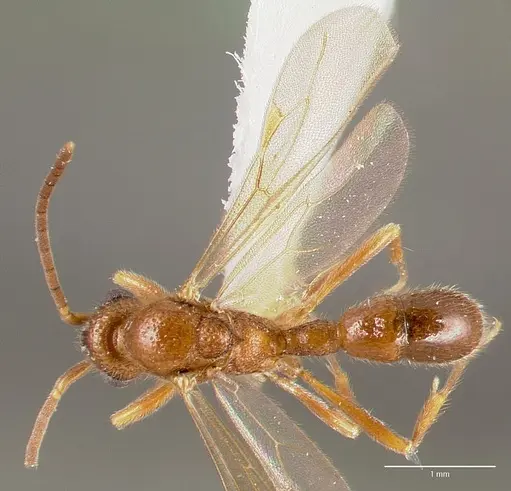
CASENT0003316
View on AntWeb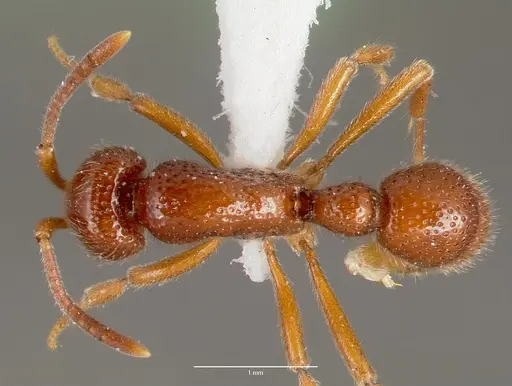
CASENT0059012
View on AntWeb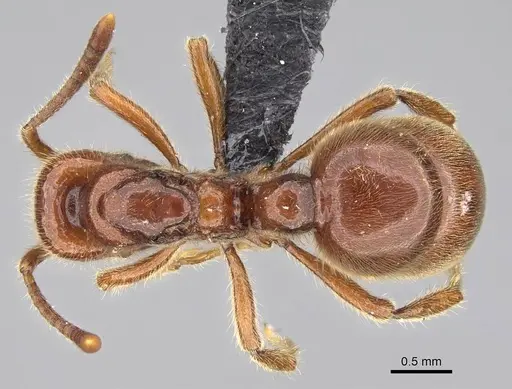
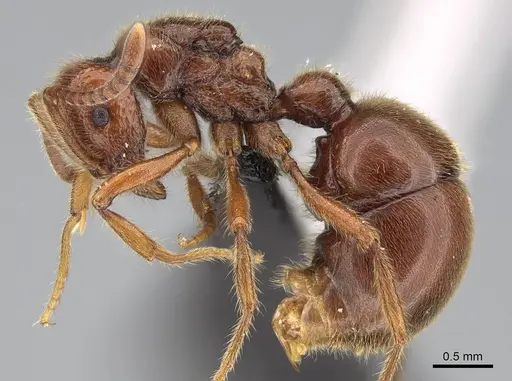
CASENT0059014
View on AntWeb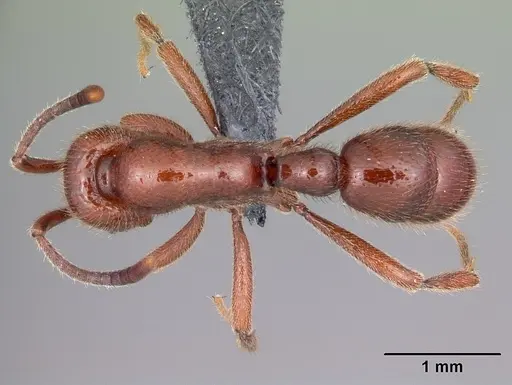
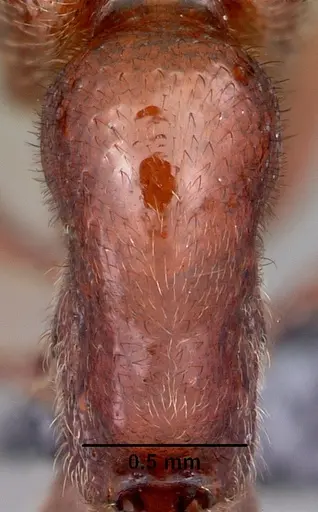
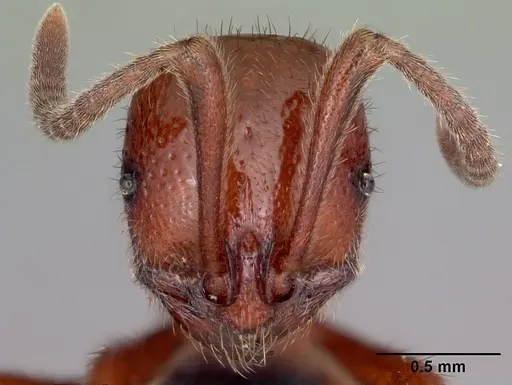
CASENT0059019
View on AntWeb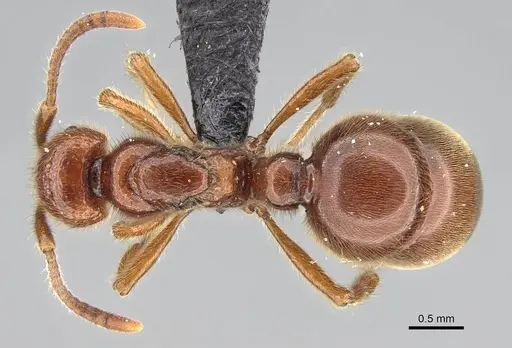
CASENT0101676
View on AntWeb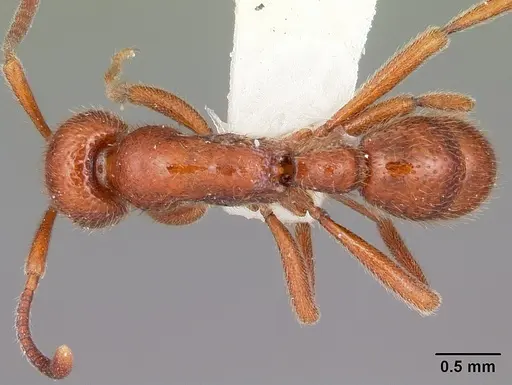
CASENT0102214
View on AntWeb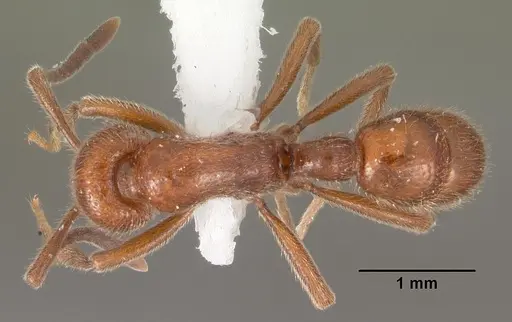
MCZTYPE32216
View on AntWeb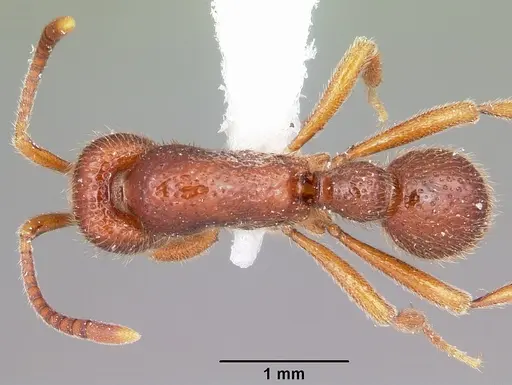
MCZTYPE35017
View on AntWeb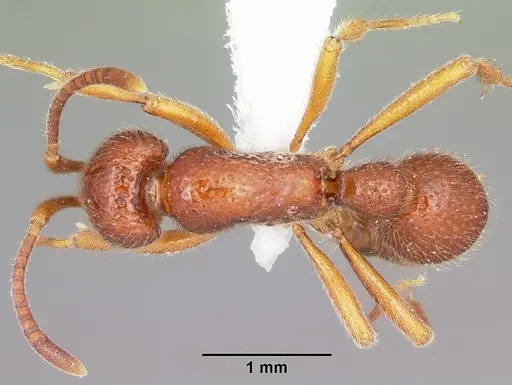
Literature
Loading distribution map...Loading products...