
Proceratium austronesicum
- Sci. Name
- Proceratium austronesicum
- Tribe
- Proceratiini
- Subfamily
- Proceratiinae
- Author
- de Andrade, 2003
- Distribution
- Found in 1 countries
Introduction
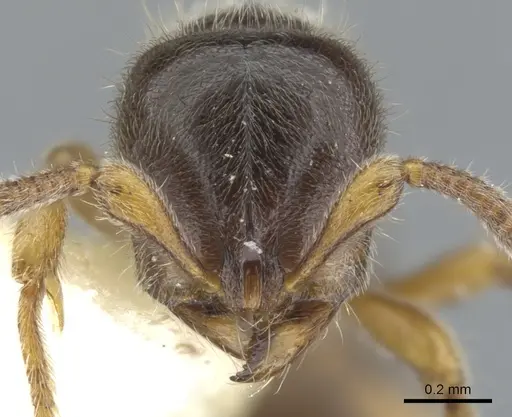
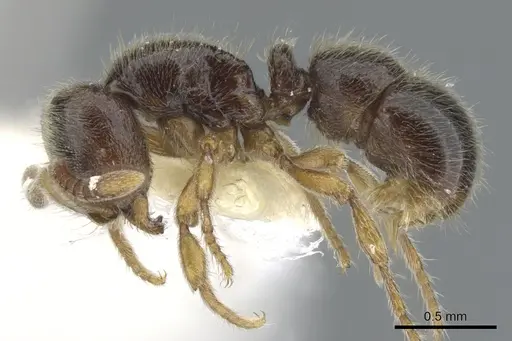
Proceratium austronesicum is a small ant species native to Papua New Guinea and the Solomon Islands . Workers measure 2.70-3.15 mm in total length and are dark brown-black with a lighter anterior third of the head, antennae, and legs . It belongs to the Silaceum Clade and differs from similar species by smoother integument and shorter hind basitarsi . The genus Proceratium is known for a highly convex first gastral segment . Nothing is known about the specific biology of Proceratium austronesicum, but Proceratium species in general are slow-moving, predatory ants .
Quick Summary
- Difficulty: Expert
- Origin & Habitat: Papua New Guinea and Solomon Islands, found at elevations around 1800m in montane forest habitats [1][2].
- Colony Type: Colony structure is unconfirmed. No data on queen number or ergatoid queens for this species [2].
- Size & Growth:
- Antkeeping:
- Temperature: No specific data, keep at stable room temperature around 20-24°C based on montane origin [2].
- Humidity: No specific data, provide a humidity gradient based on forest floor habitat [2].
- Diapause: Unknown, no data available
- Nesting: No specific data, based on genus patterns, likely nest in soil or rotting wood [2].
- Behavior: Proceratium austronesicum is likely cryptic and slow-moving based on genus patterns. Workers are not aggressive and lack a functional sting. Due to tiny size, escape prevention is critical [2].
- Common Issues: escape risk due to tiny size (2.7-3.15 mm), standard barriers may not contain them., high humidity requirements can lead to mold if ventilation is inadequate., predatory diet requires live prey, which may be challenging to provide., slow growth means colonies develop very gradually.
Nest Preferences and Housing
No specific nest data exists for Proceratium austronesicum. Based on genus patterns, Proceratium species often nest in soil or rotting wood. In captivity, a moist plaster nest or soil-based setup may work, but this is unconfirmed [2]. Due to their tiny size, ensure escape prevention with fine barriers [2].
Feeding and Diet
No specific diet data exists for this species. Proceratium species are predatory, hunting small arthropods. In captivity, offer small live prey like springtails or fruit fly larvae, but this is based on genus patterns [2]. Remove uneaten prey to prevent mold [2].
Temperature and Seasonal Care
No specific temperature data exists for this species. Keep at stable room temperature around 20-24°C based on montane origin [2]. Avoid overheating, as they come from cooler habitats [2].
Behavior and Colony Dynamics
Proceratium austronesicum is likely cryptic and slow-moving based on genus patterns. Workers are not aggressive and lack a functional sting. Colonies are small and grow slowly, but no specific data exists [2]. Foraging is minimal, and colonies may take years to reach maturity [2].
Frequently Asked Questions
How long does it take for Proceratium austronesicum to produce first workers?
Unconfirmed, no data available for this species [2].
Can I keep Proceratium austronesicum in a test tube?
Yes, but escape prevention is critical due to tiny size. Use fine mesh barriers and check regularly for gaps [2].
What do Proceratium austronesicum ants eat?
No specific diet data, but Proceratium species are predatory. Offer small live prey like springtails or fruit fly larvae [2].
Are Proceratium austronesicum ants dangerous?
No, they are non-aggressive and lack a functional sting [2].
How big do Proceratium austronesicum colonies get?
Colony size is unknown, no data available [2].
Do Proceratium austronesicum ants need hibernation?
Unknown, no data available [2].
Why are my Proceratium austronesicum dying?
Common causes include escape due to tiny size, low humidity, improper feeding (need live prey), and temperature stress [2].
Is Proceratium austronesicum good for beginners?
No, this is an expert-level species due to lack of biological data and specific care needs [2].
When should I move Proceratium austronesicum to a formicarium?
Keep in a test tube for founding. Transfer to a moist plaster or soil-based setup once crowded, but no specific data exists [2].
Can I keep multiple Proceratium austronesicum queens together?
Not recommended, no data exists on colony founding behavior for this species [2].
Report an Issue
The current care sheet is based fully on literature. See inconsistencies, or something that's incorrect? Please , it will be resolved after review from an admin. Contributing to the blogs tab also helps providing information, to make us be able to further improve the caresheets. Thank you for your support!
References

This caresheet is licensed under CC BY-SA 4.0 .
Community Blogs
CASENT0902423
View on AntWeb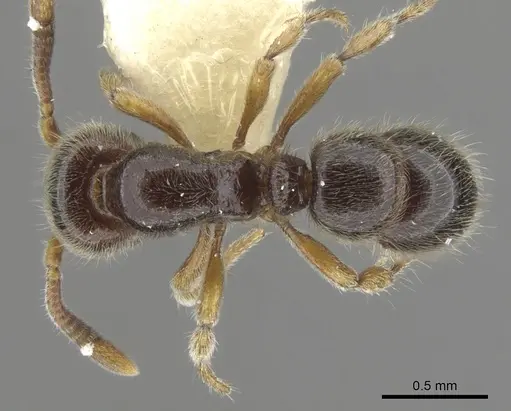
Literature
Loading distribution map...Loading products...