
Probolomyrmex tani
- Sci. Name
- Probolomyrmex tani
- Tribe
- Probolomyrmecini
- Subfamily
- Proceratiinae
- Author
- Fisher, 2007
- Distribution
- Found in 1 countries
Introduction
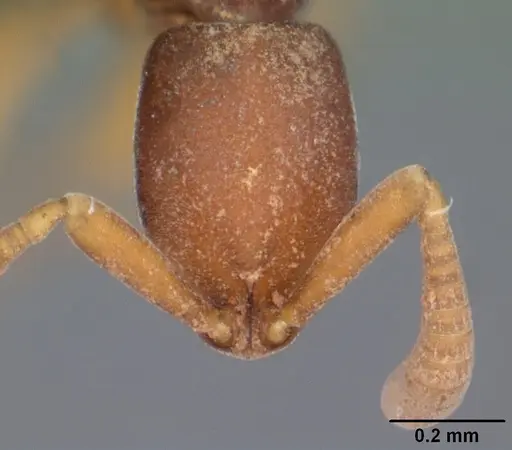
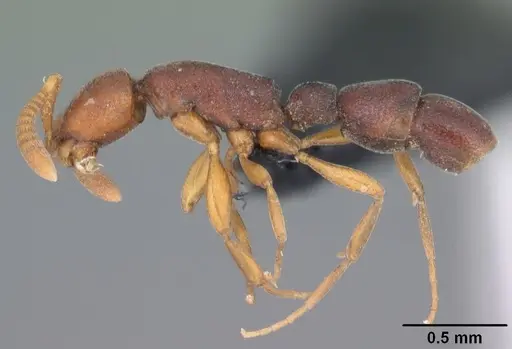
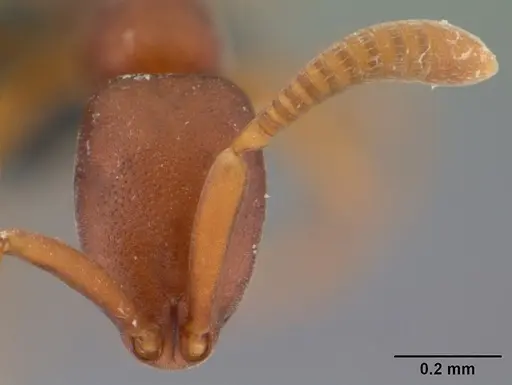
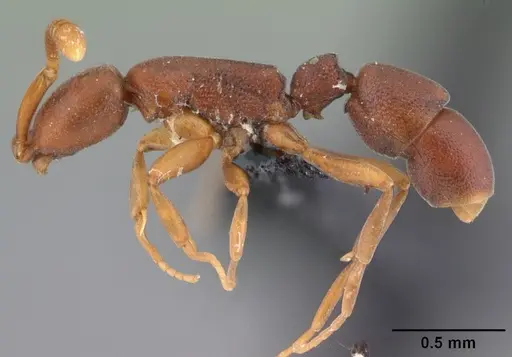
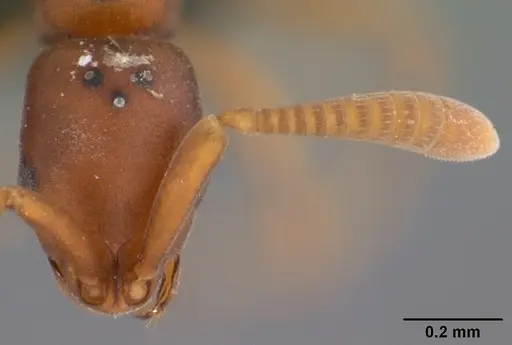
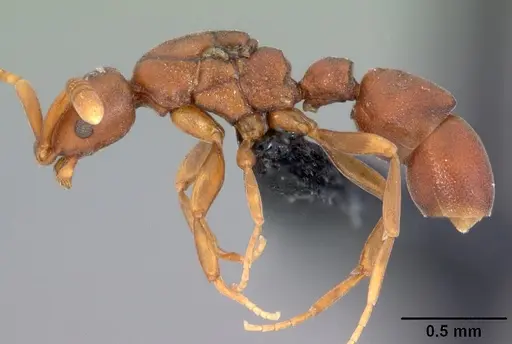
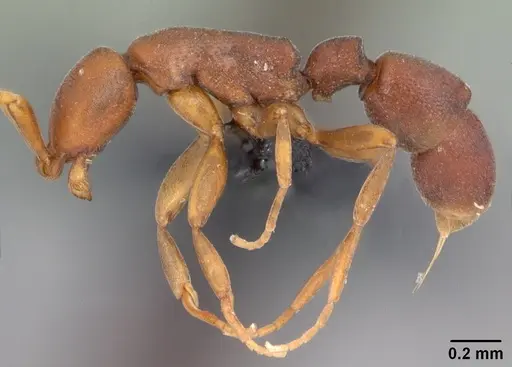
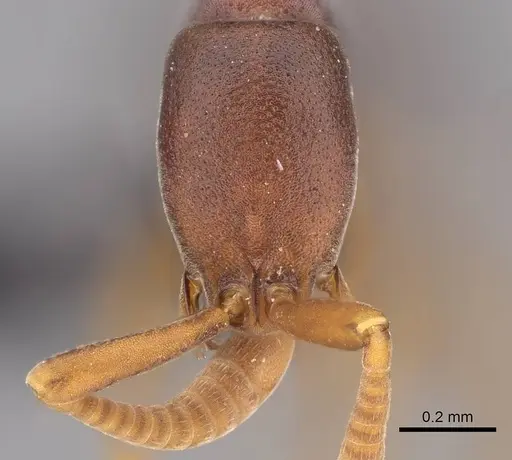
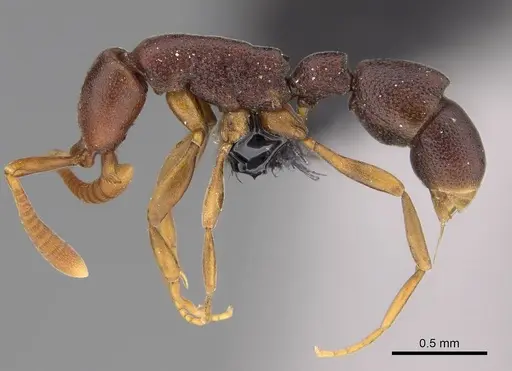
Probolomyrmex tani is a tiny, blind ant species found only in Madagascar. Workers are 2.3-2.8mm long and have no eyes . They have a long, low petiole and a well-developed stinger . Their body is light reddish brown, with lighter appendages . These ants live underground in soil and leaf litter, rarely surfacing . They belong to the Proceratiinae subfamily, known for unusual ants. First described in 2007,it is one of three Probolomyrmex species in Madagascar . The most interesting thing is their extreme rarity - only 25 specimens found over 12 years of intensive sampling .
Quick Summary
- Difficulty: Expert
- Origin & Habitat: Northeastern Madagascar, from littoral rainforest to montane rainforest,10-1100m elevation [2]. They live subterranean in soil and leaf litter [1].
- Colony Type: Likely monogyne based on collection patterns [1].
- Size & Growth:
- Antkeeping:
- Temperature: Aim for 22-28°C based on habitat [2]. Stability is key.
- Humidity: Keep substrate consistently moist but not waterlogged, as they live in tropical forests [2][1].
- Diapause: Unknown, Madagascar has mild seasons, so likely not required [2].
- Nesting: Use deep, moist substrate for subterranean lifestyle [1][2].
- Behavior: Workers are blind and cryptic, rarely surfacing [1]. They have a stinger but are not aggressive [2]. Escape risk is high due to tiny size.
- Common Issues: extreme difficulty obtaining this species, it is one of the rarest ants in the antkeeping hobby [1], no captive breeding data exists, expect high mortality during founding [1], subterranean lifestyle makes them nearly impossible to observe [1][2], tiny size creates escape risk through standard mesh, slow growth may cause keepers to lose patience or overfeed, no established husbandry protocols exist, this would be a pioneering species [1]
Why Probolomyrmex tani Is an Advanced Species
This is not a species for beginners. Probolomyrmex tani is one of the rarest ants in the world, researchers collected only 25 specimens across thousands of leaf litter samples, pitfall traps, and hand-collecting events over 12 years [1]. There is no captive husbandry data, no established protocols, and no one to ask for advice. You would be pioneering every aspect of keeping this species. The combination of their subterranean lifestyle, tiny size, blindness, and complete lack of captive data makes them suitable only for expert antkeepers who enjoy experimentation and can accept high failure rates.
Housing and Nest Setup
Standard ant keeping setups will not work for this species. Probolomyrmex tani lives underground and rarely comes to the surface, so they need a naturalistic setup with deep, moist substrate. A container filled with 5-10cm of damp soil/leaf litter mixture would be most appropriate. The setup should have a water reservoir to maintain long-term humidity without flooding. Avoid formicariums with large open chambers, these ants will not use them. Instead, provide tight spaces that mimic their natural soil environment. Because they are blind and cryptic, they will not establish visible foraging trails. Any outworld should be small and covered to prevent escapes. Use fine mesh (0.5mm or tighter) for ventilation, their minute size means they can slip through gaps that would contain larger ants. [1][2]
Feeding and Diet
In the wild, Probolomyrmex tani likely preys on tiny soil invertebrates like springtails, mites, and other micro-arthropods. They have small mandibles and a well-developed stinger, suggesting they are predators [2]. In captivity, you would need to culture tiny live prey such as springtails, micro-woodlice, or newly hatched isopods. Offering small insects like fruit flies or pinhead crickets may work, but success is uncertain given their subterranean hunting style. Sugar sources are unlikely to be accepted, these are not honeydew-feeding ants. Feed small prey items every few days and remove uneaten prey to prevent mold. Because they live underground, they may not come to open food sources at all.
Understanding Their Extreme Rarity
The story of Probolomyrmex tani's discovery illustrates just how cryptic these ants are. Despite intensive sampling efforts across Madagascar from 1992-2004,including over 6,000 leaf litter samples,4,000 pitfall traps, and 8,000 hand-collecting events, researchers found only 25 specimens of this species [1]. They were collected mostly by sifting leaf litter, with occasional specimens found under stones or in pitfall traps. This suggests they live deep in soil or within the litter layer, rarely foraging on the surface. Their blindness and subterranean lifestyle make them incredibly difficult to detect. If you ever obtain this species, you would be attempting something that has never been done before in the antkeeping hobby.
Temperature and Seasonal Care
No specific temperature data exists for this species. Based on their collection localities in Madagascar, ranging from lowland littoral rainforest at 30m elevation to montane rainforest at 1100m, they likely tolerate a range of 22-28°C [2]. The key is stability rather than specific numbers. Avoid temperature fluctuations. Since Madagascar has mild seasonal variation, these ants probably do not require a true hibernation period. Keeping them at room temperature (around 24°C) year-round is likely appropriate. If you attempt to keep this species, maintain consistent warmth and humidity. Sudden changes are likely fatal to such cryptic species that have narrow environmental tolerances.
Morphology and Identification
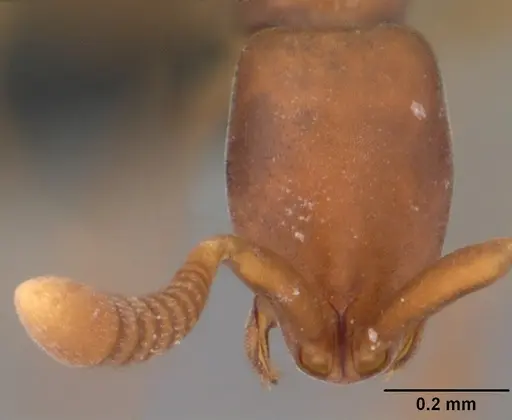
Probolomyrmex tani has several distinctive features that set it apart from other ants. Workers are completely blind, they have no eyes whatsoever [1]. Their head is unusually long and narrow (1.5-1.6 times longer than broad), and they have a unique shelf-like structure on the front of the face formed by the clypeus and frontal carinae. The petiole (the narrow segment connecting thorax and abdomen) is relatively long, low, and less arched compared to related species, which is the most distinctive feature [2]. They have 12-segmented antennae and a well-developed stinger. Queens are similar in appearance but larger and have large eyes (0.10-0.12mm) and reduced wing venation [1]. The species shows some geographic variation, specimens from different localities have slightly different antennal scape lengths and sculpture intensity.
Frequently Asked Questions
Can I keep Probolomyrmex tani in a test tube?
No. Test tubes are not suitable for this species. They are strictly subterranean ants that live in soil and leaf litter, not in enclosed chambers. A naturalistic setup with deep, moist substrate (at least 5-10cm) is required.
How long until first workers in Probolomyrmex tani?
Unknown. No captive breeding data exists for this species. Expect a long development time, possibly several months, based on related Proceratiinae patterns.
Are Probolomyrmex tani good for beginners?
Absolutely not. This is an expert-only species. They are one of the rarest ants in the world with no captive husbandry protocols. There is no established keeping knowledge, and obtaining the species itself is extremely difficult. Only experienced antkeepers should attempt this.
Do Probolomyrmex tani ants sting?
Yes, they have a well-developed stinger [2]. However, given their tiny size (2.3-2.8mm), they are unlikely to penetrate human skin or cause any pain. They are not aggressive and will retreat rather than sting.
What do Probolomyrmex tani eat?
They are likely predators of tiny soil invertebrates. In captivity, you would need to offer small live prey like springtails, micro-woodlice, or fruit flies. Sugar sources are unlikely to be accepted. Their small size means prey must be appropriately sized.
Can I keep multiple queens together?
Not recommended. No data exists on colony founding behavior for this species. Based on the single-queen colony structure observed in collections, keeping multiple unrelated queens together is not advised.
Do Probolomyrmex tani need hibernation?
Unknown. Madagascar has mild seasonal variation, so they may not require a true diapause. Keeping them at stable room temperature (around 24°C) year-round is likely appropriate.
Why are Probolomyrmex tani so rarely collected?
They live subterranean lives in soil and leaf litter, rarely coming to the surface. Workers are completely blind and likely remain hidden. Despite intensive sampling over 12 years, only 25 specimens were found, this is one of the rarest ant species in the world.
What is the best nest type for Probolomyrmex tani?
A naturalistic setup with deep, moist substrate. Standard formicariums are not suitable. Use a container with 5-10cm of damp soil/leaf litter mixture with a water reservoir. They need tight spaces that mimic their natural soil environment.
How big do Probolomyrmex tani colonies get?
Unknown. No colony size data exists. Given their cryptic lifestyle and extreme rarity in collections, colonies are likely small, probably under 100 workers. They may never reach large sizes in captivity.
Are Probolomyrmex tani dangerous?
No. While they have a well-developed stinger, their tiny size makes them harmless to humans. They are not aggressive and will flee rather than engage. There is no danger to keepers.
What temperature do Probolomyrmex tani need?
No specific data exists. Based on their Madagascar habitat, aim for 24-28°C. Stability is more important than precision. Avoid temperature fluctuations. Room temperature is likely appropriate.
Report an Issue
The current care sheet is based fully on literature. See inconsistencies, or something that's incorrect? Please , it will be resolved after review from an admin. Contributing to the blogs tab also helps providing information, to make us be able to further improve the caresheets. Thank you for your support!
References

This caresheet is licensed under CC BY-SA 4.0 .
Community Blogs
CASENT0004400
View on AntWeb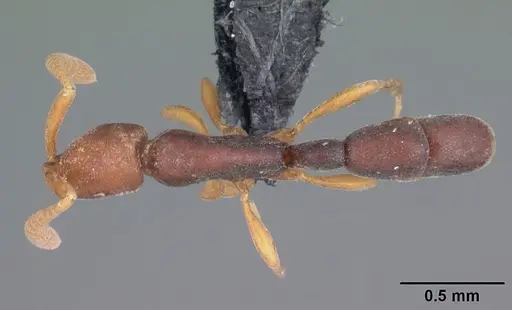
CASENT0041505
View on AntWeb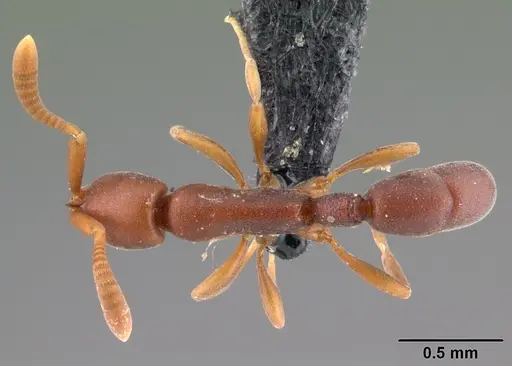
CASENT0041506
View on AntWeb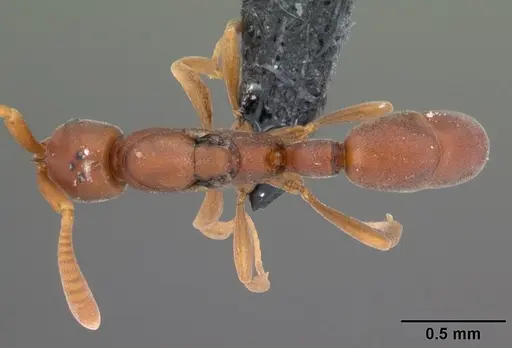
CASENT0041507
View on AntWeb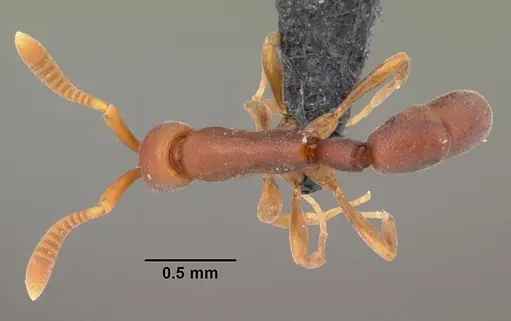
CASENT0243185
View on AntWeb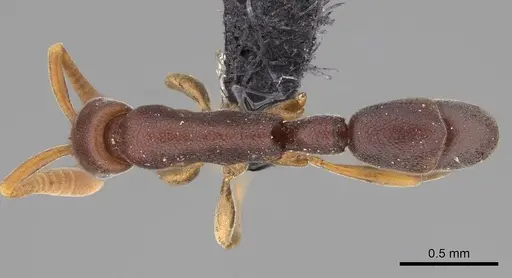
Literature
Loading distribution map...Loading products...