
Probolomyrmex petiolatus
- Sci. Name
- Probolomyrmex petiolatus
- Tribe
- Probolomyrmecini
- Subfamily
- Proceratiinae
- Author
- Weber, 1940
- Distribution
- Found in 5 countries
Introduction
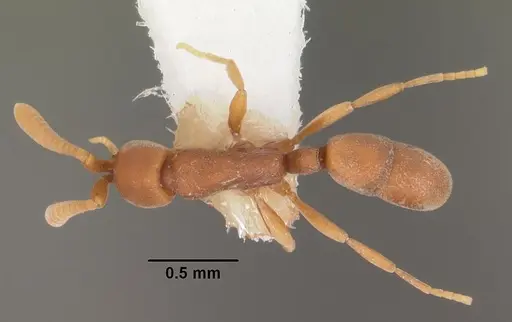
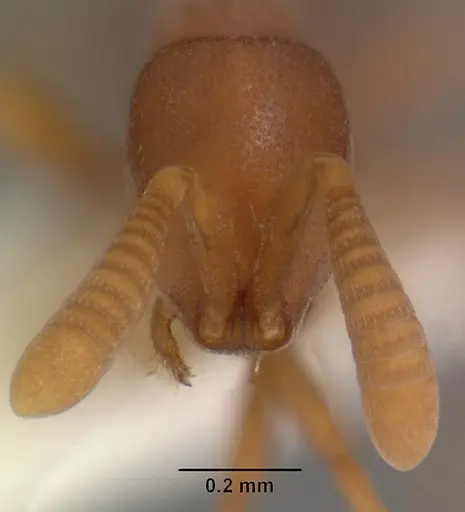
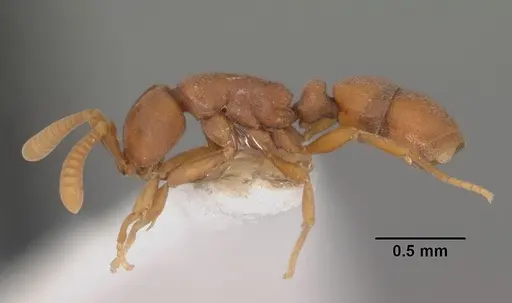
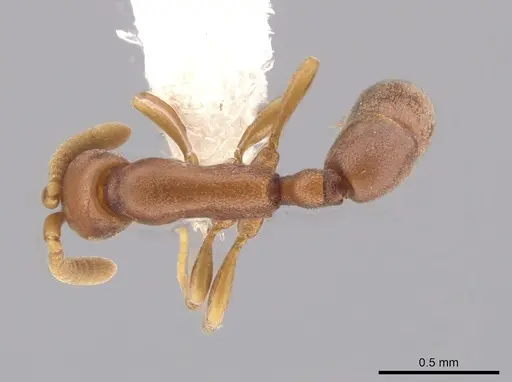
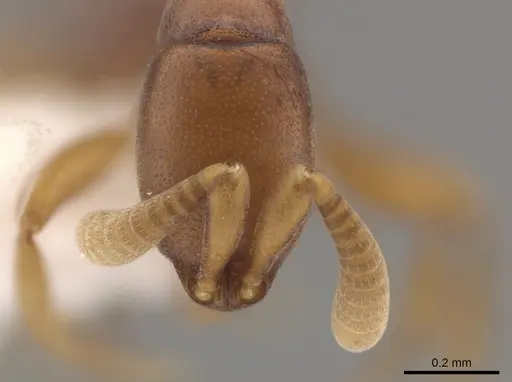
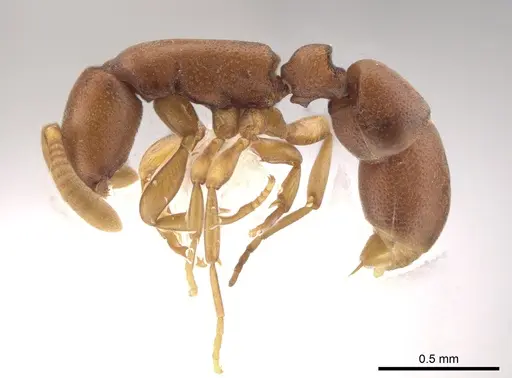
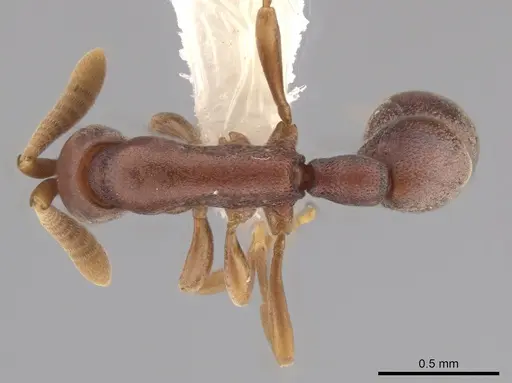
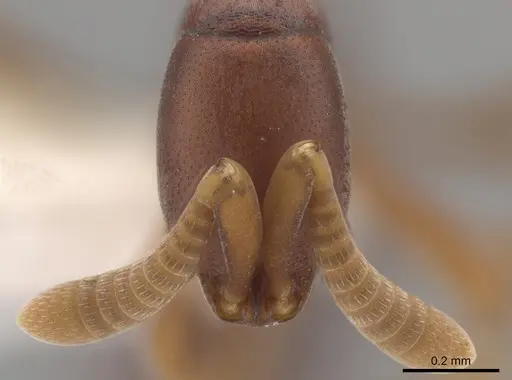
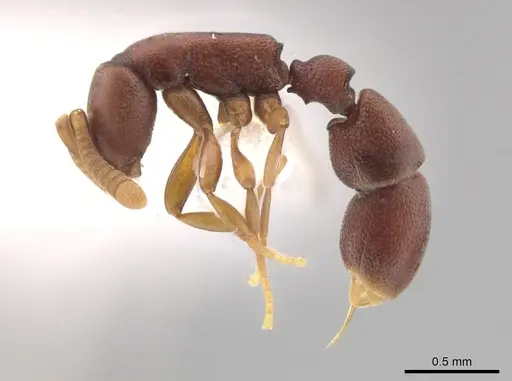
Probolomyrmex petiolatus is a small ponerine ant native to the Neotropical region, found in Panama, Colombia, Venezuela, Guatemala, Mexico, and Ecuador . Workers measure 2.1-2.3mm in total length and are completely eyeless, with a distinctive rectangular subpetiolar process . They inhabit rainforest floors, living in leaf litter and decaying wood . This species is notable for its specialized morphology, including hidden mandibles and a long exserted sting .
Quick Summary
- Difficulty: Expert
- Origin & Habitat: Tropical rainforest floor in Central and South America, found in leaf litter and decaying wood [1][2][3].
- Colony Type: Colony structure is unconfirmed. Only rarely collected, suggesting small natural colony sizes. No information on queen number or founding behavior exists in scientific literature.
- Size & Growth:
- Queen: Approximately 0.90mm total length [4]
- Worker: 2.13-2.33mm total length [4]
- Colony: Unknown, only known from scattered individual specimens [3]
- Growth: Unknown, no documented colony development exists
- Development: Unconfirmed, no development data exists for this species (Development timeline is completely unstudied. Related Proceratiinae species typically require 6-10 weeks at warm temperatures, but this is a rough estimate only.)
- Antkeeping:
- Temperature: Keep warm at 24-28°C based on tropical distribution [4]. A gentle temperature gradient allows ants to self-regulate.
- Humidity: Keep the nest substrate consistently moist but not waterlogged, based on rainforest floor habitat [2].
- Diapause: No, as a tropical species, they likely do not require a hibernation period.
- Nesting: Use a small test tube setup or mini formicarium with tight chambers scaled to their tiny size. They naturally nest in decaying wood, so a naturalistic setup with moist substrate works well [2].
- Behavior: Probolomyrmex petiolatus is a predatory ant that likely hunts small arthropods in the leaf litter. Completely eyeless, they navigate using chemical signals and tactile cues. They possess a visible sting that they can exsert. Workers are slow-moving and cryptic. Their extremely small size means escape prevention is critical [1].
- Common Issues: escape prevention is critical due to their extremely small size, standard barriers may not contain them, complete lack of documented captive care means all advice is estimated from related species, they are rarely kept in captivity and may have specialized requirements unknown to science, wild-caught colonies may have parasites or fail to adapt to captive conditions, their cryptic lifestyle and small size make them difficult to observe and monitor
Understanding Probolomyrmex petiolatus
Probolomyrmex petiolatus is a rare ant first described in 1940 from Panama [1]. It has since been recorded across the Neotropical region, including Guatemala, Mexico, Colombia, Venezuela, and Ecuador [2][3][5]. Workers are eyeless and measure 2.1-2.3mm in total length, with a rectangular subpetiolar process [4]. They navigate using chemical and tactile senses in dark leaf litter environments. The genus is distinguished by hidden mandibles, short antennal scapes, and a long sting [1][6].
Housing and Setup
Housing Probolomyrmex petiolatus requires attention to scale due to their small size. Workers are around 2mm total length, and their mesosoma is less than 0.80mm [3][6]. Use small test tube setups or mini formicaria with tight chambers. They naturally nest in decaying wood, so provide moist substrate like coconut fiber [2]. Keep humidity consistent but avoid waterlogging. All connections need fine mesh barriers to prevent escape.
Feeding and Nutrition
Probolomyrmex petiolatus is predatory, hunting small arthropods in leaf litter [4]. In captivity, offer small live prey like fruit flies or springtails. Sugar sources are not recommended unless confirmed, as Proceratiinae are primarily predatory. Feed small prey 2-3 times per week, removing uneaten items to prevent mold.
Temperature and Environmental Needs
This species originates from tropical rainforests, so keep nest area at 24-28°C [4]. A temperature gradient allows self-regulation. High humidity is essential, matching their rainforest floor habitat [2]. Keep substrate moist but not waterlogged, and avoid fluctuations.
Challenges and Why This Species Is Expert-Only
Probolomyrmex petiolatus is not suitable for beginners due to lack of captive care data. All recommendations are estimates based on related species and natural history. Their extreme small size creates practical challenges: escape prevention requires fine barriers, feeding needs appropriately-sized prey, and observation is difficult. Wild-caught colonies may carry parasites or fail to adapt.
Frequently Asked Questions
How big are Probolomyrmex petiolatus ants?
Workers are 2.1-2.3mm in total length, and queens are approximately 0.90mm [4].
Are Probolomyrmex petiolatus good for beginners?
No, this species is expert-only due to lack of documented care and extreme small size.
Do Probolomyrmex petiolatus have eyes?
No, they are completely eyeless and navigate using chemical and tactile senses [1].
Where do Probolomyrmex petiolatus live in the wild?
They live in tropical rainforests across Central and South America, in leaf litter and decaying wood [1][2][3].
What do Probolomyrmex petiolatus eat?
They are predatory and hunt small arthropods. In captivity, offer small live prey like fruit flies or springtails [4].
Do Probolomyrmex petiolatus sting?
Yes, they have a visible sting that can be exserted for defense [1].
How long do Probolomyrmex petiolatus live?
This is completely unknown, as no research exists on colony longevity or queen lifespan.
Can I keep multiple Probolomyrmex petiolatus queens together?
Unknown, as colony structure has never been documented. Do not attempt combining unrelated queens without evidence.
What temperature do Probolomyrmex petiolatus need?
Keep them warm at 24-28°C based on their tropical origin [4].
Why are Probolomyrmex petiolatus so rarely kept?
They are among the rarest ants, known from few specimens over 80 years. Their small size and cryptic lifestyle make them difficult to keep [3].
Report an Issue
The current care sheet is based fully on literature. See inconsistencies, or something that's incorrect? Please , it will be resolved after review from an admin. Contributing to the blogs tab also helps providing information, to make us be able to further improve the caresheets. Thank you for your support!
References

This caresheet is licensed under CC BY-SA 4.0 .
Community Blogs
Literature
Loading distribution map...Loading products...