
Probolomyrmex guineensis
- Sci. Name
- Probolomyrmex guineensis
- Tribe
- Probolomyrmecini
- Subfamily
- Proceratiinae
- Author
- Taylor, 1965
- Distribution
- Found in 10 countries
Introduction
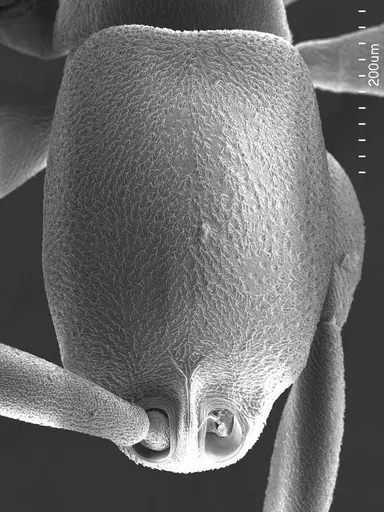
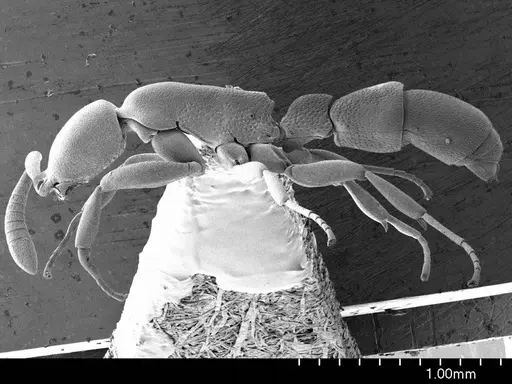
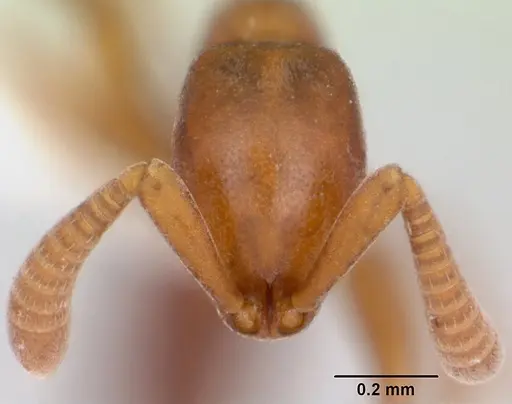
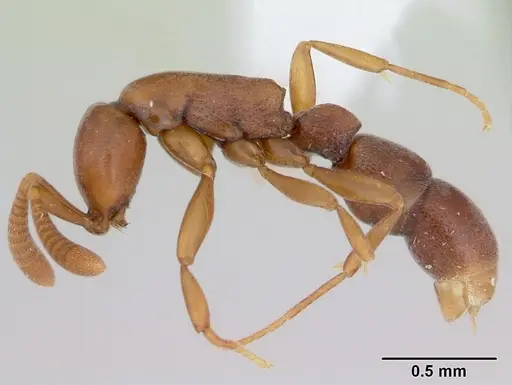
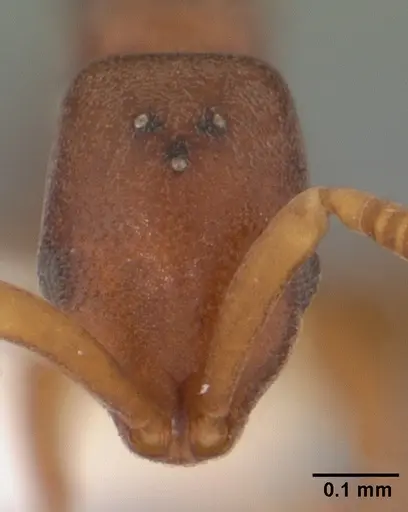
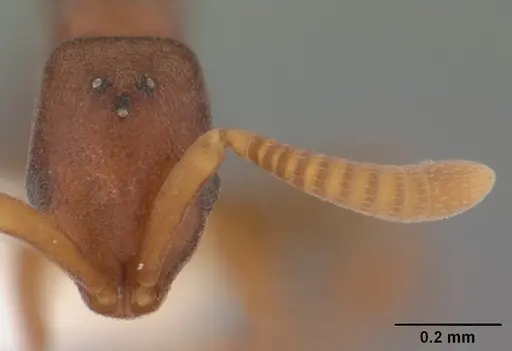
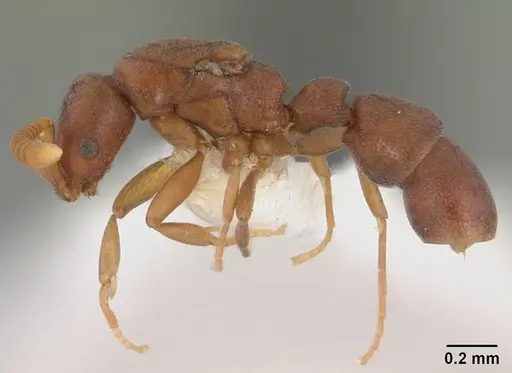
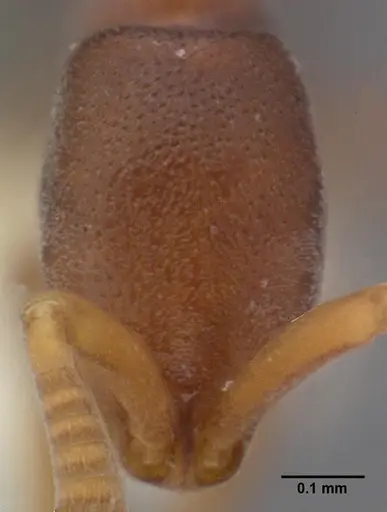
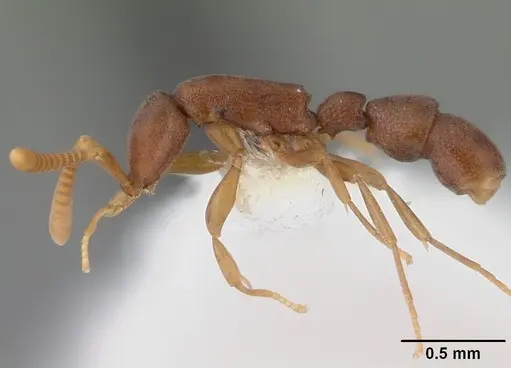
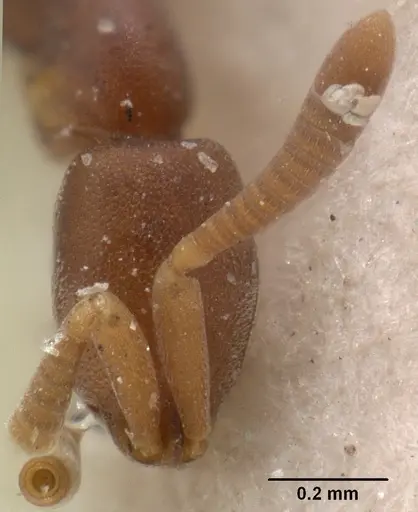
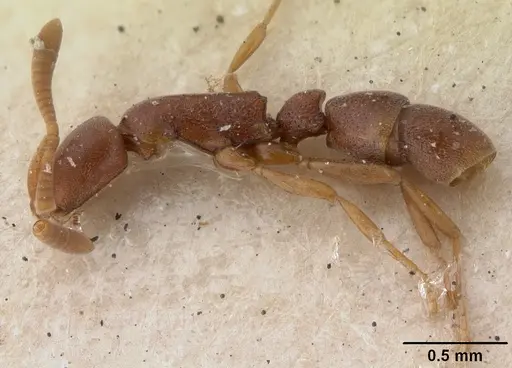
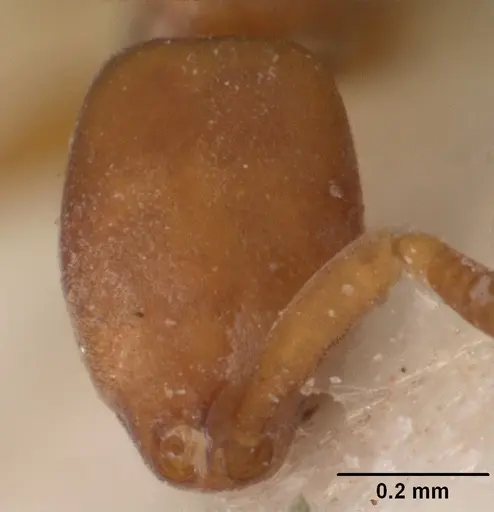
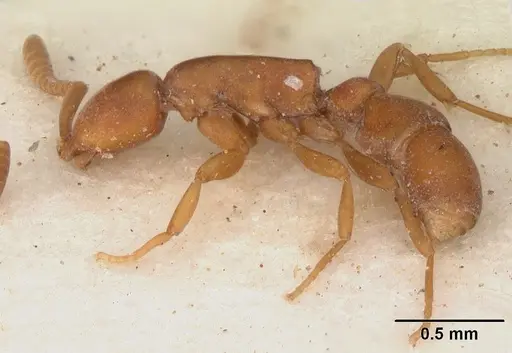
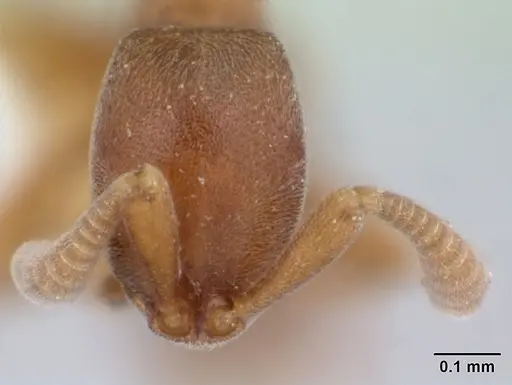
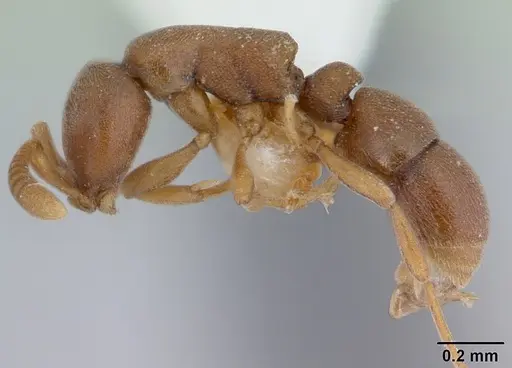
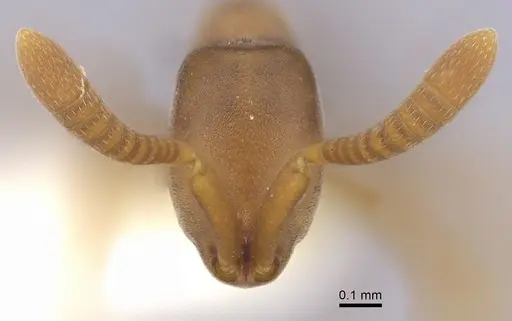
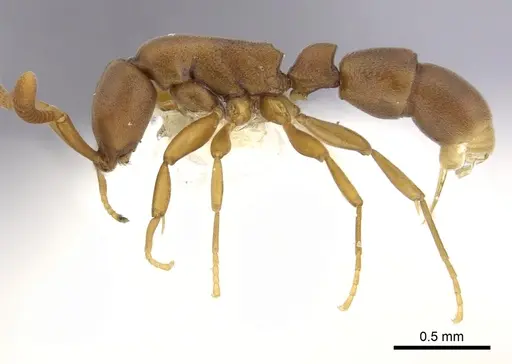
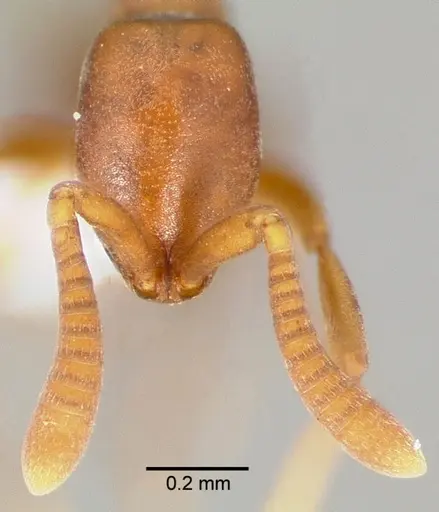
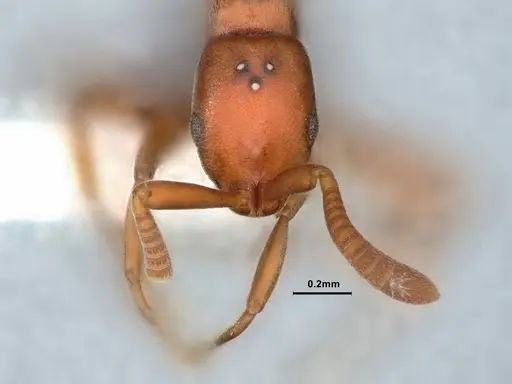
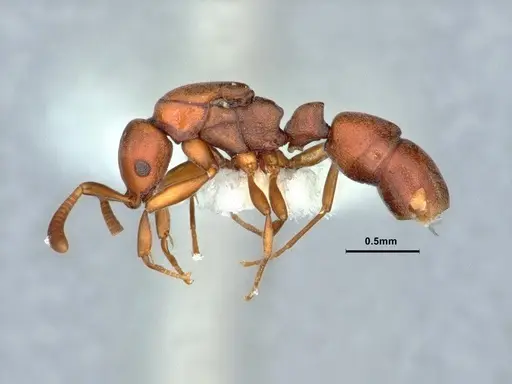
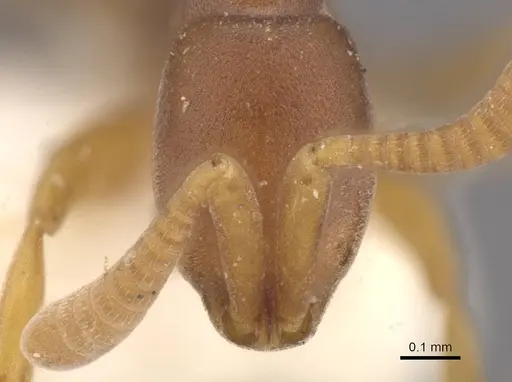
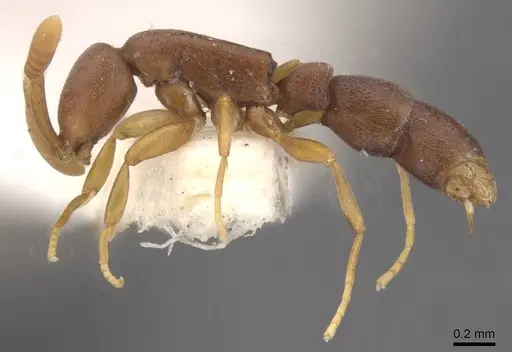
Probolomyrmex guineensis is a tiny ant species in the subfamily Proceratiinae. Workers are among the smallest ants, but exact body size is unknown . They have a broad head, short antennae, and a narrow petiolar node. The genus is distinguished by a shelf-like projection on the frontoclypeal area and a hammer-shaped second maxillary palpal segment . Found across West and Central Africa, from Guinea to Kenya and Uganda . The biology is largely unknown. One related Asian species preys on millipedes, suggesting predatory tendencies . Their sting is uniquely forward-directed with a circular notch, a rare feature among ants .
Quick Summary
- Difficulty: Expert
- Origin & Habitat: West and Central Africa, including Guinea, Ghana, Ivory Coast, Cameroon, Kenya, and Uganda. They nest in leaf litter or rotting wood in tropical forest and savannah zones [3][1].
- Colony Type: Colony structure is unconfirmed, no research has documented queen number or colony size for this species.
- Size & Growth:
- Queen: Size data unavailable
- Worker: Size data unavailable
- Colony: Unknown, no colony size data exists in scientific literature
- Growth: Unknown
- Development: Unknown, no development data exists for this species (No data available on development timeline)
- Antkeeping:
- Temperature: Unknown, based on tropical distribution, likely warm conditions, but no specific data exists [3].
- Humidity: Likely requires moist conditions for leaf litter nesting, but requirements are unstudied [3].
- Diapause: Unknown, as a tropical species, they may not require formal diapause.
- Nesting: In nature, they nest in leaf litter or rotting wood [3]. In captivity, use small chambers with fine mesh to prevent escape due to their tiny size.
- Behavior: Escape risk is extremely high due to their microscopic size, fine mesh barriers and excellent seal quality are essential. Temperament is unknown, but they are unlikely to be aggressive given their size.
- Common Issues: extreme miniaturization makes escape prevention difficult, they can squeeze through tiny gaps, no captive breeding data exists, establishing a colony may be nearly impossible, dietary requirements are completely unknown, likely predatory but specific prey types unconfirmed, humidity control is critical but requirements are unstudied, no information on founding behavior makes queen establishment highly risky
Size and Identification
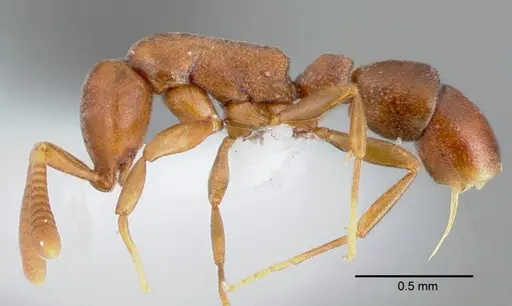
Probolomyrmex guineensis is among the smallest ants, but exact body size is unknown [1]. The species has a relatively broad head, short scapes, and a narrow petiolar node. The punctural sculpturing is distinct, with superficial punctures on the body surface [1]. The propodeal declivity shows a concavity about one-quarter as deep as the distance between the dorsal points of the propodeal lamellae. The subpetiolar process lacks an acute posteroventral tooth, and there is no median emargination on the posterior flange of the petiolar node [1].
Distribution and Habitat
This species has a broad distribution across sub-Saharan Africa, including Guinea, Ghana, Ivory Coast, Cameroon, Kenya, and Uganda [1]. They appear to nest in leaf litter or rotting wood, typical of many small forest-dwelling ants [3].
Unique Morphological Features
Probolomyrmex guineensis has unusual anatomical features. The frontoclypeal area has a shelf-like projection, and the second maxillary palpal segment is hammer-shaped [2]. The sting is directed forward with a circular notch at the apex of sternite VII, a unique stinging mode among ants [4].
Biology and Diet
The biology of Probolomyrmex guineensis is largely unknown [3]. One Asian species in the genus preys on millipedes, suggesting predatory tendencies [3]. No information exists on colony size, reproductive behavior, or lifecycle aspects.
Keeping Considerations
Keeping Probolomyrmex guineensis in captivity is challenging due to unknown biology and tiny size. Escape prevention is critical, use fine mesh and tight seals. A naturalistic setup with small chambers is appropriate. Temperature and humidity requirements are unstudied but likely match tropical conditions. Feeding would be experimental, with tiny live prey as a possibility. [3]
Research Gaps
Critical gaps include colony structure, founding behavior, development timeline, dietary requirements, and temperature preferences. This species is only suitable for experienced keepers with research interests. [3]
Frequently Asked Questions
How big are Probolomyrmex guineensis workers?
Exact body size is unknown, but they are among the smallest ants [1].
Where does Probolomyrmex guineensis live?
They are found across sub-Saharan Africa, including Guinea, Ghana, Ivory Coast, Cameroon, Kenya, and Uganda, typically nesting in leaf litter or rotting wood [3][1].
What do Probolomyrmex guineensis eat?
Their diet is completely unknown. One related Asian species preys on millipedes, suggesting the genus may be predatory [3].
Are Probolomyrmex guineensis good for beginners?
No. This species is not suitable for beginners due to unknown biology, tiny size, and lack of captive breeding data.
How do I house Probolomyrmex guineensis?
Use a naturalistic setup with small chambers and fine mesh to prevent escape. Nesting in leaf litter or rotting wood is natural [3].
Do Probolomyrmex guineensis ants sting?
Yes, they have a forward-directed sting with a circular notch, a unique feature among ants [4].
How long does it take for Probolomyrmex guineensis to develop from egg to worker?
This is completely unknown, no development data exists.
What temperature do Probolomyrmex guineensis need?
Temperature requirements are unknown, but based on tropical distribution, likely warm conditions [3].
Do Probolomyrmex guineensis need hibernation?
Unknown, as a tropical species, they may not require diapause.
How big do Probolomyrmex guineensis colonies get?
Colony size is completely unknown.
Can I keep multiple Probolomyrmex guineensis queens together?
Unknown, colony structure has not been documented. Combining queens is not recommended.
Why is Probolomyrmex guineensis so rare in the antkeeping hobby?
Their extreme miniaturization makes them difficult to collect and maintain. Biology is unknown, and captive breeding success is limited [1].
Report an Issue
The current care sheet is based fully on literature. See inconsistencies, or something that's incorrect? Please , it will be resolved after review from an admin. Contributing to the blogs tab also helps providing information, to make us be able to further improve the caresheets. Thank you for your support!
References

This caresheet is licensed under CC BY-SA 4.0 .
Community Blogs
ANTWEB1008582
View on AntWeb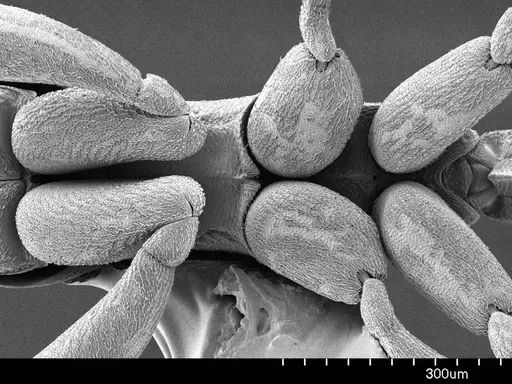
CASENT0006730
View on AntWeb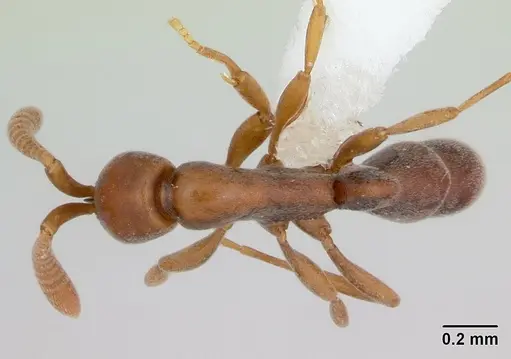
CASENT0101549
View on AntWeb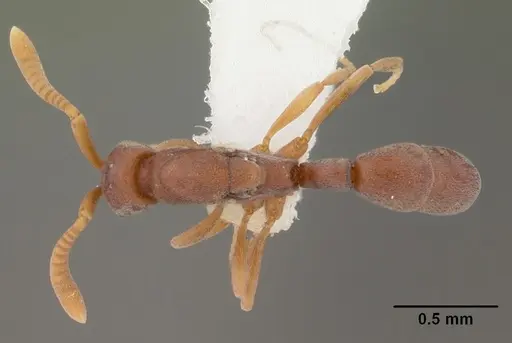
CASENT0101725
View on AntWeb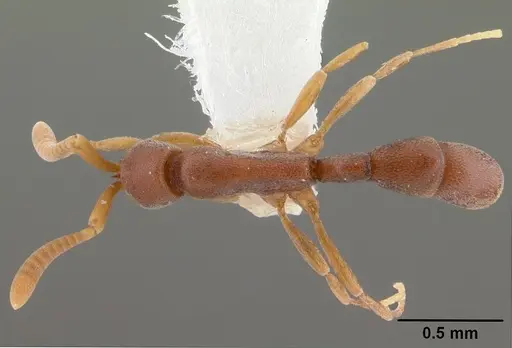
CASENT0101768
View on AntWeb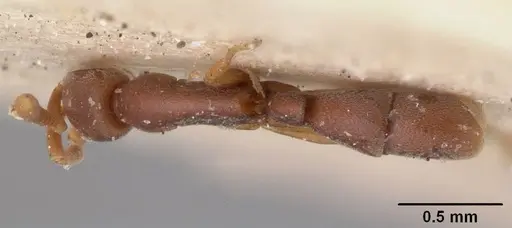
CASENT0102218
View on AntWeb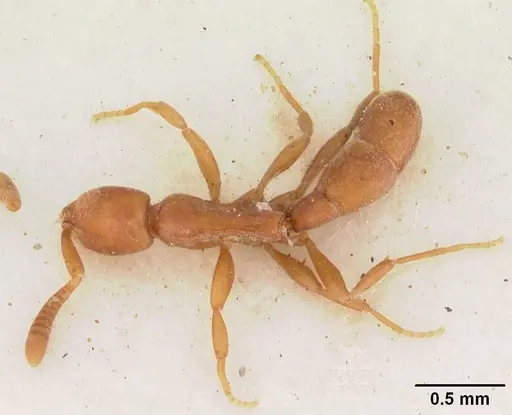
CASENT0178270
View on AntWeb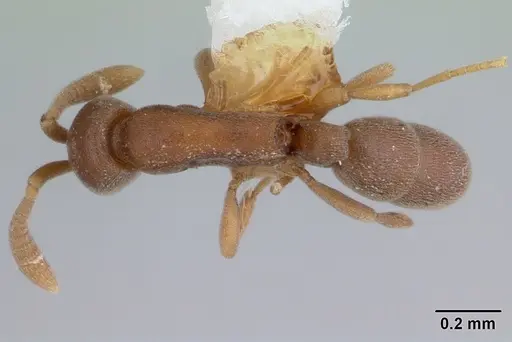
CASENT0249253
View on AntWeb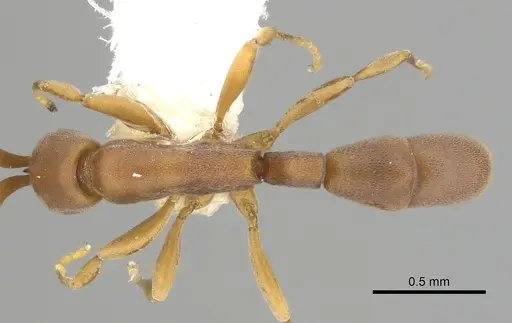
CASENT0412773
View on AntWeb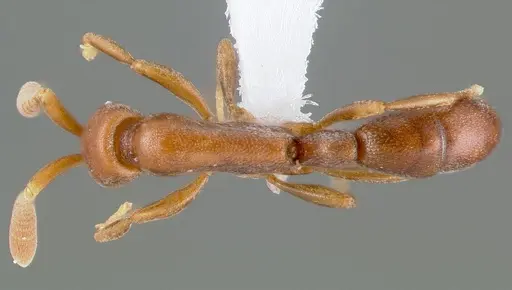
CASENT0882092
View on AntWeb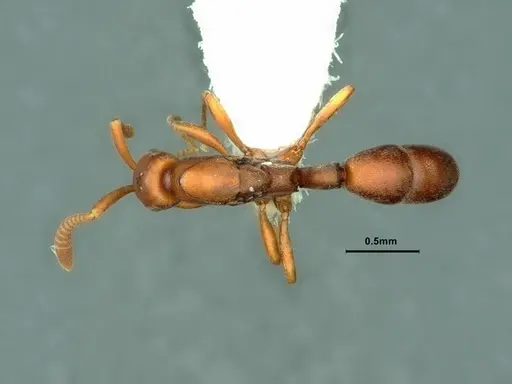
CASENT0915152
View on AntWeb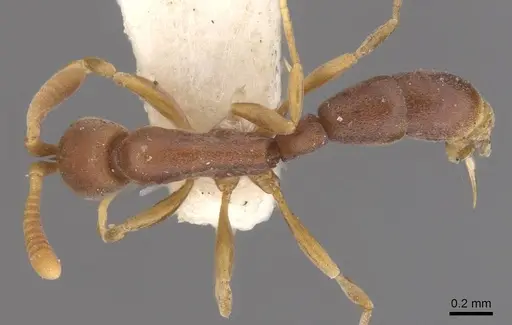
Literature
Loading distribution map...Loading products...