
Probolomyrmex greavesi
- Sci. Name
- Probolomyrmex greavesi
- Tribe
- Probolomyrmecini
- Subfamily
- Proceratiinae
- Author
- Taylor, 1965
- Distribution
- Found in 1 countries
Introduction
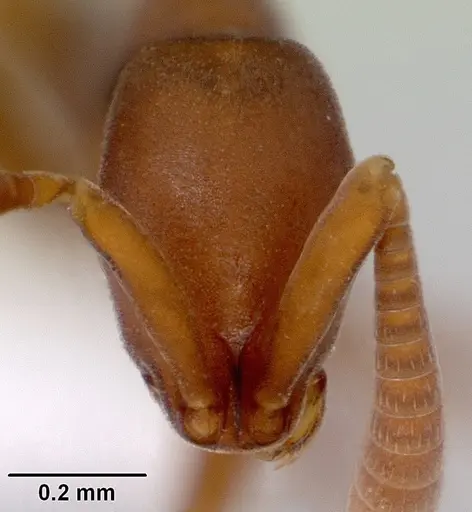
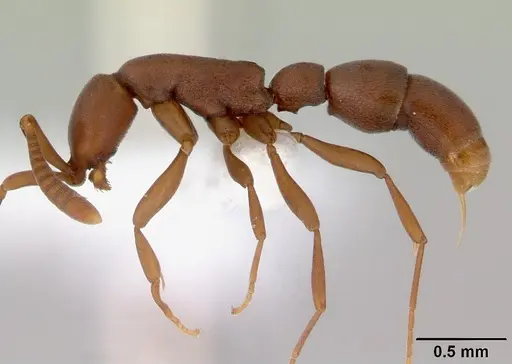
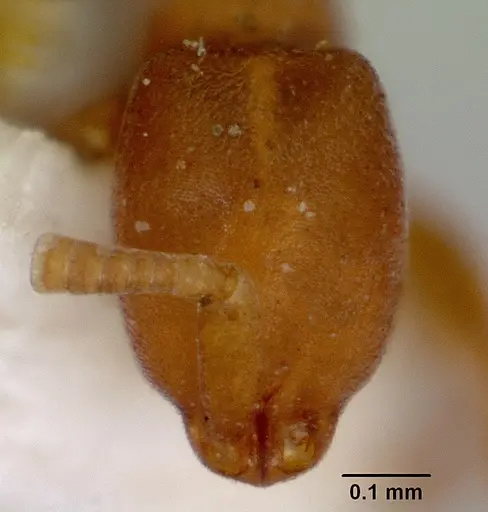
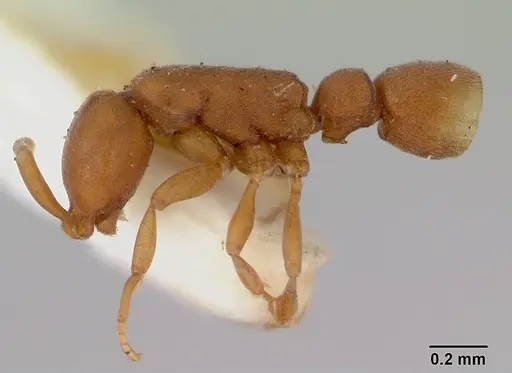
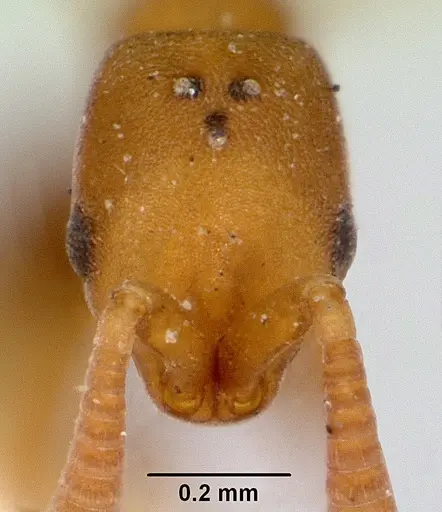
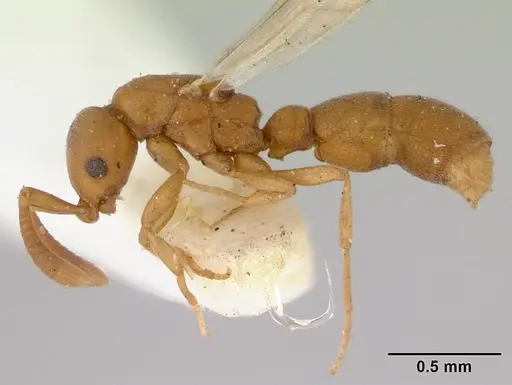
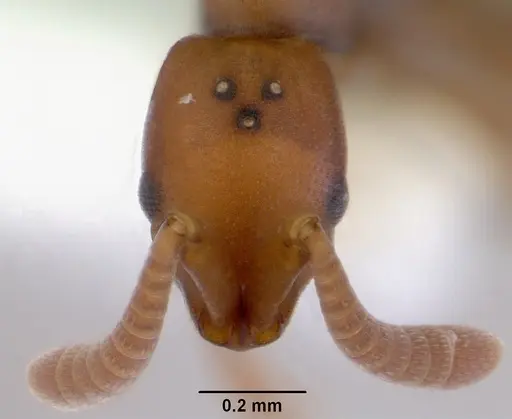
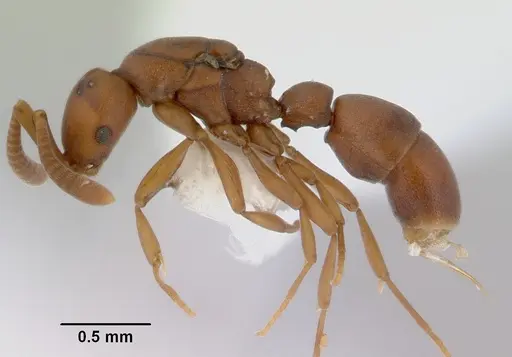
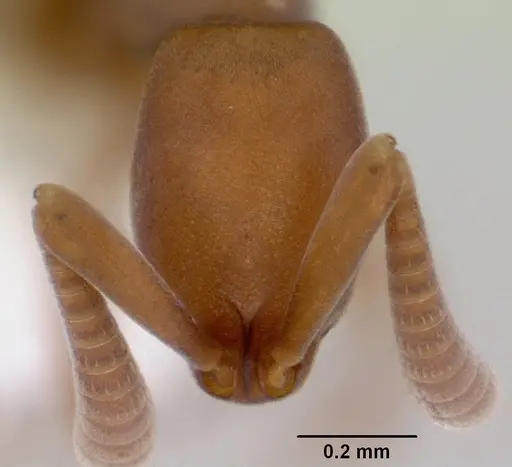
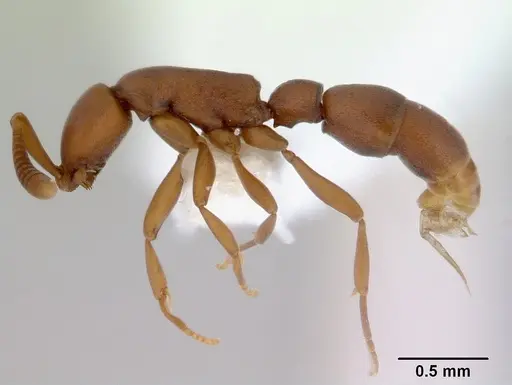
Probolomyrmex greavesi is one of Australia's rarest ant species, belonging to the subfamily Proceratiinae. These ants are tiny, but full body size data is not available from research . They have a distinctive appearance: completely blind (no eyes), a light ferruginous brown coloration, and a short broad petiolar node . The species was first described in 1965 and has been collected only a handful of times, primarily in south-eastern Australia around the Australian Capital Territory and Queensland . This species is notable for its extreme rarity and limited distribution. Found in various forested habitats ranging from non-native pine plantations to dry and wet sclerophyll forests, these ants nest in soil under rocks . For antkeepers, this species represents a challenge due to how rarely they're found and how little is known about their captive care.
Quick Summary
- Difficulty: Expert
- Origin & Habitat: South-eastern Australia, including Australian Capital Territory and Queensland. Found in forested sites ranging from non-native pine plantations through dry sclerophyll to wet sclerophyll forest. Nests in soil under rocks [1][2].
- Colony Type: Unknown colony structure. No data on queen number or social structure.
- Size & Growth:
- Queen: Size data unavailable, full body measurements not provided in research.
- Worker: Size data unavailable, full body measurements not provided in research.
- Colony: Unknown, only a handful of specimens have ever been collected [1].
- Growth: Unknown, no captive breeding records available.
- Development: Unknown, no development data exists for this species. (No captive colony development has been documented.)
- Antkeeping:
- Temperature: No specific data. Based on their habitat in south-eastern Australia, moderate temperatures around 20-24°C might be suitable, but this is unconfirmed [1].
- Humidity: No specific data. Nests in soil under rocks, so likely moderate moisture. Keep substrate moist but not waterlogged, with a gradient [1][2].
- Diapause: Unknown, no seasonal data available for this species.
- Nesting: Natural nesting is under rocks in soil. In captivity, a small test tube setup or miniature naturalistic setup with soil and cover would mimic conditions, but no specific protocols exist.
- Behavior: Completely blind and likely slow-moving, as typical for Proceratiinae. No aggression data exists. Escape risk is moderate due to small size, standard escape prevention is sufficient.
- Common Issues: extreme rarity makes obtaining a colony nearly impossible [1], no captive breeding records exist, all attempts are experimental, completely blind may struggle in artificial setups, founding behavior unconfirmed, making colony establishment uncertain, tiny size makes feeding appropriate prey items challenging
Discovery and Rarity
Probolomyrmex greavesi was first described by R.W. Taylor in 1965 based on specimens collected from Mt. Stromlo in the Australian Capital Territory and Greenmount in Queensland [1]. The species has been collected only a handful of times, making it one of the rarest Australian ant species [1][2]. The original collection at Mt. Stromlo was from under rocks in pine litter within a plantation of exotic Pinus radiata [2]. This extreme rarity means that virtually no captive husbandry information exists.
Morphology and Identification
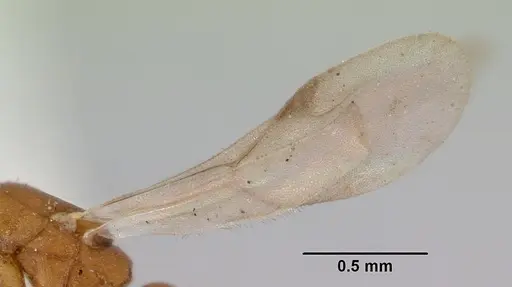
Workers are eyeless and have a light ferruginous brown coloration [1]. The petiolar node is short and broad, and the subpetiolar process forms a rounded 90° angle anteriorly with a straight ventral margin [1]. These morphological details are important for identification but have no direct bearing on care.
Habitat and Nesting
In the wild, P. greavesi has been found in forested sites ranging from non-native pine plantations through dry sclerophyll to wet sclerophyll forest [1][2]. They nest in soil under rocks, which provides a stable microclimate [1]. This suggests they prefer moderate temperatures and consistent moisture.
Care Realities
There are no established care protocols for this species due to its rarity and lack of captive data. Any attempt to keep P. greavesi would be experimental, with no guidance on diet, development, or social structure [1]. Antkeepers should focus on species with documented husbandry instead.
Frequently Asked Questions
Can I keep Probolomyrmex greavesi as a pet ant?
No, this species is essentially unavailable to antkeepers. It is one of the rarest Australian ants, collected only a handful of times in nearly a century [1][2]. No colonies exist in captivity, and no one has documented successful captive breeding.
How big do Probolomyrmex greavesi colonies get?
Unknown, colony size has never been documented. Only a handful of individual specimens have ever been collected [1].
Do Probolomyrmex greavesi ants sting?
No specific data exists for this species. Based on subfamily patterns, they likely lack functional stingers, but this is unconfirmed for P. greavesi.
What do Probolomyrmex greavesi eat?
Unconfirmed, no feeding observations have been documented for this species. Based on related ants, they likely hunt tiny soil micro-arthropods, but no data exists for P. greavesi.
Are Probolomyrmex greavesi good for beginners?
No, this species is not recommended due to extreme rarity and lack of care information. It is set to Expert difficulty.
Where does Probolomyrmex greavesi live?
Only in south-eastern Australia, specifically the Australian Capital Territory and Queensland [1][2].
How long do Probolomyrmex greavesi workers live?
Unknown, no lifespan data exists for this species.
Do Probolomyrmex greavesi queens found colonies alone?
Unknown, founding behavior has never been documented for this species [1].
What temperature should I keep Probolomyrmex greavesi at?
No specific data exists. Based on their habitat, moderate temperatures around 20-24°C might be suitable, but this is unconfirmed [1].
Report an Issue
The current care sheet is based fully on literature. See inconsistencies, or something that's incorrect? Please , it will be resolved after review from an admin. Contributing to the blogs tab also helps providing information, to make us be able to further improve the caresheets. Thank you for your support!
References

This caresheet is licensed under CC BY-SA 4.0 .
Community Blogs
CASENT0172112
View on AntWeb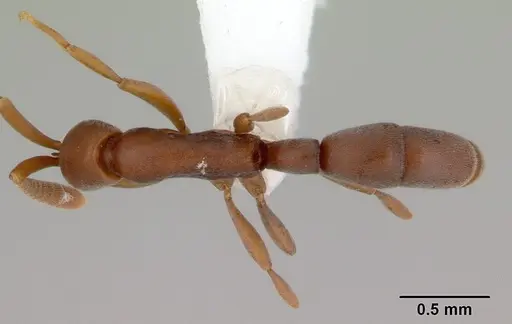
CASENT0172116
View on AntWeb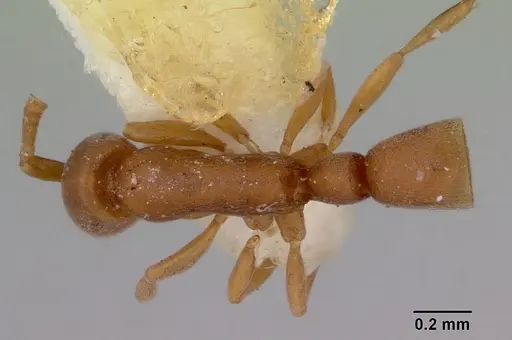
CASENT0172117
View on AntWeb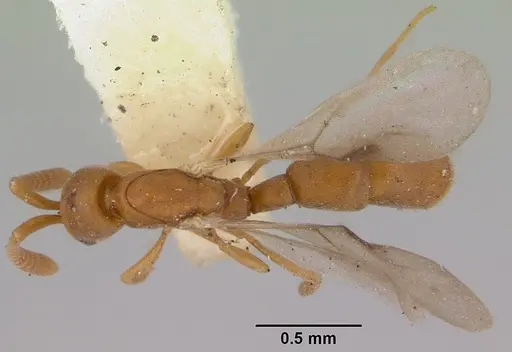
CASENT0172418
View on AntWeb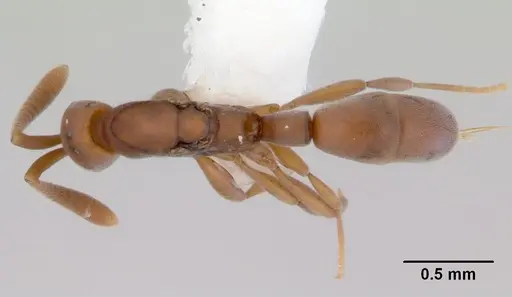
CASENT0172419
View on AntWeb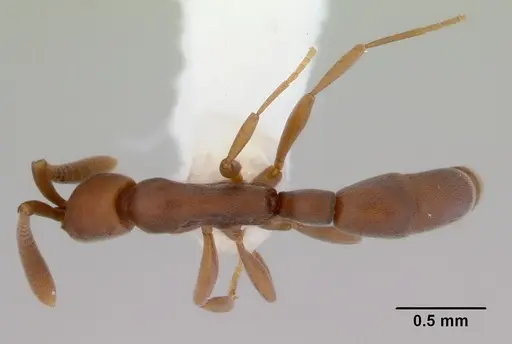
Literature
Loading distribution map...Loading products...