
Probolomyrmex filiformis
- Sci. Name
- Probolomyrmex filiformis
- Tribe
- Probolomyrmecini
- Subfamily
- Proceratiinae
- Author
- Mayr, 1901
- Distribution
- Found in 1 countries
Introduction
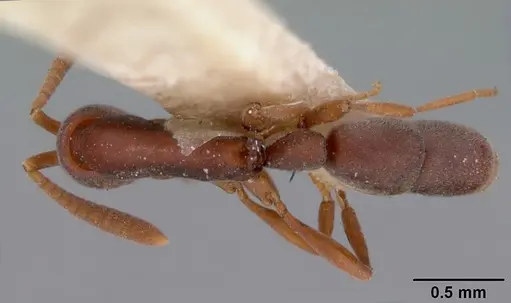
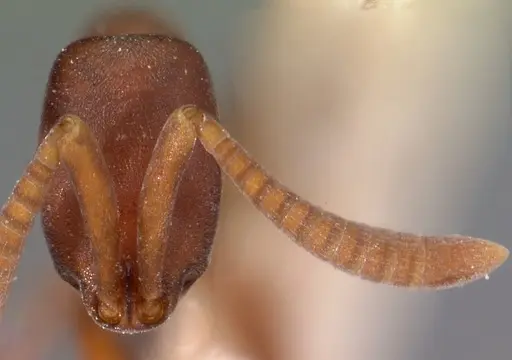
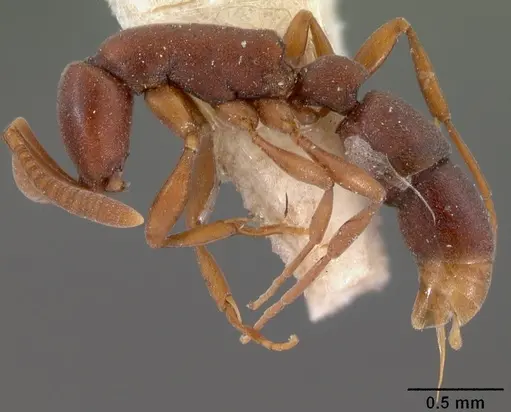
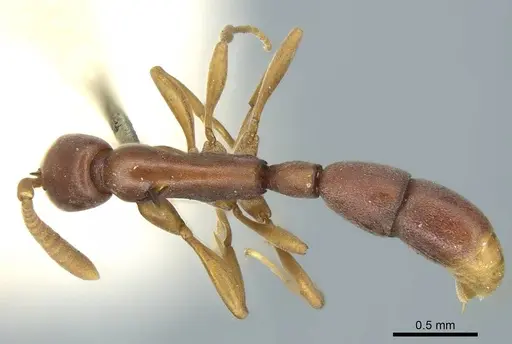
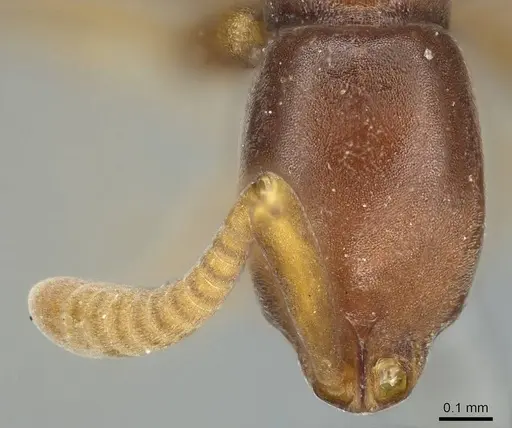
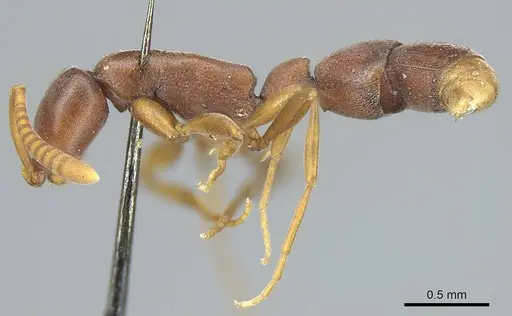
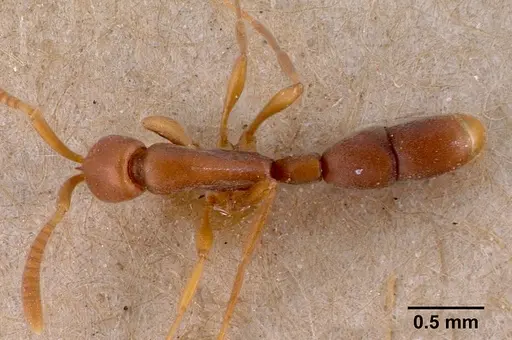
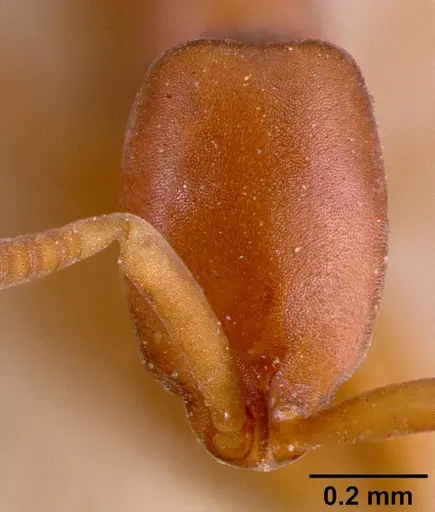
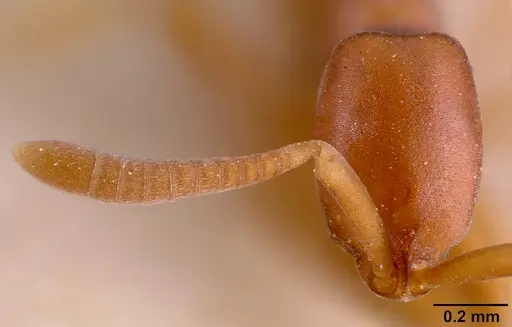
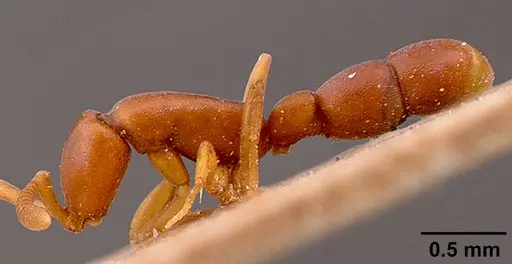
Probolomyrmex filiformis is a rare ant species native to South Africa, specifically the Cape Colony region around Port Elizabeth . Workers are minute, but exact body size data is unavailable from current research. The genus belongs to the subfamily Proceratiinae, which includes predatory ants with slender bodies and fine sculpturing. This species is one of the least studied ants, with very few colonies documented in captivity .
Quick Summary
- Difficulty: Expert
- Origin & Habitat: South Africa (Cape Colony, Port Elizabeth region) [1][2].
- Colony Type: Colony structure is unconfirmed.
- Size & Growth:
- Queen: Size data unavailable
- Worker: Size data unavailable
- Colony: Unknown
- Growth: Unknown
- Development: Unconfirmed (No development data available for this species.)
- Antkeeping:
- Temperature: Specific requirements unconfirmed. Based on South African temperate origins, likely moderate temperatures around 20-24°C, but this is inferred [3].
- Humidity: Unknown. Based on subfamily patterns, likely moderate humidity, but unconfirmed [3].
- Diapause: Likely yes for temperate species, but unconfirmed [3].
- Nesting: Unknown. Due to minute size, small enclosures with tight chambers are recommended, but specific nest types unconfirmed.
- Behavior: Unknown. Based on Proceratiinae patterns, likely predatory and cryptic, but unconfirmed [3].
- Common Issues: escape prevention is critical due to their minute size [3]., rarity makes acquisition difficult., no established care guidelines exist.
Understanding Probolomyrmex filiformis
Probolomyrmex filiformis is an exceptionally rare ant species native to South Africa [1][2]. It belongs to the subfamily Proceratiinae, known for specialized predatory behaviors and cryptic lifestyles [3]. The species was described by Mayr in 1901 and redescribed by Taylor in 1965,but almost nothing is known about its behavior or colony dynamics in captivity [3].
Housing and Nest Setup
Housing Probolomyrmex filiformis requires specialized equipment due to their minute size. Standard ant setups are too large, you need miniature enclosures with chambers scaled to their tiny body size. Escape prevention is critical, use fine mesh barriers and ensure all connections are sealed [3]. Test tubes with small water reservoirs or custom small nests may work, but specific nest types are unconfirmed.
Feeding and Nutrition
The diet of Probolomyrmex filiformis is unconfirmed. As Proceratiinae ants, they are likely predatory on small invertebrates, but no specific food items are documented [3]. In captivity, offer tiny live prey appropriate to their size, but acceptance is unknown.
Temperature and Seasonal Care
Temperature requirements are unconfirmed. Based on South African temperate origins, moderate temperatures around 20-24°C are likely, but this is inferred [3]. Diapause may be needed for winter rest, but specifics are unknown.
Challenges and Considerations
Keeping Probolomyrmex filiformis is challenging due to its rarity and lack of care guidelines. Escape prevention is essential because of their minute size [3]. Acquisition is difficult, and pioneering care requires careful observation.
Frequently Asked Questions
How big are Probolomyrmex filiformis ants?
Exact body size data is unavailable from current research. Workers are minute, but no total length measurements are provided [3].
Where does Probolomyrmex filiformis come from?
This species is native to South Africa, specifically the Cape Colony region around Port Elizabeth [1][2].
Is Probolomyrmex filiformis available in the antkeeping hobby?
No, this species is extremely rare in captivity and almost never available [3].
What do Probolomyrmex filiformis eat?
Their exact diet is unconfirmed, but they are likely predatory on small invertebrates [3].
What temperature do Probolomyrmex filiformis need?
Specific requirements are unconfirmed. Based on origins, moderate temperatures around 20-24°C are likely, but this is inferred [3].
Do Probolomyrmex filiformis need hibernation?
Likely yes for temperate species, but unconfirmed [3].
Are Probolomyrmex filiformis good for beginners?
No, this species is expert-only due to rarity and lack of care guidelines [3].
How do I prevent Probolomyrmex filiformis from escaping?
Escape prevention is critical due to their minute size. Use fine mesh barriers and seal all connections [3].
How fast do Probolomyrmex filiformis colonies grow?
Growth rate is unknown [3].
Can I keep multiple queens together?
Colony structure is unconfirmed. Do not combine queens without evidence [3].
Report an Issue
The current care sheet is based fully on literature. See inconsistencies, or something that's incorrect? Please , it will be resolved after review from an admin. Contributing to the blogs tab also helps providing information, to make us be able to further improve the caresheets. Thank you for your support!
References

This caresheet is licensed under CC BY-SA 4.0 .
Community Blogs
Literature
Loading distribution map...Loading products...