
Probolomyrmex curculiformis
- Sci. Name
- Probolomyrmex curculiformis
- Tribe
- Probolomyrmecini
- Subfamily
- Proceratiinae
- Author
- Hita Garcia & Fisher, 2014
- Distribution
- Found in 1 countries
Introduction
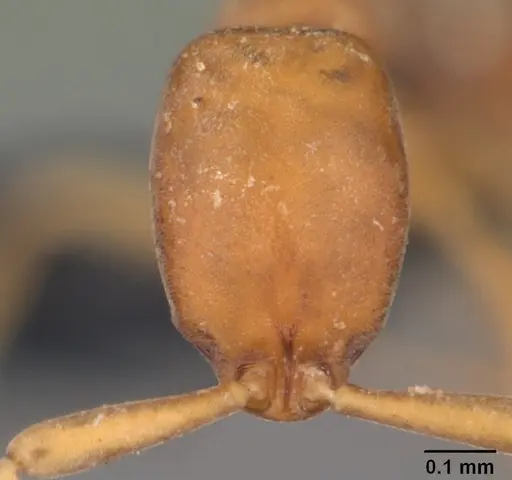
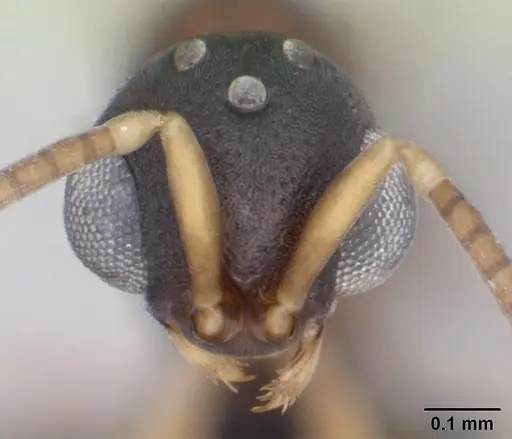
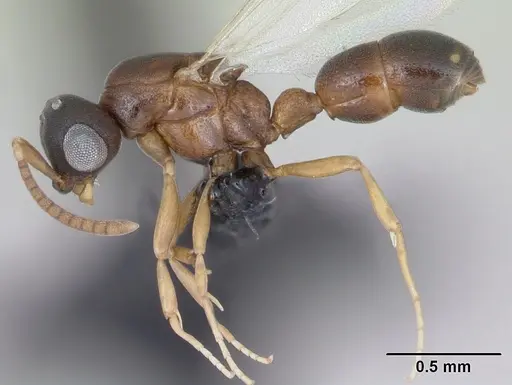
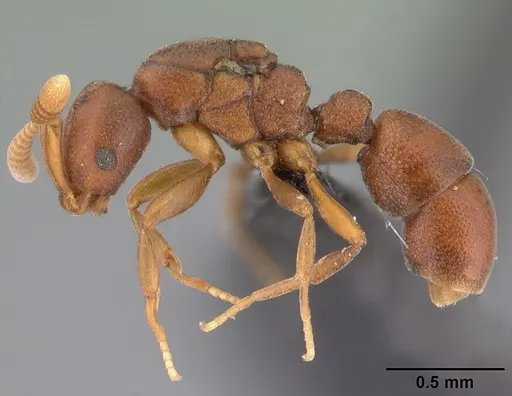
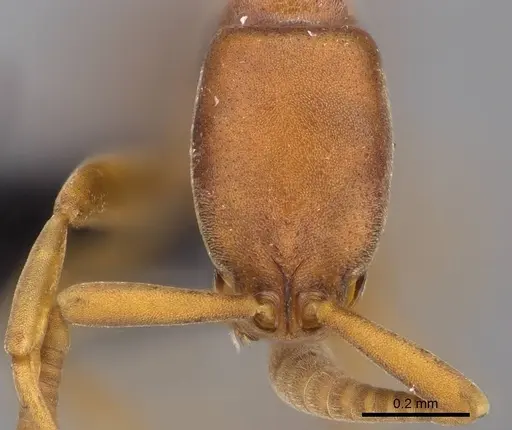
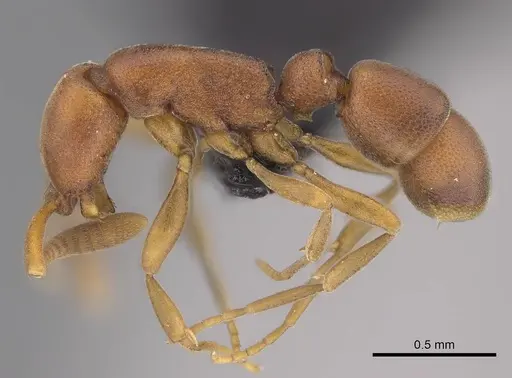
Probolomyrmex curculiformis is a tiny ant species described from western Madagascar in 2014. Workers have an extremely elongated, narrow head that resembles a weevil, from which the species gets its name. They are completely blind with no eyes, and their body is nearly hairless with only a few short hairs. The color ranges from orange to light brown with yellowish appendages. This species is suspected to be hypogaeic (subterranean), living underground in soil . The natural history of Probolomyrmex curculiformis is completely unknown - no one has ever observed their colony structure, founding behavior, diet, or anything about how they live. They are rarely encountered, which is likely due to their subterranean lifestyle .
Quick Summary
- Difficulty: Expert
- Origin & Habitat: Western Madagascar, patchily distributed from Tsimanampetsotsa and Amboasary south to Anabohazo in the northwest. Found in tropical dry forest and spiny forest habitats at very low elevations of 20-130 meters [1][2].
- Colony Type: Unknown, colony structure has never been documented. Based on Proceratiinae patterns, likely single-queen colonies, but this is unconfirmed.
- Size & Growth:
- Queen: size data unavailable
- Worker: size data unavailable
- Colony: Unknown, no colony size data exists [1][2].
- Growth: Unknown, no growth data exists [1][2].
- Development: Unknown, no development data exists. Based on typical Proceratiinae patterns, development may take 6-10 weeks at warm temperatures, but this is purely estimated. (Development timeline is completely unstudied.)
- Antkeeping:
- Temperature: Unknown, no thermal data exists. Based on their habitat in tropical dry forest, they likely prefer warm conditions around 24-28°C. Start in this range and observe colony activity [1][2].
- Humidity: Unknown, no humidity data exists. Based on suspected subterranean lifestyle, they likely prefer moderate humidity with some dry areas. Keep substrate moist but not waterlogged [1][2].
- Diapause: Unknown, no seasonal data exists [1][2].
- Nesting: Natural nesting is unknown but suspected to be hypogaeic. In captivity, use a small test tube setup or a plaster nest with moist substrate. Provide minimal disturbance [1][2].
- Behavior: Completely unstudied. Based on morphology (no eyes, reduced pilosity), they are likely slow-moving, cryptic foragers that navigate by touch and chemical cues. They have a well-developed stinger for defense. Their tiny size means escape prevention must be excellent [1][2].
- Common Issues: completely unknown biology makes captive care extremely challenging, no established protocols exist., tiny size means escape prevention must be excellent, even standard test tube setups may have gaps., no dietary information exists, what to feed is completely unknown., colony size and growth rate are unknown, keepers cannot assess if their colony is developing normally., no confirmed successful captive breeding has been documented., subterranean lifestyle means they may be extremely sensitive to light and disturbance.
Why This Species Is So Challenging
Probolomyrmex curculiformis is one of the most poorly documented ant species in the world. The original species description was published in 2014,and since then virtually no biological research has been conducted on this ant. This means there is no information about how they form colonies, what they eat, how fast they grow, how many workers a mature colony has, whether they prefer single or multiple queens, or when they have nuptial flights. The researchers who described them suspect they are subterranean based on their complete lack of eyes and the way they were collected, but no one has ever observed a live colony. This makes them perhaps the most difficult ant species to keep in captivity, you are essentially pioneering all husbandry techniques from scratch with no guidance. Only expert antkeepers with extensive experience should attempt this species [1][2].
Identification and Morphology
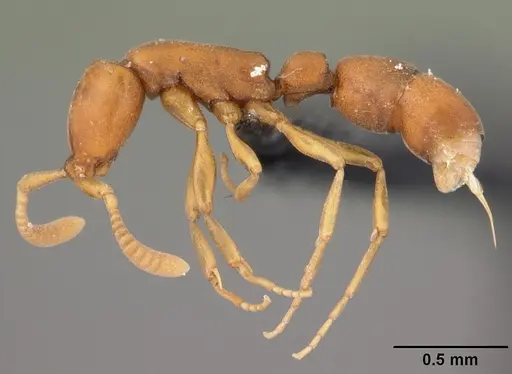
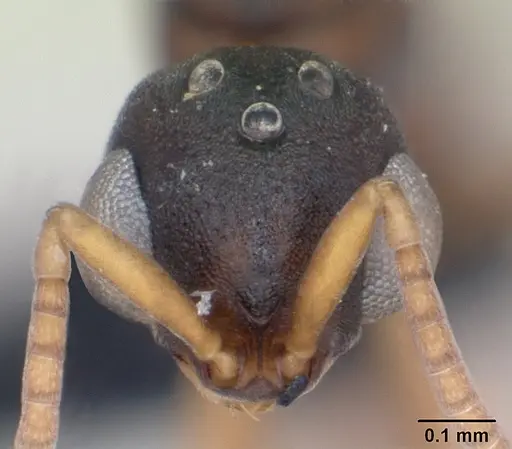
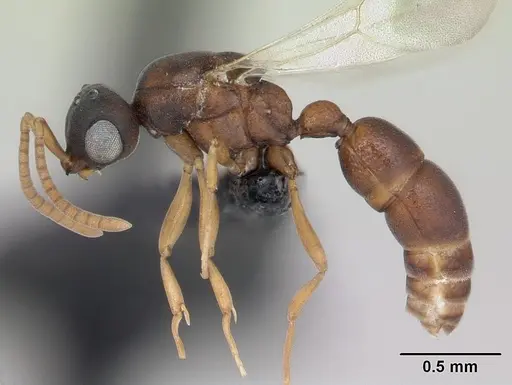
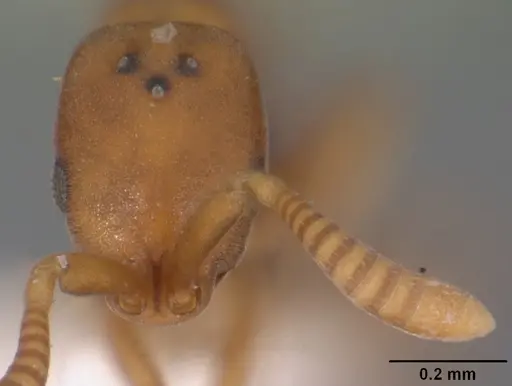
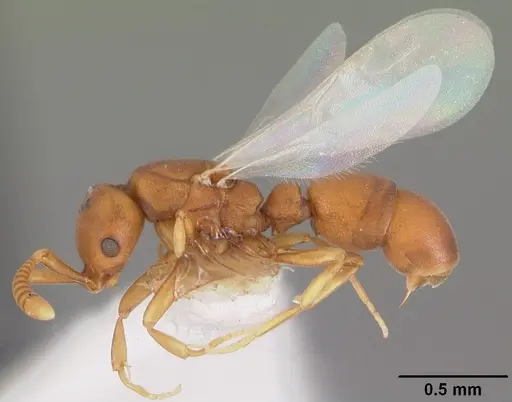
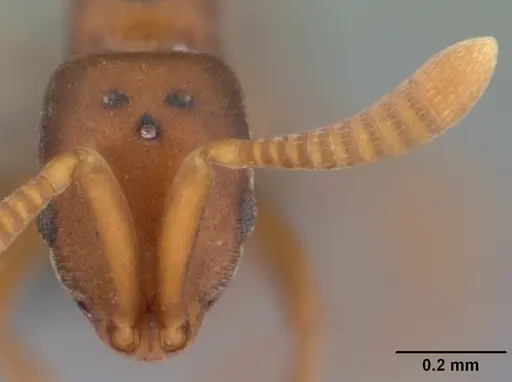
This species is unmistakable among Malagasy Probolomyrmex due to its extremely elongated head, about 1.5 to 1.6 times longer than wide, which gives it a weevil-like appearance. Workers are minute, with no eyes at all, confirming they live in darkness underground. Their antennae have 12 segments without a distinct club. The mesosoma is slender and long with a flat outline, and notably lacks both the promesonotal suture and metanotal groove. The petiole is short, high, and strongly arched with a well-developed subpetiolar process underneath. They have a very long, well-developed stinger. Their body has very few hairs, mostly just some short ones near the frontoclypeal shelf and around the metapleural gland. The body color is orange to light brown with yellowish legs and antennae [1][2].
Distribution and Habitat
Probolomyrmex curculiformis is known only from western Madagascar, where it has a patchy distribution from the southern localities of Tsimanampetsotsa and Amboasary north to Anabohazo in the northwest. All collection localities are in tropical dry forest or spiny forest habitats at very low elevations between 20 and 130 meters above sea level. Despite being widely distributed geographically, they are extremely rarely encountered. The researchers who described them believe this is because they are not true leaf-litter inhabitants but rather hypogaeic (subterranean) species, living underground in soil. The specimens that have been studied were collected accidentally when researchers sifted leaf litter and soil together [1][2].
Tentative Care Recommendations
Since absolutely no captive husbandry information exists for this species, any care advice is highly speculative and based on educated guesses from related species and their suspected biology. Based on their suspected subterranean lifestyle and Madagascar's warm climate: Keep them at 24-28°C with a gentle gradient. Humidity should be moderate, keep the substrate moist but allow some drying between waterings. Given their tiny size, use the smallest possible test tube setup or a plaster nest with very narrow chambers. For substrate, use fine, moist soil. Since they are blind and likely navigate by chemical cues, minimize light exposure and avoid disturbing the colony. Feed them the smallest possible prey items, pinhead crickets, springtails, or fruit flies may be appropriate. Sugar water might be accepted but is unconfirmed. The most important rule is to document everything, because you are pioneering the husbandry of a species that has never been kept in captivity before [1][2].
Frequently Asked Questions
How do I keep Probolomyrmex curculiformis ants?
This is extremely challenging because their biology is completely unknown. No established husbandry protocols exist. Based on speculation, use a tiny test tube setup at 24-28°C with moist substrate. Only expert antkeepers should attempt this species, you will be discovering everything through your own experimentation [1][2].
What do Probolomyrmex curculiformis eat?
Unknown, their diet has never been studied. Based on related Proceratiinae, they are likely predators or omnivores. Offer tiny live prey like springtails, pinhead crickets, or fruit flies. Sugar water acceptance is unconfirmed. Document any feeding observations carefully [1][2].
How big do Probolomyrmex curculiformis colonies get?
Unknown, no colony size data exists. Even the maximum colony size in the wild is undocumented. Expect very small colonies given their tiny worker size [1][2].
Do Probolomyrmex curculiformis ants sting?
Yes, they have a very long, well-developed stinger for their size [1][2].
Are Probolomyrmex curculiformis good for beginners?
No, absolutely not. This is one of the most difficult ant species to keep because their complete biology is unknown, no captive breeding has been documented, and there are no established care protocols. Only very experienced antkeepers should attempt this species [1][2].
How long does it take for Probolomyrmex curculiformis to develop from egg to worker?
Unknown, no development data exists. Based on typical Proceratiinae patterns and their tiny size, development may take 6-10 weeks at warm temperatures, but this is purely an estimate with no direct evidence [1][2].
Do Probolomyrmex curculiformis need hibernation?
Unknown, no seasonal data exists. Madagascar has mild winters, so they may not require a true hibernation period. A slight cool-down during the dry season may be appropriate but is unconfirmed [1][2].
Can I keep multiple Probolomyrmex curculiformis queens together?
Unknown, colony structure has never been documented. Do not attempt combining unrelated queens without documentation of their social behavior [1][2].
Why are Probolomyrmex curculiformis so rarely kept?
They are one of the most recently described ant species (2014), have an unknown biology, and are suspected to be subterranean (living underground). They have never been observed in the wild by antkeepers, so captive colonies essentially do not exist. Their tiny size also makes them extremely difficult to find and collect [1][2].
What makes Probolomyrmex curculiformis unique?
They have one of the most elongated heads relative to body size of any ant, giving them a weevil-like appearance. They are completely blind with no eyes. They are among the smallest ants in the world. Their biology is completely unknown, literally everything about how they live, eat, and reproduce is a mystery [1][2].
Report an Issue
The current care sheet is based fully on literature. See inconsistencies, or something that's incorrect? Please , it will be resolved after review from an admin. Contributing to the blogs tab also helps providing information, to make us be able to further improve the caresheets. Thank you for your support!
References

This caresheet is licensed under CC BY-SA 4.0 .
Community Blogs
CASENT0004401
View on AntWeb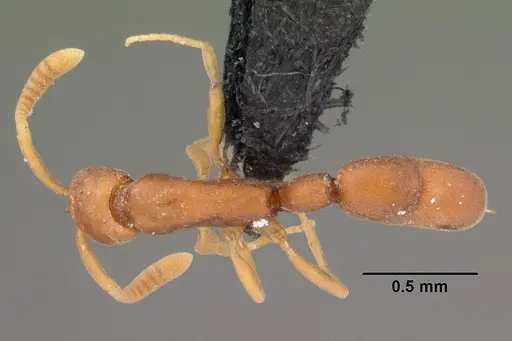

CASENT0050214
View on AntWeb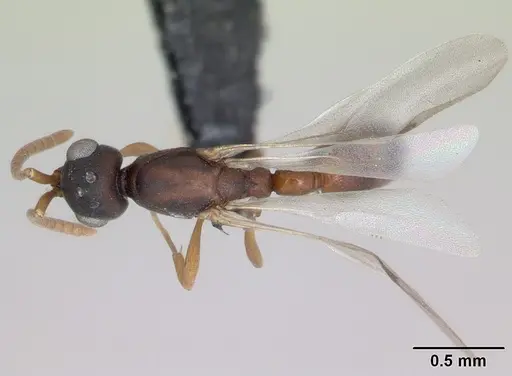
CASENT0080551
View on AntWeb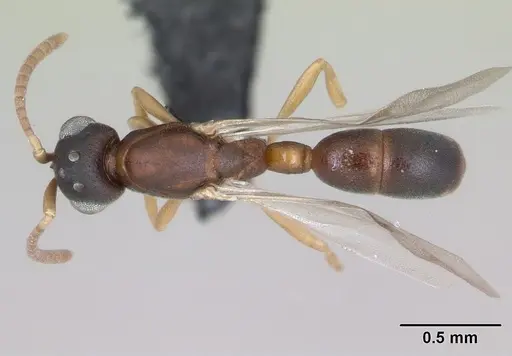
CASENT0102226
View on AntWeb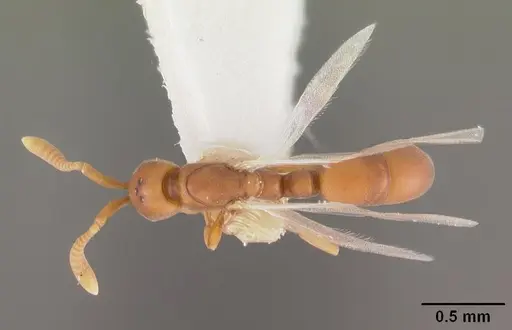
CASENT0465467
View on AntWeb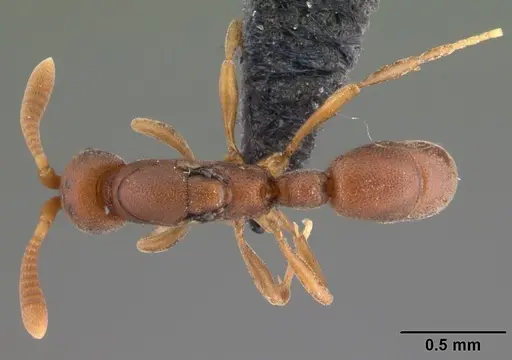
CASENT0469570
View on AntWeb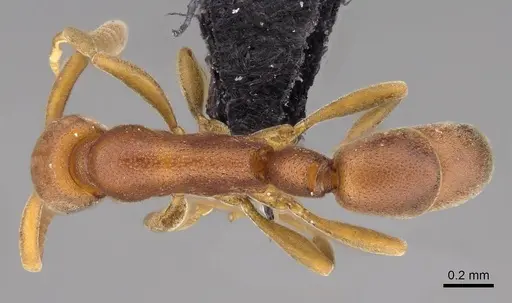
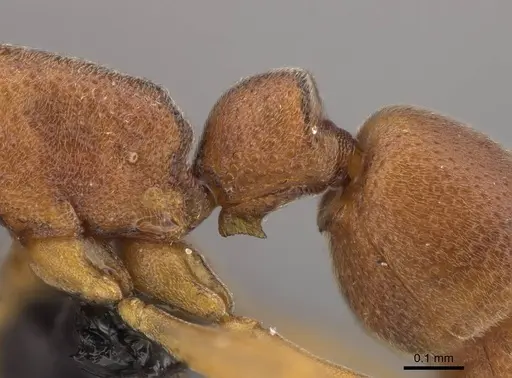
CASENT0525318
View on AntWeb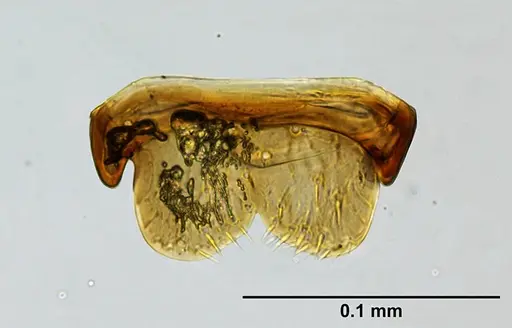
Literature
Loading distribution map...Loading products...