
Probolomyrmex brujitae
- Sci. Name
- Probolomyrmex brujitae
- Tribe
- Probolomyrmecini
- Subfamily
- Proceratiinae
- Author
- Agosti, 1995
- Distribution
- Found in 4 countries
Introduction
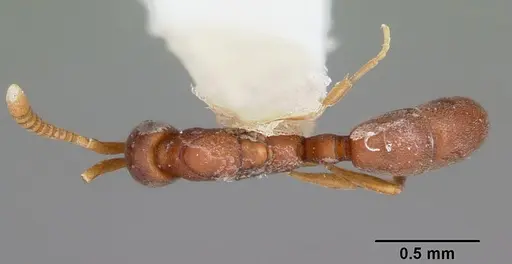
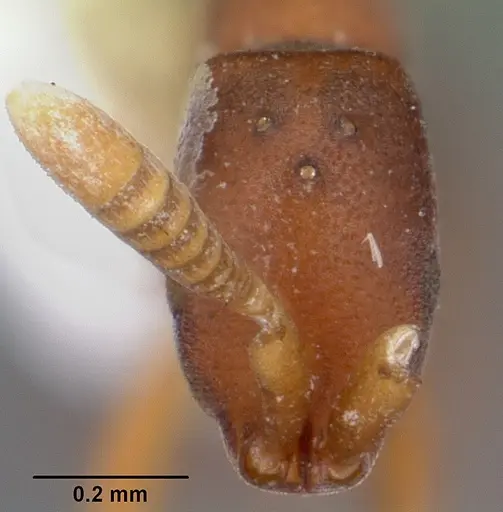
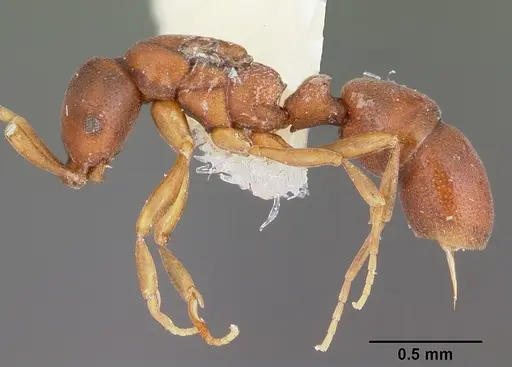
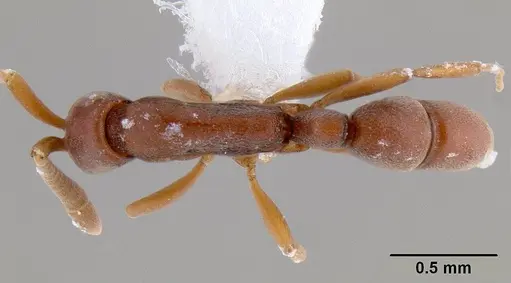
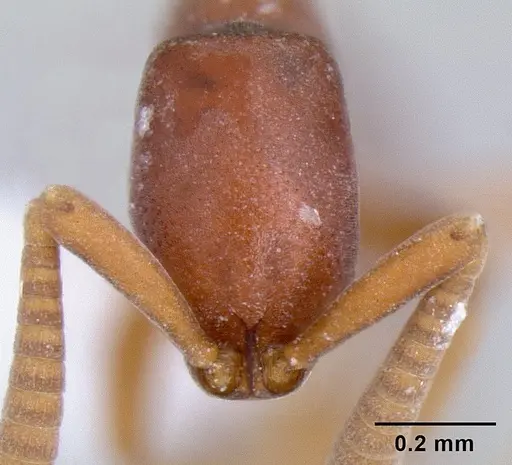
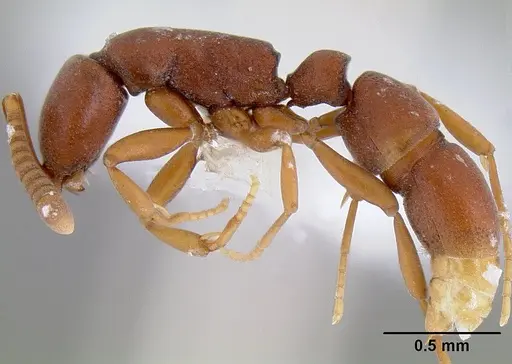
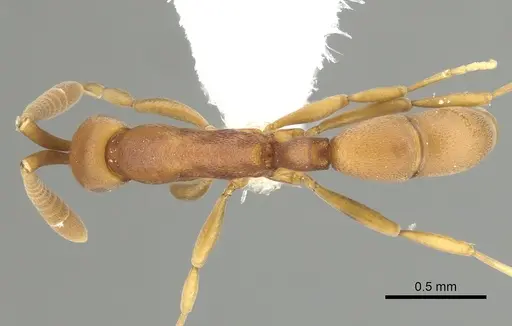
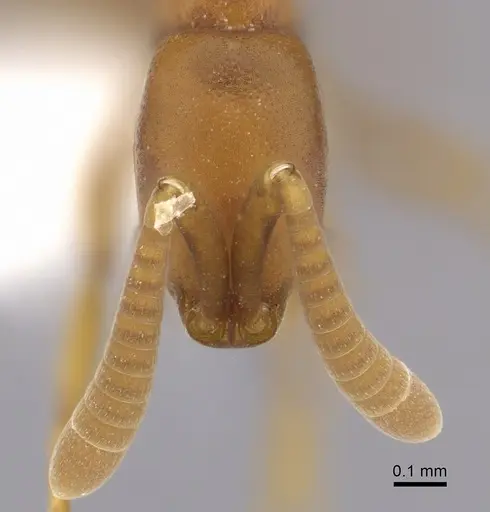
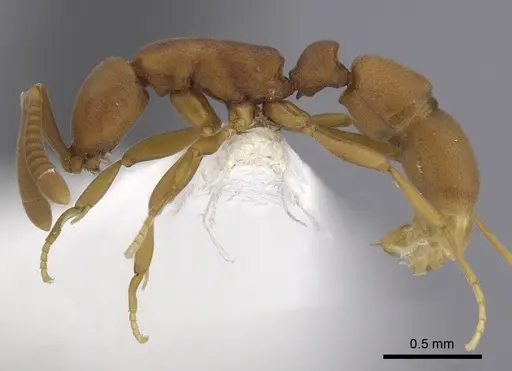
Probolomyrmex brujitae is a tiny ant species, with workers measuring about 2.17-2.41 mm in total length and queens about 2.21-2.28 mm . They belong to the subfamily Proceratiinae and are found only in the Yungas forests of northwestern Argentina . An unconfirmed record from Brazil likely belongs to a different, undescribed species . These ants are among the rarest in the antkeeping hobby due to their limited distribution and cryptic, leaf-litter lifestyle. Their head and antennal scapes are short, and they have a weakly developed subpetiolar process that points forward – a feature that helps separate them from related species . Because so little is known about their biology, they are a challenging species for even expert keepers.
Quick Summary
- Difficulty: Expert
- Origin & Habitat: Endemic to the Yungas forests of northwestern Argentina, specifically the premontane forest zone at 300-600 m altitude. The type specimens were collected from sifted leaf litter in secondary Yungas forest at 460 m elevation in Jujuy province [2].
- Colony Type: Colony structure is unconfirmed. Only a handful of specimens have ever been documented.
- Size & Growth:
- Antkeeping:
- Temperature: Unconfirmed. Based on their Yungas premontane forest origin (300-600 m altitude in subtropical Argentina), they likely prefer moderate temperatures around 18-24°C. Avoid overheating.
- Humidity: Unconfirmed. As a leaf-litter species from the Yungas, they likely require high humidity (aim for consistently moist substrate, not waterlogged).
- Diapause: Unknown. The Yungas region does experience a cool season, so a mild winter rest period at 15-18°C for 2-3 months might be beneficial, but this is speculative.
- Nesting: No captive data exists. In the wild, they are found in leaf-litter samples, suggesting they nest in small cavities within decaying wood, under bark, or in dense forest floor debris. A small test tube setup or a naturalistic setup with fine, moist substrate would be the most conservative starting point.
- Behavior: Behavior in captivity is completely unstudied. Based on related Proceratiinae, they are likely predaceous on tiny arthropods and may have a docile temperament. Their tiny size makes escape prevention critical – they can squeeze through standard mesh. No information on sting potency exists, but given their minute size, any sting would be negligible to humans.
- Common Issues: no captive breeding data exists – this is one of the least-studied ant species in the hobby, tiny size makes escape prevention extremely difficult – standard barriers will not contain them, high humidity requirements can lead to mold problems if ventilation is inadequate, wild-caught colonies may have parasites that are difficult to treat without species-specific knowledge, complete lack of information on founding behavior makes colony establishment very risky
Why This Species Is So Challenging
Probolomyrmex brujitae is one of the most poorly documented ant species in the hobby. Unlike common species like Camponotus or Lasius that have decades of captive breeding experience, this species has virtually no captive data. Only a handful of specimens have ever been collected in the wild, all from leaf-litter samples in the Yungas forests of Argentina [2][1]. This means there are no established care protocols, no documented development timelines, and no known successful captive colonies to reference. Every aspect of keeping this species would be experimental. For this reason, it is not recommended for anyone except the most advanced antkeepers who have the resources to conduct careful experiments. Success would be far from guaranteed.
Natural History and Distribution
This species is endemic to the Yungas of Argentina, making it one of only two ant species restricted to the first floor (premontane zone,300-600 m altitude) of the Yungas forest [2]. The Yungas is a unique subtropical forest ecosystem running along the eastern slopes of the Andes in northwestern Argentina. The type locality is in Jujuy province at approximately 460 m elevation, in an area called Aguas Blancas-Yaculica. There is an unconfirmed record from Bahia, Brazil, but examination of that specimen suggests it may represent a different, undescribed species [1]. All known specimens have been collected using Winkler bags – a method where sifted leaf litter is placed in fabric bags to extract tiny invertebrates. This tells us they live deep within the forest floor debris, not in exposed locations.
Taxonomy and Identification
Probolomyrmex belongs to the subfamily Proceratiinae. Recent phylogenetic studies have shown it is nested within the genus Proceratium [3][4]. Probolomyrmex is distinguished from other Proceratiinae by several features: very small size (workers under 3 mm total length), short antennal scapes that do not reach the back of the head, and a weakly developed subpetiolar process. Probolomyrmex brujitae specifically can be identified by its uniquely weak, anteriorly directed subpetiolar process and the long, subquadrate postero-ventral lobe of the petiole [1]. These features are visible only under significant magnification and require expertise to distinguish from related species.
Housing and Setup Recommendations
Since there is no captive data for this species, any recommendations are speculative and based on general principles for tiny leaf-litter ants. A small test tube setup would be the safest starting point – use a narrow diameter tube (around 10 mm or less) to accommodate their minute size. The water reservoir should be small to prevent flooding, and cotton should be packed firmly. Alternatively, a small naturalistic setup with a very shallow layer of moist substrate (2-3 cm) would mimic their natural leaf-litter environment. Because of their tiny size, escape prevention is absolutely critical. Standard mesh will not contain them – you would need to use fine mesh (like 0.5 mm or tighter) or petroleum jelly barriers on smooth surfaces. Place the setup in a dark, quiet location as they likely prefer dim conditions. Do not expose them to direct light or vibrations.
Feeding and Diet
The diet of Probolomyrmex brujitae in captivity is completely unstudied. In the wild, Proceratiinae ants are typically predaceous, hunting small arthropods. Given their minute size (workers around 2 mm), they would likely target very small prey such as springtails, booklice, and tiny mites. It is unlikely they would accept large prey items. Sugar sources are not typically important for Proceratiinae, as they are primarily predatory. If you attempt to keep this species, offering small live prey (like springtails) would be the most logical starting point. However, getting them to accept any food in captivity would be a significant achievement given the complete lack of prior documentation.
Frequently Asked Questions
Is Probolomyrmex brujitae available in the antkeeping hobby?
No, this species is essentially unavailable in the hobby. It is endemic to a very limited region in Argentina, extremely rare even in the wild, and has never been documented in captive breeding. Finding a colony would be nearly impossible.
How big do Probolomyrmex brujitae colonies get?
The maximum colony size is completely unknown. Only single specimens and very small samples have ever been collected. Based on their tiny size, they likely never reach more than a few dozen workers even in the wild.
What do Probolomyrmex brujitae eat?
This is unconfirmed, but based on related Proceratiinae ants, they are likely predaceous on tiny arthropods like springtails and mites. They probably do not need sugar sources. No captive feeding data exists.
Do Probolomyrmex brujitae ants sting?
Proceratiinae ants do have stingers, but given the minute size of this species (around 2 mm), any sting would be negligible to humans – if they can even penetrate human skin. No documentation of sting potency exists for this species.
What temperature and humidity do they need?
Temperature and humidity requirements are completely unconfirmed. Based on their origin in the Yungas premontane forest (300-600 m altitude in subtropical Argentina), moderate temperatures around 18-24°C and high humidity (aim for consistently moist substrate) would be reasonable starting points. Avoid overheating and drying out.
Can beginners keep Probolomyrmex brujitae?
Absolutely not. This is one of the most challenging and data-deficient species possible. There is no captive breeding information, no established protocols, and no prior success stories to reference. Even expert keepers would struggle with this species. It should only be attempted by specialists working with rare species.
Do they need hibernation?
Diapause requirements are completely unknown. The Yungas region does experience a cooler season, so a mild winter rest at 15-18°C for 2-3 months might be beneficial, but this is entirely speculative. No documented overwintering behavior exists for this species.
How do I start a Probolomyrmex brujitae colony?
Starting a colony would be extremely difficult since they are not available in the hobby and founding behavior is unstudied. If you were to obtain a queen, you would need to guess at claustral founding (queen seals herself in and raises first workers alone) based on Proceratiinae patterns. However, this is purely speculative – the actual founding behavior of this species has never been documented.
Are Probolomyrmex brujitae aggressive?
Aggression levels are unstudied in captivity. Based on general Proceratiinae behavior, they are likely docile and non-aggressive. This is inference from related species, not direct observation.
Why is so little known about this species?
Probolomyrmex brujitae is one of the rarest ant species documented. They live exclusively in the Yungas forest floor, are extremely small (around 2 mm total length), and have only been collected a handful of times using specialized leaf-litter extraction methods [2]. They have no economic importance and have attracted minimal research attention. This combination of factors means fundamental biology like colony structure, diet, and development remains completely unknown.
Report an Issue
The current care sheet is based fully on literature. See inconsistencies, or something that's incorrect? Please , it will be resolved after review from an admin. Contributing to the blogs tab also helps providing information, to make us be able to further improve the caresheets. Thank you for your support!
References

This caresheet is licensed under CC BY-SA 4.0 .
Community Blogs
Literature
Loading distribution map...Loading products...