
Probolomyrmex boliviensis
- Sci. Name
- Probolomyrmex boliviensis
- Tribe
- Probolomyrmecini
- Subfamily
- Proceratiinae
- Author
- Mann, 1923
- Distribution
- Found in 9 countries
Introduction
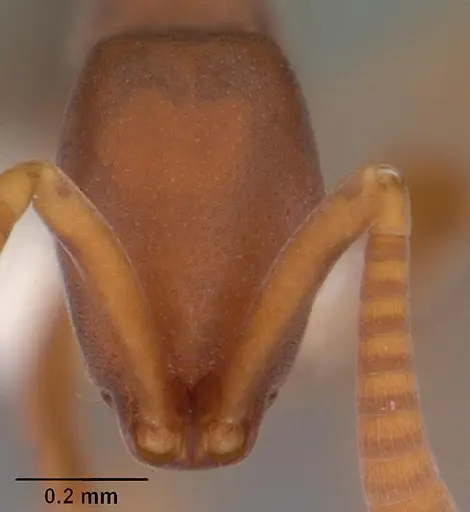
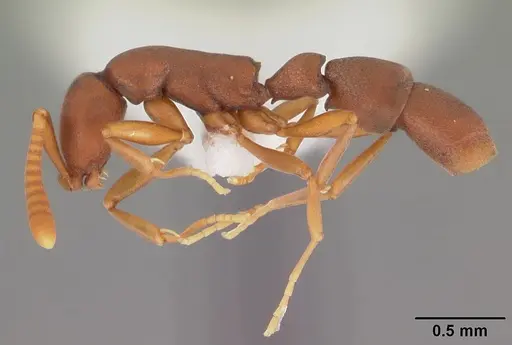
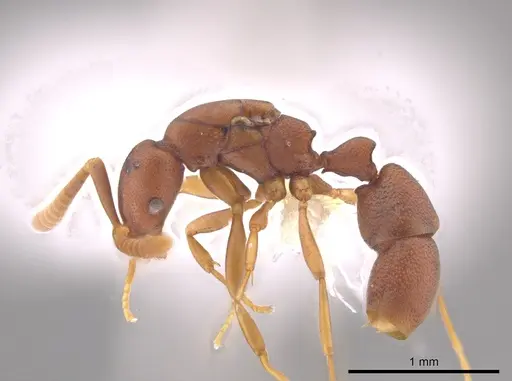
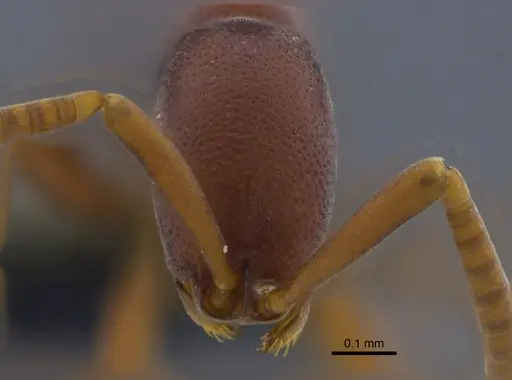
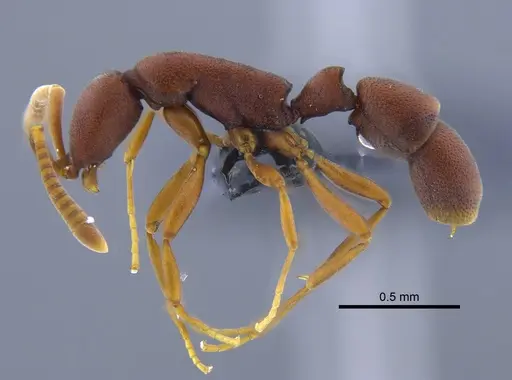
Probolomyrmex boliviensis is a rare ant species found in rainforests of northern South America, from Panama to Bolivia . Workers are small, with a total length of 2.78-3.27 mm, and have long antennal scapes and a distinctly sculpted body . Queens are dealated (wingless) and measure about 2.8 mm . This species is notable for being the only member of its genus with substantial biological study . What makes it unusual is its behavior: larvae are suspended from the nest ceiling by specialized tubercles, and workers are solitary hunters that refused all prey in laboratory observations .
Quick Summary
- Difficulty: Expert
- Origin & Habitat: Rainforests of northern South America, including Panama, Costa Rica, Honduras, Colombia, Brazil, Peru, and Bolivia [1]. Found at elevations from sea level to 1610 m, typically in rotting wood or under stones [4][3].
- Colony Type: Polygynous (multiple queens), a colony with 7 queens was documented [1].
- Size & Growth:
- Antkeeping:
- Temperature: Keep warm, around 24-28°C, as this is a tropical species [1].
- Humidity: Keep nest substrate consistently moist but not waterlogged, based on their rainforest habitat [1].
- Diapause: Unknown, no data on diapause requirements
- Nesting: Natural nesting occurs in rotting wood galleries [1]. Use plaster or soil nests with small chambers, avoid acrylic nests.
- Behavior: Workers are active and excitable, running rapidly when disturbed [1]. They are shy and retreat from threats. Escape risk is high due to small size (under 4 mm), so ensure tight nest seals. They have a well-developed sting, but impact on humans is minimal due to size [1].
- Common Issues: this species refused all prey in lab observations, feeding may be impossible to replicate, only one colony has been kept in captivity and died within 6 days, long-term survival is unproven, extremely rare in the wild, finding or transporting colonies is difficult, unique larval hanging behavior requires specific nest conditions we don't fully understand
Nest Preferences and Housing
In the wild, Probolomyrmex boliviensis nests in old beetle galleries within rotting wood partially buried in soil [1]. A studied colony occupied about 3 cm of a gallery 6-10 mm in diameter [1]. For captivity, use damp rotting wood or a plaster nest with small chambers. Maintain high humidity but ensure ventilation to prevent mold. They prefer darkness, as they are cryptic forest-floor ants [1].
Feeding and Diet
Feeding is a major challenge. In lab observations, the colony refused all prey offered, including springtails, spiders, flies, beetles, and termites [1]. They retreated from prey rather than attacking it. This suggests a highly specialized diet that may be impossible to replicate. Do not expect to keep this species successfully without research-level resources [1].
Behavior and Colony Dynamics
Workers are very active and excitable, running nervously when disturbed [1]. They constantly groom themselves and nestmates. The colony is shy and retreats from threats. One queen was carried by a worker in a pupal posture [1]. Workers take about 5 days to fully color after emergence [1].
Brood Development
Larvae and pharate pupae are suspended from the nest ceiling by abdominal tubercles, hanging head downwards [1]. Eggs and pupae are normally on the floor but may attach to the ceiling under moist conditions. Workers constantly attend to larvae [1].
Temperature and Seasonal Care
As a tropical species, keep temperatures at 24-28°C year-round [1]. No diapause is required, but this is unconfirmed. Maintain stable warmth without fluctuations [1].
Frequently Asked Questions
Can I keep Probolomyrmex boliviensis as a pet?
No, this species is not recommended for antkeepers. Only one colony has been kept in captivity, and it died within 6 days. The ants refused all prey, making feeding nearly impossible [1].
What do Probolomyrmex boliviensis eat?
Unknown. In lab observations, they refused all prey offered, including springtails, spiders, and beetles [1]. This suggests a specialized diet that is difficult to replicate.
How long do colonies live?
Unknown. The only documented captive colony survived only 6 days [1]. No data on natural lifespan exists.
Do they sting?
Yes, they have a well-developed sting [1]. However, due to their small size, the sting is unlikely to significantly impact humans.
Are they good for beginners?
No, this is an expert-only species. The only captive attempt failed quickly, and there is no reliable care information [1].
How big do colonies get?
Likely small. The only observed wild colony had up to 22 workers [1].
Where are they found?
Rainforests of northern South America, from Panama to Bolivia, at elevations up to 1610 m [1][4][5].
What makes them unique?
Larvae hang from the nest ceiling by specialized tubercles, and workers are solitary hunters that refuse prey [1].
Can I catch a queen from the wild?
Extremely difficult. This species is rare and found in specific habitats, colonies are unlikely to survive transport [1].
Do they need hibernation?
No data exists, but as a tropical species, they likely do not require hibernation [1].
Report an Issue
The current care sheet is based fully on literature. See inconsistencies, or something that's incorrect? Please , it will be resolved after review from an admin. Contributing to the blogs tab also helps providing information, to make us be able to further improve the caresheets. Thank you for your support!
References

This caresheet is licensed under CC BY-SA 4.0 .
Community Blogs
CASENT0101757
View on AntWeb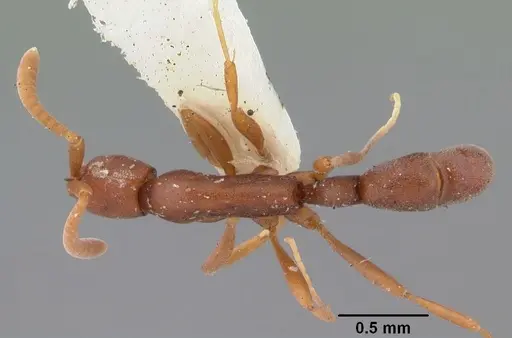
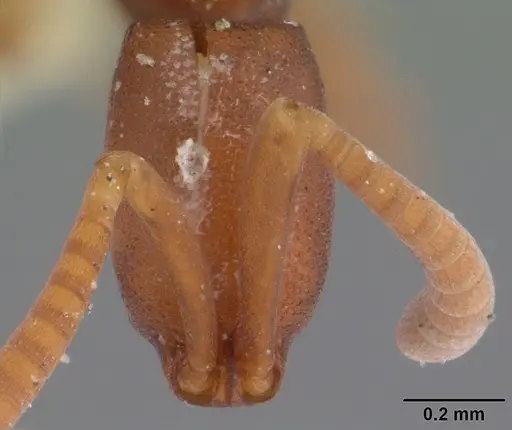
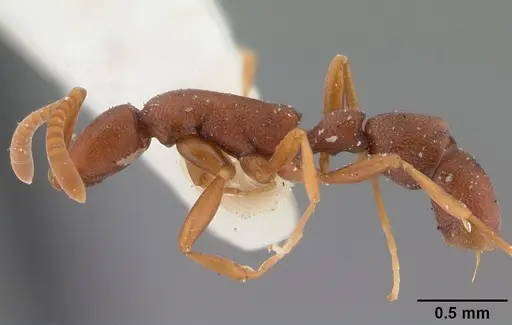
CASENT0102223
View on AntWeb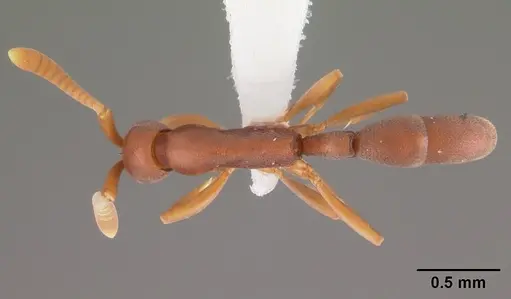
CASENT0648707
View on AntWeb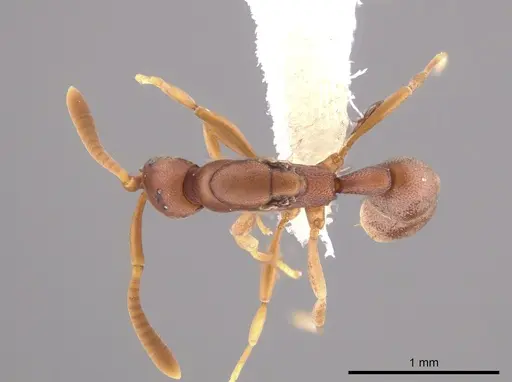
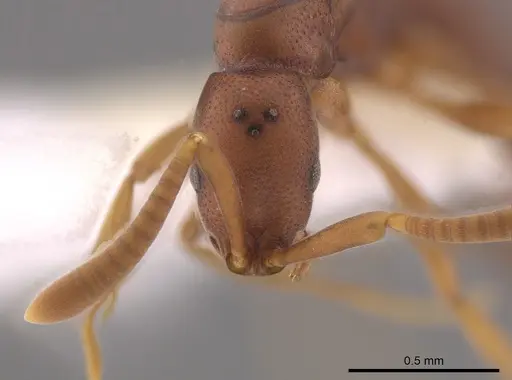
CBUMAGENT41774
View on AntWeb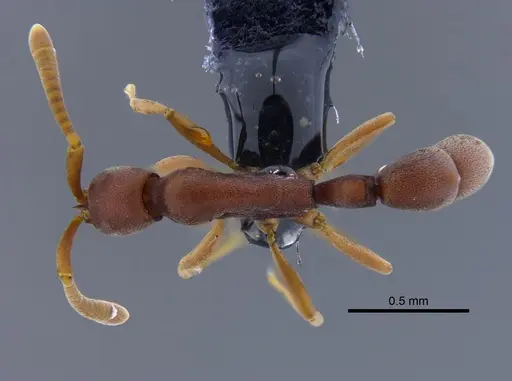
Literature
Loading distribution map...Loading products...