
Pristomyrmex trachylissus
- Sci. Name
- Pristomyrmex trachylissus
- Tribe
- Crematogastrini
- Subfamily
- Myrmicinae
- Author
- Smith, 1858
- Distribution
- Found in 1 countries
Introduction
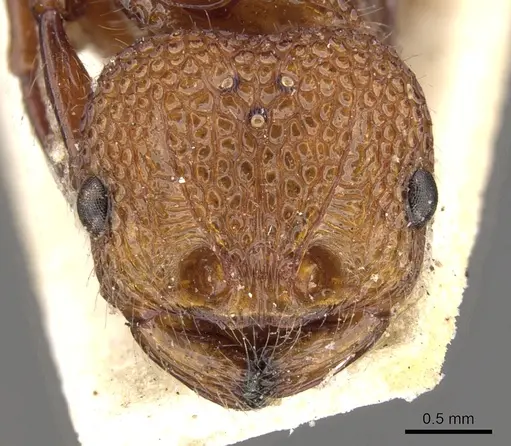
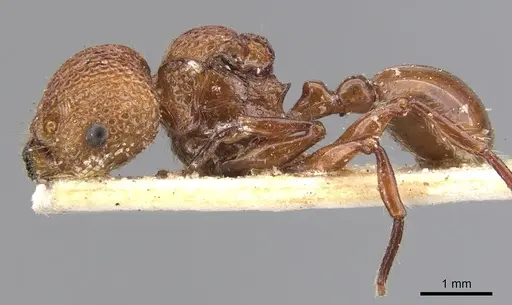
Pristomyrmex trachylissus is a large ant species native to Southeast Asian rainforests. Workers measure 5.58-6.48 mm in total length, and queens are larger at 7.55 mm . They have reddish-brown bodies with darker mandibles and antennae, and feature long pronotal spines that are about as long as the distance between their bases . The mandibles have five teeth, which helps distinguish them from similar species like Pristomyrmex bicolor . This species is found in Borneo, Indonesia, Malaysia, and southern Thailand, typically nesting in rotting wood in rainforest habitats .
Quick Summary
- Difficulty: Medium
- Origin & Habitat: Found in rainforest habitats across the Indomalaya region, specifically Borneo, Indonesia (Java, Sumatra), Malaysia, and southern Thailand. Collected from rotting logs in lowland forest areas [3][2].
- Colony Type: Colony structure is unconfirmed. No scientific literature documents queen number or social structure for this species.
- Size & Growth:
- Queen: 7.55 mm [1]
- Worker: 5.58-6.48 mm [1]
- Colony: Unknown, no colony size data available
- Growth: Unknown, no development data available
- Development: Estimated 6-10 weeks based on typical Myrmicinae development at tropical temperatures (This is an estimate, no species-specific development data exists.)
- Antkeeping:
- Temperature: Keep warm, around 24-28°C, as inferred from their rainforest habitat [2].
- Humidity: Keep the nest substrate consistently moist but not waterlogged, as they are rainforest species [2].
- Diapause: No, as a tropical species, they do not require hibernation. Maintain warm temperatures year-round.
- Nesting: Prefer moist nests like Y-tong (AAC) or plaster, mimicking their natural rotting wood habitat [2].
- Behavior: Workers are active foragers with strong mandibles. Based on Pristomyrmex genus patterns, they are likely predatory or omnivorous. Escape risk is moderate due to their size, use standard barriers.
- Common Issues: high humidity maintenance is critical, dry conditions will kill colonies quickly, stable warm temperatures are needed year-round, fluctuations can stress the colony, limited availability in the antkeeping hobby means established husbandry guidelines are scarce, wild-caught colonies may harbor parasites or struggle to adapt to captive conditions
Housing and Nest Setup
Pristomyrmex trachylissus requires a humid, warm enclosure that mimics their natural rainforest rotting wood habitat. A Y-tong (acrylic and cotton) nest works well, the acrylic provides visibility while the cotton holds moisture. Alternatively, a plaster nest or naturalistic setup with damp soil and rotting wood pieces can replicate their natural conditions. The outworld should be humid as well, consider using a water tube for drinking water and occasional misting. Ensure the nest has multiple chambers so they can regulate their position based on humidity preferences. Escape prevention is straightforward since they are a moderately sized ant, but standard barriers like fluon on the rim of the formicarium are still recommended. [2]
Feeding and Diet
Pristomyrmex ants are likely predatory or omnivorous, based on related Pristomyrmex species patterns. Offer small live insects like fruit flies, pinhead crickets, and mealworms. Sugar sources like honey water or sugar water are likely accepted, offer these regularly alongside protein. Feed protein prey 2-3 times per week and keep a constant sugar water source available. Remove uneaten prey after 24-48 hours to prevent mold.
Temperature and Seasonal Care
As a tropical rainforest species from Southeast Asia, Pristomyrmex trachylissus requires warm temperatures year-round. Maintain the nest at 24-28°C with minimal temperature fluctuations. Room temperature alone may be insufficient depending on your climate, use a heating cable on one side of the nest to create a gentle gradient if needed. Unlike temperate species, they do not require hibernation or diapause. Consistent warmth is more important than seasonal temperature changes.
Handling and Temperament
These are moderately large ants with powerful mandibles. While not aggressive toward humans, they can deliver a noticeable bite if handled roughly or threatened. Their distinctive long pronotal spines make them visually striking and relatively easy to identify [1]. Workers are active foragers and will explore their outworld regularly. When caring for this species, avoid sudden movements near the nest and give them time to establish before regular observations.
Colony Establishment
If acquiring a queen or colony, expect a founding period of several months before the first workers emerge. Since founding behavior is unconfirmed for this species, assume claustral founding based on typical Myrmicinae patterns. Provide the queen with a moist test tube setup and keep it dark and undisturbed. Do not feed the founding queen, she should have sufficient stored reserves. Once workers emerge, gradually introduce small prey items and sugar water. Growth rate is estimated as moderate, but specific timelines are unknown for this species.
Frequently Asked Questions
How long does it take for Pristomyrmex trachylissus to produce first workers?
Exact development time is unknown, but based on typical Myrmicinae development at tropical temperatures, expect 6-10 weeks from egg to first worker. This is an estimate since no specific development data exists for this species.
What temperature do Pristomyrmex trachylissus ants need?
Keep them warm at 24-28°C year-round. As a tropical rainforest species from Southeast Asia, they need stable warm temperatures and do not tolerate cool conditions.
Do Pristomyrmex trachylissus ants need hibernation?
No, they do not require hibernation. As a tropical species, maintain warm temperatures throughout the year. They are active year-round in their native habitat.
What do Pristomyrmex trachylissus ants eat?
They are likely predatory or omnivorous. Offer small live insects (fruit flies, pinhead crickets, mealworms) and sugar sources (honey water, sugar water). Protein should be offered 2-3 times weekly with constant sugar water available.
How big do Pristomyrmex trachylissus colonies get?
Colony size is unknown, no scientific data exists on maximum colony size for this species. Based on worker size and related species, expect moderate-sized colonies.
Are Pristomyrmex trachylissus ants good for beginners?
This species is rated as Medium difficulty. While not the most challenging, their specific humidity and temperature requirements make them better suited for keepers with some experience. Their limited availability in the hobby also means established husbandry guidelines are scarce.
Can I keep multiple Pristomyrmex trachylissus queens together?
Colony structure is unconfirmed for this species. Combining unrelated queens is not recommended since this has not been documented and could result in aggression.
What type of nest is best for Pristomyrmex trachylissus?
A Y-tong (AAC) nest or plaster nest with good moisture retention works well. They naturally nest in rotting wood, so the nest material should hold humidity. Keep the nest consistently moist but not waterlogged.
Do Pristomyrmex trachylissus ants sting?
They have strong mandibles and may bite if threatened, but stings are not commonly reported. Their primary defense is their mandibles and their distinctive long spines which make them appear larger to predators. Based on subfamily Myrmicinae, they may use a smear defense mechanism with a modified stinger.
Where is Pristomyrmex trachylissus found in the wild?
They occur across the Indomalaya region, Borneo, Indonesia (Java, Sumatra), Malaysia, and southern Thailand. They live in rainforest habitats, typically nesting in rotting wood.
Report an Issue
The current care sheet is based fully on literature. See inconsistencies, or something that's incorrect? Please , it will be resolved after review from an admin. Contributing to the blogs tab also helps providing information, to make us be able to further improve the caresheets. Thank you for your support!
References

This caresheet is licensed under CC BY-SA 4.0 .
Community Blogs
CASENT0901717
View on AntWeb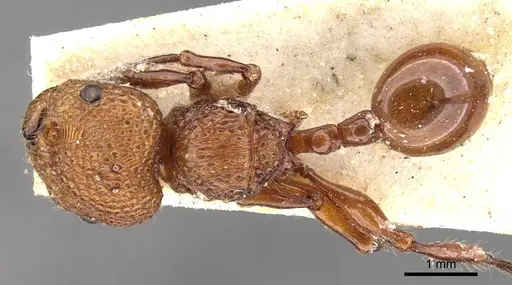
Literature
Loading distribution map...Loading products...