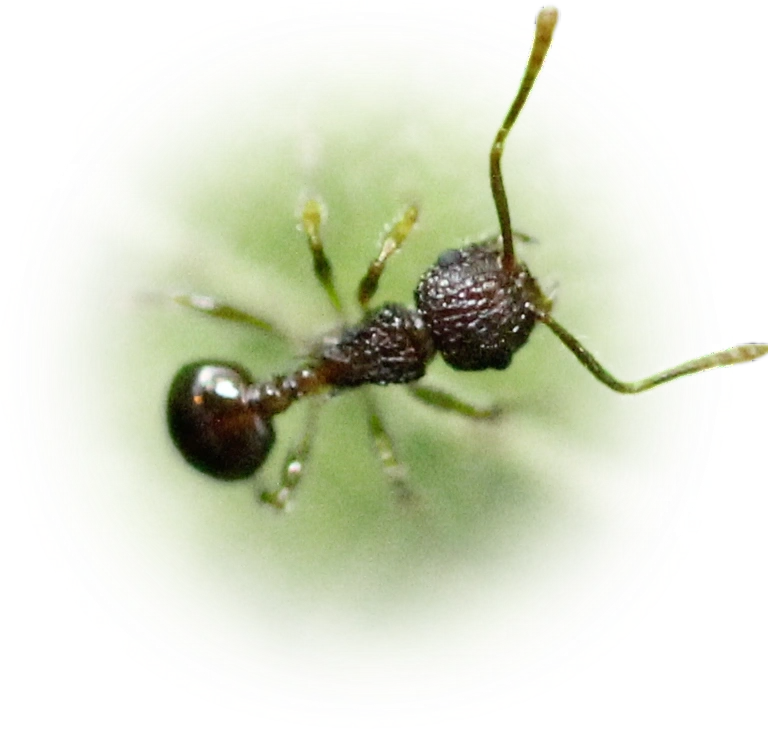
Japanese Queenless Ant
Pristomyrmex punctatus
- Sci. Name
- Pristomyrmex punctatus
- Tribe
- Crematogastrini
- Subfamily
- Myrmicinae
- Author
- Smith, 1860
- Common Name
- Japanese Queenless Ant
- Distribution
- Found in 5 countries
Introduction
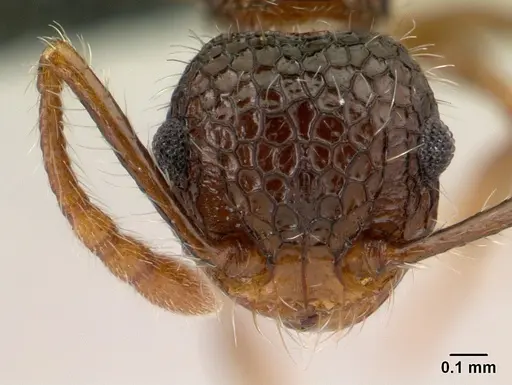
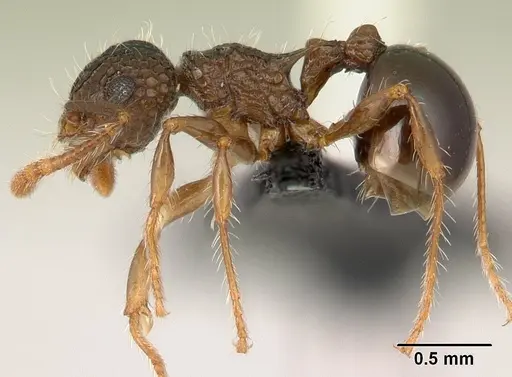
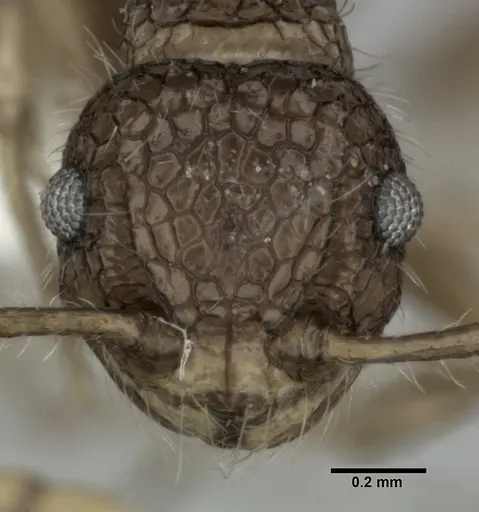
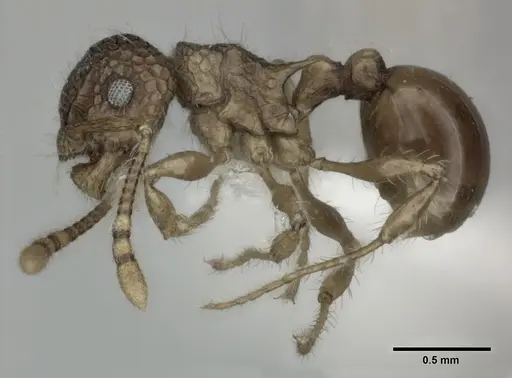
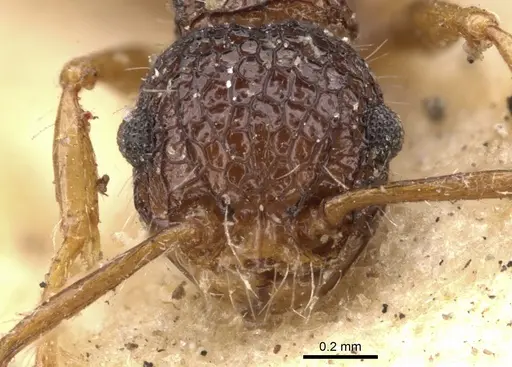
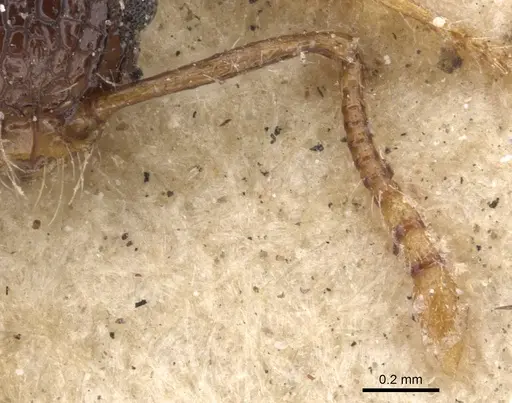
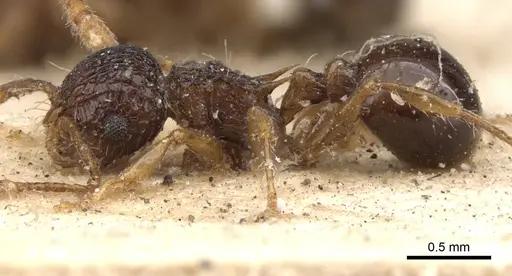
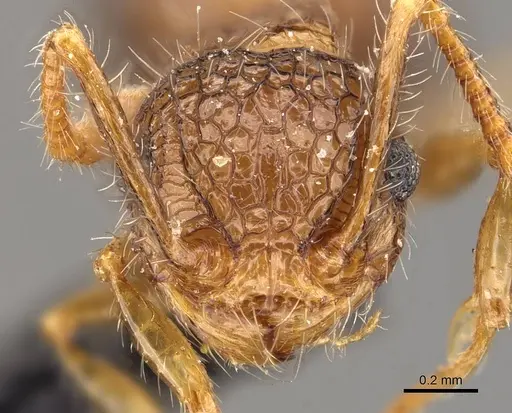
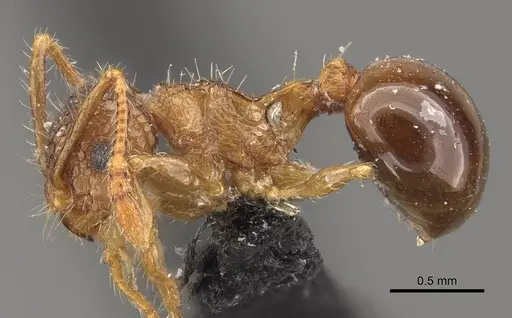
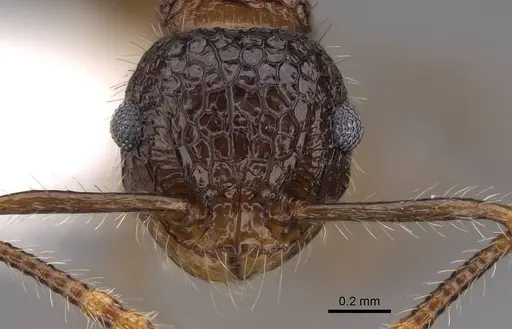
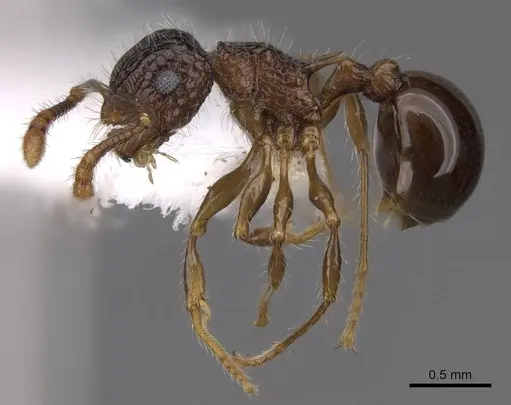
Pristomyrmex punctatus is a small, reddish-brown ant native to East and Southeast Asia, ranging from Japan and Korea through China to New Guinea . Workers have a heavily sculptured head and thorax covered in coarse reticulate punctures, and long propodeal spines . This species is unusual because it has lost the normal queen caste - workers reproduce through thelytokous parthenogenesis, meaning females can produce diploid offspring without mating . Colonies contain two worker types: younger intranidal workers that stay inside and lay eggs, and older extranidal workers that forage outside .
Quick Summary
- Difficulty: Medium
- Origin & Habitat: Native to East and Southeast Asia, found in Japan (Hokkaido to Ryukyu Islands), Korea, China, Taiwan, Philippines, Malaysia, Thailand, Vietnam, Singapore, Borneo, and New Guinea [1][2]. Prefers open, disturbed habitats and is commonly found in leaf litter, soil, and rotting wood in forests and urban areas [5].
- Colony Type: Queenless, all workers can reproduce via thelytokous parthenogenesis. Ergatoid (wingless) queens are rarely present but not required for reproduction [6][4].
- Size & Growth:
- Queen: Ergatoid queens, when present, measure up to 3.72 mm [6].
- Worker: Workers measure up to 3.3 mm based on total length [2].
- Colony: Up to 100,000 workers [6].
- Growth: Moderate to fast, colonies can grow large quickly once established.
- Development: Estimated 6-8 weeks at optimal temperature based on typical Myrmicinae patterns. (Development is relatively rapid compared to many Myrmicinae ants.)
- Antkeeping:
- Temperature: Keep at 21-26°C [7].
- Humidity: Keep the nest substrate consistently moist but not waterlogged, as they nest in leaf litter and soil [5].
- Diapause: No true diapause, they reduce activity in winter but remain active if kept warm. In Japan, they are active from April to September [1].
- Nesting: Use soil or leaf litter nests. They are ground-nesters that also sometimes nest in trees, a naturalistic setup with substrate works well [5].
- Behavior: This is an aggressive, active forager that will readily defend its nest [8]. Workers attend aphids for honeydew [9]. They form long trails and frequently relocate their entire colony, they do not maintain permanent nests [10]. Workers are small, so escape prevention is important. They can be nippy but cannot penetrate human skin.
- Common Issues: cheater lineages, some workers selfishly reproduce more and contribute less to colony work, which can destabilize colonies if they become too common [11]., frequent colony relocation, they move nests often, so provide movable setups and expect them to relocate if conditions change [10]., colony fusion, unrelated colonies can fuse together, which may cause initial aggression before acceptance [12]., not cold tolerant, keep above 15°C in winter to prevent colony loss., aggressive toward other ants, cannot be housed with other ant species.
Understanding the Queenless Colony
Pristomyrmex punctatus is one of the few ant species that has completely lost the normal queen caste. Instead, all workers can reproduce through thelytokous parthenogenesis, they produce female offspring from unfertilized eggs without mating [3]. This is extremely rare in the ant world. In the colony, younger workers (intranidal) stay inside the nest and lay eggs, while older workers (extranidal) leave to forage [1]. Some colonies produce ergatoid queens, wingless, queen-like workers with larger bodies and ocelli, but these are not required for reproduction [6]. The colony is essentially a family of clonally related workers that all can reproduce. This means you do not need to find a mated queen, any group of workers can start a new colony by simply relocating with brood.
The Cheater Problem
One of the most fascinating and challenging aspects of keeping this species is the 'cheater' lineage. Some genotypes within the species produce exclusively female sexual offspring and do not participate in colony maintenance, they are larger, have ocelli like ergatoid queens, and specialize in reproduction while avoiding work [11]. These cheaters have higher individual fitness but reduce colony productivity when too common. In laboratory experiments, colonies with 100% cheaters failed to produce any offspring, while colonies with 5-10% cheaters maintained optimal productivity [11]. If you notice unusually large workers with three small eyes (ocelli) dominating reproduction while other workers seem lazy, you may have a cheater-heavy colony. This is a natural phenomenon in this species and not something you can easily fix.
Feeding and Diet
Pristomyrmex punctatus is omnivorous with a preference for sugar sources and protein. In the wild, they attend aphids for honeydew, forage for nectar, and hunt small insects [9]. They are known seed dispersers for Corydalis plants, workers collect seeds and carry them to nests, eating the fatty elaiosome attached [7]. In captivity, offer sugar water or honey regularly, along with protein sources like mealworms, crickets, or other small insects. They will also accept fruit and can be fed Bhatkar-Whitcomb diet [8]. Feed protein 2-3 times per week and keep sugar water available at all times.
Colony Behavior and Relocation
This species does not establish permanent nests. They frequently relocate their entire colony, forming long trails of workers carrying brood to new locations [10]. This is called serial monodomy. In the wild, colonies move in response to resource changes or disturbance. In captivity, this means they may try to escape frequently, especially if the nest conditions are not ideal. Provide a spacious outworld and ensure the nest area is dark and quiet. They are aggressive defenders and will readily attack intruders, this includes other ant species, so never house them with other ants. Workers are small, so use fine mesh on any openings.
Temperature and Seasonal Care
Keep colonies at 21-26°C, which matches their subtropical to tropical origin [7]. They are active from April to September in Japan and reduce activity in winter but do not undergo true diapause. In captivity, keep them warm year-round and they will remain active. They can tolerate temperatures down to about 15°C but will become sluggish. If you live in a temperate climate, keep them in a warm room during winter. Do not expose them to temperatures below 10°C for extended periods.
Frequently Asked Questions
How do I start a Pristomyrmex punctatus colony?
Unlike most ants, you do not need a mated queen. Any group of workers can start a colony because they reproduce through parthenogenesis. Simply collect workers with some brood and place them in a test tube setup with soil substrate. They will establish and continue reproducing on their own.
Why are there no queens in this species?
Pristomyrmex punctatus has evolved to live without a queen caste. All workers can reproduce by laying eggs that develop into females without being fertilized, this is called thelytokous parthenogenesis. This is a rare but successful reproductive strategy found in only a handful of ant species.
How long does it take for workers to appear?
Development from egg to worker takes approximately 6-8 weeks at optimal temperature (21-26°C). Once established, colonies can grow quickly because multiple workers can reproduce simultaneously.
Can I keep multiple colonies together?
Yes, but with caution. Pristomyrmex punctatus colonies can fuse with unrelated colonies in a process called colony fusion. When introducing colonies, expect initial aggression that should resolve into acceptance. However, monitor for cheater lineages dominating the combined colony.
Do they need hibernation?
No, they do not require true hibernation. They reduce activity in winter but remain active if kept warm. In captivity, maintain temperatures above 20°C year-round for continued activity and growth.
What do Pristomyrmex punctatus eat?
They are omnivorous. Offer sugar water or honey constantly, and provide protein (mealworms, small crickets, or other insects) 2-3 times per week. They will also attend aphids if present and can be fed fruit.
Are they good for beginners?
This species is intermediate in difficulty. The queenless reproduction makes them unique and interesting, but they require attention to temperature and may relocate frequently. They are not the best first ant, but manageable for someone with basic antkeeping experience.
Why are some workers bigger than others?
You may be seeing ergatoid queens or cheaters. Ergatoid queens are larger workers with ocelli (small eyes on top of head) that specialize in reproduction. Cheaters are a specific genetic lineage that reproduces more but works less. Both are normal in this species.
How big do colonies get?
Colonies can reach up to 100,000 workers [6]. They are capable of forming very large colonies quickly due to multiple reproductive workers.
Do they sting?
Workers are too small to penetrate human skin. They may bite if handled roughly, but they are not considered dangerous to humans.
Why is my colony relocating?
This is normal behavior. Pristomyrmex punctatus frequently relocates its nest, this is called serial monodomy. They may move in response to disturbance, resource changes, or simply as part of their natural behavior. Provide a stable setup and minimize disturbances.
Report an Issue
The current care sheet is based fully on literature. See inconsistencies, or something that's incorrect? Please , it will be resolved after review from an admin. Contributing to the blogs tab also helps providing information, to make us be able to further improve the caresheets. Thank you for your support!
References

This caresheet is licensed under CC BY-SA 4.0 .
Community Blogs
CASENT0106274
View on AntWeb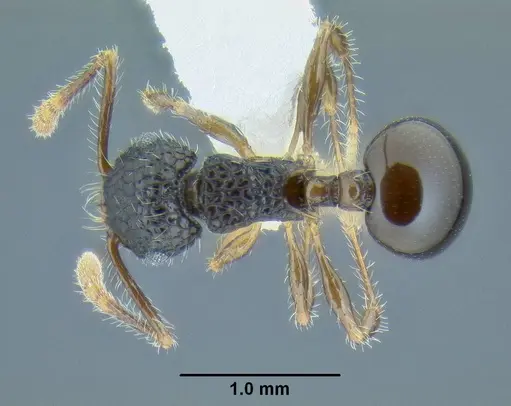
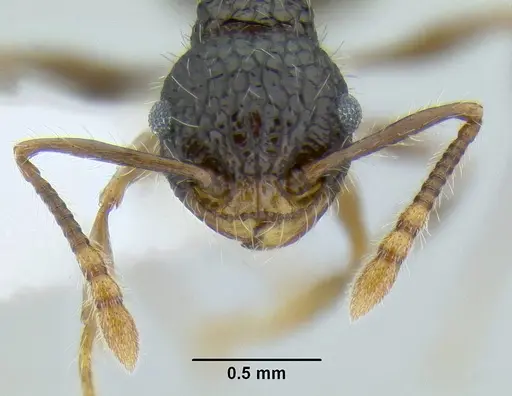
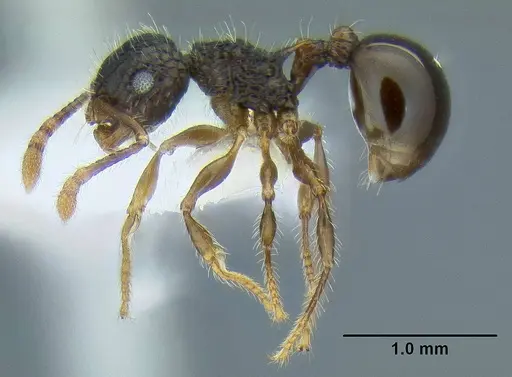
CASENT0178863
View on AntWeb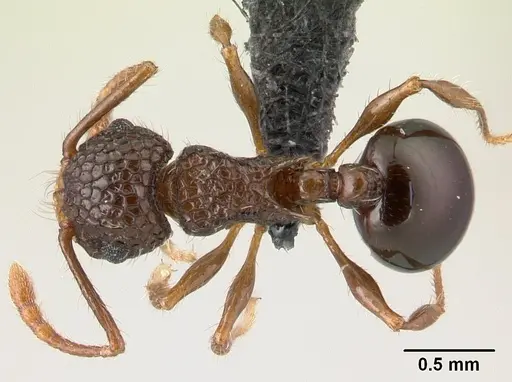
CASENT0246126
View on AntWeb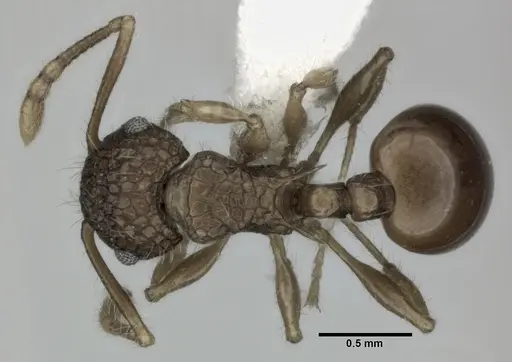
CASENT0901379
View on AntWeb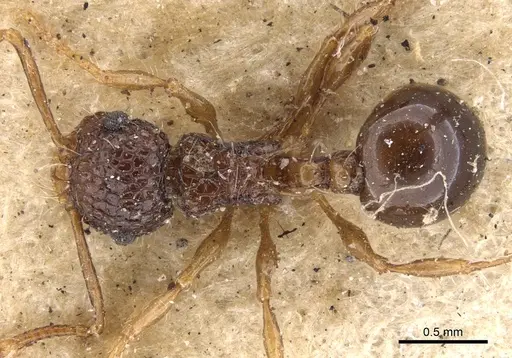
CASENT0908957
View on AntWeb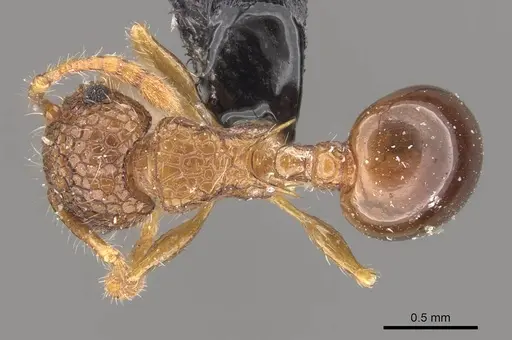
CASENT0922995
View on AntWeb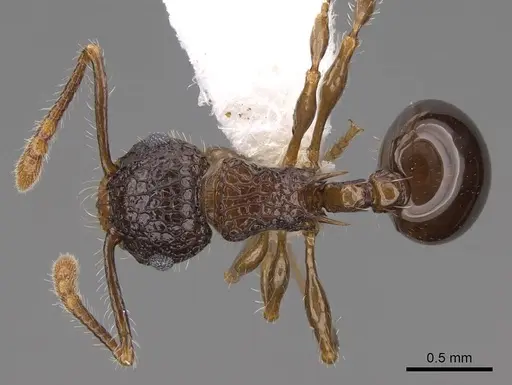
Literature
Loading distribution map...Loading products...