
Pristomyrmex picteti
- Sci. Name
- Pristomyrmex picteti
- Tribe
- Crematogastrini
- Subfamily
- Myrmicinae
- Author
- Emery, 1893
- Distribution
- Found in 4 countries
Introduction
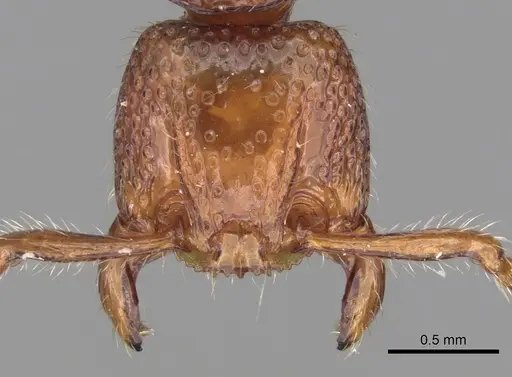
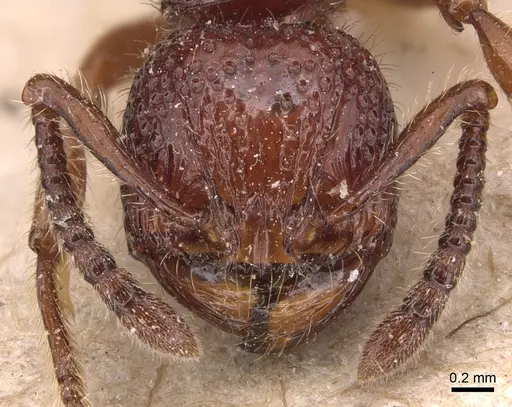
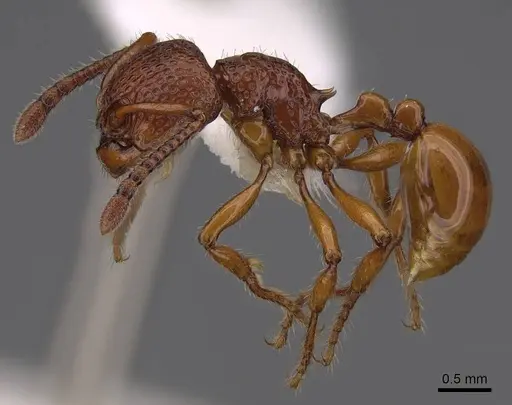
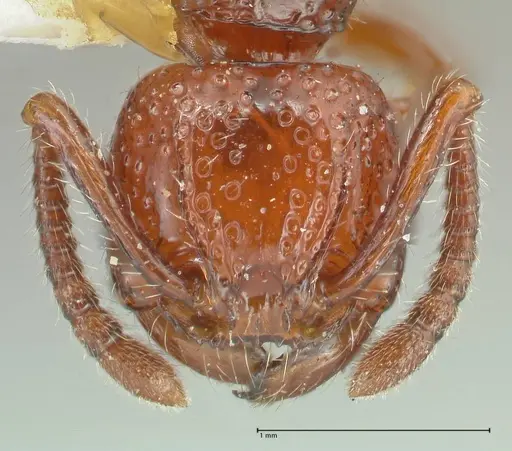
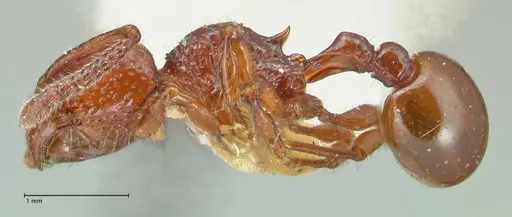
Pristomyrmex picteti is a small Myrmicinae ant native to Southeast Asia and Papua New Guinea. Workers measure 4.1-5.9 mm in total length and are reddish-brown with distinctive propodeal spines and very small eyes containing only 3-4 ommatidia . The mandibles have four teeth, and the dorsum of the head and alitrunk feature foveolate sculpture . Queens are larger at 6.2-7.0 mm and darker in appearance . This species nests in rotten logs in rainforest environments, found on the ground, in rotting wood, and under loose bark . It occurs across Malaysia, Singapore, the Philippines, Borneo, and Papua New Guinea .
Quick Summary
- Difficulty: Medium
- Origin & Habitat: Rainforest habitats of Southeast Asia and Papua New Guinea, including Malaysia, Singapore, Philippines, Borneo, and Papua New Guinea [1][2]. Nests in rotten logs, under loose bark, and in decaying wood on the forest floor [2].
- Colony Type: Colony structure is unconfirmed. No specific data exists for P. picteti.
- Size & Growth:
- Queen: Up to 7.0 mm [2]
- Worker: Up to 5.9 mm [1]
- Colony: Colony size data unavailable
- Growth: Unknown, likely moderate based on typical Myrmicinae patterns
- Development: Estimated 6-8 weeks based on typical Myrmicinae development at tropical temperatures (No specific development data exists. Estimates based on genus-level patterns for small tropical Myrmicinae.)
- Antkeeping:
- Temperature: Keep warm, roughly 24-28°C, based on tropical rainforest habitat [2].
- Humidity: Keep nest substrate consistently moist but not waterlogged [2].
- Diapause: No, as a tropical species from Southeast Asia and Papua New Guinea [2].
- Nesting: Prefer naturalistic setups with moist substrate and rotting wood pieces [2].
- Behavior: Workers are active foragers and not particularly aggressive. Based on Pristomyrmex patterns, they are likely docile [2]. Escape risk is moderate due to small size, standard barriers should suffice. Defense mechanism is smear-based, using a modified stinger to wipe venom onto enemies.
- Common Issues: wild-caught colonies may carry parasites that can devastate captive populations., high humidity requirements can lead to mold problems if ventilation is poor., small colony sizes initially mean colonies are vulnerable to stress., tropical species may struggle if temperatures drop below 22°C., lack of captive breeding data means founding success rates are unknown.
Housing and Nest Setup
Pristomyrmex picteti naturally nests in rotting logs and under loose bark in rainforest environments. For captivity, a naturalistic setup with moist substrate and rotting wood pieces works best. You can use a Y-tong (AAC) or plaster nest, but ensure the chambers remain humid. These ants prefer tight, enclosed spaces, avoid large open areas. A test tube cluster can work for founding colonies, but transfer to a more naturalistic setup once the colony has workers. The key is maintaining consistently damp conditions without waterlogging the nest. [2]
Temperature and Humidity
As a tropical rainforest species from Southeast Asia and Papua New Guinea, P. picteti requires warm and humid conditions. Keep temperatures between 24-28°C based on its habitat [2]. High humidity is critical, keep the nest substrate consistently moist but not waterlogged [2]. Good ventilation is important to prevent mold, but avoid excessive airflow that dries the nest.
Feeding and Diet
Like most Myrmicinae, P. picteti is likely a generalist omnivore. Offer a varied diet including protein sources (small insects like fruit flies or pinhead crickets) and carbohydrates (sugar water, honey, or honeydew). Feed small amounts every 2-3 days and remove uneaten food to prevent mold. [2]
Colony Development
Queens measure up to 7.0 mm and workers up to 5.9 mm [1][2]. No specific development timeline exists, but based on typical Myrmicinae patterns, expect first workers around 6-8 weeks after founding at optimal temperatures. Growth rate is likely moderate. The founding chamber should be kept dark and undisturbed. Once workers emerge, the colony can be fed regularly.
Behavior and Temperament
P. picteti workers are not particularly aggressive and can be handled with care. Their very small eyes [1] suggest reliance on chemical and tactile cues rather than vision. Workers are active foragers and will search for food throughout the outworld. Standard barrier methods should suffice for escape prevention. The propodeal spines are used for defense against other ants.
Frequently Asked Questions
How long does it take for Pristomyrmex picteti to produce first workers?
Exact development time is unknown, but based on typical Myrmicinae patterns, first workers may emerge around 6-8 weeks after founding at optimal temperatures [2].
What temperature do Pristomyrmex picteti ants need?
Keep them at 24-28°C. These are tropical rainforest ants requiring warm conditions [2].
Do Pristomyrmex picteti ants need hibernation?
No. As a tropical species from Southeast Asia and Papua New Guinea [2], they do not require hibernation or winter dormancy.
What do Pristomyrmex picteti ants eat?
They are generalist omnivores. Offer protein sources like small insects and carbohydrates like sugar water.
How big do Pristomyrmex picteti colonies get?
Colony size data is unavailable for this species.
Can I keep multiple Pristomyrmex picteti queens together?
Colony structure is unconfirmed for this species. Combining unrelated queens is not recommended as no data exists on their tolerance for pleometrosis.
What size are Pristomyrmex picteti workers?
Workers measure up to 5.9 mm in total length [1].
Are Pristomyrmex picteti good for beginners?
This species is rated as Medium difficulty. The lack of captive breeding data and specific care requirements make it better suited for antkeepers with some experience.
What type of nest does Pristomyrmex picteti need?
They naturally nest in rotting logs, so a naturalistic setup with moist substrate and wood pieces works best. A Y-tong or plaster nest with high humidity is also suitable.
Do Pristomyrmex picteti ants sting?
Pristomyrmex belongs to Myrmicinae, which includes species with functional stingers. They likely can sting if threatened, but the sting is not medically significant for humans.
Report an Issue
The current care sheet is based fully on literature. See inconsistencies, or something that's incorrect? Please , it will be resolved after review from an admin. Contributing to the blogs tab also helps providing information, to make us be able to further improve the caresheets. Thank you for your support!
References

This caresheet is licensed under CC BY-SA 4.0 .
Community Blogs
CASENT0281795
View on AntWeb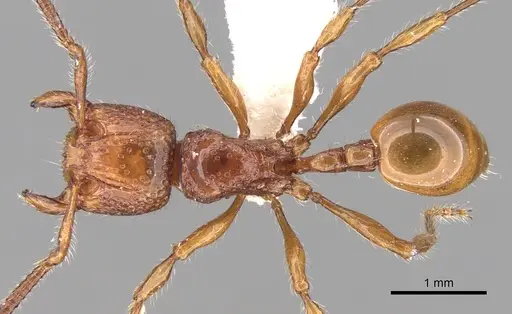
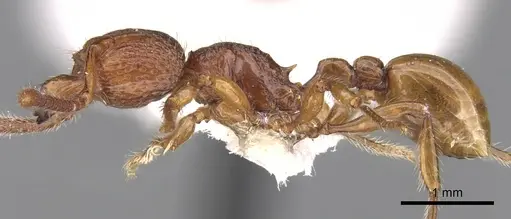
CASENT0904692
View on AntWeb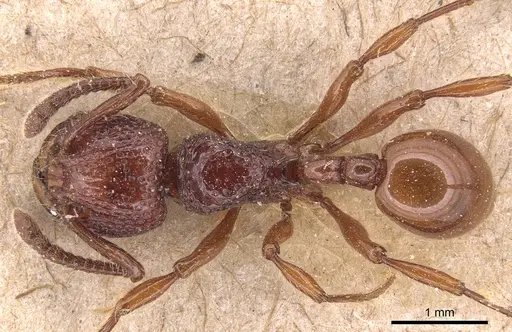
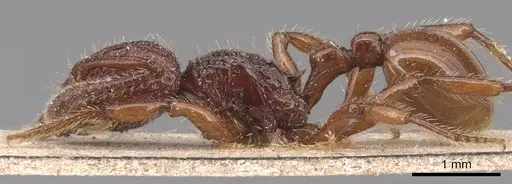
CASENT0922994
View on AntWeb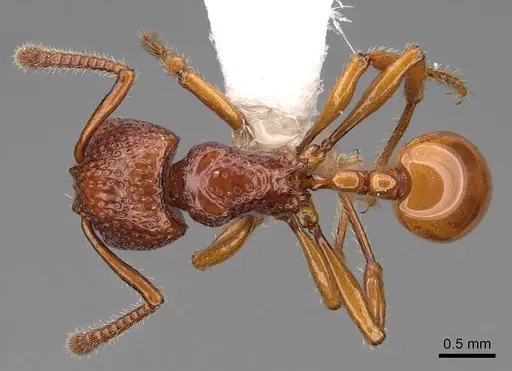
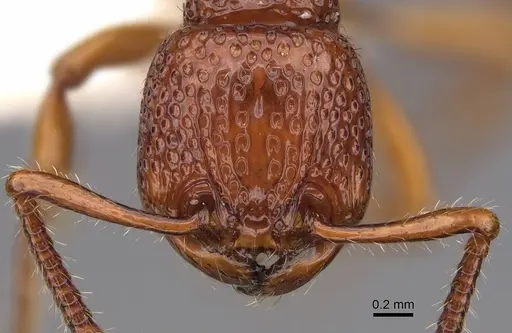
FOCOL1948
View on AntWeb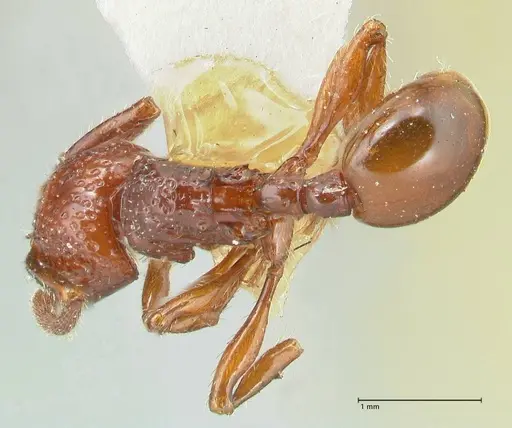
Literature
Loading distribution map...Loading products...