
Pristomyrmex minusculus
- Sci. Name
- Pristomyrmex minusculus
- Tribe
- Crematogastrini
- Subfamily
- Myrmicinae
- Author
- Wang, 2003
- Distribution
- Found in 3 countries
Introduction
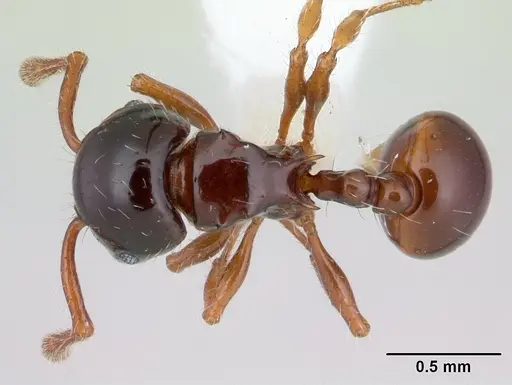
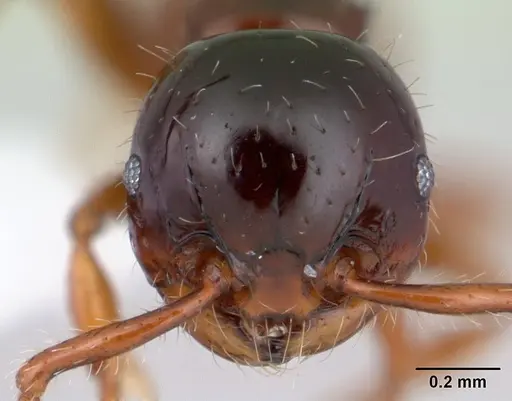
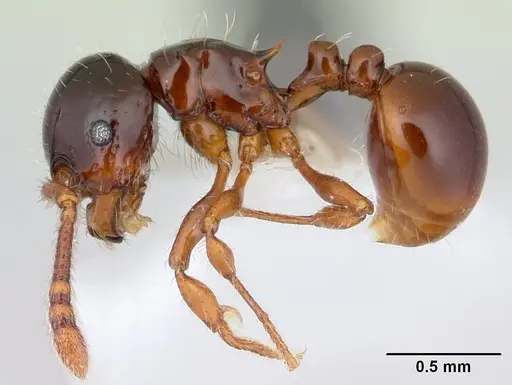
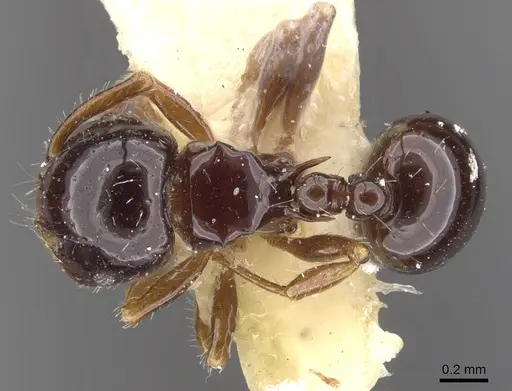
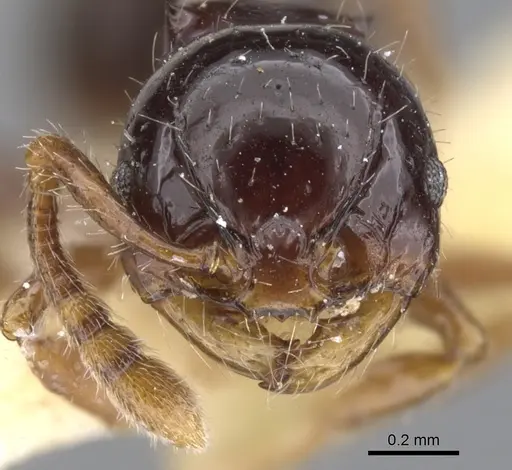
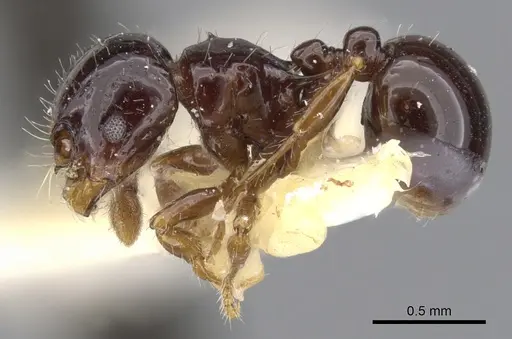
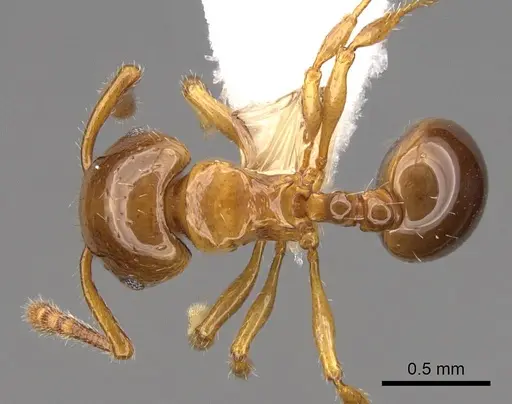
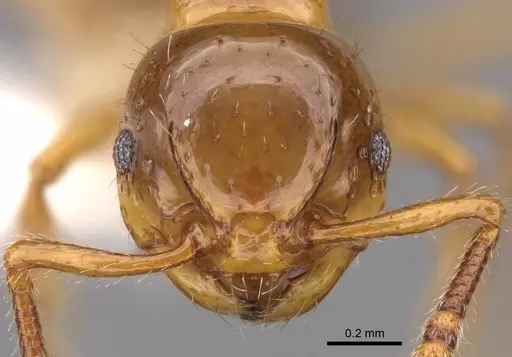
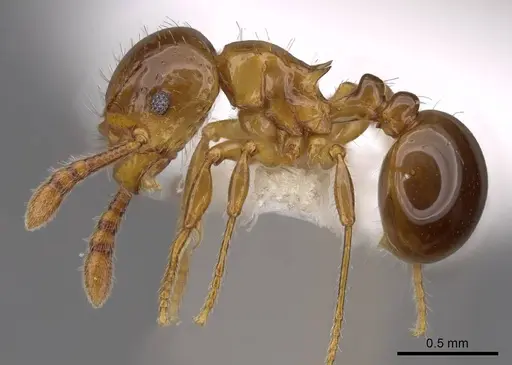
Pristomyrmex minusculus is a tiny ant species native to the Indo-Pacific region, including Australia, New Guinea, Indonesia, Micronesia, Palau, and Tonga. Workers measure 2.5-3 mm , with four mandibular teeth and pronotal spines . Color ranges from yellow-brown to reddish-brown . They inhabit rainforest environments, often in leaf litter or rotting wood at low-to-mid elevations . This species uses a modified stinger to smear venom as a defense mechanism, typical of the Crematogastrini tribe.
Quick Summary
- Difficulty: Medium
- Origin & Habitat: Occurs across Australasian and Indomalayan regions in rainforest and disturbed areas at low-to-mid elevations [2][1].
- Colony Type: Based on Pristomyrmex genus patterns, likely single-queen colonies (monogyne), but unconfirmed for this species.
- Size & Growth:
- Antkeeping:
- Temperature: Keep warm, roughly 24-28°C, based on tropical habitat [2]. Adjust based on colony activity.
- Humidity: Keep nest substrate consistently moist but not waterlogged, reflecting rainforest conditions [2].
- Diapause: Unknown, tropical species may not require diapause.
- Nesting: In wild, nest in leaf litter and rotting wood [2]. For captivity, use small test tube for founding, then move to Y-tong, plaster, or soil nests with tight chambers. Avoid large open spaces.
- Behavior: Pristomyrmex ants are generally non-aggressive and shy. Their tiny size means high escape risk, use fine mesh barriers. They are likely nocturnal or crepuscular [1].
- Common Issues: escape prevention is critical due to their very small size, they can squeeze through tiny gaps, slow colony growth can lead to beginner impatience and overfeeding, wild-caught colonies may have parasites that kill them in captivity, high humidity requirements can lead to mold if ventilation is poor, small colony size means they are vulnerable to stress and disturbance
Housing and Nest Setup
Because of their tiny size, Pristomyrmex minusculus needs carefully scaled housing. For a founding colony, a standard test tube setup works well, fill it about one-third with water, plug the water end with a cotton ball, and let the ants figure out their own space. The small diameter of test tubes matches their natural preference for tight spaces. As the colony grows, you can move them to a small Y-tong, plaster, or soil nest. The chambers should be small and narrow, these ants feel safest in cramped, enclosed spaces. Avoid large, open formicaria that might stress them. Use a layer of substrate like sand or soil mix at least 1-2cm deep to maintain humidity. Escape prevention is critical, use fluon on container rims and fine mesh (at least 0.5mm) on ventilation holes. [1]
Feeding and Diet
Pristomyrmex minusculus likely has a typical omnivorous diet for a small Myrmicinae ant. Based on genus patterns, they probably eat small insects, honeydew, and nectar. In captivity, offer small protein sources like fruit flies, pinhead crickets, or small mealworms crushed into tiny pieces. Offer sugar water, honey, or diluted maple syrup as an energy source. Feed every 2-3 days, removing uneaten food within 24 hours to prevent mold.
Temperature and Humidity Control
These are tropical ants from warm, humid environments. Keep the nest area at roughly 24-28°C based on their habitat [2]. A small heating cable on one side can create a temperature gradient. Watch ant behavior to adjust: if they cluster near heat, increase slightly, if they avoid it, reduce. For humidity, keep the nest substrate damp but not soaking, like a wrung-out sponge. Allow some drier areas so ants can regulate moisture. Good ventilation prevents mold but avoid direct airflow.
Colony Establishment and Growth
Starting a colony can be challenging due to their small size. If you obtain a founding queen, place her in a test tube setup and leave her alone for the first few weeks. She will seal herself in and lay eggs, do not disturb her. The first workers may emerge, but development timeline is unknown for this species. Once workers appear, offer small amounts of food. Colony growth is likely slow, be patient and avoid frequent checks to prevent stress.
Behavior and Observation
These are shy, non-aggressive ants that prefer to stay hidden within their nest. You may not see much activity, especially early on. They are likely more active during evening and night hours. Workers are small and may be overlooked. Their pronotal spines are a distinctive feature observable with magnification. [1][2]
Frequently Asked Questions
How long does it take for Pristomyrmex minusculus to have first workers?
The exact timeline is unknown for this species, as no specific development data is available.
What do Pristomyrmex minusculus ants eat?
They likely accept small protein sources like fruit flies and crickets, plus sugar sources like honey water, based on typical Myrmicinae diet patterns.
Can I keep Pristomyrmex minusculus in a test tube?
Yes, test tubes work well for founding colonies. Use a small test tube with a water reservoir plugged by cotton. The small diameter suits their preference for tight spaces.
Do Pristomyrmex minusculus ants sting?
They are very small ants and any sting would be negligible to humans. Their defense mechanism involves smearing venom, not piercing skin.
What temperature do Pristomyrmex minusculus need?
Keep them at roughly 24-28°C, based on their tropical habitat [2]. Use a heating cable to create a gradient and adjust based on colony behavior.
Are Pristomyrmex minusculus good for beginners?
This species is rated as Medium difficulty. Their small size requires excellent escape prevention and patience during slow colony establishment.
How big do Pristomyrmex minusculus colonies get?
The maximum colony size is unknown, as no scientific data is available.
Do Pristomyrmex minusculus need hibernation?
Unknown, as a tropical species, they likely do not require a true diapause period.
Why are my Pristomyrmex minusculus escaping?
Their tiny size makes them excellent escape artists. Use fluon on container rims and fine mesh on ventilation holes to prevent escapes.
When should I move Pristomyrmex minusculus to a formicarium?
Wait until the colony has enough workers and the test tube is crowded, then connect it to a new nest and let them relocate on their own.
What humidity level do Pristomyrmex minusculus need?
They need higher humidity, keep the nest substrate consistently moist but not waterlogged, reflecting rainforest conditions [2].
Can I keep multiple Pristomyrmex minusculus queens together?
Not recommended, based on typical Pristomyrmex patterns, they likely form single-queen colonies. Keep only one queen per setup.
Report an Issue
The current care sheet is based fully on literature. See inconsistencies, or something that's incorrect? Please , it will be resolved after review from an admin. Contributing to the blogs tab also helps providing information, to make us be able to further improve the caresheets. Thank you for your support!
References

This caresheet is licensed under CC BY-SA 4.0 .
Community Blogs
Literature
Loading distribution map...Loading products...