
Pristomyrmex cribrarius
- Sci. Name
- Pristomyrmex cribrarius
- Tribe
- Crematogastrini
- Subfamily
- Myrmicinae
- Author
- Arnold, 1926
- Distribution
- Found in 4 countries
Introduction
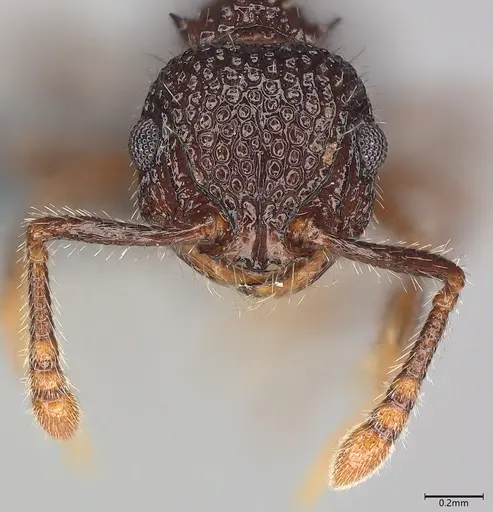
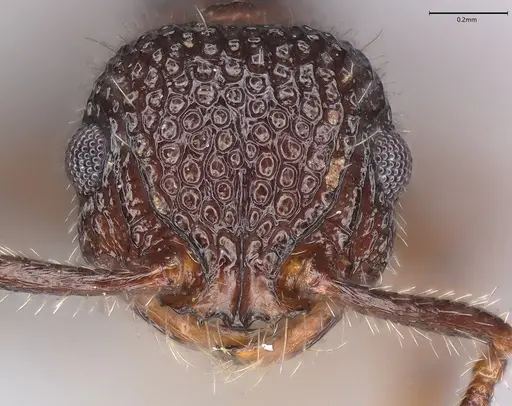
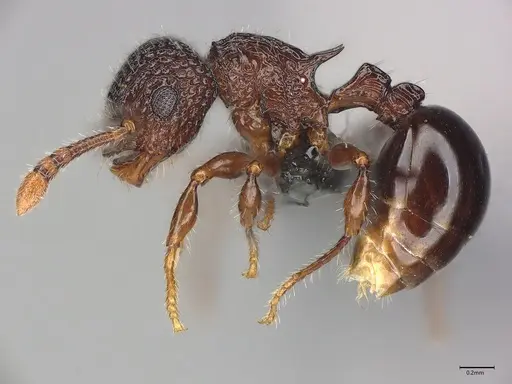
Pristomyrmex cribrarius is an ant speciesof the genusPristomyrmex , belonging to the subfamily Myrmicinae and tribe Crematogastrini . It is documented in 4 countries , including Malawi, Mozambique, Tanzania .
Frequently Asked Questions
Are Pristomyrmex cribrarius a good choice for beginner antkeepers?
While they are a tropical species with specific humidity and temperature requirements, many antkeepers find the Pristomyrmex genus, including closely related species, to be relatively manageable once their climate needs are met. Their active foraging and intriguing behaviors make them a rewarding species to observe, positioning them as a good intermediate choice for those ready to manage a humid setup.
What kind of nest setup is ideal for Pristomyrmex cribrarius colonies?
These ants thrive in formicaria that can consistently maintain high humidity. Options like acrylic nests with integrated hydration systems, Ytong setups, or naturalistic designs incorporating soil and decaying wood are excellent choices. The key is to provide a humidity gradient, ensuring a consistently moist area for the brood and a slightly drier section for the workers, mimicking their natural nesting preferences in leaf litter and rotten wood.
How frequently should I feed my Pristomyrmex cribrarius colony?
Due to their rapid growth rate and active metabolism, Pristomyrmex cribrarius colonies have a healthy appetite. It's best to offer protein sources, such as small, pre-killed, or cut-up feeder insects (like crickets or mealworms), several times a week. Supplement this carnivorous diet with various sugar sources, such as honey water or fruit. Always remove any uneaten food promptly, ideally within 24-48 hours, to prevent unsightly and harmful mold growth, especially in their preferred humid conditions.
Do Pristomyrmex cribrarius ants sting or bite handlers?
Rest assured, antkeepers! Pristomyrmex species are generally not known to sting, nor do they typically spray formic acid as a defense. While they are highly aggressive and efficient hunters towards their insect prey, they tend to be quite docile when interacting with human hands. If they do attempt a bite, it's usually very light and causes no significant discomfort, making them relatively safe to observe up close.
Can Pristomyrmex cribrarius workers lay eggs, or do they only have a queen?
For Pristomyrmex cribrarius specifically, a queen is present and is the primary egg-layer. However, it's fascinating to know that within the broader Pristomyrmex genus, some species exhibit unique reproductive traits where workers can indeed lay fertile eggs through parthenogenesis. This incredible ability means that in certain related species, new workers can be produced even without a queen, contributing to their robust and potentially long-lived colonies. While P. cribrarius relies on its queen, understanding these genus-wide biological marvels adds to the appreciation of your colony.
What is the typical colony size I can expect for Pristomyrmex cribrarius?
Colony sizes for Pristomyrmex species can vary considerably, but with optimal care, an established Pristomyrmex cribrarius colony can easily grow to several thousands of workers. Their fast growth rate, when provided with consistent warmth, humidity, and abundant food, means you can anticipate your colony rapidly expanding and filling its formicarium over time.
Do these ants require a diapause or hibernation period?
As a species originating from tropical regions of Africa, Pristomyrmex cribrarius does not require a diapause or hibernation period. They thrive year-round in stable warm temperatures and consistent humidity, mimicking their natural equatorial environment. Maintaining these constant conditions without a cool down period is essential for their continuous activity, development, and overall colony health.
How do Pristomyrmex cribrarius queens found new colonies?
Pristomyrmex cribrarius queens are believed to found new colonies claustraly, meaning the queen seals herself off in a chamber and raises her first brood using stored energy reserves, without needing to forage. This is a common founding strategy for many queen-right ant species. However, it's worth noting that other species within the diverse Pristomyrmex genus are known to establish new colonies through budding or fission, where a portion of an existing colony splits off to form a new one, particularly if ergatoid queens or worker reproduction are present.
Are Pristomyrmex cribrarius prone to escaping their setup?
Yes, these ants are known to be surprisingly agile climbers! To prevent escapes and ensure your colony remains safely contained, it's highly recommended to apply effective anti-escape barriers to the rim of your outworld and any open sections of the nest. A commonly used and effective method involves applying a thin layer of a mixture of talcum powder and rubbing alcohol (or specialized PTFE products) to a smooth, vertical surface, which prevents them from getting a grip and climbing out.

This caresheet is licensed under CC BY-SA 4.0 .
Community Blogs
CASENT0235683
View on AntWeb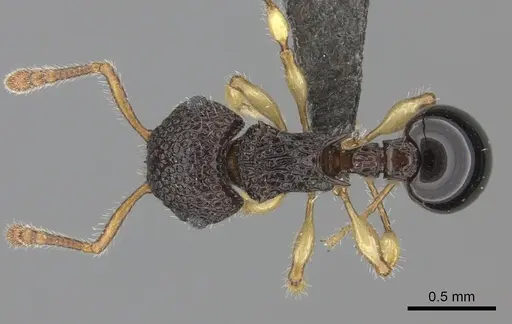
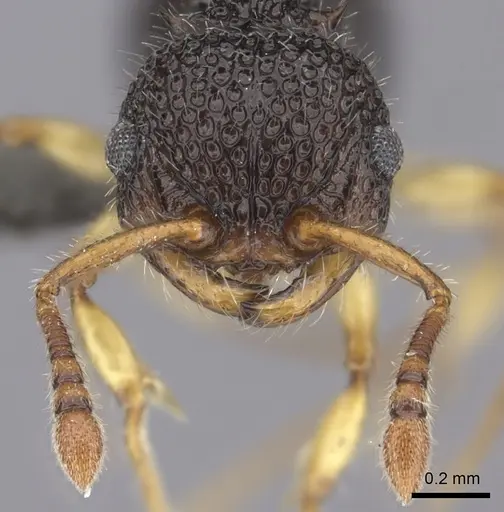
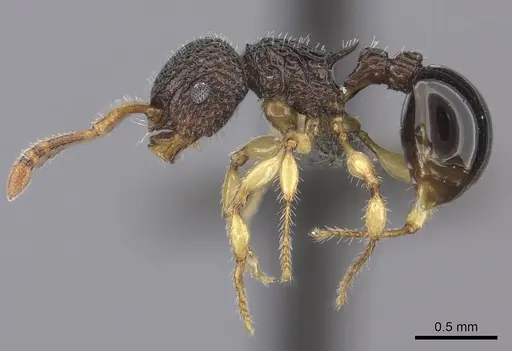
CASENT0785579
View on AntWeb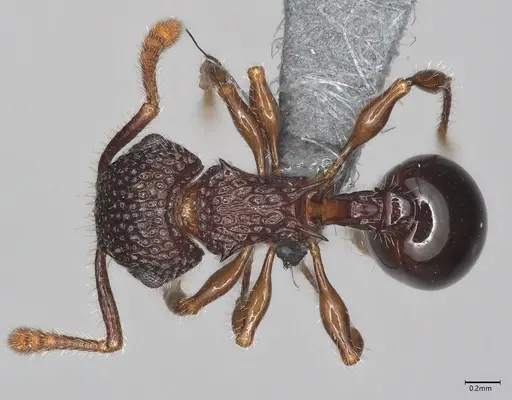
Literature
Loading distribution map...Loading products...